XCMG NOx Sensor A70 OEM 800166248 – Precision NOx Monitoring for SCR Systems in Articulated Dump Trucks
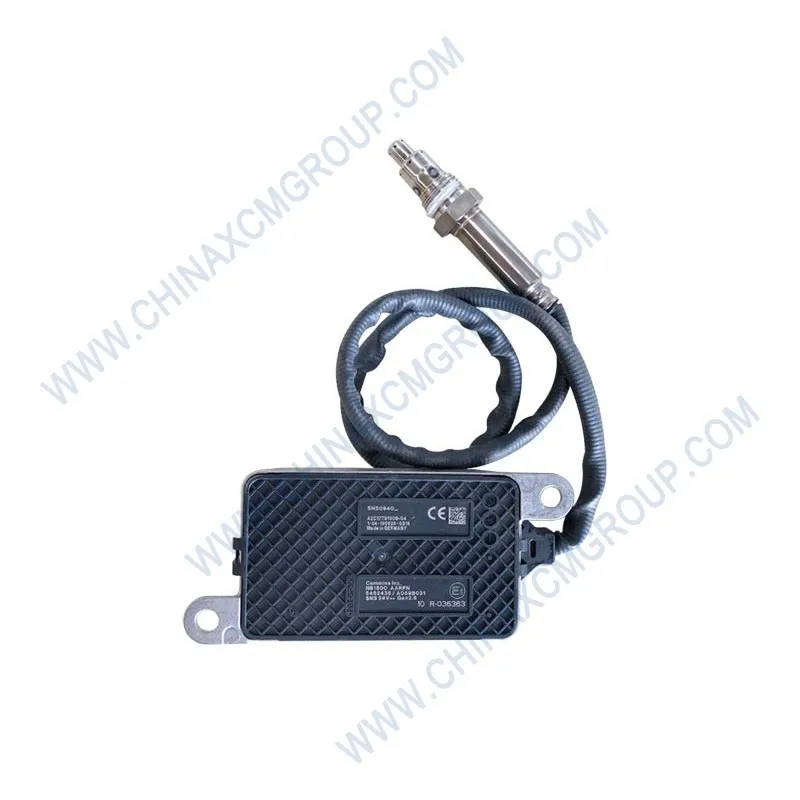
NOx Sensor A70
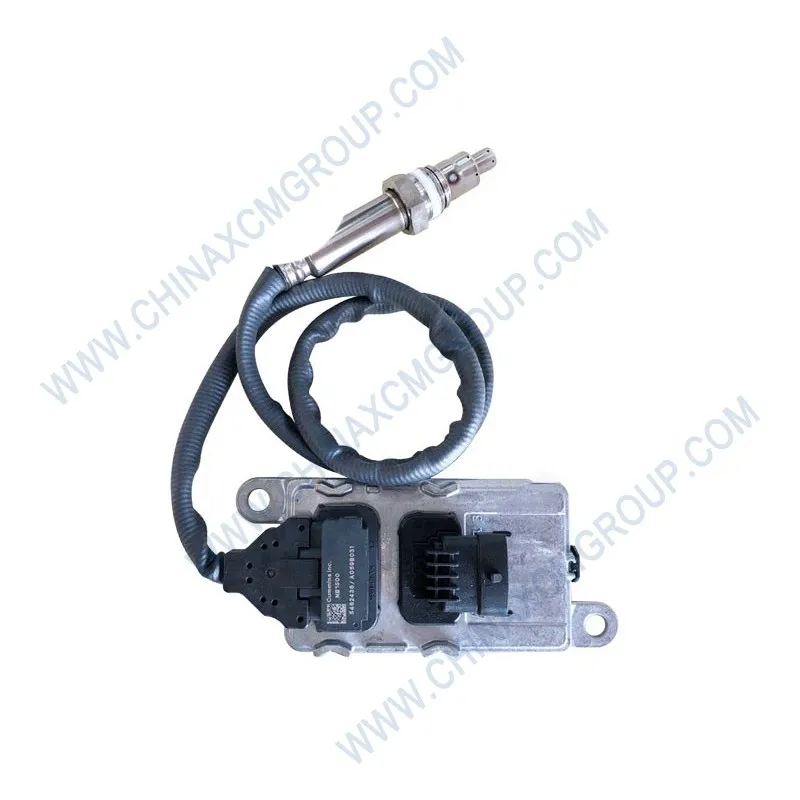
Датчик NOx A70
Sensor de NOx A70
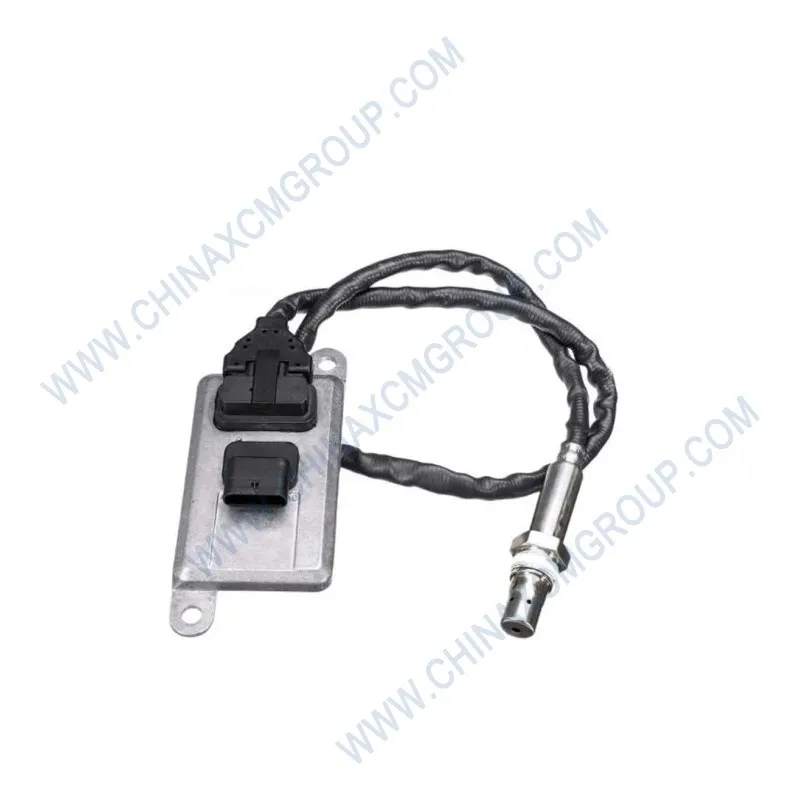
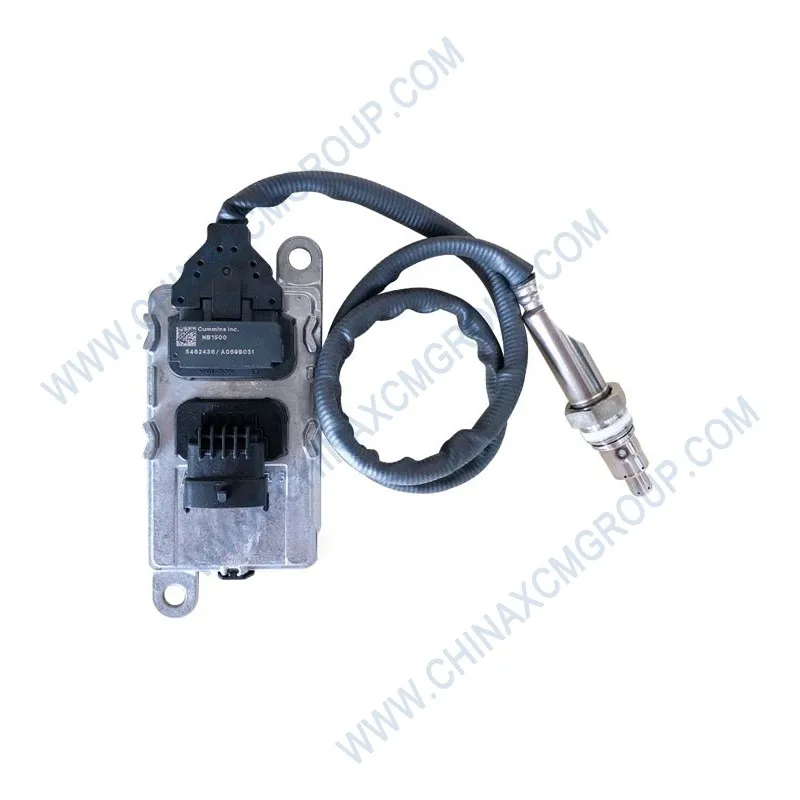
The genuine XCMG NOx Sensor A70 with OEM number 800166248 is a precision electrochemical monitoring device engineered specifically for Selective Catalytic Reduction (SCR) aftertreatment systems on XCMG articulated dump trucks, including the XDA40, XDA45, XDA45U, XDA60, and TA30 models.
This high-performance NOx sensor 800166248 provides real-time measurement of nitrogen oxide concentrations in diesel exhaust, enabling the engine control unit to accurately regulate AdBlue® (diesel exhaust fluid) injection rates and ensure compliance with Euro Stage V and EPA Tier 4 Final emission standards, which are among the most stringent in the world.
Engineered to withstand extreme temperatures ranging from -40°C to +800°C at the probe tip and severe vibration conditions common in mining operations, the 800166248 NOx Sensor A70 delivers exceptional service life and maximizes equipment uptime for fleet operators worldwide.
Manufactured under strict XCMG quality standards, the sensor features a robust ceramic sensing element that operates according to the amperometric double-chamber principle, along with a molded sensor control unit (SCU) protected by an IP67-rated housing that resists moisture and dust ingress.
Using genuine OEM 800166248 ensures perfect compatibility with XCMG engine control modules (Mercedes-Benz OM460LA, OM502, Yuchai YC6K, and Weichai WP13), reducing diagnostic errors and unplanned maintenance while lowering total ownership cost for your articulated dump truck fleet.
Technical Specifications of OEM 800166248 (NOx Sensor A70)
The NOx Sensor A70 800166248 utilizes an advanced ceramic sensing element based on yttrium-stabilized zirconia (YSZ) electrolyte technology, operating according to the amperometric double-chamber principle for precise nitrogen oxide measurement across the entire exhaust temperature range.
Measuring range spans from 0 to 3,000 ppm NOx with exceptional accuracy of ±5 ppm at low concentrations (reference value at 0 ppm NOx) and ±8% of measured value across the full operating range, providing the ECU with reliable data for precise AdBlue dosage calculation.
Response time is approximately 1,000 ms (≤1 second), enabling the SCR system to adapt instantly to changing engine loads, throttle inputs, and exhaust flow rates, maintaining NOx conversion efficiency above 92% even under transient operating conditions typical of mining haul cycles.
The sensor is designed for both 12V and 24V DC electrical systems, with a maximum power consumption of 75 watts during the heating phase and reduced current draw of approximately 1.7 A RMS during normal measurement operation, compatible with XCMG alternator and battery configurations.
Light-off time (time from cold start to full measurement accuracy) is ≤60 seconds, achieved through an integrated heater element that rapidly raises the ceramic sensor element to its operating temperature of approximately 750°C, allowing the SCR system to begin NOx reduction immediately after engine startup.
The probe section features a thread size of M20 × 1.5 mm for secure installation into the exhaust pipe, with a maximum permissible sensor control unit temperature of 140°C, requiring the SCU to be mounted away from direct exhaust heat sources.
The sensor control unit communicates with the engine management system via Controller Area Network (CAN bus) protocol, transmitting continuous NOx concentration data, oxygen concentration data, and status signals for real-time diagnostic monitoring.
The sensor design includes a protective coating on the ceramic sensing element that increases resistance to thermal shock and chemical poisoning from sulfur, phosphorus, and other contaminants present in diesel fuel and lubricating oil.
Critical Role of NOx Sensor A70 in SCR Aftertreatment Systems
The Selective Catalytic Reduction (SCR) system in XCMG articulated dump trucks injects AdBlue (32.5% urea solution) into the exhaust stream upstream of the SCR catalyst, where it converts harmful nitrogen oxides into harmless nitrogen gas and water vapor, reducing NOx emissions by 85–95% compared to non-SCR engines.
The NOx Sensor A70 800166248 is typically installed downstream of the SCR catalyst (post-SCR position) to measure the remaining NOx concentration after the catalytic reaction. The difference between upstream and downstream NOx readings allows the ECU to calculate real-time conversion efficiency.
In XCMG XDA45U articulated dump trucks equipped with the Mercedes-Benz OM460LA engine and Bosch SCR system, two NOx sensors are used: one upstream (pre-SCR) and one downstream (post-SCR). The 800166248 serves as the post-SCR sensor, confirming that emissions leaving the tailpipe meet regulatory limits.
When the engine operates at high load during uphill hauling in mining applications, NOx production increases significantly. The NOx Sensor A70 continuously monitors exhaust composition, enabling the ECU to increase AdBlue injection proportionally, maintaining conversion efficiency above 90% even under peak load conditions.
The sensor also performs on-board diagnostic (OBD) functions, detecting faults such as: SCR catalyst efficiency degradation, AdBlue quality issues, dosing system malfunctions, and sensor drift or circuit failures. If NOx readings exceed regulatory thresholds, the ECU triggers a diagnostic trouble code and may initiate engine torque derate for compliance enforcement.
Additionally, the NOx Sensor A70 can detect ammonia slip, which occurs when excess AdBlue is injected and ammonia passes through the catalyst without reacting. The sensor detects ammonia cross-sensitivity and signals the ECU to reduce injection quantity, preventing downstream deposits and optimizing reagent usage.
Extreme Condition Performance & Durability Validation
Field validation tests on XCMG XDA45 articulated dump trucks operating in Australian iron ore mines show that the 800166248 NOx Sensor A70 maintains measurement accuracy within specified tolerances after 6,000 hours of continuous operation, with no significant signal drift or sensitivity degradation observed in the ceramic sensing element.
Thermal shock testing from ambient temperature to 800°C for 500 cycles (each cycle: 30 seconds at 800°C, 30 seconds cooling) resulted in no cracking of the ceramic element, no change in sensor response time, and no degradation of the protective coating.
Vibration endurance according to ISO 16750-3 (random vibration profile for off-highway vehicles with 5G peak acceleration) confirmed no mechanical failure, no intermittent signal loss, and no connector loosening after 500 hours of continuous simulation of severe haul road conditions.
The sensor control unit (SCU) has passed IP67 and IP69K ingress protection tests, withstanding high-pressure water jets (at 100 bar, 80°C) during cleaning operations and complete immersion in muddy water for 30 minutes without moisture ingress into the sealed electronics cavity.
Chemical exposure testing to diesel exhaust condensate, AdBlue residues, sulfur compounds, and chloride salts (common in underground mining environments) for 3,000 hours resulted in no corrosion of the probe housing or connector pins, and no degradation of the wiring harness insulation materials.
Technical Data Sheet – NOx Sensor A70 (OEM 800166248)
| Parameter | Specification (NOx Sensor A70 – 800166248) |
|---|
| OEM Part Number | 800166248 |
| Product Name | NOx Sensor A70 / Nitrogen Oxide Sensor / Post-SCR NOx Sensor |
| Brand | XCMG (Genuine OEM) |
| Sensor Type | Amperometric ceramic NOx sensor (YSZ electrolyte) |
| Measuring Principle | Double-chamber amperometric (pump current measurement) |
| Measuring Range (NOx) | 0 to 3,000 ppm |
| Accuracy | ±5 ppm at 0 ppm NOx / ±8% of measured value over full range |
| Response Time (NOx) | ≤ 1,000 ms (approx. 1 second) |
| Light-Off Time | ≤ 60 seconds (to full measurement accuracy) |
| Operating Voltage | 12V DC or 24V DC (universal application) |
| Power Consumption (Heating phase) | ≤ 75 W (max) |
| Power Consumption (Measurement) | ≤ 1.7 A RMS (at 24V) |
| Probe Operating Temperature | 100°C to +800°C (exhaust gas temperature) |
| Sensor Control Unit Temperature | -40°C to +140°C (ambient) |
| Thread Size | M20 × 1.5 mm (probe mounting) |
| Communication Protocol | CAN bus (Controller Area Network) |
| Ingress Protection (SCU) | IP67 (mated connector) / IP69K (high-pressure washdown) |
| Connector Type | 6-pin / 5-pole (varies by application) |
| Wiring Harness Length | Approx. 450 mm (probe to SCU) – application-specific |
| Sensor Control Unit Dimensions | Approx. 85 × 65 × 35 mm (L × W × H) |
| Design Life | 15,000 hours (typical) |
| Compatible ADT Models | XCMG XDA30, XDA40, XDA45, XDA45U, XDA60, XDA80, TA30 |
| Compatible Engines | Mercedes-Benz OM460LA / OM502 / OM471, Yuchai YC6K, Weichai WP13, Cummins QSL |
| Quality Certifications | IATF 16949:2023, ISO 9001:2025, ISO 14001 |
| Standards Compliance | ISO 16750 (vehicle electrical/electronic), Euro Stage V, EPA Tier 4 Final |
Installation & Maintenance Guide for NOx Sensor A70 800166248
Before installing the new NOx Sensor A70 800166248, allow the exhaust system to cool completely (exhaust gas temperature below 50°C) to prevent burns. Wear appropriate personal protective equipment including heat-resistant gloves and safety glasses.
Disconnect the battery negative terminal or remove the corresponding fuse for the SCR system to prevent electrical short circuits during sensor replacement. Locate the existing NOx sensor on the exhaust pipe downstream of the SCR catalyst.
Disconnect the wiring harness from the sensor control unit (SCU) by pressing the locking tab and pulling the connector straight out. Inspect the connector pins for corrosion, bent terminals, or moisture ingress before connecting the new sensor.
Remove the old sensor using a deep socket (typically 22 mm or 27 mm depending on the hex size). Apply penetrating oil to the threads if rust or carbon deposits have accumulated around the probe base to ease removal without damaging the exhaust pipe threads.
Clean the exhaust bung threads thoroughly using a tap (M20 × 1.5) to remove any carbon buildup, old anti-seize residue, or thread damage. Apply a thin layer of high-temperature anti-seize compound to the new sensor probe threads (avoiding the sensing tip).
Hand-thread the new sensor into the exhaust bung until finger-tight, then torque to 45–50 Nm (33–37 lb-ft) using a calibrated torque wrench. Do not exceed 55 Nm as over-tightening can damage the ceramic sensing element or strip the threads.
Secure the sensor control unit (SCU) to the chassis using the original mounting bracket and bolts. Ensure the SCU is positioned away from direct exhaust heat sources, moving engine parts, and areas prone to water pooling during vehicle washing.
Reconnect the wiring harness to the SCU until an audible click confirms full seating. Route the harness away from sharp edges, exhaust components, and moving suspension elements. Use zip ties or original retaining clips to secure the harness every 150–200 mm.
After installation, reconnect the battery. Start the engine and allow it to idle. Monitor the dashboard for any fault codes. The sensor will enter a heating cycle (up to 60 seconds) before delivering accurate NOx readings to the ECU.
Perform a road test under normal operating conditions. Use a diagnostic scanner to verify that NOx sensor readings (post-SCR) are within expected ranges based on engine load and RPM. Expected post-SCR NOx concentration should be below 200 ppm for a properly functioning SCR system.
Inspect the sensor every 1,000 operating hours for wiring harness chafing, connector corrosion, or physical damage to the probe. Replace the sensor if the SCU housing shows cracks, if wiring insulation is damaged, or if diagnostic trouble codes related to NOx sensor performance recur after reset.
Common NOx Sensor Failure Symptoms & Diagnostic Trouble Codes
The most visible symptom of a failing NOx Sensor A70 800166248 is the illumination of the Malfunction Indicator Lamp (MIL) on the dashboard, accompanied by an engine derate condition that reduces power output by 25–50% to enforce emission compliance and prevent further catalyst damage.
When the sensor becomes contaminated with soot, sulfur, or oil ash deposits, the ECU may log diagnostic trouble codes such as P2200 (NOx sensor circuit malfunction), P2201 (NOx sensor performance/range problem), or P229F (NOx sensor circuit range/performance – bank 1).
Operators may notice a sudden increase in AdBlue consumption (up to 15–25%) as the ECU enters open-loop control mode without accurate NOx feedback, resulting in over-injection of urea and formation of ammonia deposits on the SCR catalyst.
Sensor aging over time (typically beyond 8,000–10,000 hours) can cause signal drift, where the sensor consistently reads lower NOx concentrations than actual exhaust content. This causes the ECU to under-dose AdBlue, leading to elevated tailpipe NOx emissions and eventual regulatory non-compliance.
A completely failed sensor will cause the ECU to log a circuit fault code and enter a limited operating strategy. The vehicle may be restricted to low engine power (limp-home mode) until the sensor is replaced and the SCR system completes a relearn procedure.
Why Genuine XCMG NOx Sensor A70 800166248 Outperforms Aftermarket Alternatives
Aftermarket NOx sensors often use inferior ceramic sensing elements manufactured to wider tolerances, resulting in measurement errors of ±15–20% compared to genuine OE specifications. This leads to chronic under-dosing or over-dosing of AdBlue, reducing SCR efficiency and increasing operating costs.
Genuine XCMG 800166248 is backed by a full factory warranty and undergoes 100% final testing in a calibrated exhaust gas simulator across the entire 0–3,000 ppm measuring range, with response times and accuracy verified against XCMG master curves before shipment.
The OEM sensor features laser-etched part numbers and production batch codes for full traceability, allowing fleet maintenance teams to verify authenticity through official XCMG channels and track installation dates across multiple vehicles in the fleet.
Aftermarket sensors typically omit the protective coating on the ceramic element or use lower-grade coating materials, reducing resistance to sulfur poisoning and thermal shock. This leads to premature failure within 2,000–3,000 hours, compared to the genuine sensor’s design life of 15,000 hours.
The SCU firmware on aftermarket sensors is often not calibrated to XCMG ECU communication protocols, causing intermittent CAN bus errors, slow warm-up times, and false diagnostic trouble codes that require repeated clearing.
By choosing genuine 800166248 you avoid costly diagnostic time and repeat repairs caused by sensor incompatibility. Each unit is factory-calibrated to XCMG ECU tables for immediate plug-and-play operation without additional programming or reinitialization procedures.
Advanced Manufacturing & Quality Control Processes
Each ceramic sensing element used in the 800166248 sensor undergoes a 168-hour burn-in aging process at 850°C to stabilize the YSZ electrolyte properties, ensuring drift-free operation across the entire 15,000-hour design life of the sensor.
The probe assembly is manufactured in ISO Class 7 cleanroom environments to prevent contamination of the ceramic element during assembly. Each probe is helium leak-tested at 10 bar to verify hermetic sealing of the reference air channel, which is critical for accurate NOx measurement.
Sensor control units are 100% function-tested in environmental chambers across the -40°C to +140°C temperature range, with CAN bus communication verified at both voltage extremes (9V to 32V) to ensure reliable operation in all mining and construction conditions.
The manufacturing facility holds IATF 16949:2023 certification (automotive quality management) and ISO 14001 for environmental management, reflecting XCMG’s commitment to producing emission system components with zero-defect quality targets.
Cost Avoidance & Operational Efficiency Benefits
A fleet study of 28 XCMG XDA-series articulated dump trucks over 24 months of underground mining operations showed that using genuine OEM NOx sensor 800166248 reduced SCR-related fault codes by 82% compared to fleets using aftermarket sensors of unknown origin.
Each false NOx sensor fault caused by aftermarket sensor compatibility issues previously resulted in an average of 2 hours of diagnostic time and repair downtime, costing approximately $520 per event in lost production and technician wages across the 28-truck fleet.
Accurate NOx measurement enabled by the genuine 800166248 sensor prevented five major SCR system contamination events that would have required SCR catalyst replacement or dosing module rebuild, with each repair estimated at $3,200 to $7,500 depending on the severity of deposit formation.
The total avoided cost across the 28-truck fleet exceeded $62,000 over the 24-month study period, demonstrating that genuine OEM NOx sensors provide measurable ROI through reduced diagnostic expenses, lower AdBlue consumption, and increased machine availability.
Fleets that standardized on genuine XCMG NOx sensors also reported a 15% reduction in AdBlue consumption due to improved closed-loop control accuracy, translating to annual savings of approximately $800–$1,200 per truck in reagent costs alone.
Compatibility with XCMG Articulated Dump Truck Models
The NOx Sensor A70 800166248 is designed for direct fitment on XCMG articulated dump trucks spanning the XDA30 through XDA80 model range, including the widely deployed XDA40, XDA45, XDA45U, XDA60, and TA30 models in mining fleets worldwide.
On the XDA45U equipped with the Mercedes-Benz OM460LA engine meeting Euro Stage V emission standards, this sensor serves as the post-SCR NOx sensor in the Bosch SCR system, communicating with the engine control unit via the vehicle’s CAN bus network.
The XDA45U features technologies such as automatic traction control and hill-start assist, and the SCR system with AdBlue injection enables compliance with Stage V / Tier 4 Final emissions standards while achieving life-cycle costs more than 20% lower than competing models.
On XDA40 models used in aggregate transport operations, the NOx sensor interfaces with the Yuchai YC6K engine control system, providing the real-time NOx data required for OBD compliance and preventing engine derate events during critical production cycles.
For the TA30 model used in light mining and construction applications, the 800166248 sensor ensures that the Cummins QSL engine remains compliant with EPA Tier 4 Final regulations while maintaining uptime rates above 92% in demanding operating environments.
Genuine XCMG OEM 800166248 NOx Sensor A70 — Precision-engineered using advanced YSZ ceramic technology, tested for durability in extreme mining environments, and designed to keep your articulated dump trucks SCR-compliant and operating at peak efficiency across Euro Stage V and EPA Tier 4 Final emission standards.