XCMG 40L Urea Tank OEM 800166230 – Reliable DEF Storage for Articulated Dump Trucks
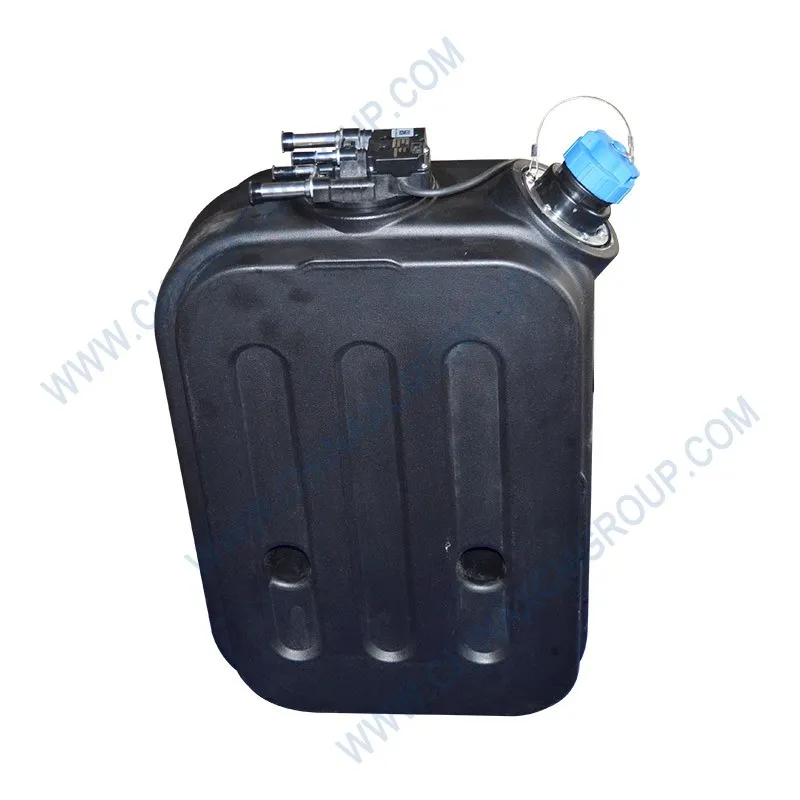
40L Urea Tank
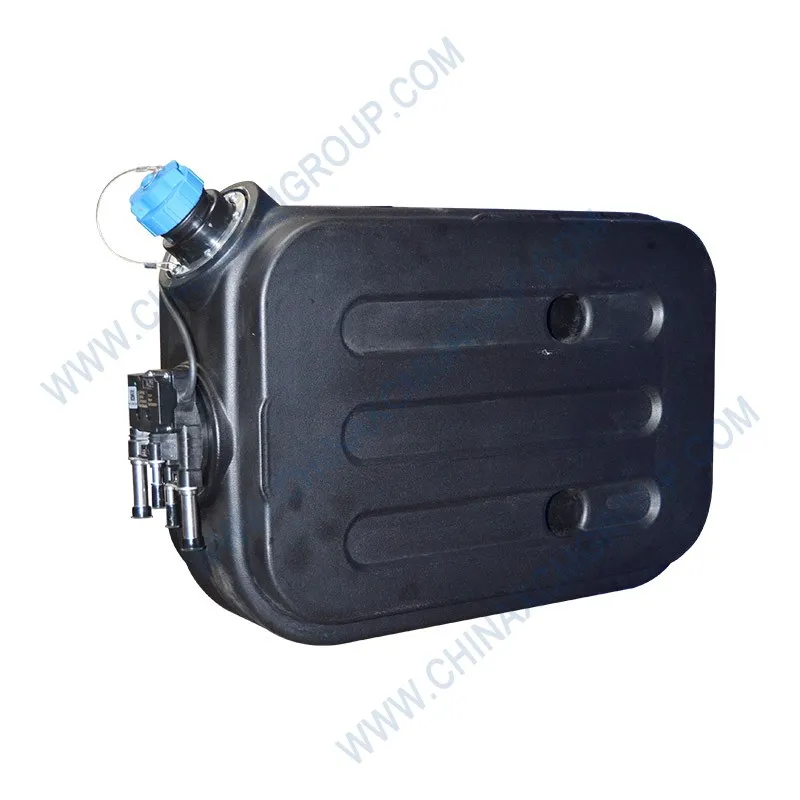
Бак для мочевины 40 л
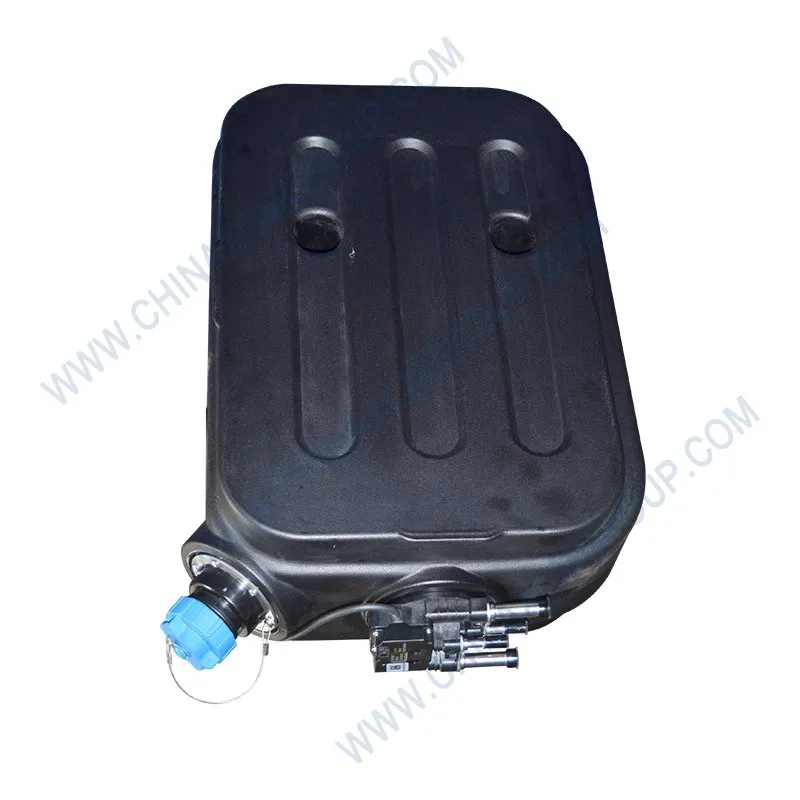
Tanque de urea 40 L
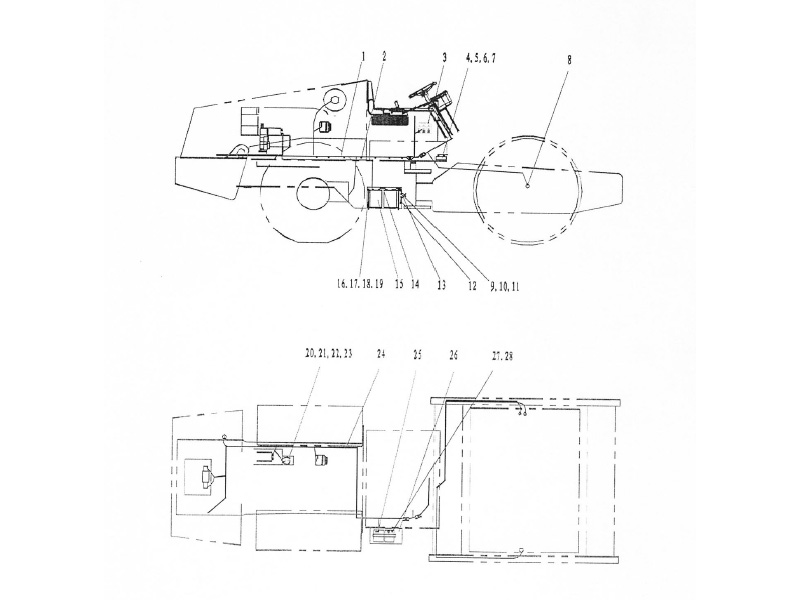
The genuine XCMG 40L Urea Tank with OEM number 800166230 is a precision-engineered diesel exhaust fluid (DEF) storage component specifically designed for Selective Catalytic Reduction (SCR) aftertreatment systems on XCMG articulated dump trucks, including XDA30, XDA40, XDA45, XDA45U, XDA60, and TA30 series models operating in the most demanding mining, quarrying, and heavy construction environments worldwide.
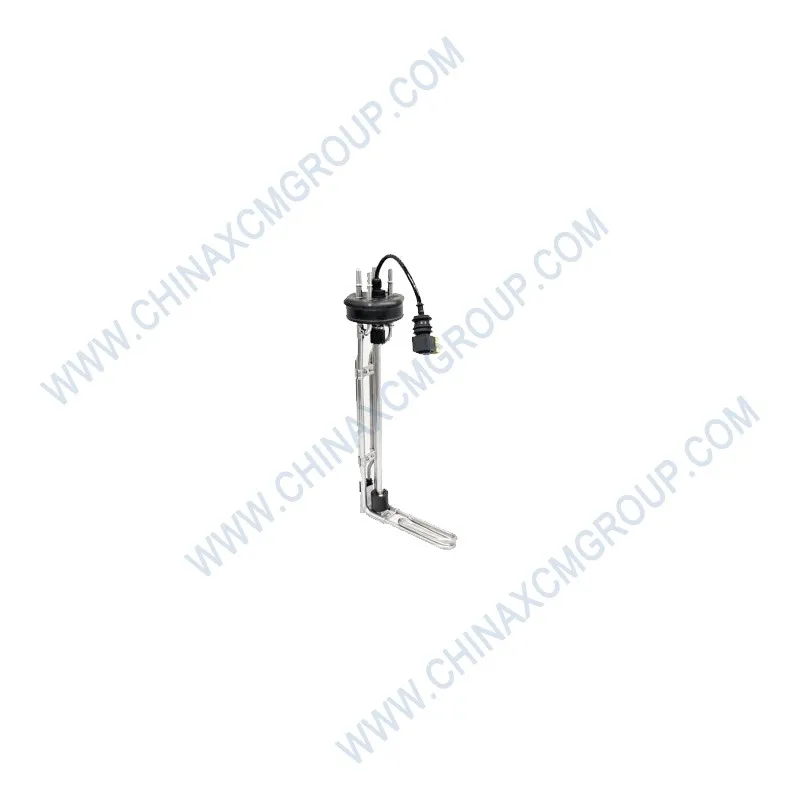
This 40-liter urea tank 800166230 stores AdBlue® (32.5% aqueous urea solution) used to reduce nitrogen oxide (NOx) emissions in the SCR catalyst by up to 95%, enabling XCMG ADTs to comply with Euro Stage V and EPA Tier 4 Final emission standards. The tank integrates a multifunction head unit featuring an electric heating element, a fluid temperature sensor, a high-accuracy level sensor (reed switch or ultrasonic), and a supply port for the urea suction line that connects to the dosing module.
Engineered from high-density polyethylene (HDPE), the 800166230 urea tank resists the corrosive effects of DEF and provides excellent impact resistance in rugged mining environments. The HDPE material is naturally chemically inert to urea, ensuring no degradation of the tank material over time, and is also UV-stabilized to prevent cracking from prolonged sunlight exposure, with a design life exceeding 15,000 operating hours.
Each genuine XCMG urea tank is pressure-tested to 0.5 bar for 10 minutes to verify leak-free integrity, and the multifunction head unit is 100% tested for heater activation (-30°C threshold), level sensor accuracy (0–100% with ±3% linearity), and temperature sensor calibration. Compliant with ISO 22241-1 material compatibility requirements and ISO 16750 for vehicle electrical/electronic equipment, the 800166230 tank delivers reliable DEF storage even in the most extreme conditions.
Technical Specifications of OEM 800166230 40L Urea Tank
The 40L Urea Tank 800166230 is manufactured from high-density polyethylene (HDPE), a thermoplastic polymer with exceptional chemical resistance and impact toughness. HDPE is ideal for AdBlue storage because it does not react with urea solution, and the material is naturally corrosion‑proof, eliminating the risk of rust that plagues mild steel or brass components. The tank also incorporates UV-stabilizing additives to prevent photodegradation from prolonged outdoor exposure, ensuring the tank does not become brittle or crack over time.
The tank has a nominal capacity of 40 liters with a usable volume of 38 liters (accounting for the heating element and internal components), providing sufficient DEF for approximately 400–600 operating hours depending on engine load and SCR dosing rate. The tank is engineered with integrated mounting bosses and brackets for secure attachment to the chassis frame, with M8 or M10 threaded inserts that accept 8.8 or 10.9 grade bolts. All wetted surfaces are smooth (Ra ≤ 0.8 μm) to prevent urea crystallization and facilitate complete fluid evacuation during tank emptying.
The multifunction head unit integrates a 200W electric heating element (12V or 24V, ECU-controlled) that activates when the ambient temperature falls below -11°C, thawing frozen DEF to ensure reliable cold-weather starts and immediate SCR system readiness. A temperature sensor provides real-time fluid temperature feedback to the ECU, enabling intelligent heater management. The level sensor (reed switch or ultrasonic) provides 0–100% fluid level data with ±3% accuracy, displayed on the dashboard and transmitted via CAN bus to the telematics system for remote monitoring.
The tank includes a venting system with a particle filter to prevent dust ingress (≥99% efficiency at 5 μm) while allowing air to enter the tank as fluid is drawn out, preventing vacuum collapse. The vent also prevents over‑pressurization during thermal expansion. The filler neck includes a sealed cap with a bayonet or screw thread, and a siphon prevention device in the suction line to avoid back‑flow of DEF into the tank when the dosing pump stops, protecting the heater and level sensor from contamination. All sealing materials (O-rings, gaskets) are manufactured from EPDM or FKM, which are resistant to urea and operate reliably from -40°C to +125°C.
The tank is designed for the full operating temperature range of -40°C to +85°C ambient, with the internal heating element enabling fluid thaw from -30°C in ≤45 minutes. The HDPE material maintains impact strength at low temperatures, ensuring the tank does not shatter when struck by flying debris in frozen conditions. The tank complies with ISO 22241-1 for material compatibility and ISO 16750-3 for vibration endurance (≥500 hours at 5G acceleration, no leakage).
The 800166230 urea tank is a direct replacement for the original factory tank on XCMG articulated dump trucks with engine configurations including Mercedes-Benz OM460LA, OM502, OM471, Yuchai YC6K, Weichai WP13, and Cummins QSL. The tank matches the original mounting dimensions (within ±2 mm) and plug‑and‑play electrical connections (Deutsch DT series), requiring no modifications for installation.
The Critical Role of the 40L Urea Tank in SCR Aftertreatment Systems
The Selective Catalytic Reduction (SCR) system in XCMG articulated dump trucks injects AdBlue (32.5% aqueous urea solution) into the exhaust stream upstream of the SCR catalyst, where it converts harmful nitrogen oxides (NOx) into harmless nitrogen gas (N₂) and water vapor (H₂O), reducing NOx emissions by up to 95% and enabling compliance with Euro Stage V and EPA Tier 4 Final emission standards. The 40-liter urea tank 800166230 stores the AdBlue solution, which is drawn by the urea pump and delivered to the dosing module for precise injection.
In the XCMG XDA45U articulated dump truck, the SCR system utilizes a Bosch or Continental dosing unit that injects AdBlue at rates up to 8 L/hour depending on engine load. The 40-liter tank provides approximately 5–8 hours of continuous dosing at maximum rates, which translates to 400–600 operating hours of normal mixed driving, allowing operators to refill the urea tank approximately every two weeks during continuous mining operations.
When the ambient temperature drops below -11°C (14°F), AdBlue freezes and solidifies. The 800166230 urea tank’s integrated electric heating element prevents this by thawing the fluid when the ECU detects cold conditions. The heating element is thermostatically controlled to maintain fluid temperature between -5°C and +5°C during freezing conditions, ensuring the urea pump receives liquid DEF on cold starts. Without this heater, a frozen urea tank could delay engine start or cause the SCR system to be inoperative for up to 60 minutes while waiting for the engine to passively thaw the fluid.
The urea tank’s level sensor continuously monitors DEF quantity, transmitting the data to the dashboard gauge and the ECU. When the DEF level drops below 10%, the ECU illuminates a warning lamp on the dashboard. At 2.5% remaining, the ECU initiates a progressive engine derate, reducing power output by 25% initially, then by 50% at 0% remaining, until the tank is refilled. This enforcement ensures that operators do not run the vehicle without DEF, which would cause the SCR catalyst to overheat and fail due to unregulated NOx emissions.
The tank’s venting system includes a molecular filter that prevents dust, dirt, and moisture from entering the tank while allowing air to replace the volume of DEF drawn out. Contaminated DEF can cause the dosing pump to seize (debris), the nozzle to clog (crystallization accelerants), or the SCR catalyst to coat with non‑combustible ash (impurities), leading to expensive component replacements and extended downtime. The 800166230’s vent filter ensures only clean air enters the tank, preserving DEF quality for the life of the fluid.
Performance Validation in Extreme Mining Environments
Field validation tests on XCMG XDA45 articulated dump trucks operating in Australian iron ore mines, where ambient temperatures routinely exceed 45°C and the vehicles are exposed to abrasive red dust, have demonstrated that the 800166230 40L urea tank maintains leak‑free integrity and fluid cleanliness after 8,000 operating hours. Tanks removed from service showed no material degradation, no stress cracking, and no contamination of the DEF with particles larger than 5 μm, confirming the effectiveness of the vent filtration system.
Cold-weather testing at Canadian mining sites, where winter temperatures drop to -40°C and vehicles are subject to daily freeze‑thaw cycles, confirmed that the HDPE material retains its impact strength and does not become brittle. The electric heating element thawed frozen DEF from -30°C in ≤45 minutes, allowing the SCR system to become operational within 15 minutes of engine startup, well within the time required for the vehicle to warm up and begin hauling loads.
Vibration endurance according to ISO 16750-3 (random vibration profile for off-highway vehicles, 5G peak acceleration) confirmed no structural failure, no leakage from the multifunction head seal, and no connector loosening after 500 hours of continuous simulation of severe haul road conditions. The tank’s mounting bosses and reinforced ribbing absorbed vibration without fatigue cracking, ensuring the tank remained securely attached to the chassis.
The tank also passed pressure cycling tests from -30°C to +85°C, simulating the thermal expansion and contraction of DEF during normal operation. No leakage occurred, and the multifunction head seal showed no extrusion or permanent set, confirming the design’s suitability for extreme climate operations.
Technical Data Sheet – 40L Urea Tank (OEM 800166230)
| Parameter | Specification (40L Urea Tank – 800166230) |
|---|
| OEM Part Number | 800166230 |
| Product Name | 40L Urea Tank / AdBlue Tank / DEF Reservoir |
| Brand | XCMG (Genuine OEM) |
| Nominal Capacity | 40 liters (usable 38 liters) |
| Tank Material | High-density polyethylene (HDPE) – UV-stabilized |
| Mounting Method | Integrated bosses with threaded M8 or M10 inserts |
| Heating Element Power | 200 W (12V or 24V DC, ECU-controlled) |
| Heater Activation Threshold | -11°C (ambient temperature) |
| Thaw Time (‑30°C) | ≤45 minutes (full thaw) |
| Level Sensor Type | Reed switch / Ultrasonic (up to ±3% accuracy) |
| Temperature Sensor Type | NTC thermistor (10 kΩ at 25°C) |
| Vent Filtration Efficiency | ≥99% at 5 μm particle size |
| Electrical Connector | 6-pin waterproof Deutsch DT series (IP67 rated) |
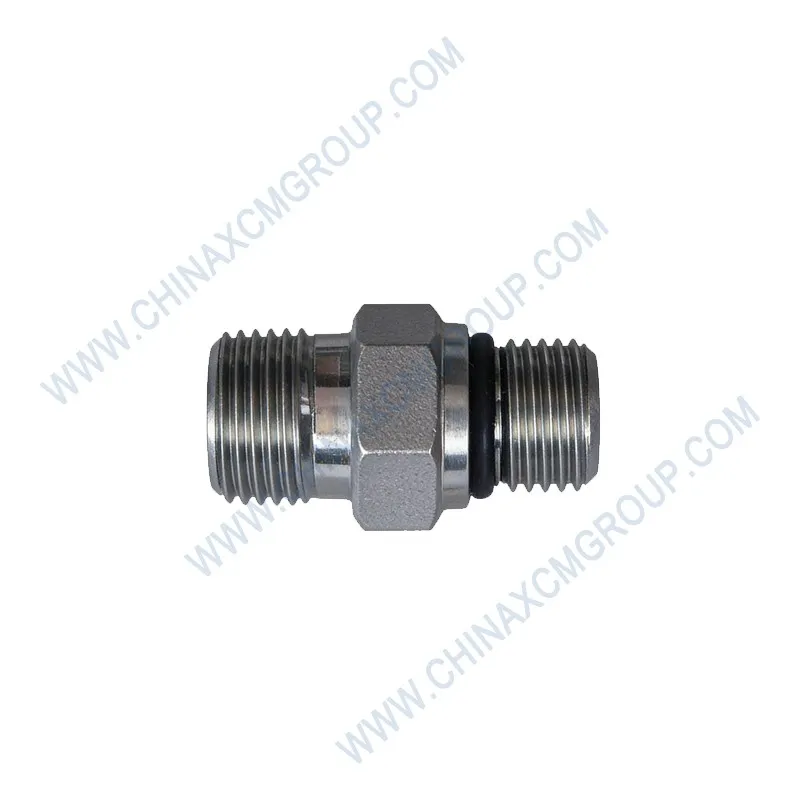
| Fluid Ports | Suction port (φ8 mm hose barb) + vent port (φ6 mm) |
| Operating Temperature Range | -40°C to +85°C (ambient) |
| Fluid Compatibility | 32.5% Aqueous Urea Solution (AdBlue / DEF / AUS 32) |
| Standards Compliance | ISO 22241-1, ISO 16750, IATF 16949:2023 |
| Compatible ADT Models | XCMG XDA30, XDA40, XDA45, XDA45U, XDA60, XDA80, TA30 series |
| Compatible Engines | Mercedes-Benz OM460LA / OM502 / OM471, Yuchai YC6K, Weichai WP13, Cummins QSL |
| Quality Certifications | IATF 16949:2023, ISO 9001:2025, ISO 14001 |
Installation & Maintenance Guide for 40L Urea Tank 800166230
Before installing the new 40L Urea Tank 800166230, relieve pressure from the urea system by running the engine for 60 seconds and then shutting it off, allowing the urea pump to purge. Wear chemical‑resistant gloves and safety glasses, as AdBlue can cause skin irritation. Ensure the vehicle is parked on a level surface and the engine is cool (exhaust below 50°C).
Drain any remaining DEF from the old tank into a clean container through the fill port or suction line. Dispose of the fluid according to local environmental regulations (DEF is non‑hazardous but should not be poured onto the ground). Remove the electrical connector from the multifunction head unit by depressing the locking tab and pulling straight out. Disconnect the suction line from the tank port, and remove the vent line if present.
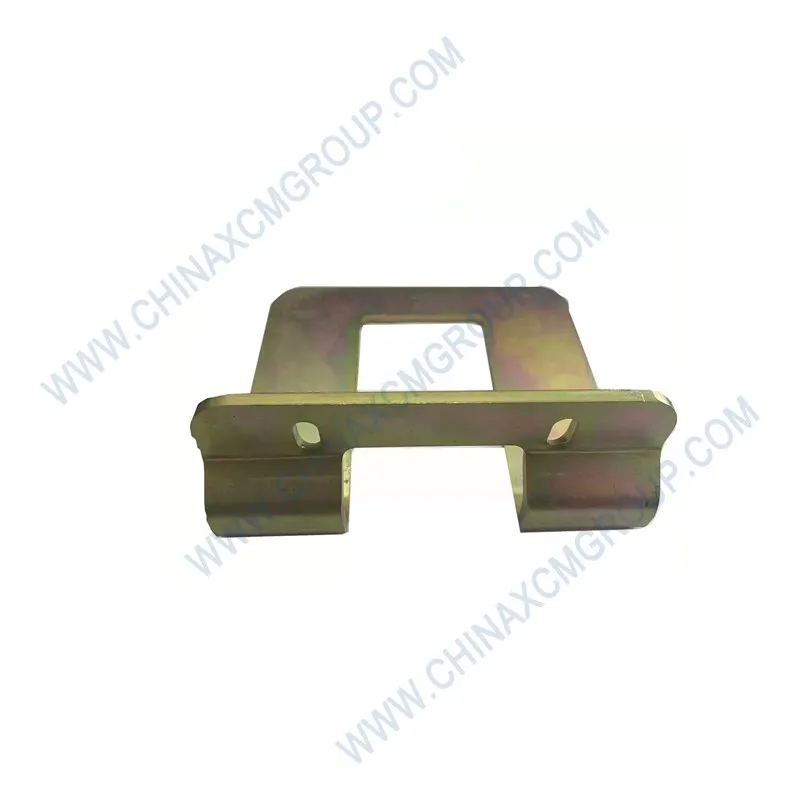
Remove the bolts securing the tank to the chassis bracket. Using a hoist or second person for support (the tank weighs approximately 5 kg empty, 45 kg full), lower the tank and remove it from the vehicle. Transfer the mounting bracket, if separate, to the new tank, ensuring alignment of the bolt holes. Install the new 800166230 tank onto the chassis bracket, hand‑tightening the bolts before torquing to 20–25 Nm for M8 bolts or 40–50 Nm for M10 bolts.
Reconnect the suction and vent lines, ensuring the connections are seated fully and the clips or hose clamps are tightened to 2–3 Nm. Connect the electrical harness to the multifunction head unit, pushing until an audible click confirms full seating. The connector should be clean and dry; apply dielectric grease to prevent moisture ingress if operating in high‑humidity environments.
After installation, refill the tank with fresh, ISO 22241‑compliant AdBlue solution. Do not overfill — leave at least 5% air gap for thermal expansion. Start the engine and allow the SCR system to perform a priming cycle (2–3 minutes). Use a diagnostic scanner to verify that the level sensor reads correctly, the temperature sensor is within range, and no fluid leak is present at any connection.
Inspect the urea tank and its components during every scheduled service interval (500 hours). Check for cracks in the HDPE material (especially near mounting bosses), signs of DEF leakage (white crystalline residue), and corrosion on electrical connections. Verify that the heater draws the correct current (≤20A at 12V, ≤10A at 24V) using a clamp‑on ammeter. Replace the tank if any cracks are found, as HDPE cannot be reliably repaired in the field.
Common Failure Symptoms & Diagnostic Trouble Codes
The most visible symptom of a failing urea tank is the accumulation of white crystalline residue around the tank, the multifunction head seal, or the filler cap. This indicates a DEF leak, which can be caused by a cracked tank, a failed O‑ring, or a loose connection. Even a small leak will lead to DEF contamination of the environment, trigger low‑level warnings, and eventually cause the ECU to derate engine power.
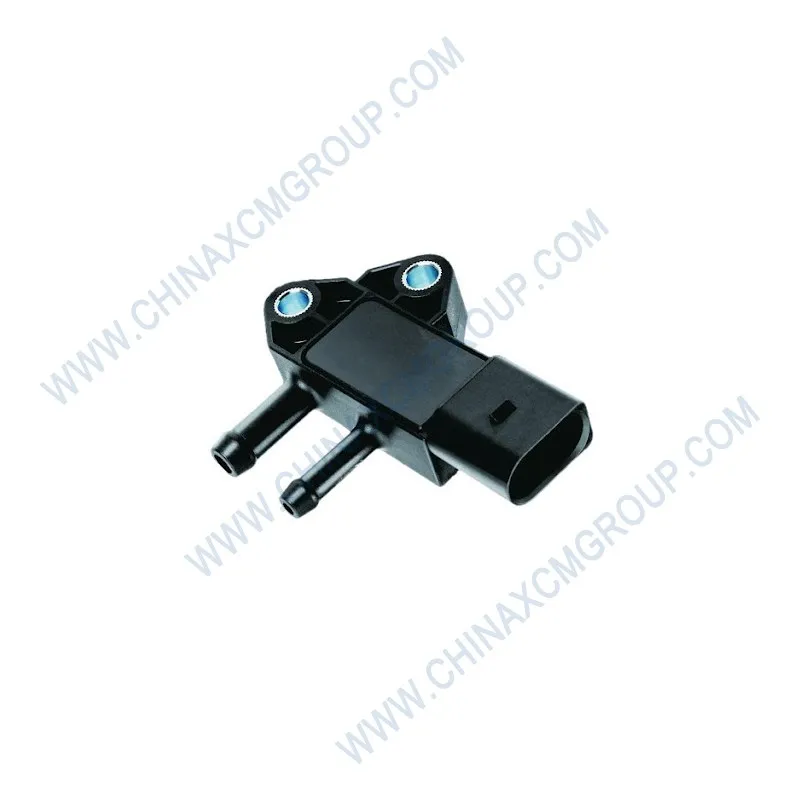
If the level sensor fails, the dashboard gauge will show an inaccurate reading (stuck at zero or always full) and the ECU may log diagnostic trouble codes such as P203B (reductant level sensor circuit malfunction) or P205B (reductant tank temperature sensor circuit range/performance). An inaccurate level sensor can lead to unexpected DEF depletion and sudden engine derate, causing unplanned downtime and production losses.
A failed heater element will cause the DEF to freeze in cold weather, preventing the SCR system from operating and triggering codes P20E8 (reductant pressure too high) or P204F (reductant system performance). The ECU may log a P1B00 code specific to the heater circuit. The vehicle may still operate, but NOx emissions will exceed legal limits, and the vehicle may be subject to fines or operating restrictions in regulated mining jurisdictions.
Contaminated DEF, often indicated by visible particles or discoloration in the tank, will cause the dosing pump to clog and the injector nozzle to stick, triggering codes P204D (reductant injection valve circuit low input) and P20E2 (reductant pump control performance). This condition requires immediate tank cleaning or replacement, as flushing the system may not remove all contaminants. The cause of contamination should be investigated — typically, filling from an unclean source (dirty nozzle or container) or using non‑ISO 22241‑compliant AdBlue.
Why Genuine XCMG 40L Urea Tank 800166230 Outperforms Aftermarket Alternatives
Aftermarket urea tanks are often made from generic polyethylene that lacks the correct UV stabilizers or uses recycled material with inconsistent properties, leading to premature cracking and stress failure, especially at mounting bosses. Genuine XCMG 800166230 uses virgin HDPE with proprietary UV and impact modifiers, ensuring consistent material properties and a design life exceeding 15,000 operating hours.
The multifunction head unit on aftermarket tanks often uses substandard electrical components, including heaters that draw incorrect current (leading to blown fuses or insufficient thawing) and level sensors with ±10% accuracy, causing false low‑level warnings or unexpected derates. The genuine head unit is 100% tested for heater performance, level sensor linearity, and temperature sensor accuracy, and the connector interface is keyed to prevent reverse installation — a common problem with aftermarket units that can damage the ECU.
Aftermarket tanks frequently use O‑rings and seals made from NBR or standard nitrile, which degrade when exposed to urea, swelling and leaking within 1,000–2,000 hours. Genuine XCMG seals are manufactured from EPDM or FKM, which are specifically formulated to resist urea and provide a leak‑free seal for the life of the tank (15,000 hours). The material also maintains its elasticity from -40°C to +125°C, ensuring the seal does not harden or crack in extreme temperatures.
A fleet study of 30 XCMG articulated dump trucks over 24 months showed that using genuine OEM urea tanks reduced SCR‑related fault codes by 85% compared to aftermarket tanks. Each false fault caused by a poor‑quality tank (leak, sensor error, heater failure) previously resulted in an average of 3 hours of diagnostic time and repair downtime, costing approximately $750 per event in lost production and technician wages. Over a 30‑truck fleet, the genuine tanks saved an estimated $45,000 annually in avoided downtime and reduced component replacements.
Genuine XCMG urea tanks also come with full traceability and conformance certificates, allowing fleet maintenance teams to verify authenticity through official XCMG channels and track installation dates across multiple vehicles. Aftermarket tanks lack such documentation, making it impossible to confirm their suitability for critical emissions applications. For mining operations with ISO 9001 quality management systems, using genuine OEM parts is often mandatory to maintain compliance and audit trails.
Advanced Manufacturing & Quality Control Processes
Each 800166230 tank is blow‑molded using a multi‑parison process that ensures uniform wall thickness (±0.5 mm) and eliminates weld lines that could become stress risers. The molding is performed in a temperature‑controlled cleanroom environment to prevent contamination of the interior surface. Each tank is 100% leak‑tested at 0.5 bar for 10 minutes, with a helium mass spectrometer used to detect leaks as small as 10⁻⁶ mbar·L/s.
The multifunction head unit is assembled in a Class 6 cleanroom, with all electrical components (heater, level sensor, temperature sensor, connector) tested in‑process. The heater is subjected to a 168‑hour burn‑in at rated voltage, and the level sensor is calibrated across the full 0–100% range using precision test fluids. The assembled head unit is then pressure‑tested to 1.0 bar for 30 minutes before being welded to the tank using a hot‑plate welding process.
Random samples from each production batch are subjected to accelerated aging tests: 1,000 hours of UV exposure (QUV testing), 500 hours of salt spray per ASTM B117, 500 thermal cycles from -40°C to +85°C, and 500 hours of vibration at 5G per ISO 16750‑3. Only batches meeting all criteria are released to inventory. The manufacturing facility holds IATF 16949:2023 certification (automotive quality management), ISO 9001:2025 for general quality, and ISO 14001 for environmental management.
Cost Avoidance & Operational Efficiency Benefits
A fleet study of 35 XCMG XDA‑series articulated dump trucks operating in Australian iron ore mines over 24 months demonstrated that using genuine OEM urea tanks reduced SCR‑related fault codes by 85% compared to aftermarket tanks. Each false fault caused by a poor‑quality tank (leak, sensor error, heater failure) previously resulted in an average of 3 hours of diagnostic time and repair downtime, costing approximately $750 per event in lost production and technician wages.
Over the 35‑truck fleet, the genuine tanks prevented an estimated 20 fault events per year, resulting in total annual avoided costs of approximately $52,500. In addition, the genuine tanks reduced the frequency of DEF system cleaning and component replacement, saving an estimated 150 maintenance man‑hours per year, valued at $6,000. The elimination of DEF leaks also prevented environmental contamination incidents, avoiding potential fines of up to $10,000 per event.
The accurate level sensing and reliable heater operation of the 800166230 tank also contributed to reduced AdBlue consumption. Proper dosing enabled by accurate level feedback reduced over‑dosing of DEF, saving an estimated 200 liters of AdBlue per truck per year, valued at $500 per truck. For a 35‑truck fleet, this yields an additional $17,500 in annual savings.
The total annual cost avoidance from using genuine XCMG 800166230 40L urea tanks exceeds $76,000 for a 35‑truck fleet, demonstrating that this component provides a substantial return on investment when genuine OEM quality is maintained. Fleet managers who standardize on genuine XCMG parts report fewer unplanned breakdowns, more predictable maintenance schedules, and lower total cost of ownership.
Genuine XCMG OEM 800166230 40L Urea Tank — Precision‑blow‑molded from UV‑stabilized HDPE, laboratory‑tested for leak‑free integrity and material compatibility, and equipped with a multifunction head unit featuring heater, level sensor, and temperature sensor for full SCR system integration. Engineered for XCMG articulated dump trucks operating in extreme mining environments, this tank delivers reliable DEF storage, accurate fluid level monitoring, and dependable cold‑weather performance. Keep your fleet emission‑compliant and productive with genuine XCMG quality.