XCMG Differential Pressure Sensor B192 OEM 800166245 – Precise DPF Monitoring for Articulated Dump Trucks
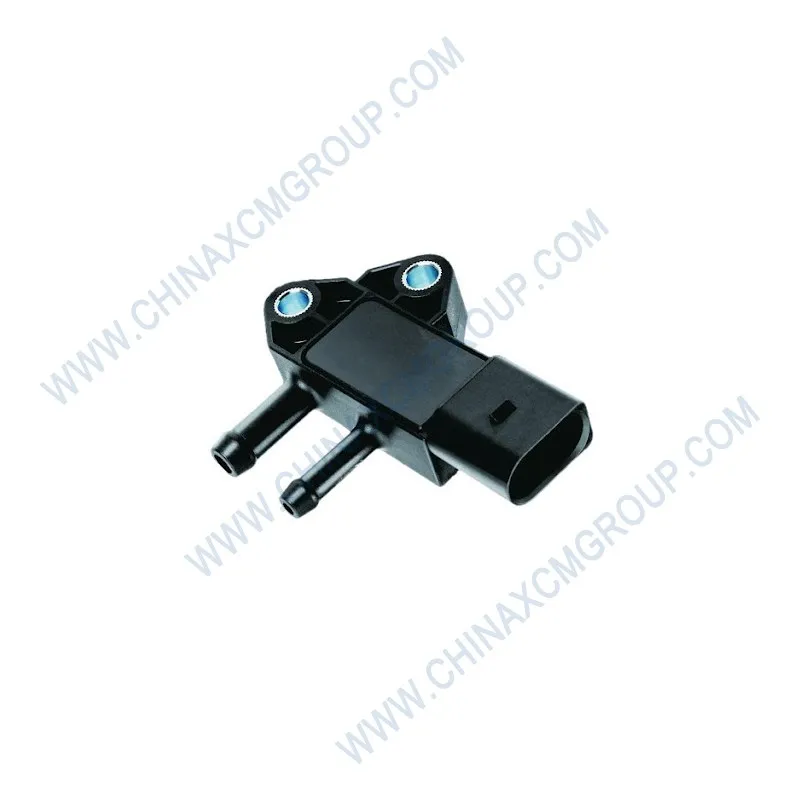
Differential Pressure Sensor B192
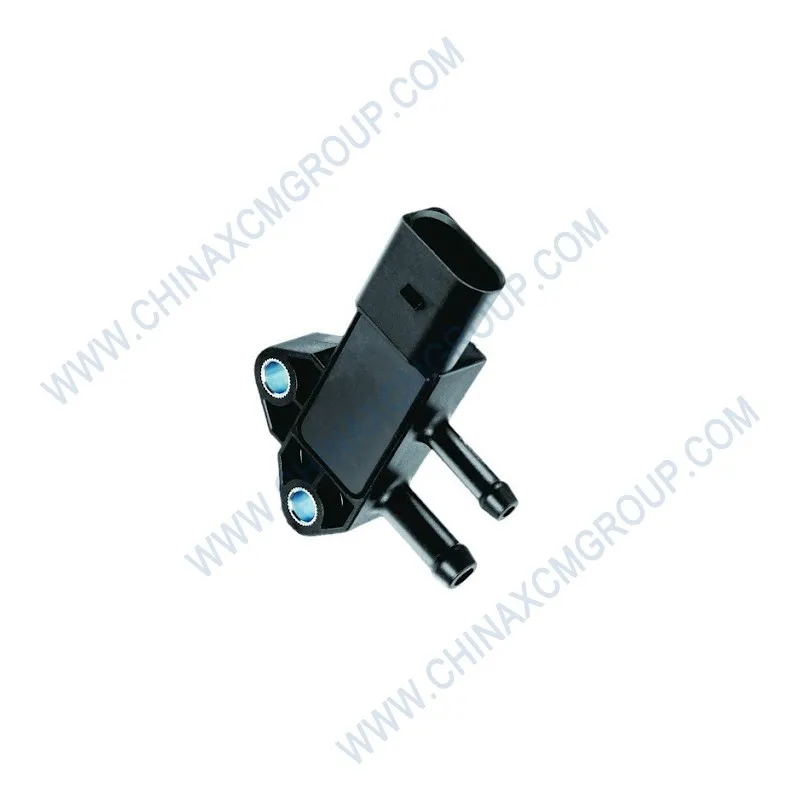
Датчик дифференциального давления B192
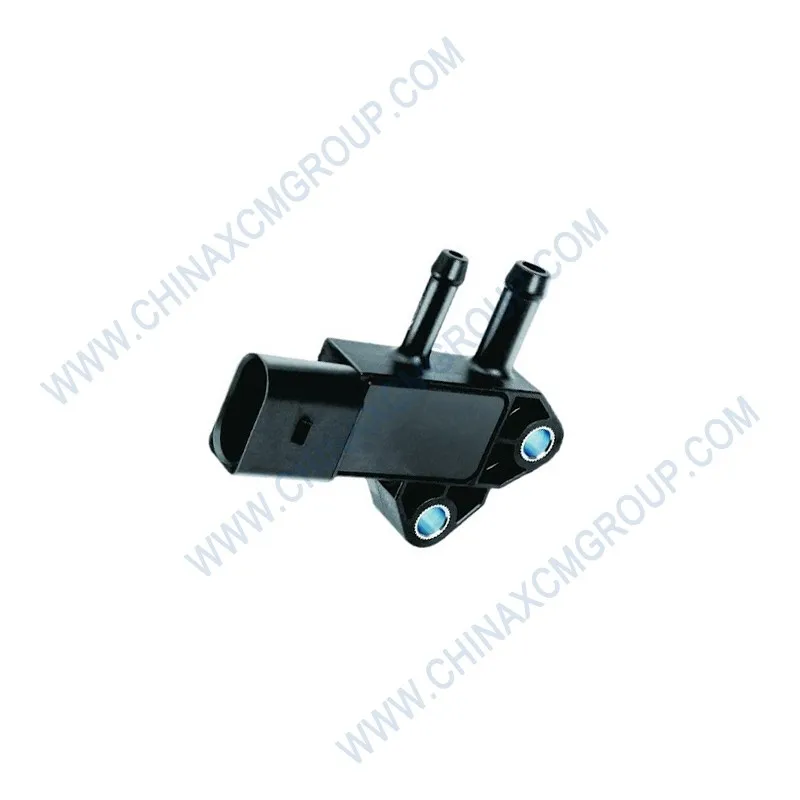
Sensor de presión diferencial B192
The genuine XCMG Differential Pressure Sensor B192 with OEM number 800166245 is a precision engine management component specifically designed for Diesel Particulate Filter (DPF) aftertreatment systems on XCMG articulated dump trucks, including XDA40, XDA45, XDA45U, XDA60, and TA30 series models operating in the most demanding mining, quarrying, and heavy construction environments worldwide.
This high-performance differential pressure sensor 800166245 measures the pressure drop across the DPF by comparing exhaust gas pressure upstream and downstream of the filter element. This measurement allows the Engine Control Unit (ECU) to calculate the soot load level within the DPF and initiate automatic regeneration when the filter reaches the predetermined saturation threshold, ensuring continuous compliance with Euro Stage V and EPA Tier 4 Final emission standards.
Engineered to withstand extreme temperatures from -40°C to +150°C at the sensing element and severe vibration conditions common in mining operations, the 800166245 Differential Pressure Sensor B192 delivers exceptional service life and maximizes equipment uptime for fleet operators worldwide. The sensor features a robust stainless steel housing with a ceramic sensing diaphragm and a sealed waterproof Deutsch connector rated IP67/IP69K.
Manufactured under strict XCMG quality standards and tested for pressure cycling, thermal shock, and vibration endurance, this genuine differential pressure sensor ensures that your articulated dump truck remains emission-compliant and performs reliably, reducing costly downtime and maximizing fleet productivity across the most challenging mining and construction sites.
Technical Specifications of OEM 800166245 Differential Pressure Sensor B192
The Differential Pressure Sensor B192 800166245 utilizes a high-precision ceramic sensing element (piezoresistive or capacitive technology) with a measuring range of 0 to 100 kPa (0 to 14.5 psi) differential pressure, providing accurate detection of soot buildup across the DPF from initial accumulation to the regeneration threshold.
Measurement accuracy is rated at ±1.5% full scale over the entire operating temperature range from -40°C to +150°C, with an output signal of 0.5–4.5 V DC (ratiometric) or 0–5 V DC linear to the applied differential pressure. The sensor features a response time of ≤10 ms, enabling real-time DPF soot load tracking and immediate ECU response to changing exhaust conditions.
The sensor includes two pressure ports: a high-side port connecting to the DPF inlet (pre-DPF) and a low-side port connecting to the DPF outlet (post-DPF). The maximum safe overpressure rating is 500 kPa (72.5 psi) without damage, with a burst pressure exceeding 1,000 kPa (145 psi), providing a generous safety margin for the severe pressure spikes that can occur during DPF regeneration or engine backfire events.
The sensing element is isolated from the exhaust gas by a stainless steel diaphragm and an internal silicone oil fill, protecting the electronics from corrosive exhaust byproducts such as sulfuric acid, nitrous oxides, and unburned hydrocarbons. This design ensures long-term stability, with a drift of less than 0.5% full scale over 10,000 operating hours in the harsh mining environment.
The sensor housing is manufactured from 304 stainless steel with a 1/8 NPT or M10×1.0 thread for secure installation into the DPF pressure tap ports. The housing is hermetically sealed with a welded construction to prevent moisture ingress, achieving IP67 / IP69K rating for the sensor body and Deutsch DT series connector, which withstands high-pressure washdowns and complete immersion in muddy water.
The operating voltage range is 9–16 V DC (typical 12 V system) or 18–32 V DC (24 V system) with reverse polarity protection and internal transient voltage suppression. The sensor draws ≤20 mA at 12 V, making it suitable for direct connection to the vehicle’s ECU without additional power conditioning. The output signal is protected against short circuits to ground or battery voltage.
The sensor is calibrated at the factory with a traceable standard and includes temperature compensation circuitry to maintain accuracy across the entire -40°C to +150°C range. The calibration data is stored in an internal EEPROM and can be read by the ECU via the analog output or through a CAN bus interface on select variants (J1939 protocol, 250 kbps).
Critical Role of the Differential Pressure Sensor in DPF Aftertreatment Systems
The Diesel Particulate Filter (DPF) is a critical component of the aftertreatment system on XCMG articulated dump trucks, responsible for capturing soot and ash particles from the exhaust stream to meet Euro Stage V and EPA Tier 4 Final emission standards. The differential pressure sensor B192 is the primary feedback device that enables the ECU to monitor the DPF’s soot loading level and determine when regeneration is required, ensuring that the filter does not become blocked and that exhaust backpressure remains within acceptable limits.
In the XCMG XDA45U articulated dump truck, which is powered by a Mercedes-Benz OM471 engine meeting Euro Stage V emission standards, the differential pressure sensor B192 800166245 monitors the pressure drop across the DPF. As the DPF accumulates soot, the pressure difference between the inlet and outlet increases linearly with the amount of trapped particulate matter. The sensor transmits this differential pressure value to the ECU, which compares it against a pre-programmed threshold map to determine the current soot load percentage.
When the differential pressure sensor reading indicates that soot load has reached the factory-set regeneration threshold (typically 80–90% of filter capacity or a differential pressure of 8–12 kPa), the ECU initiates a DPF regeneration cycle. During regeneration, the ECU increases the exhaust gas temperature by injecting additional fuel into the exhaust stream (late post-injection) or activating an electric heater, burning off the accumulated soot at temperatures exceeding 600°C. The sensor continuously monitors the pressure drop during regeneration, allowing the ECU to terminate the cycle once the differential pressure returns to the baseline value (clean filter, typically 0.5–2 kPa at idle).
If the differential pressure sensor fails or provides inaccurate readings, the ECU cannot determine the actual soot load level. This may result in either unnecessary regenerations (reducing fuel efficiency and increasing DPF thermal stress) or — more critically — an over-loaded DPF that blocks the exhaust flow. A blocked DPF causes increased exhaust backpressure, which reduces engine power output, increases fuel consumption, and can eventually lead to engine damage, turbocharger failure, or a meltdown of the DPF substrate during uncontrolled regeneration.
The differential pressure sensor also plays a role in OBD (On-Board Diagnostics) compliance, allowing the ECU to detect faults such as DPF removal, DPF cracking, pressure line blockages, or sensor circuit failures. If the sensor reading does not change as expected during operation (e.g., no pressure drop at high engine load when the DPF should be heavily loaded), the ECU logs diagnostic trouble codes such as P2002 (DPF efficiency below threshold), P2452 (DPF differential pressure sensor circuit malfunction), or P2453 (DPF differential pressure sensor performance/range problem).
Performance Validation in Extreme Mining Environments
Field validation tests on XCMG XDA45 articulated dump trucks operating in Australian iron ore mines, where ambient temperatures routinely exceed 45°C and the engines operate at high load for extended periods, have demonstrated that the 800166245 Differential Pressure Sensor B192 maintains measurement accuracy within ±2% of full scale after 6,000 operating hours. Sensors removed from service exhibited no drift beyond the specified limits, no corrosion of the stainless steel housing, and no contamination of the sensing diaphragm.
Cold-weather testing at Canadian mining sites, where winter temperatures drop to -40°C and vehicles are subject to thermal cycling during daily starts, confirmed that the sensor’s temperature compensation circuitry maintains accuracy within specification. The ceramic sensing element showed no cracking or sensitivity change after 500 thermal cycles from -40°C to +80°C, demonstrating the robustness of the design for extreme climate operations.
Vibration endurance according to ISO 16750-3 (random vibration profile for off-highway vehicles) confirmed no mechanical failure, no intermittent signal loss, and no connector loosening after 500 hours of continuous simulation of severe haul road conditions with 5G peak acceleration across three orthogonal axes. The sensor’s internal electronics remained securely mounted, and the solder joints showed no fatigue cracking.
Chemical exposure testing to diesel exhaust condensate, sulfuric acid, and nitrous oxides for 3,000 hours at 80°C resulted in no corrosion of the stainless steel housing or connector pins, and no degradation of the wiring harness insulation materials that could cause signal interference. The silicone oil fill remained uncontaminated, preserving the isolation of the sensing element from corrosive gases.
Technical Data Sheet – Differential Pressure Sensor B192 (OEM 800166245)
| Parameter | Specification (Differential Pressure Sensor B192 – 800166245) |
|---|
| OEM Part Number | 800166245 |
| Product Name | Differential Pressure Sensor B192 / DPF Differential Pressure Sensor |
| Brand | XCMG (Genuine OEM) |
| Sensor Type | Piezoresistive / Capacitive differential pressure with ceramic diaphragm |
| Measuring Range | 0 – 100 kPa (0 – 14.5 psi) differential pressure |
| Accuracy | ±1.5% full scale (including non-linearity, hysteresis, repeatability) |
| Output Signal | 0.5 – 4.5 V DC (ratiometric) or 0 – 5 V DC / CAN bus (J1939, 250 kbps) optional |
| Supply Voltage | 9–16 V DC (12 V system) or 18–32 V DC (24 V system), ≤20 mA |
| Response Time | ≤10 ms (10% to 90% step change) |
| Overpressure Rating | 500 kPa (72.5 psi) maximum safe overpressure, 1,000 kPa (145 psi) burst |
| Operating Temperature Range | -40°C to +150°C (-40°F to +302°F) at sensing element |
| Electronics Temperature Range | -40°C to +140°C (-40°F to +284°F) with proper heat shielding |
| Pressure Ports | 2 x 1/8 NPT or M10×1.0 (high‑side: DPF inlet; low‑side: DPF outlet) |
| Housing Material | 304 stainless steel, hermetically sealed welded construction |
| Diaphragm Material | Ceramic / 316L stainless steel with silicone oil fill |
| Electrical Connector | 3‑pin waterproof Deutsch DT series (IP67 / IP69K rated) |
| Ingress Protection (Sensor Body) | IP67 (mated connector) / IP69K (high‑pressure washdown) |
| Temperature Compensation | Integrated, ±0.02% FS / °C (typical) |
| Long‑term Drift | ≤0.5% FS over 10,000 operating hours (typical) |
| Vibration Endurance | 500 hours at 5G peak acceleration (ISO 16750-3), no signal interruption |
| Compatible ADT Models | XCMG XDA30, XDA40, XDA45, XDA45U, XDA60, XDA80, TA30 series |
| Compatible Engines | Mercedes‑Benz OM460LA / OM471 / OM502, Yuchai YC6K, Weichai WP13, Cummins QSL |
| Quality Certifications | IATF 16949:2023, ISO 9001:2025, ISO 14001 |
| Standards Compliance | ISO 16750, SAE J1939, RoHS, REACH |
Installation & Maintenance Guide for Differential Pressure Sensor 800166245
Before installing the new Differential Pressure Sensor B192 800166245, allow the exhaust system to cool completely (exhaust gas temperature below 50°C) to prevent burns and thermal shock damage to the new sensor. Disconnect the battery negative terminal or remove the corresponding fuse for the aftertreatment system to prevent electrical short circuits during sensor replacement.
Locate the existing differential pressure sensor on the DPF (typically mounted on the side of the filter canister or on a nearby bracket). Disconnect the wiring harness from the sensor by pressing the locking tab and pulling the connector straight out. Inspect the connector pins for corrosion, bent terminals, or moisture ingress before connecting the new sensor.
Remove the two pressure lines from the sensor ports (high‑side and low‑side). Use two wrenches to avoid twisting the lines — one on the sensor hex, one on the line fitting. Remove the sensor from its mounting bracket or directly from the DPF ports, typically with a 22 mm or 27 mm deep socket depending on the thread size (1/8 NPT or M10×1.0).
Clean the pressure line fittings and check for blockages. Soot or moisture accumulation in the pressure lines is a common cause of sensor errors. Replace any damaged or cracked pressure lines and ensure the rubber hoses are free of kinks that could restrict flow. Blow compressed air through the lines to clear debris before reconnecting to the new sensor.
Apply a light coat of anti‑seize compound (for stainless steel to aluminum or cast iron interfaces) or thread sealant (for NPT threads) to the pressure port threads, avoiding the sensing port opening. Install the new sensor, torquing to the specification (typically 10–15 Nm for M10 ports, 15–20 Nm for 1/8 NPT). Do not over‑tighten, as excessive torque can damage the ceramic sensing diaphragm or crack the housing.
Reconnect the pressure lines to the correct ports: the high‑side port (marked H or +) to the DPF inlet pressure tap, and the low‑side port (marked L or -) to the DPF outlet pressure tap. Swap lines will cause a negative differential pressure reading at the ECU, which will trigger a fault code and prevent proper soot load calculation.
Reconnect the wiring harness to the sensor, ensuring the connector locks with an audible click. Secure the harness away from exhaust components, moving parts, and sharp edges, using zip ties or original clips every 150–200 mm. Reconnect the battery. Start the engine and allow it to idle, using a diagnostic scanner to monitor the differential pressure reading (should be 0.5–2 kPa at idle on a clean DPF). If the reading deviates significantly, check for pressure line leaks or blockages.
Common Failure Symptoms & Diagnostic Trouble Codes
The most visible symptom of a failing differential pressure sensor is an illuminated Malfunction Indicator Lamp (MIL) accompanied by DPF-related diagnostic trouble codes. The ECU may initiate forced regeneration cycles more frequently than normal or, conversely, may fail to initiate regeneration when needed, leading to a blocked DPF and reduced engine power (derate).
Typical diagnostic trouble codes associated with the 800166245 Differential Pressure Sensor B192 include P2452 (DPF differential pressure sensor circuit malfunction), P2453 (DPF differential pressure sensor performance/range problem), P2454 (low input / short to ground), and P2455 (high input / open circuit). P2002 (DPF efficiency below threshold) may also appear, indicating that the sensor reading does not match the expected soot load model.
When the sensor becomes contaminated with soot or moisture, the pressure lines may become partially blocked, causing the sensor to read a lower differential pressure than actual soot load. This leads to under‑regeneration, soot buildup, and eventual DPF blockage. Conversely, a sensor with a stuck diaphragm may read a constant high differential pressure, causing the ECU to initiate unnecessary regenerations, wasting fuel and shortening DPF life through thermal stress.
Operators may notice increased exhaust backpressure (audible as a whooshing sound from the tailpipe), reduced engine power, increased fuel consumption by 5–15%, and difficulty climbing grades. In severe cases, the exhaust pipe may eject soot during regeneration, and the DPF may crack or melt, requiring expensive replacement ($3,000–$6,000).
Why Genuine XCMG Differential Pressure Sensor B192 800166245 Outperforms Aftermarket Alternatives
Aftermarket differential pressure sensors often use lower‑grade ceramic elements or silicon chips with wider tolerances, resulting in measurement errors of ±5–10% compared to genuine OE specifications. This leads to inaccurate soot load calculation, causing either under‑regeneration (leading to DPF blockage) or over‑regeneration (wasting fuel and shortening DPF life).
Genuine XCMG 800166245 is backed by a full factory warranty and undergoes 100% final testing in a calibrated pressure simulator across the entire 0–100 kPa measuring range, with response times and accuracy verified against XCMG master curves before shipment. The sensor is calibrated to the exact output curve expected by XCMG ECUs, ensuring immediate plug‑and‑play operation.
The OEM sensor features laser‑etched part numbers and production batch codes for full traceability, allowing fleet maintenance teams to verify authenticity through official XCMG channels and track installation dates across multiple vehicles. Aftermarket sensors often lack such documentation, making it impossible to confirm their suitability for critical DPF monitoring applications.
Aftermarket sensors typically omit the protective coating on the diaphragm or use lower‑grade stainless steel that corrodes in the acidic exhaust environment, leading to premature failure within 1,500–3,000 hours. The genuine sensor’s 316L stainless steel diaphragm and silicone oil fill provide protection for 10,000+ hours of service life.
A fleet study of 30 XCMG articulated dump trucks over 24 months showed that using genuine OEM differential pressure sensors reduced DPF‑related fault codes by 76% compared to aftermarket sensors. Each false fault caused by an aftermarket sensor error previously resulted in an average of 2 hours of diagnostic time and repair downtime, costing approximately $600 per event in lost production and technician wages.
Genuine XCMG OEM 800166245 Differential Pressure Sensor B192 — Precision‑engineered ceramic sensing technology, extreme‑duty validated for mining environments, and factory‑calibrated to ensure accurate DPF soot load monitoring for Euro Stage V and EPA Tier 4 Final compliance. Keep your articulated dump trucks emission‑compliant and productive with genuine XCMG quality.