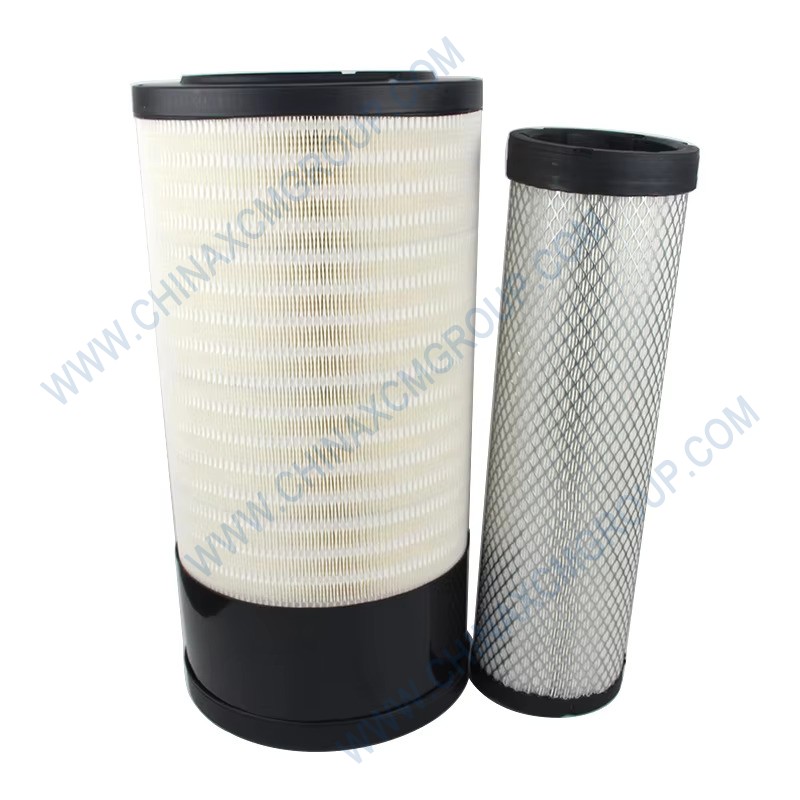
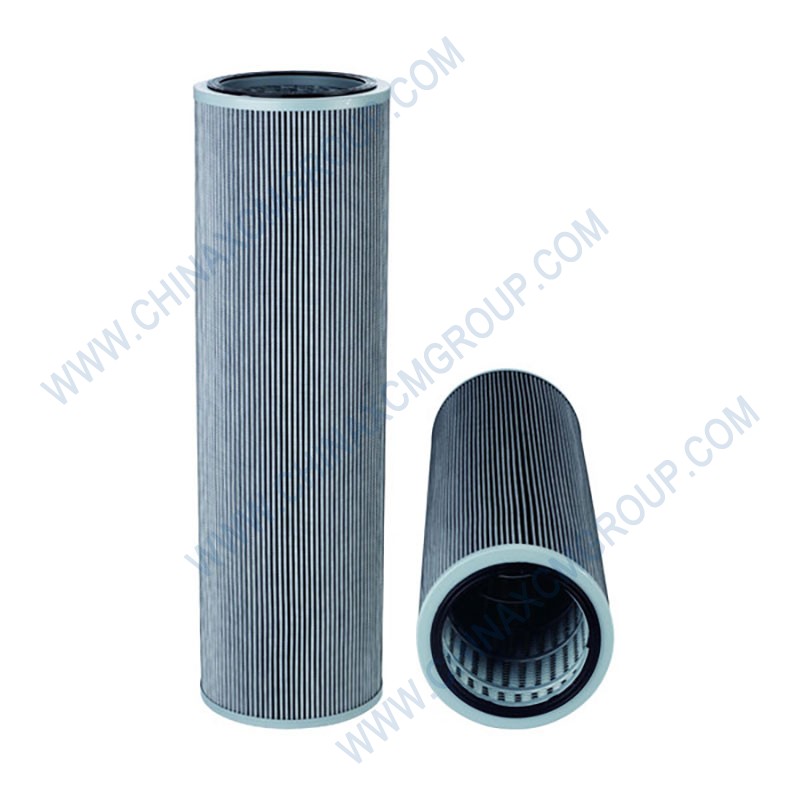
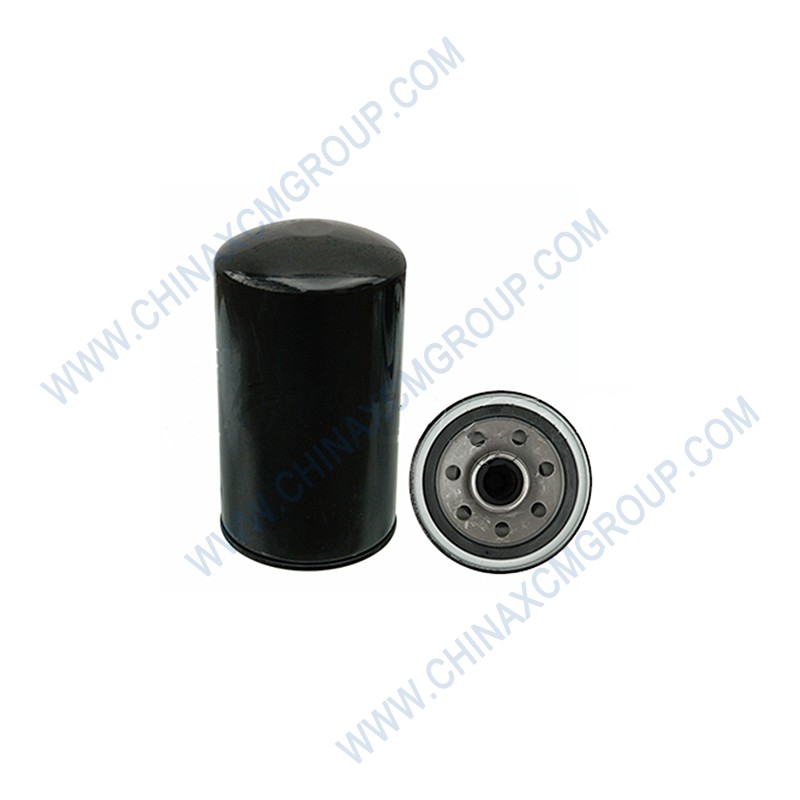
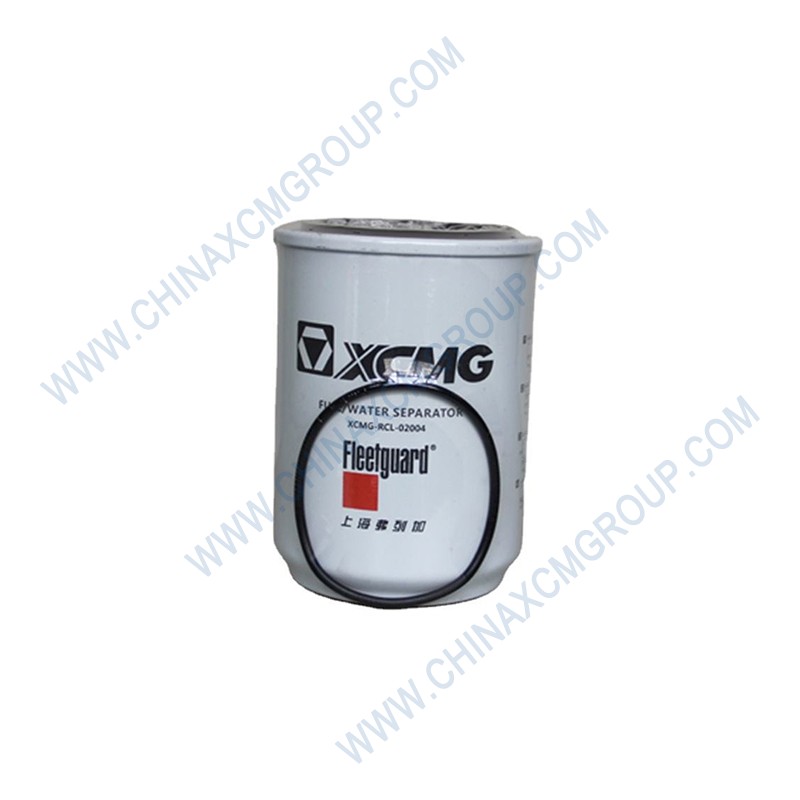
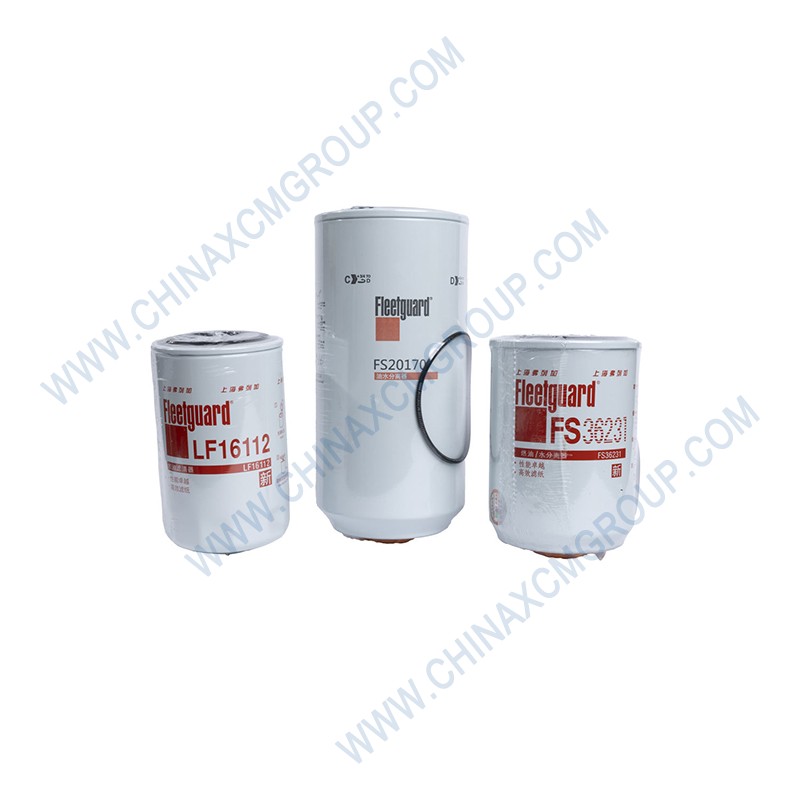
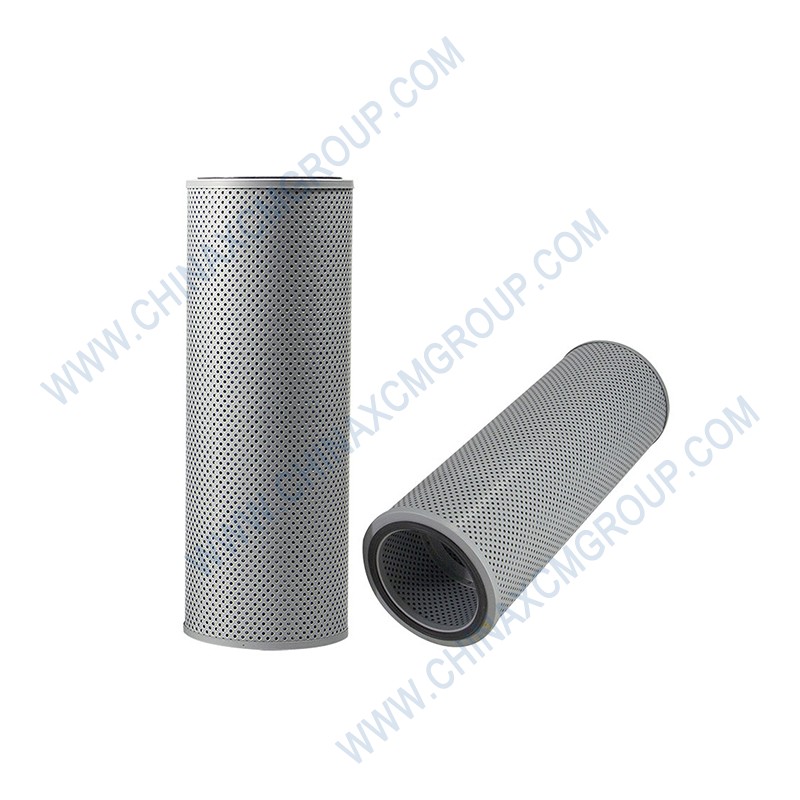
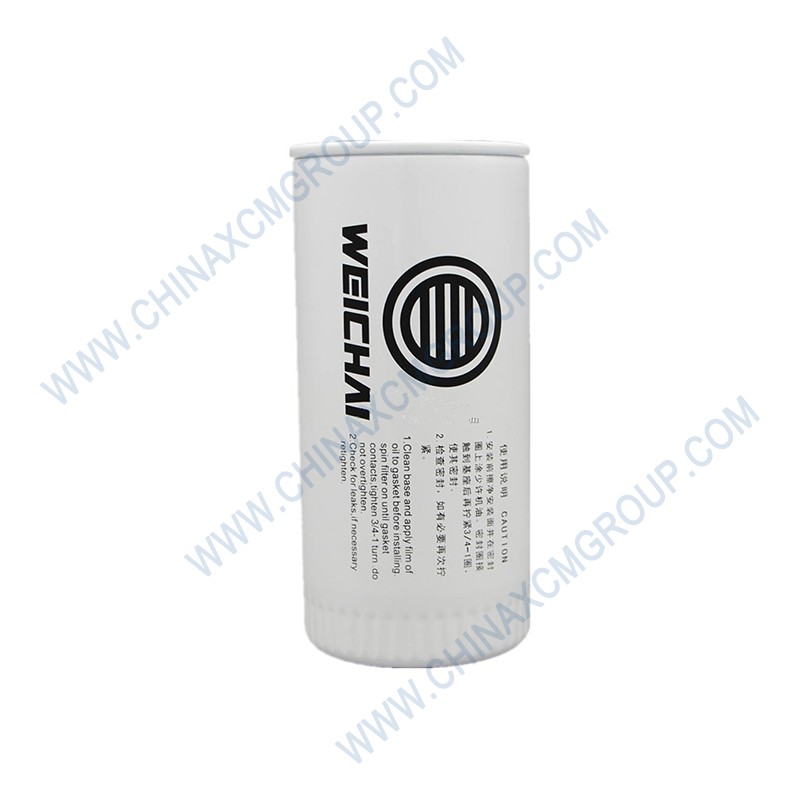
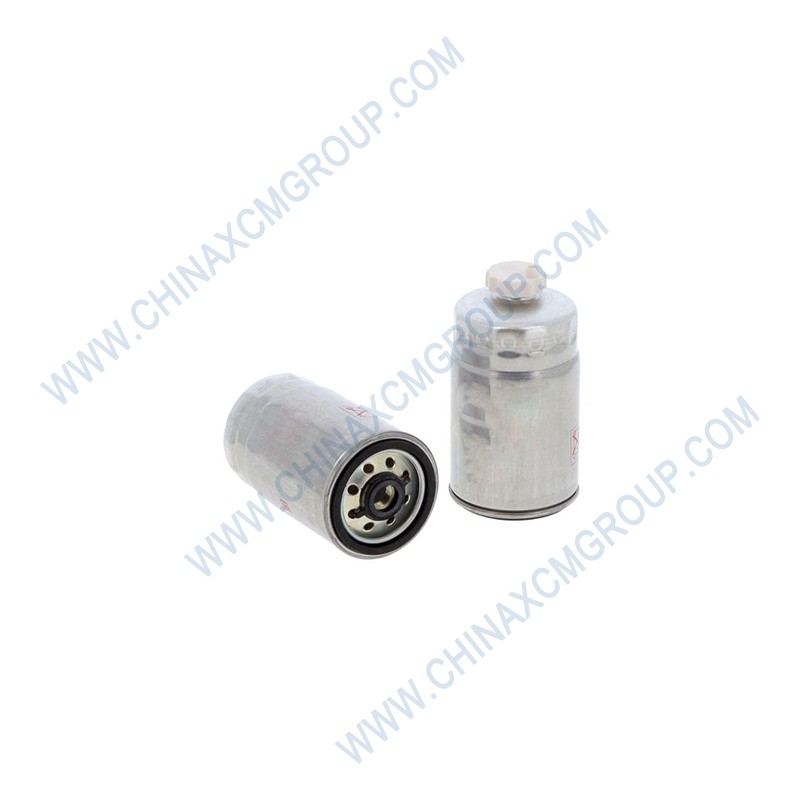
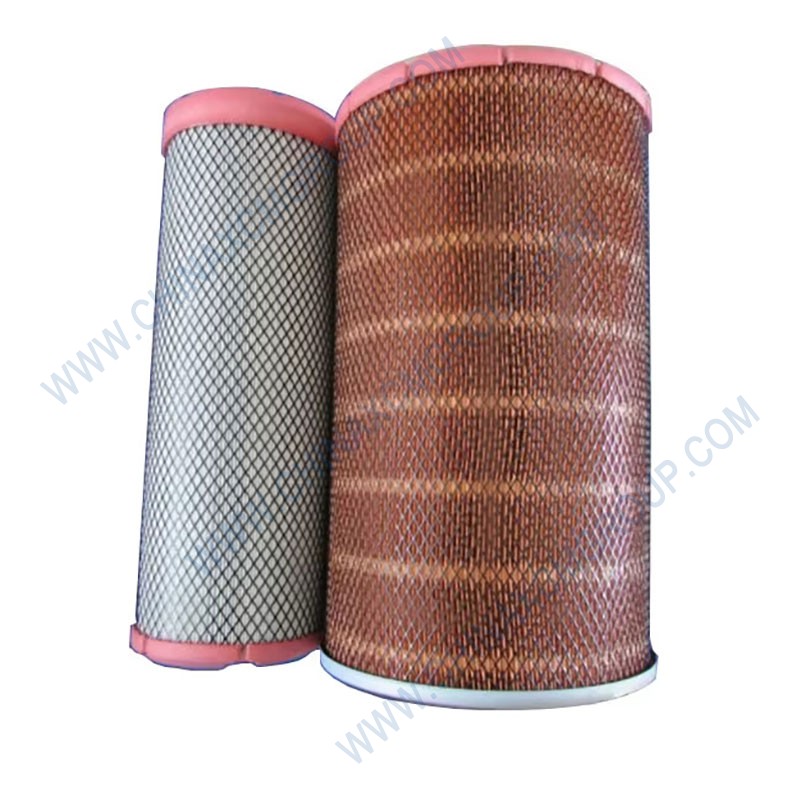
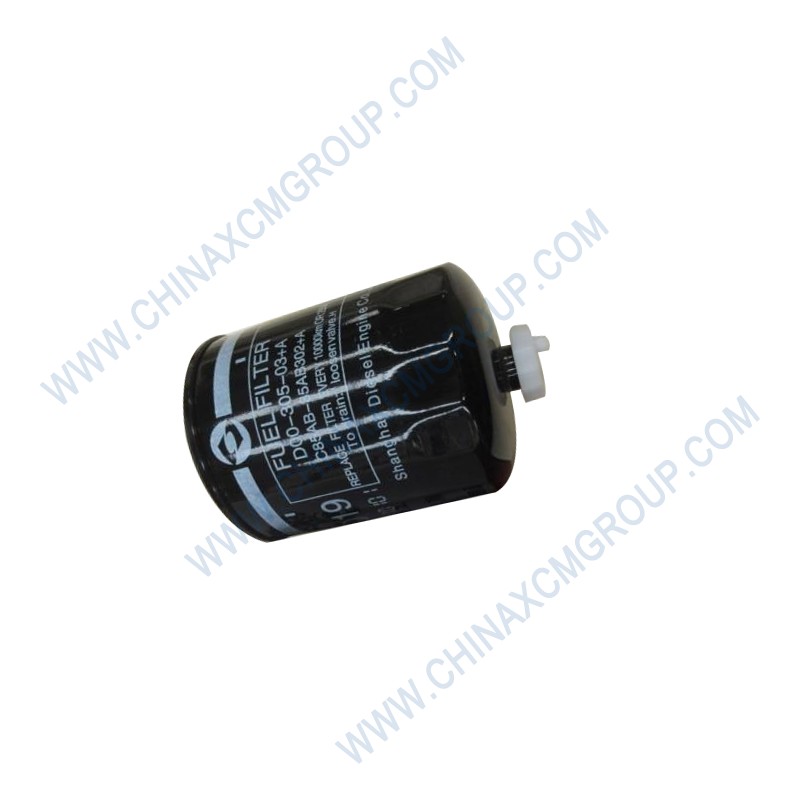
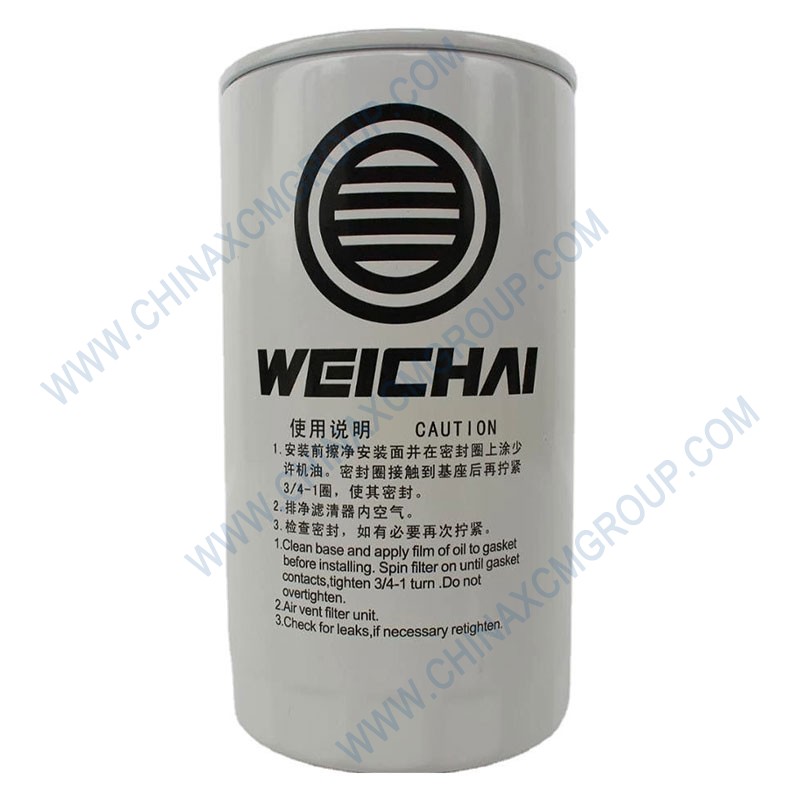
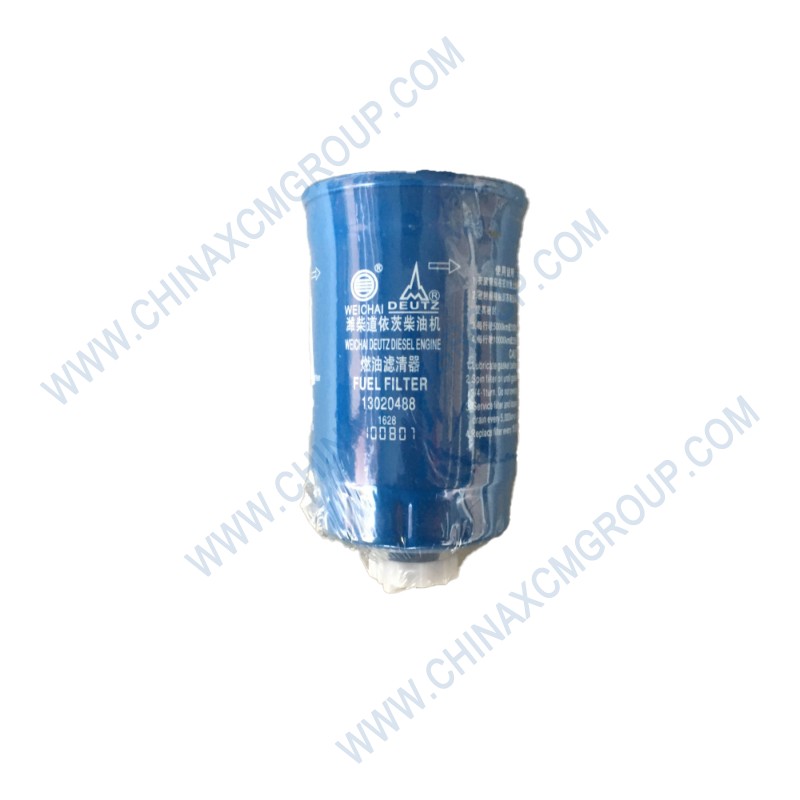
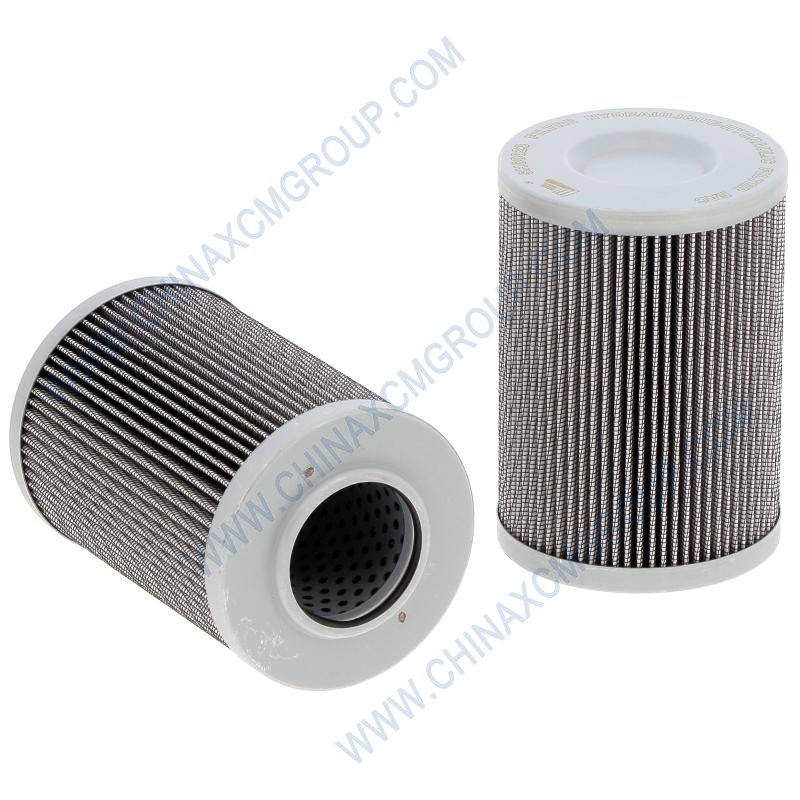
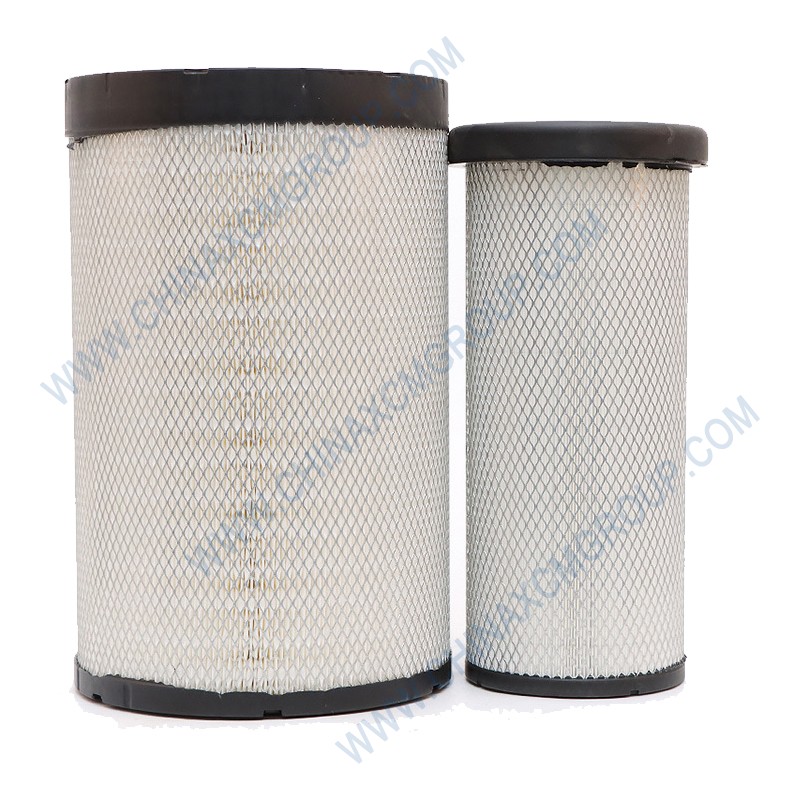
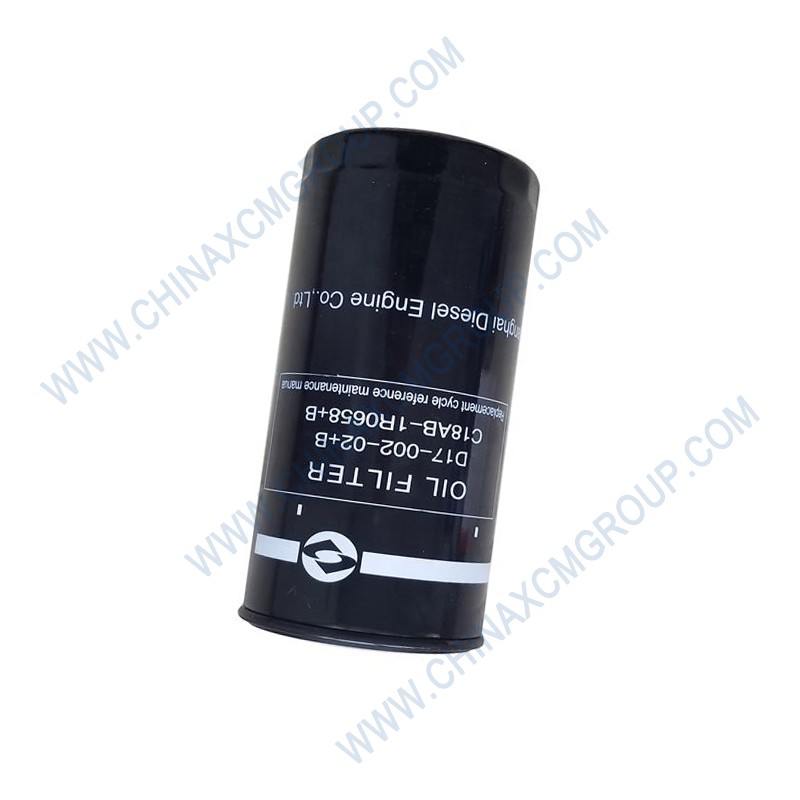
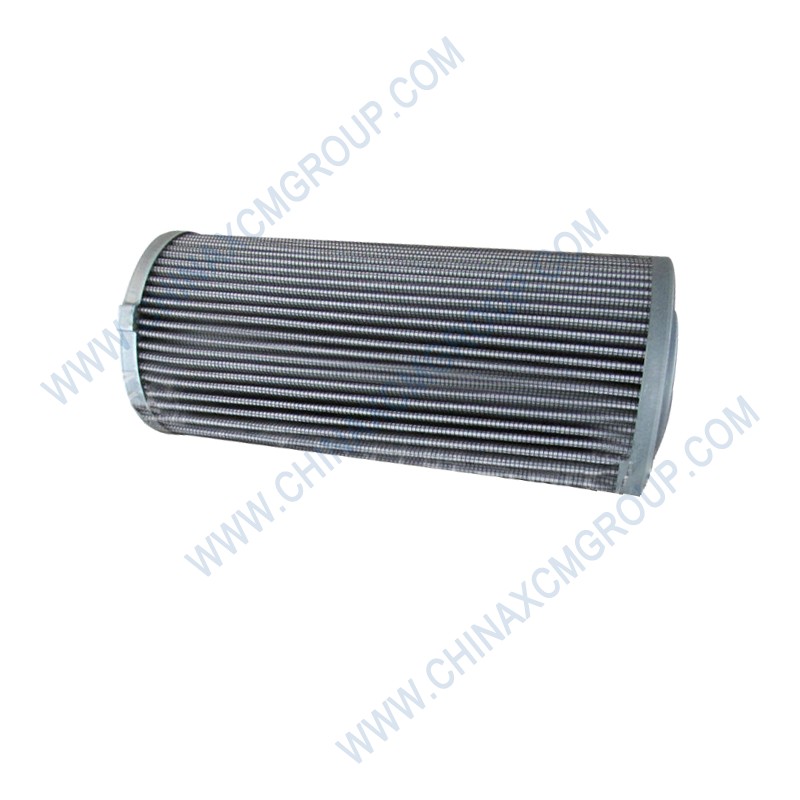
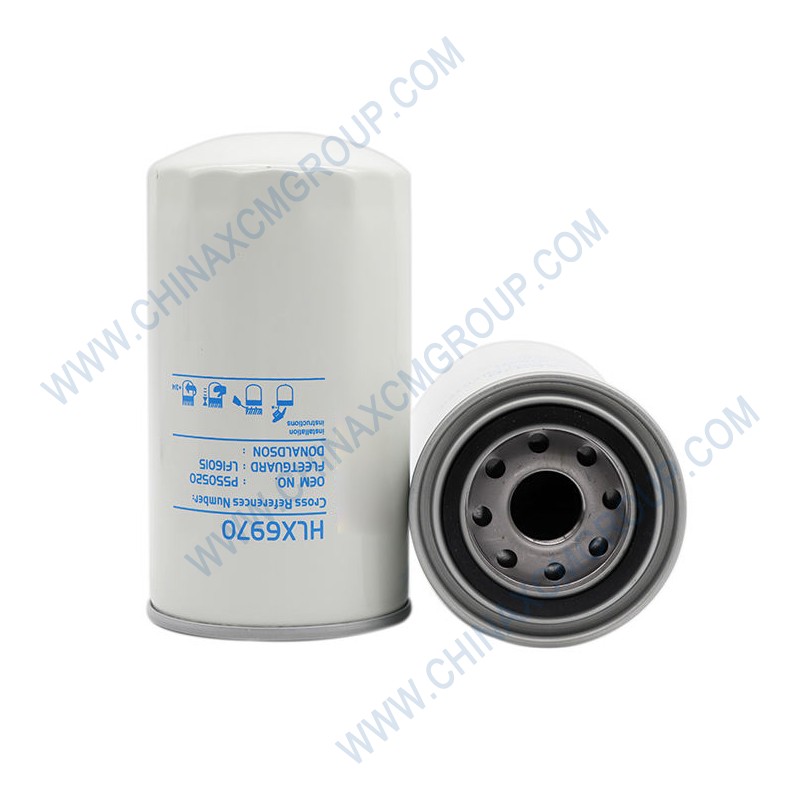
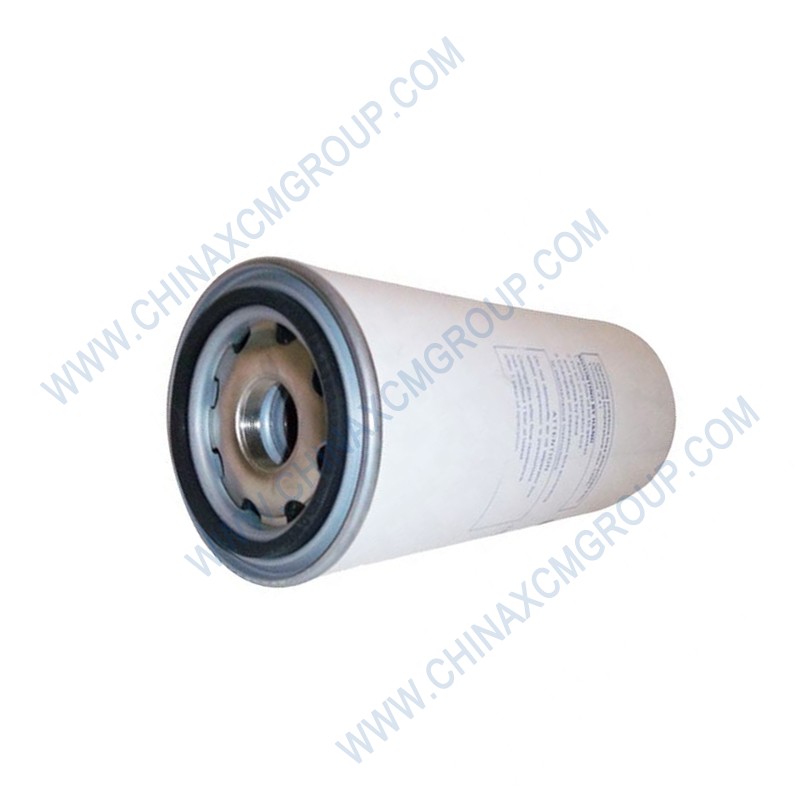
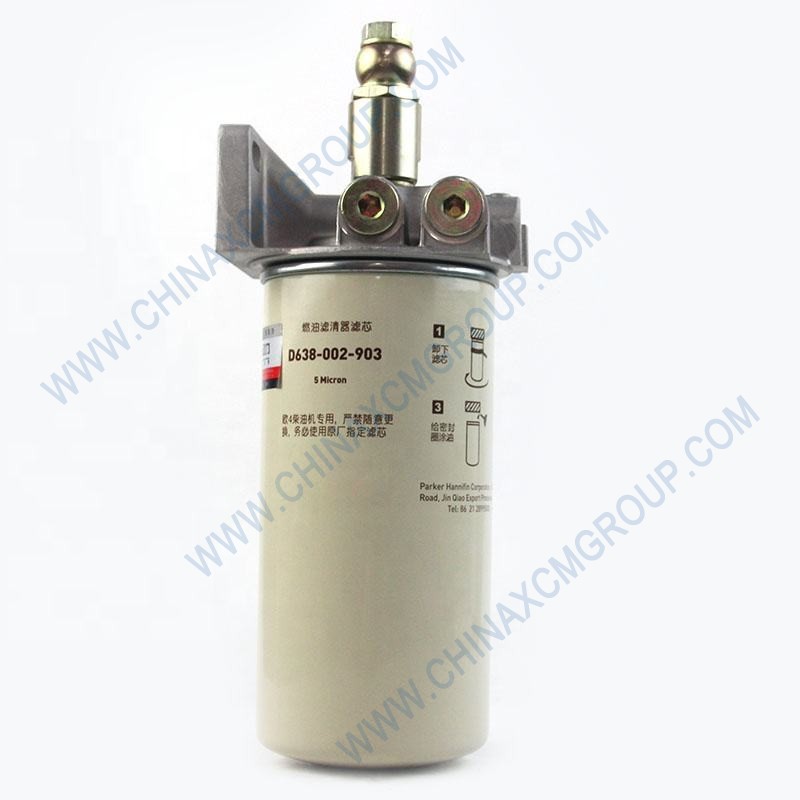
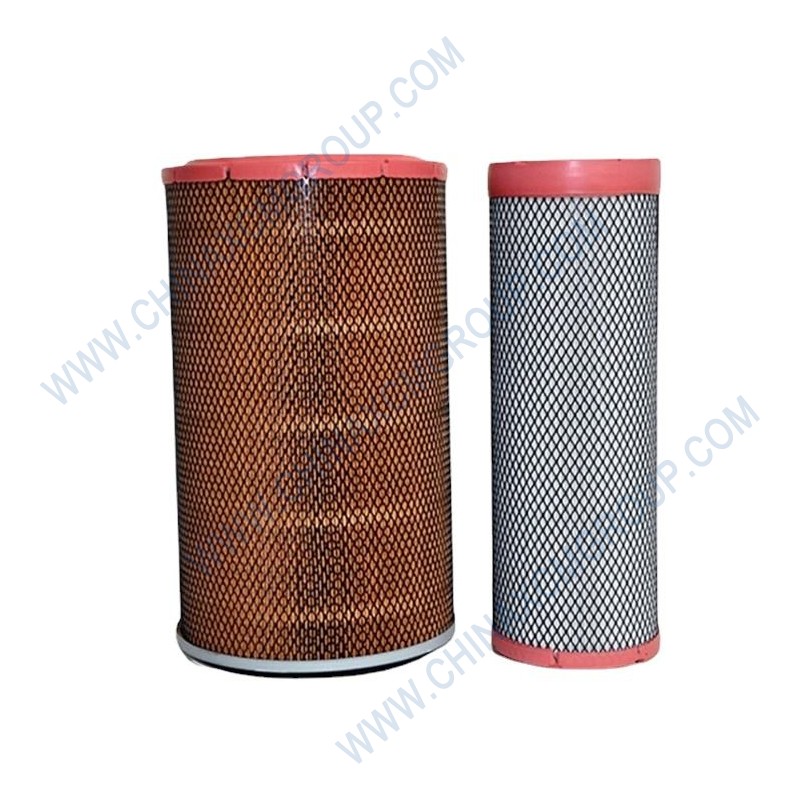
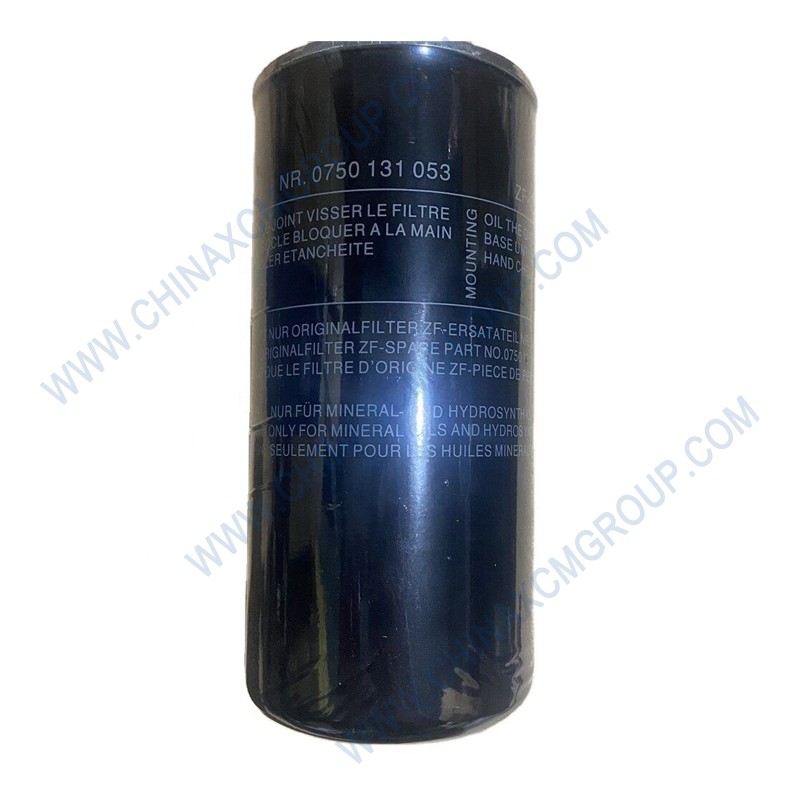
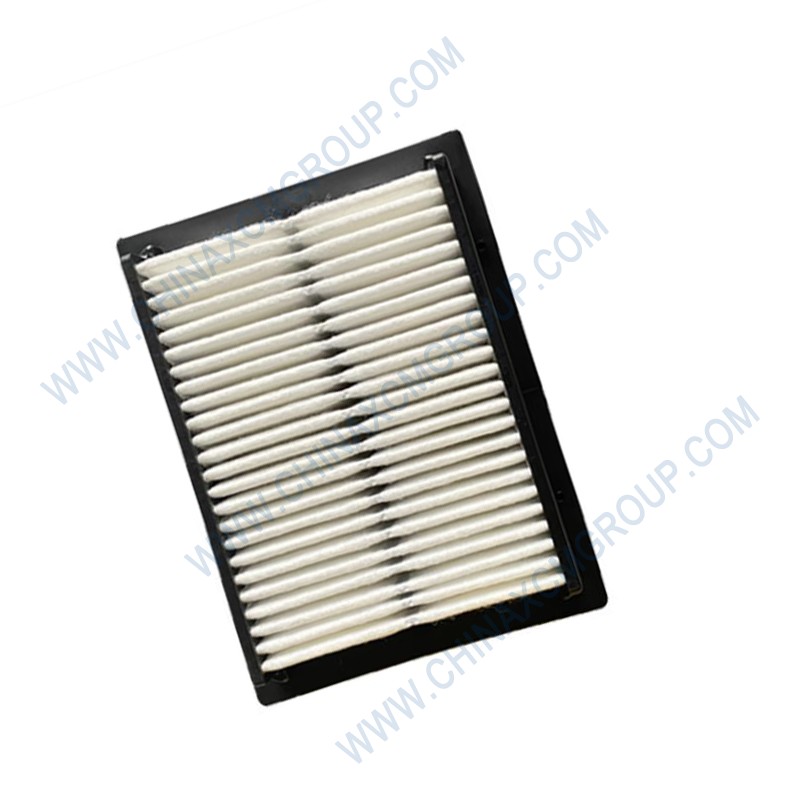
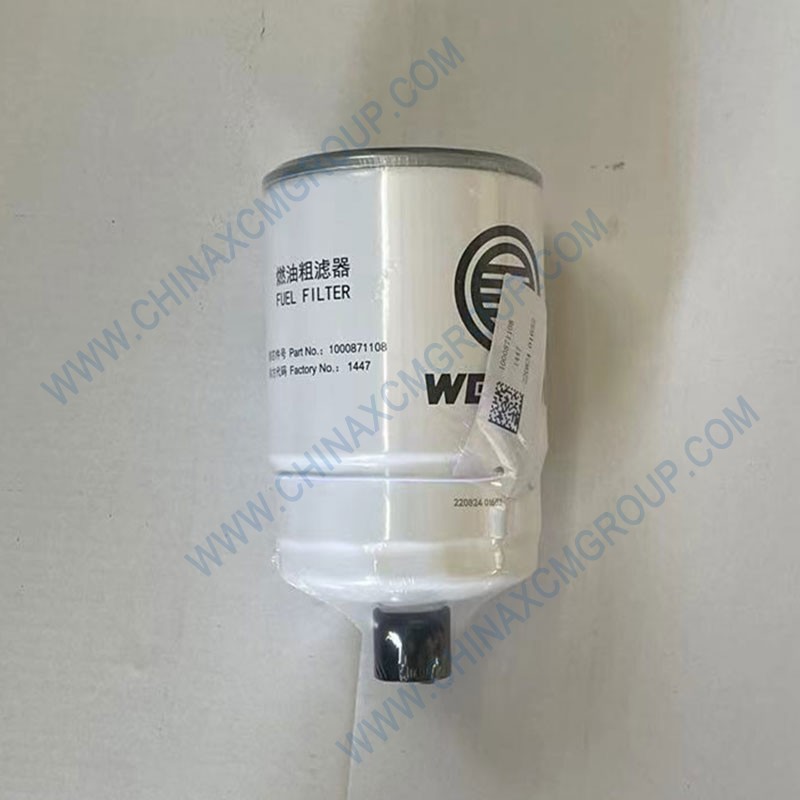
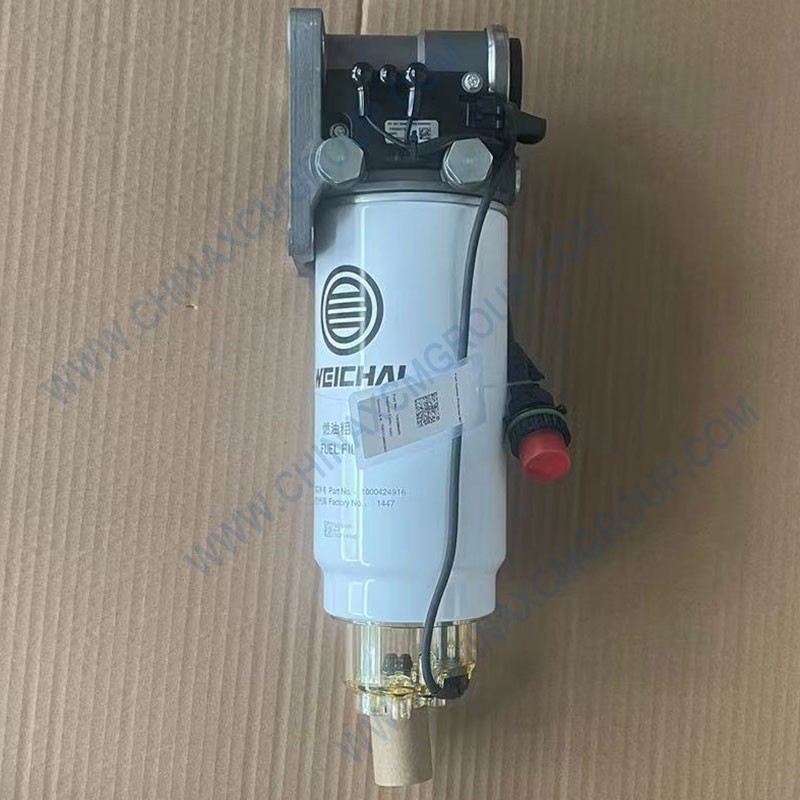
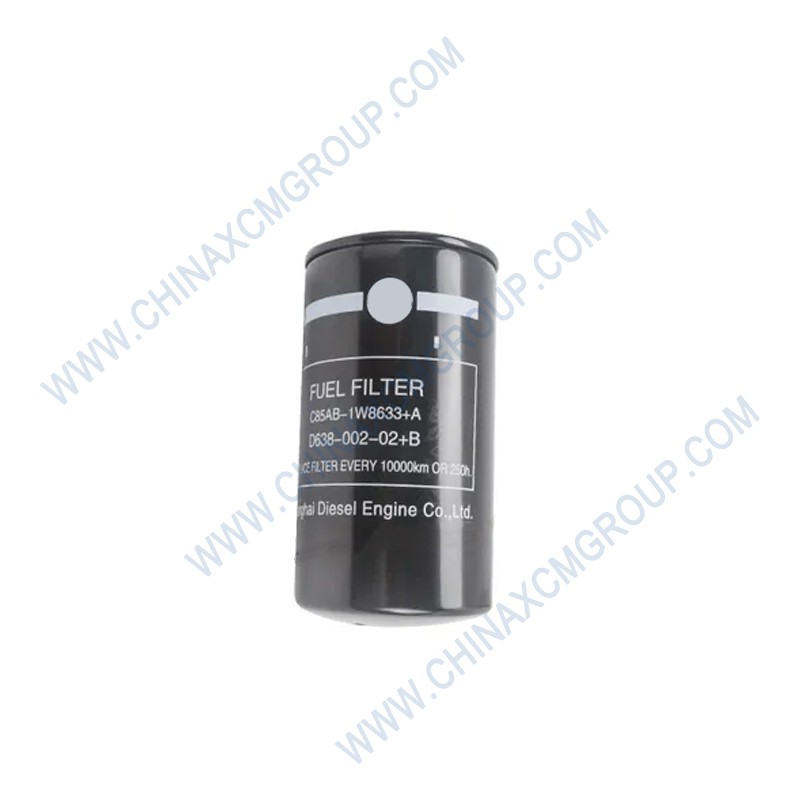
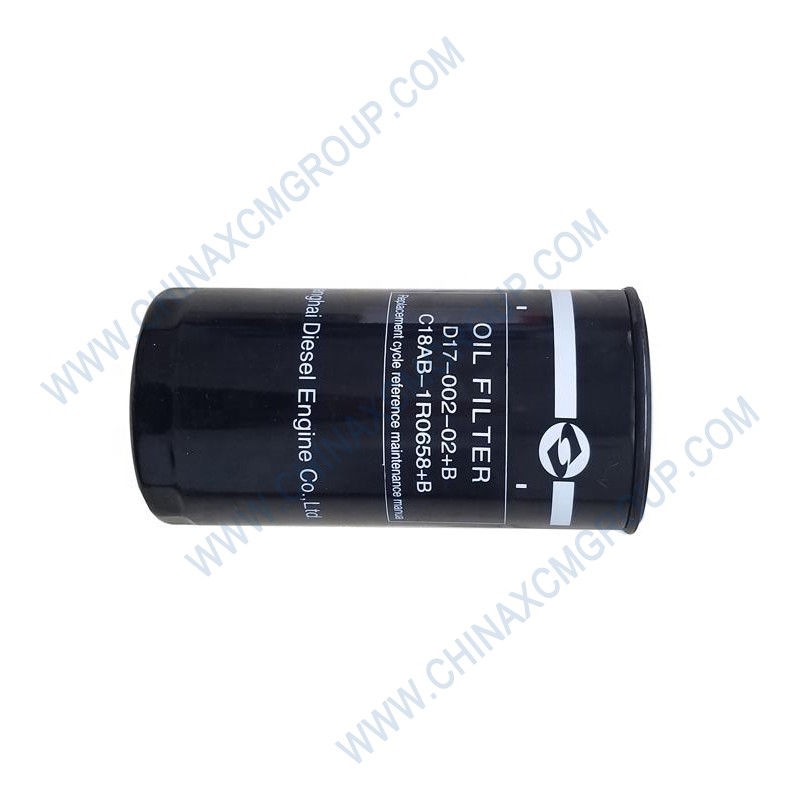
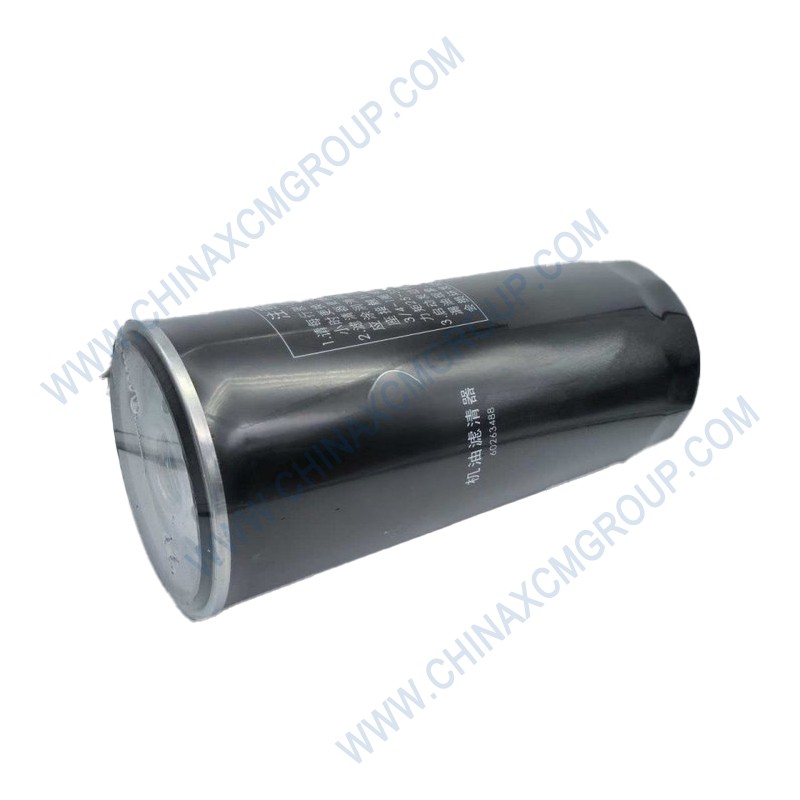
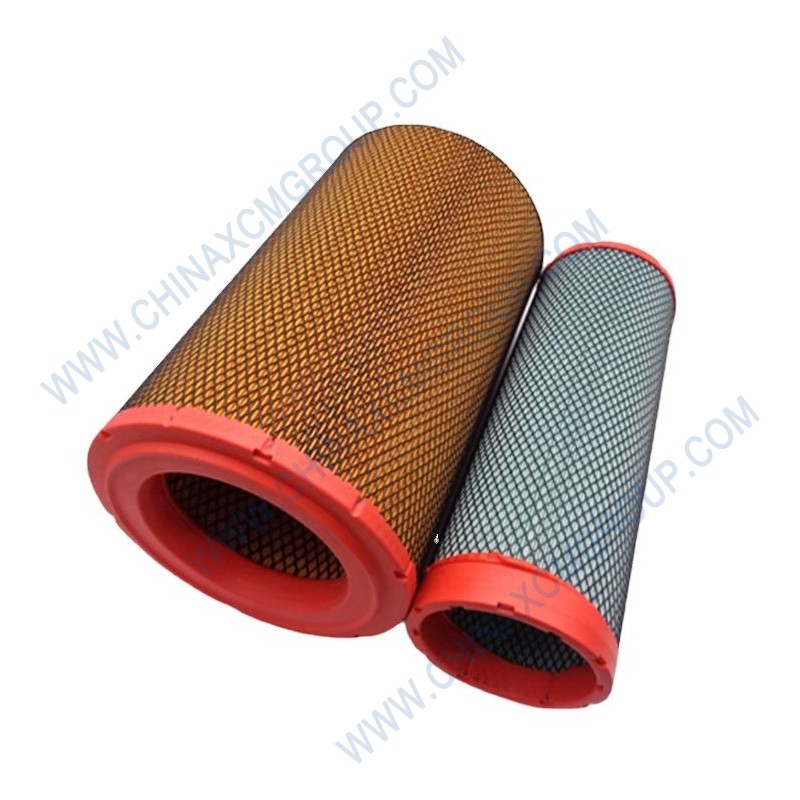
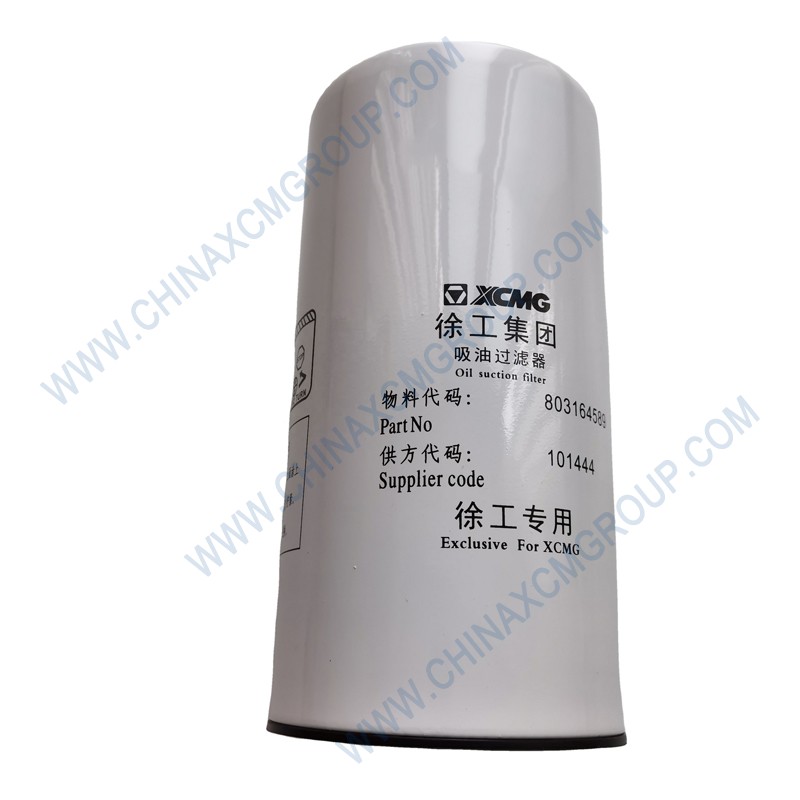
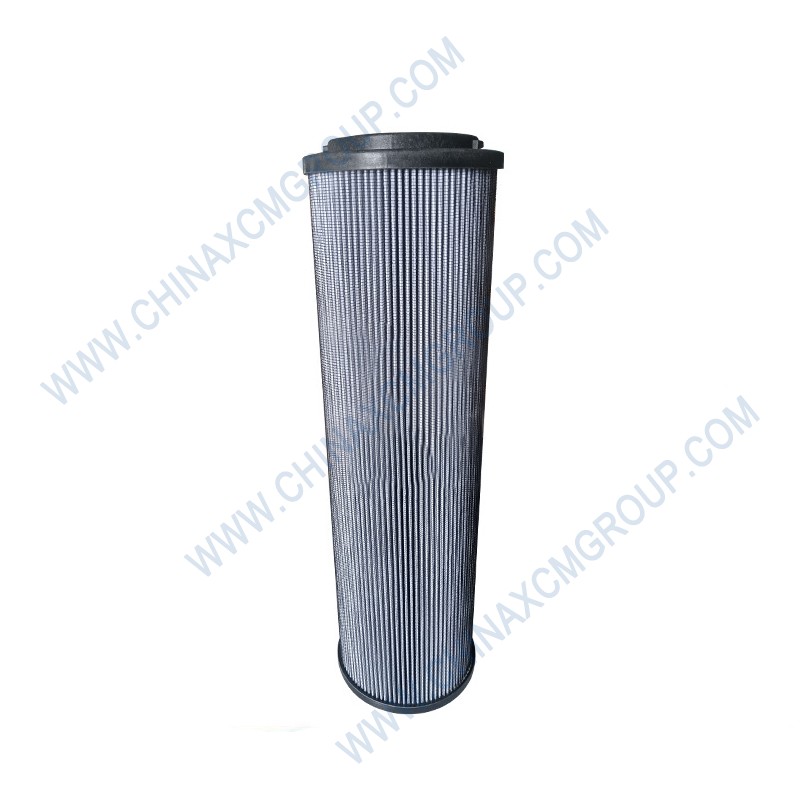
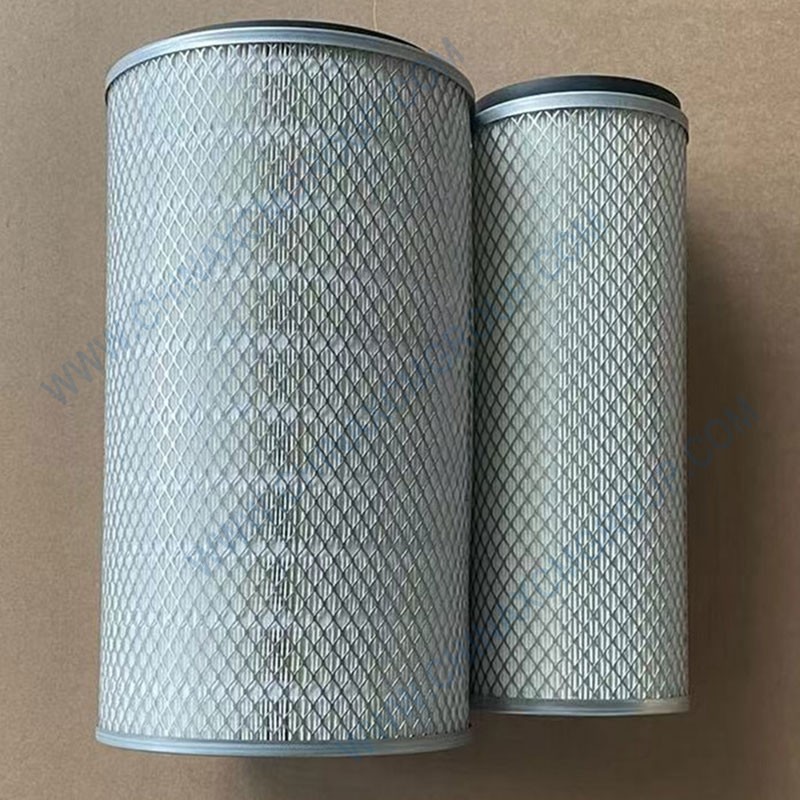
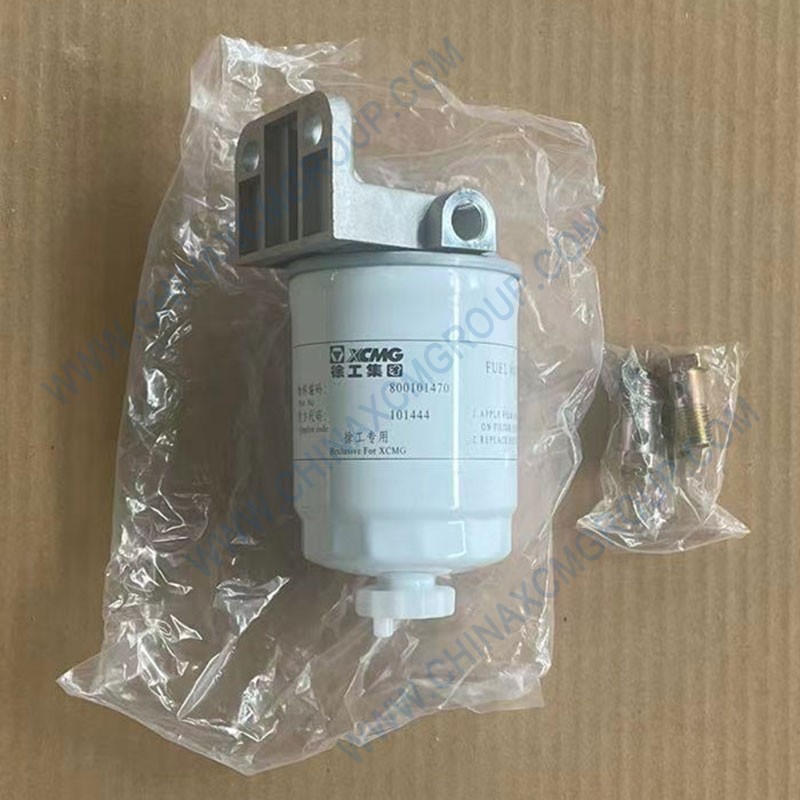
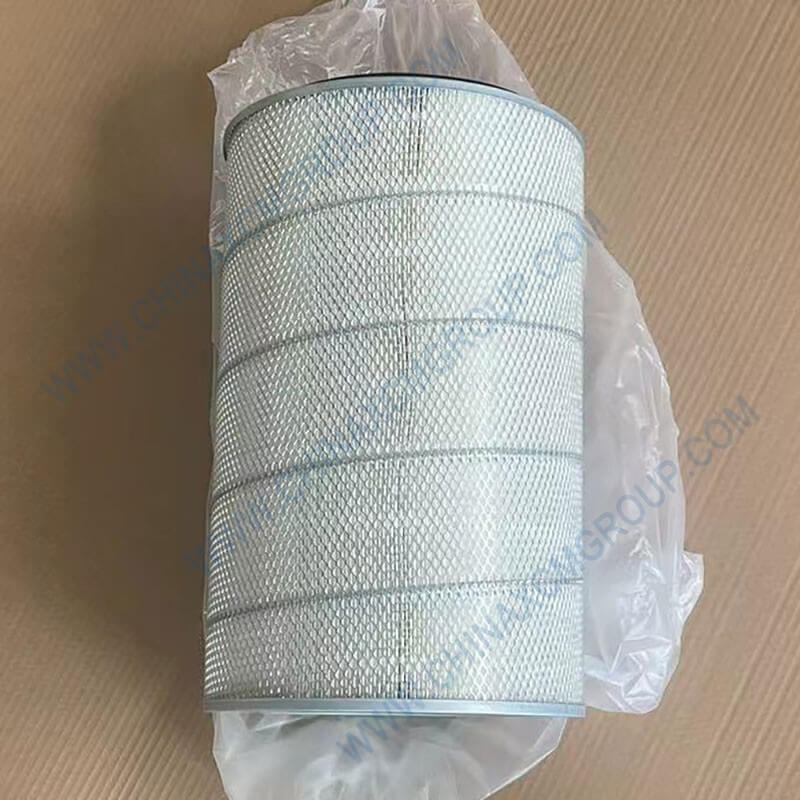
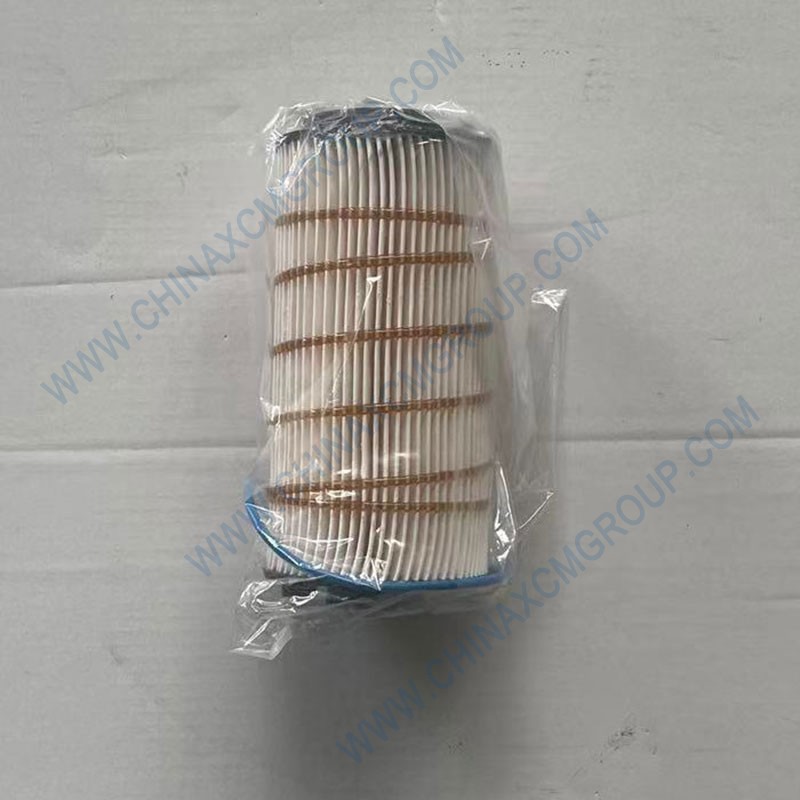
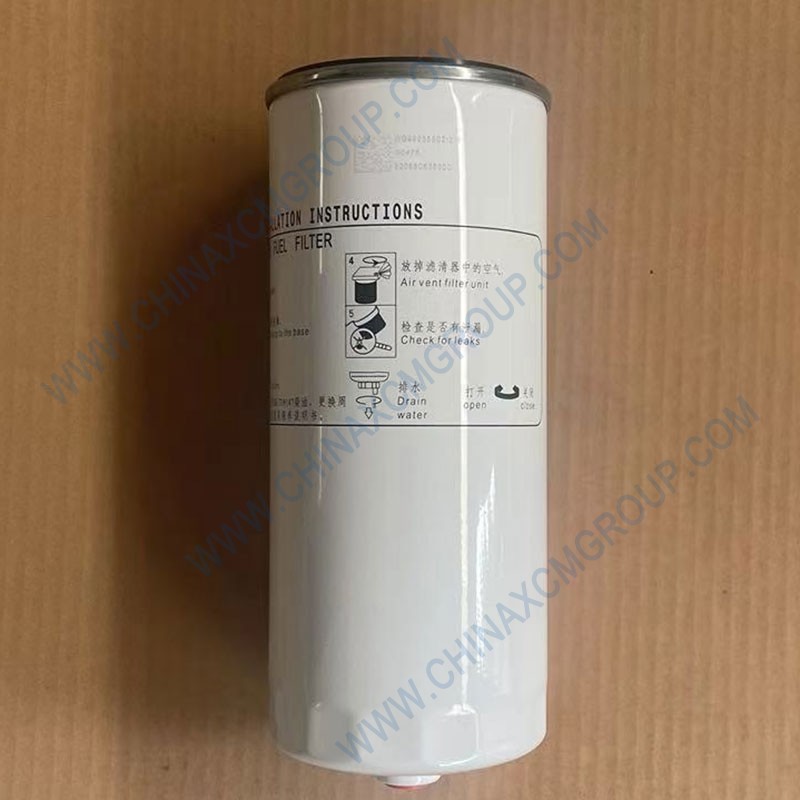
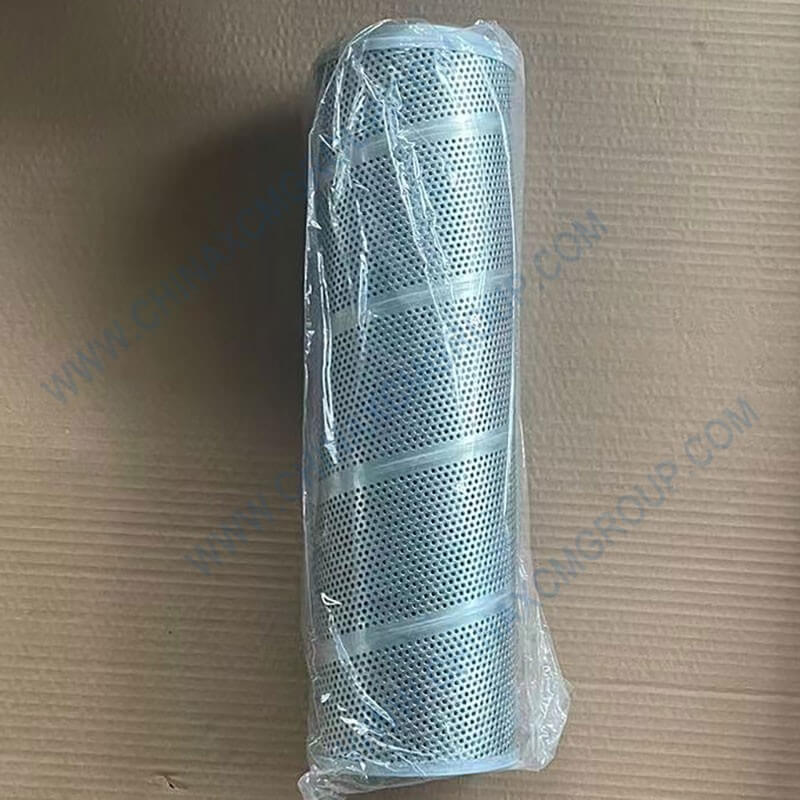
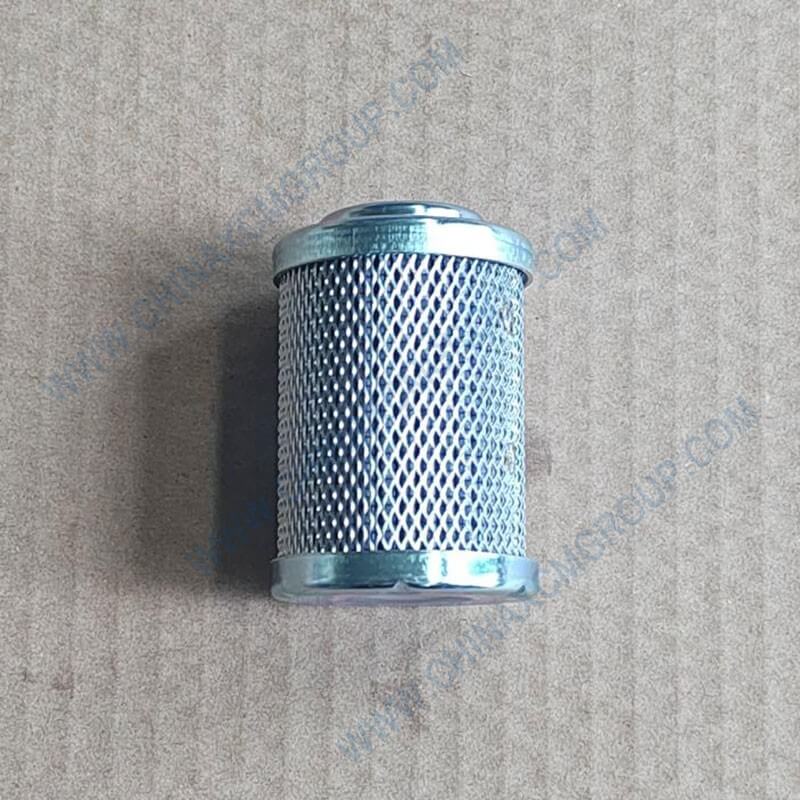
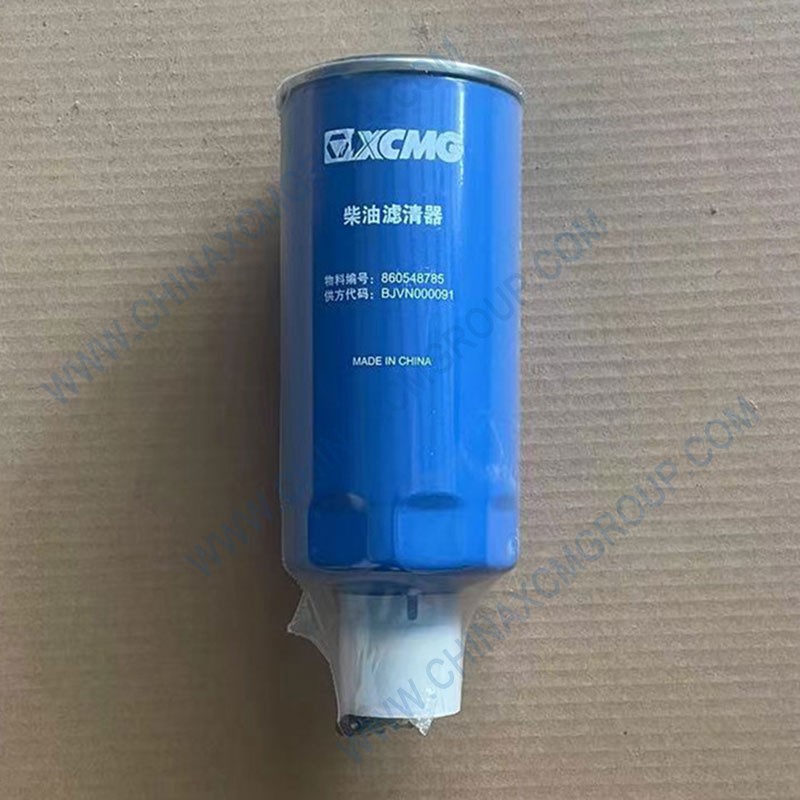
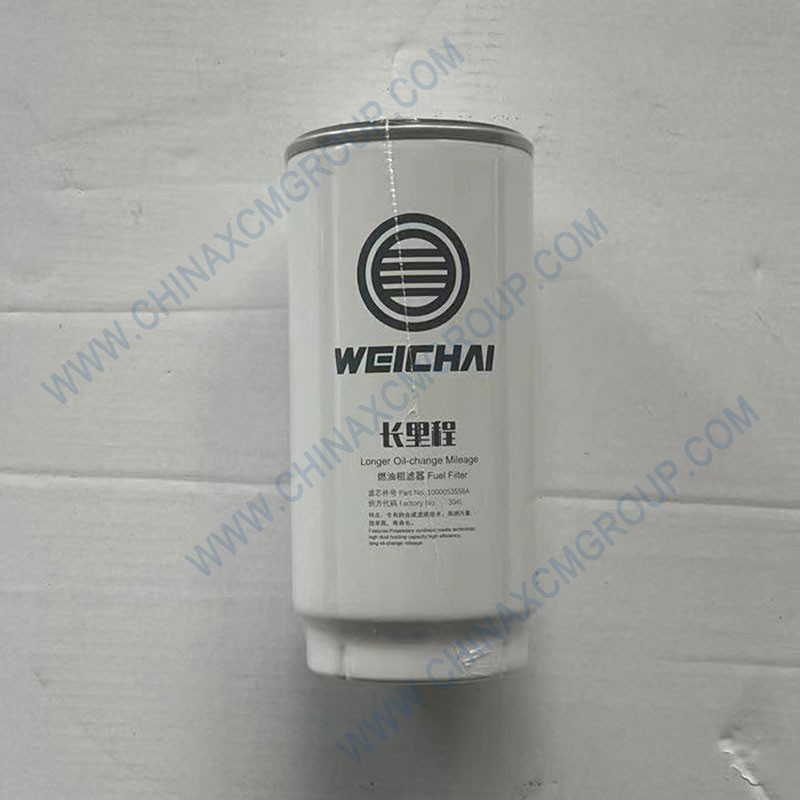
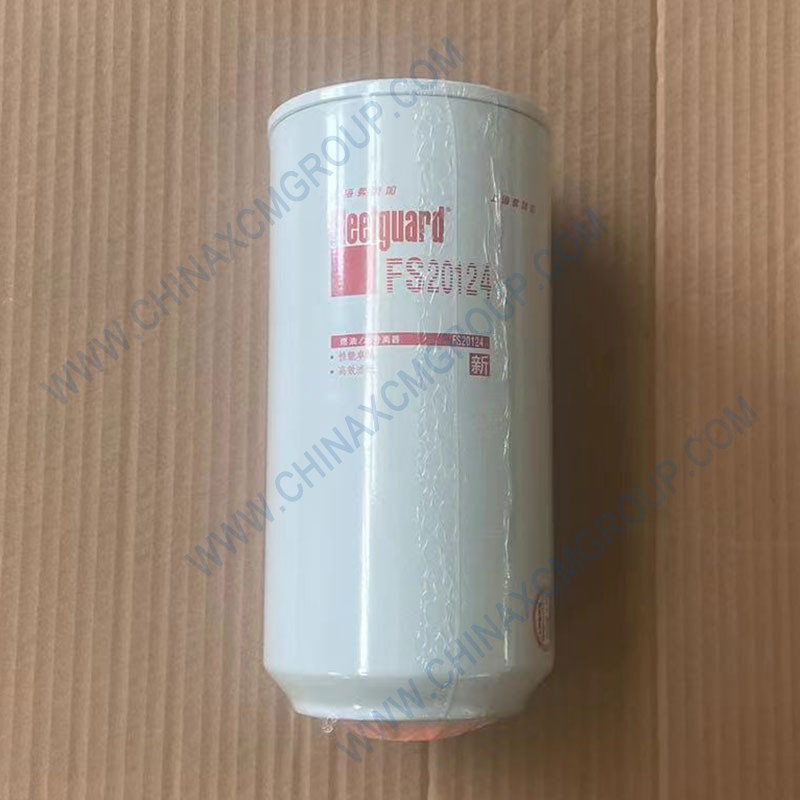
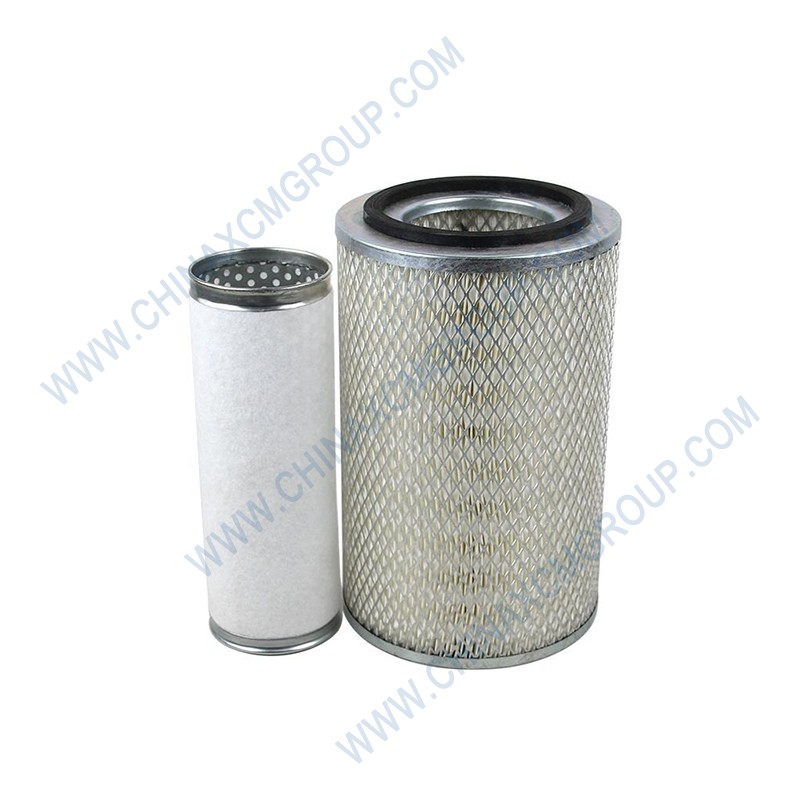
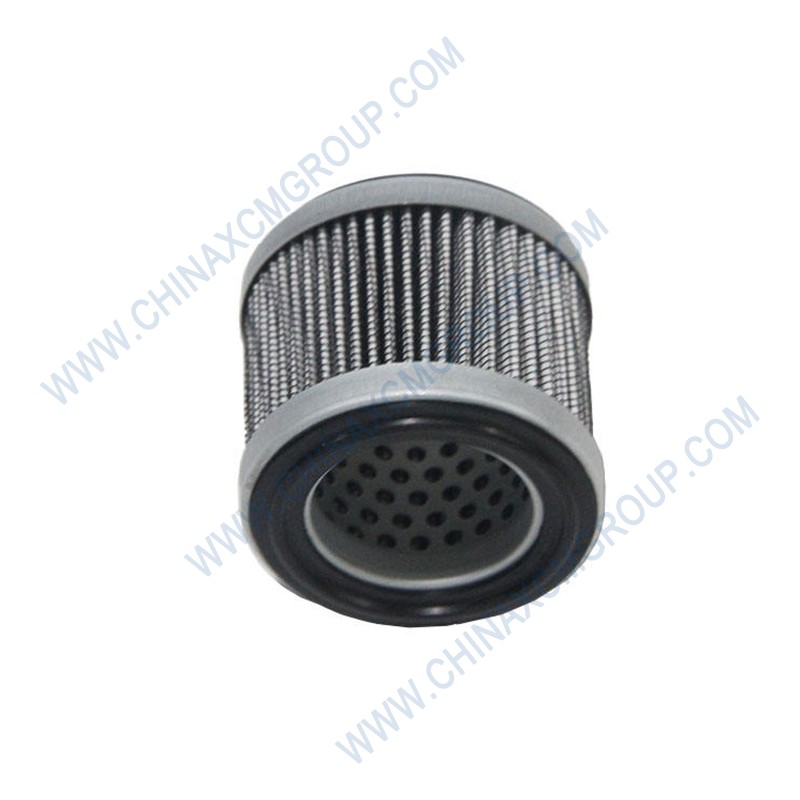
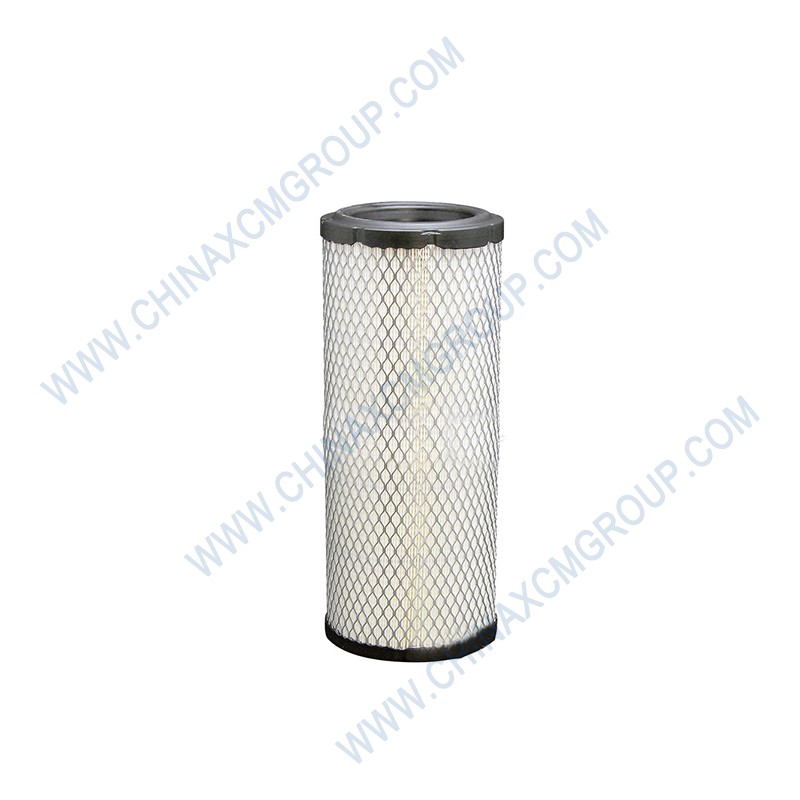
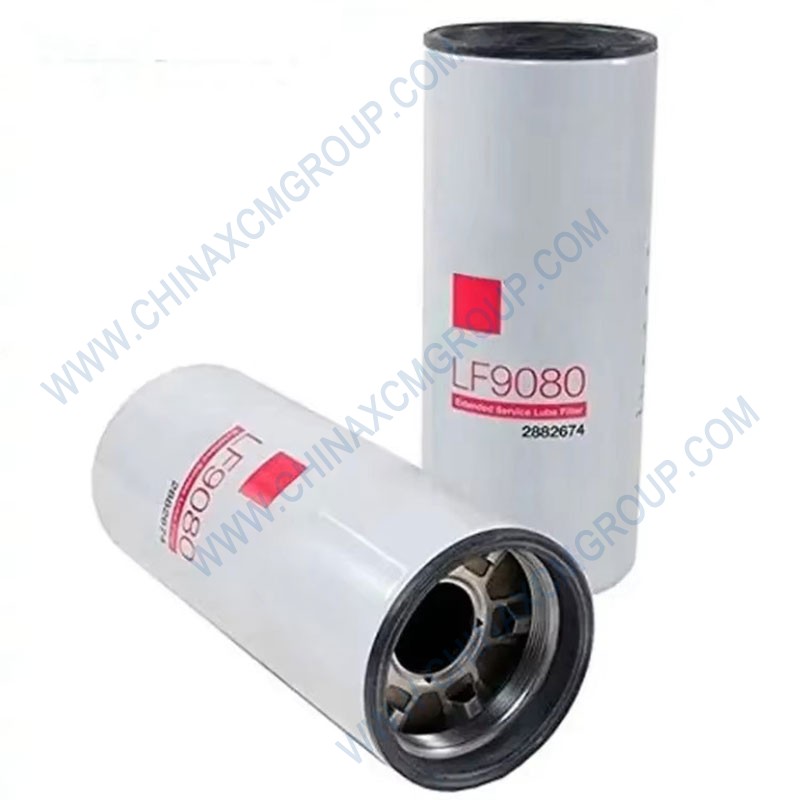
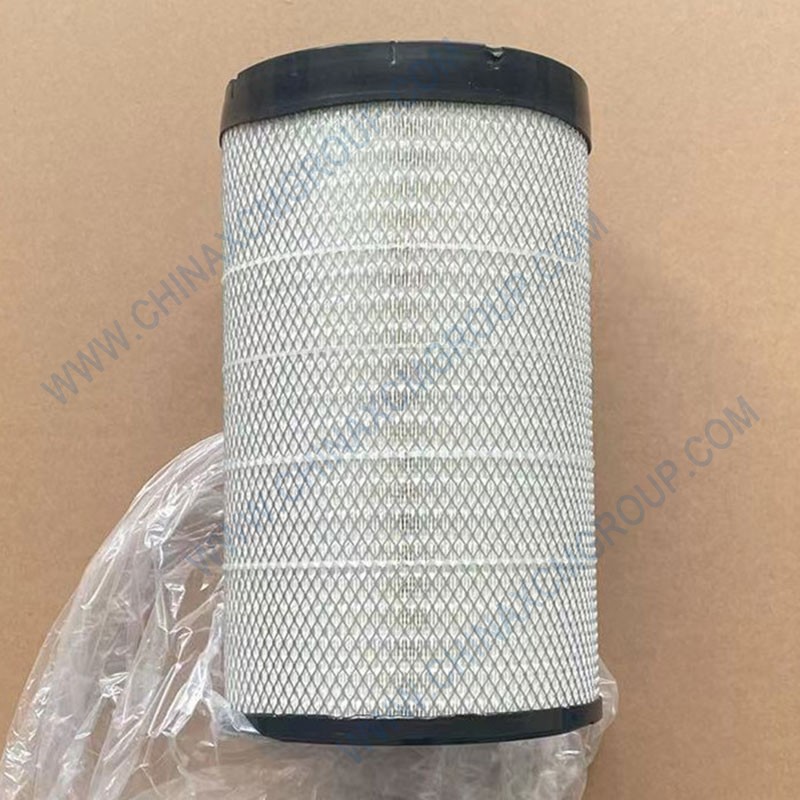
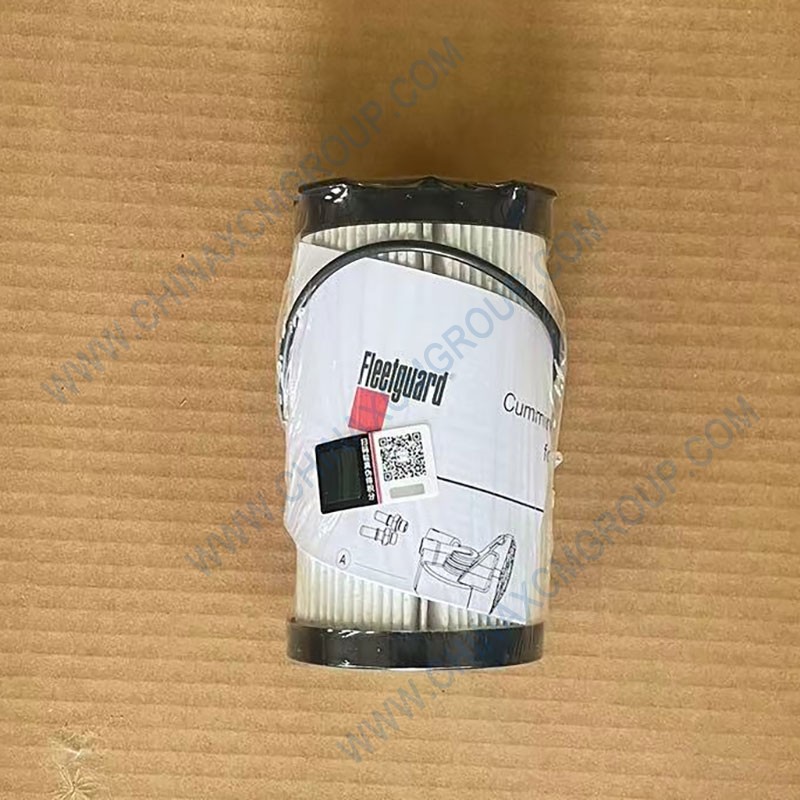
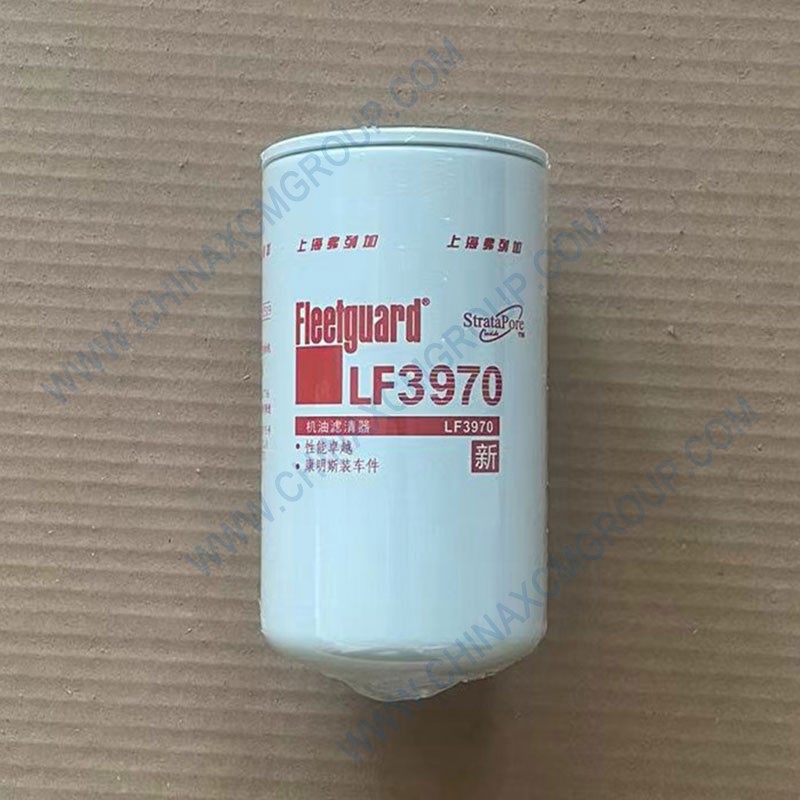
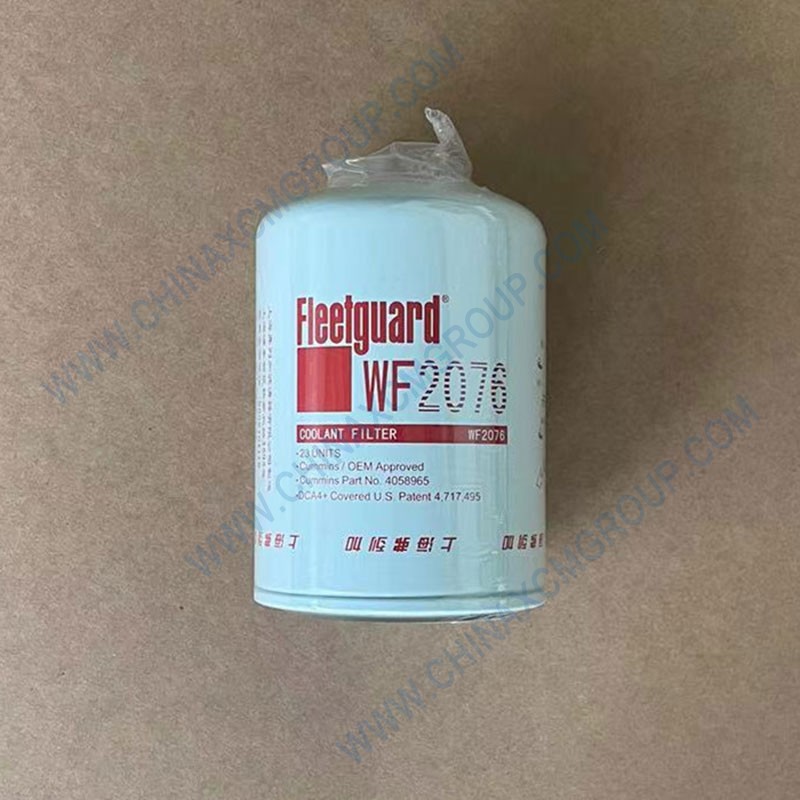



XCMG Filter is a high-performance filtration system meticulously crafted by XCMG Group for construction machinery, providing comprehensive protection for heavy equipment such as excavators, cranes, and loaders. Our genuine filter series employs advanced filtration technology to effectively remove particulate matter from air, impurities from fuel, and contaminants from hydraulic oil, ensuring your equipment always operates at peak performance.
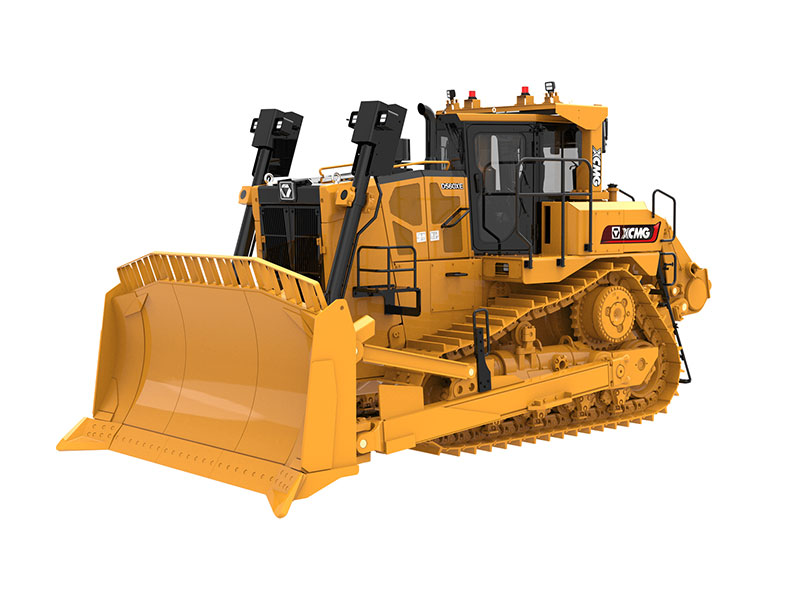
XCMG provides a comprehensive range of genuine filtration solutions specifically engineered for all types of construction machinery. Our product line includes specialized filters for every equipment category: XCMG Excavator Filter, XCMG Loader Filter , XCMG Road Roller Filter, XCMG Motor Grader Filter, XCMG Bulldozer Filter, and XCMG Crane Filter. Each filter is precision-engineered to meet the exact specifications of XCMG machinery, ensuring optimal filtration efficiency and equipment protection.
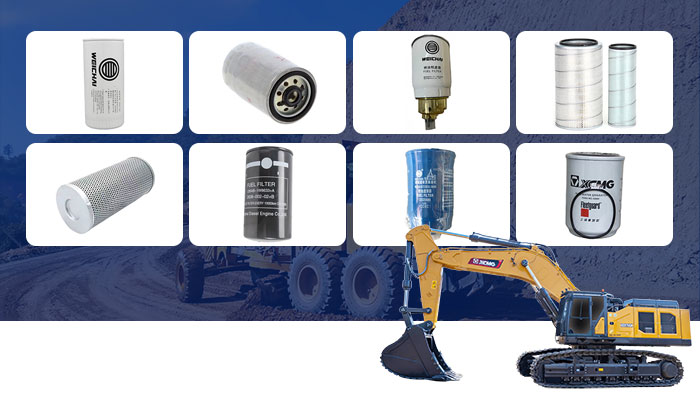
XCMG excavator filter elements are genuine, high-quality filtration products specifically designed for XCMG excavators. They include various types such as oil filters, hydraulic return oil filters, air filters, and diesel filters, comprehensively meeting the maintenance needs of different XCMG excavator models. Utilizing advanced multi-layer composite filtration materials and precision manufacturing techniques, these filters effectively remove solid particles, colloidal substances, and contaminants from working fluids. This ensures the efficient and stable operation of the excavator’s hydraulic system, lubrication system, and engine.
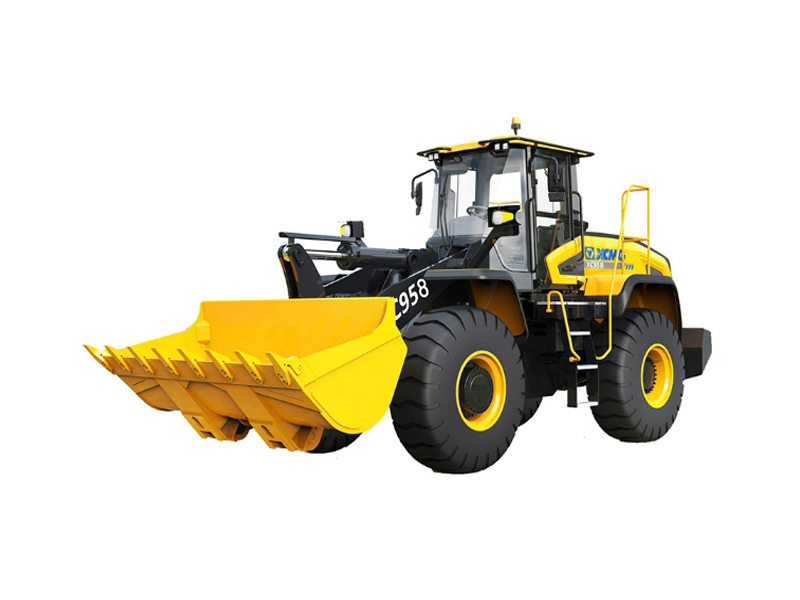
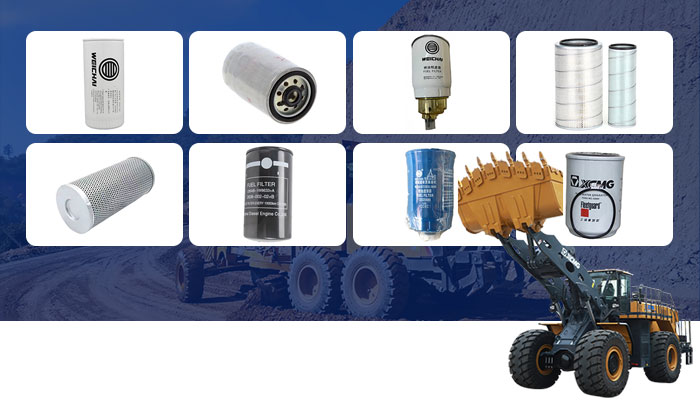
XCMG loader filter elements are genuine high-quality filtration products specifically designed for XCMG loaders. They encompass a wide range of types including oil filters, hydraulic oil filters, air filters, and diesel fuel filters, comprehensively meeting the maintenance needs of all XCMG loader models. Manufactured with premium filtration materials and precision engineering, these filters effectively remove contaminants, solid particles, and impurities from oil, air, and fuel. This ensures efficient and stable operation of the loader’s engine, hydraulic system, and transmission system, while extending the equipment’s service life.
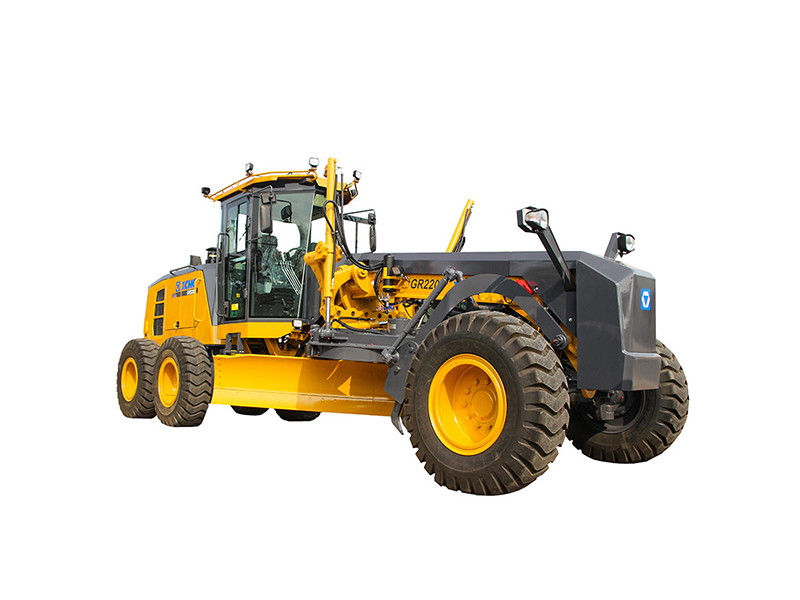
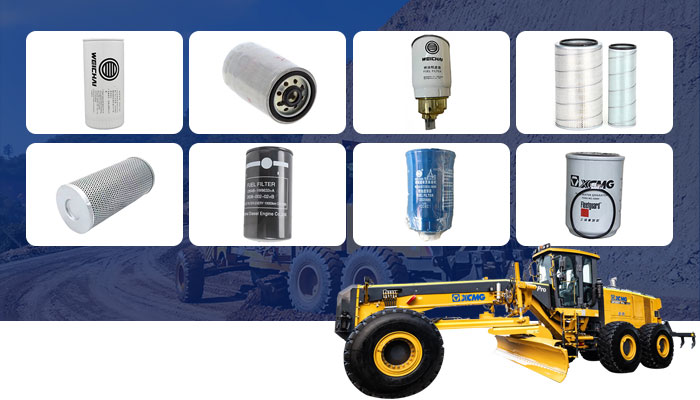
XCMG Motor Grader Filter Elements are original high-quality filtration products designed by XCMG Group specifically for various motor graders. They encompass a full range of filtration solutions including hydraulic oil filters, engine oil filters, air filters, diesel fuel filters, and transmission filters. Featuring precision multi-layer filtration structures and premium filter media, these elements effectively remove contaminants, metal particles, and impurities from hydraulic, lubrication, and fuel systems. This ensures optimal performance of XCMG motor grader engines, hydraulic systems, and transmission systems under demanding operating conditions.
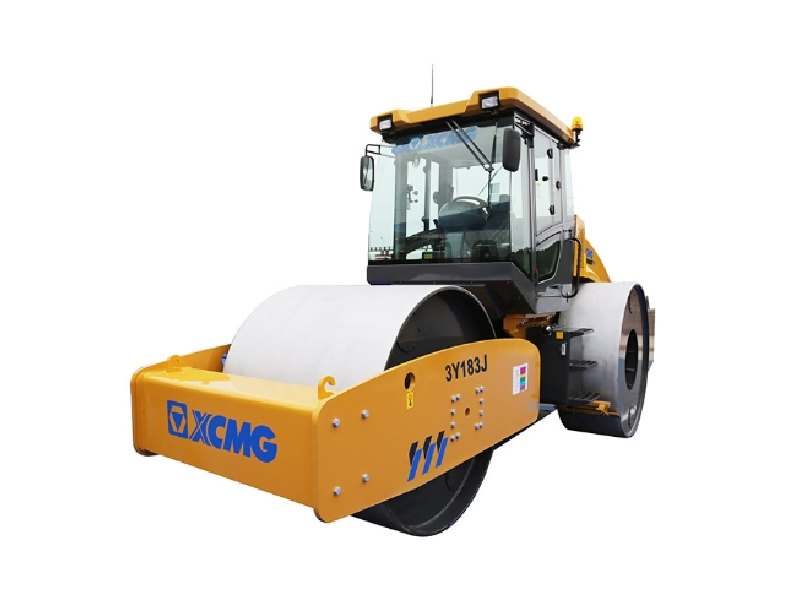
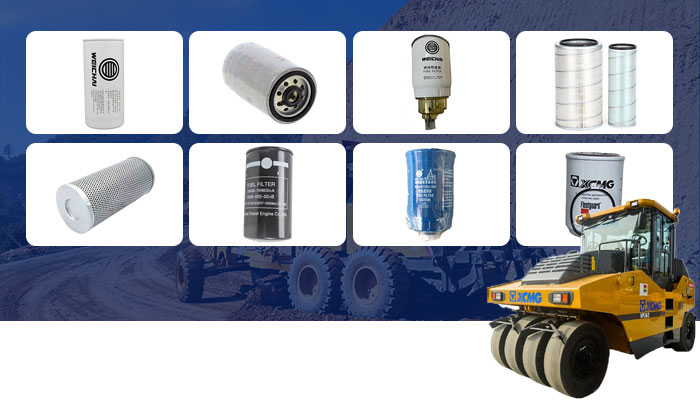
XCMG roller filter elements are original high-quality filtration products designed by XCMG Group specifically for various roller equipment. They encompass a full range of filtration solutions including hydraulic system filters, engine oil filters, air filters, diesel fuel filters, and vibration system filters. Employing precision multi-layer filtration technology and premium filter media, these elements effectively remove contaminants, metal particles, and impurities from hydraulic, lubrication, and fuel systems. This ensures XCMG rollers’ engines, hydraulic systems, and vibration systems maintain exceptional performance under demanding operating conditions.
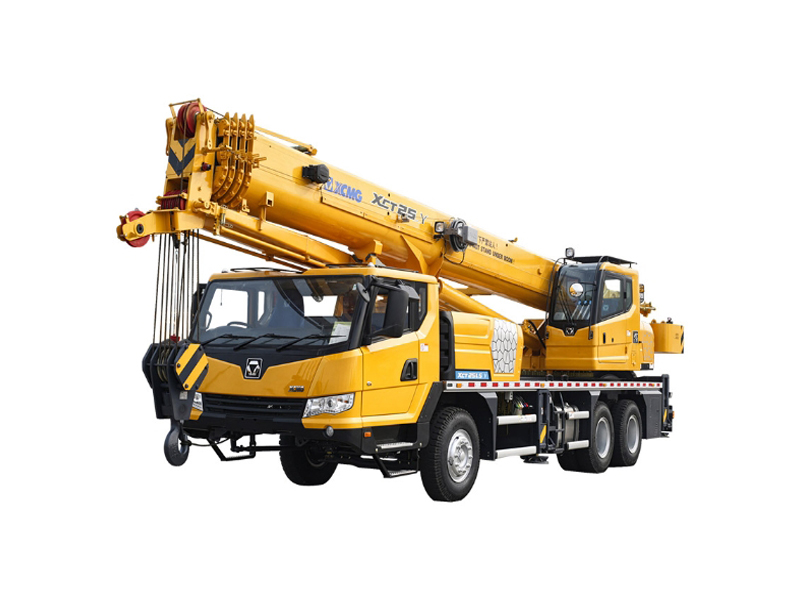
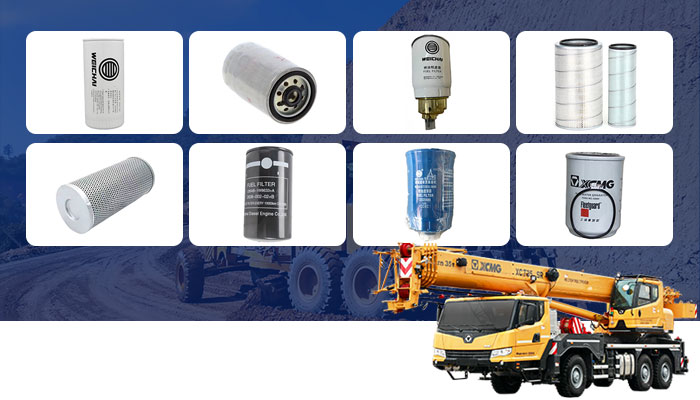
XCMG crane filter elements deliver exceptional filtration precision and reliable performance. Hydraulic system filters utilize high-strength filtration media and reinforced support structures, achieving filtration precision of 3–10μm and withstanding pressure differentials up to 25MPa. This effectively safeguards precision hydraulic components from contamination damage. Air filters utilize nanofiber composite filtration materials with 99.8% filtration efficiency, making them particularly suitable for dusty construction site environments and providing superior engine protection. Specially designed filters for the slewing system effectively withstand hydraulic pressure surges, ensuring smooth and precise slewing operations.
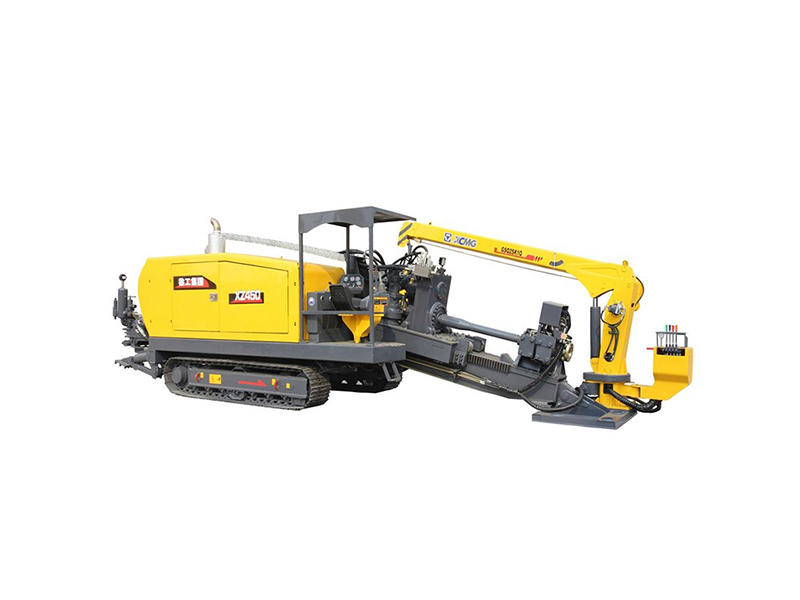
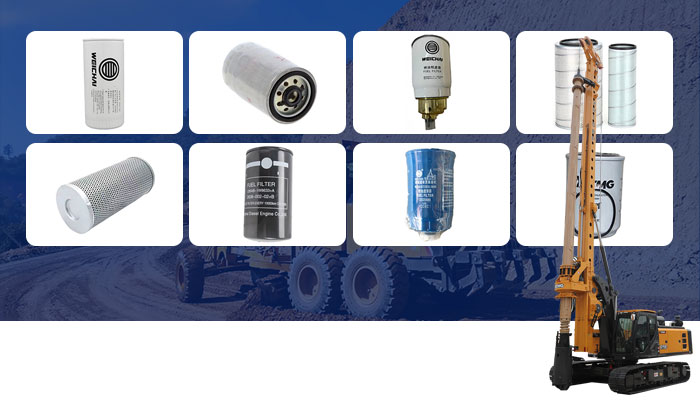
XCMG drill rig filter elements deliver exceptional filtration precision and durability. Hydraulic system filters utilize high-strength filtration media and reinforced support structures, achieving filtration precision of 3–10μm and pressure differential resistance up to 25MPa. This effectively safeguards precision hydraulic components from contamination damage. Air filters utilize nanofiber composite filtration materials with 99.8% filtration efficiency, making them particularly suitable for dusty mining environments and providing superior engine protection. Rotation system-specific filter elements feature a special impact-resistant design to effectively handle hydraulic pressure spikes, ensuring smooth and precise drilling operations.
Replace filters strictly according to the recommended intervals. For example, oil filters, fuel filters, and oil-water separator filters are typically replaced for the first time after the equipment break-in period (100 operating hours), then every 500 operating hours or at least every six months (whichever comes first). Hydraulic system filters require replacement at 250 hours for the first service, 500 hours for the second maintenance, and can be extended to every 1000 hours thereafter. Air filter replacement frequency depends on the operating environment. In harsh conditions (e.g., dusty environments), shorten the replacement interval. Replace the main air filter promptly after three cleanings. The safety filter must not be cleaned and should be replaced simultaneously.
When cleaning the air filter, use dry compressed air (pressure not exceeding 3 bar) and blow from the inside out. Never clean with gasoline or detergents. After each cleaning, inspect the filter for damage under a 60W bulb in a dark environment. Do not install or use a damaged filter.
**Before starting the engine each day**, inspect and drain water from the water separator. Place a container beneath the separator, open the drain valve, and tighten it once the flowing liquid changes from water to pure fuel. This prevents water ingress into the fuel system, protecting the engine.
When replacing any filter element, ensure proper procedure: Clean debris around the filter housing first; Before installing a new element, apply a small amount of lubricating oil or diesel fuel to the O-ring seal (use engine oil for oil filters, diesel fuel for fuel filters) to ensure sealing; After manual pre-tightening, use a specialized tool (such as a belt wrench) to tighten to the specified torque, avoiding over-tightening or loosening.
Always select genuine XCMG filters. Original equipment filters deliver optimal filtration performance and equipment protection due to their **precise filtration accuracy**, **superior dust-holding capacity**, and **perfect compatibility** with XCMG equipment. This extends the service life of engines and hydraulic systems, offering greater long-term cost efficiency.
Recognize that the operating environment significantly affects filter element lifespan. If equipment operates long-term in harsh conditions—such as high dust, sandy winds, high humidity, or extreme temperatures (freezing cold or scorching heat)—inspection and replacement intervals for all filter elements should be shortened compared to standard conditions. For example, air filters in desert or mining areas may require cleaning or replacement every 50–100 hours.
After replacing fuel filters or water separators, strictly execute the specified bleeding procedure outlined in the operation manual to prevent air ingress into the fuel system, which can cause engine starting difficulties or unstable operation. For models equipped with a manual pump, press the pump until no visible bubbles appear in the return line. For models with an electric pump, energize the pump to complete the bleeding process.
When performing certain maintenance tasks, associated items should be addressed concurrently. For example, when changing engine oil, the oil filter must be replaced simultaneously. When changing hydraulic fluid, all hydraulic filters throughout the vehicle should be replaced at the same time. This prevents cross-contamination between old and new fluids/filters, ensuring maintenance effectiveness.
Document the date, operating hours, and model of each replaced filter during inspections, cleanings, and replacements. This facilitates tracking filter lifecycles, predicting next maintenance intervals for preventive maintenance, and providing data support for potential fault diagnosis.
Beyond focusing solely on the filter itself, integrate filter maintenance into routine and periodic comprehensive equipment inspections. For example, perform daily checks for oil, water, or air leaks; conduct regular inspections of engine intake duct integrity and electrical harness security. These factors can indirectly impact filter performance and engine intake/fluid quality.
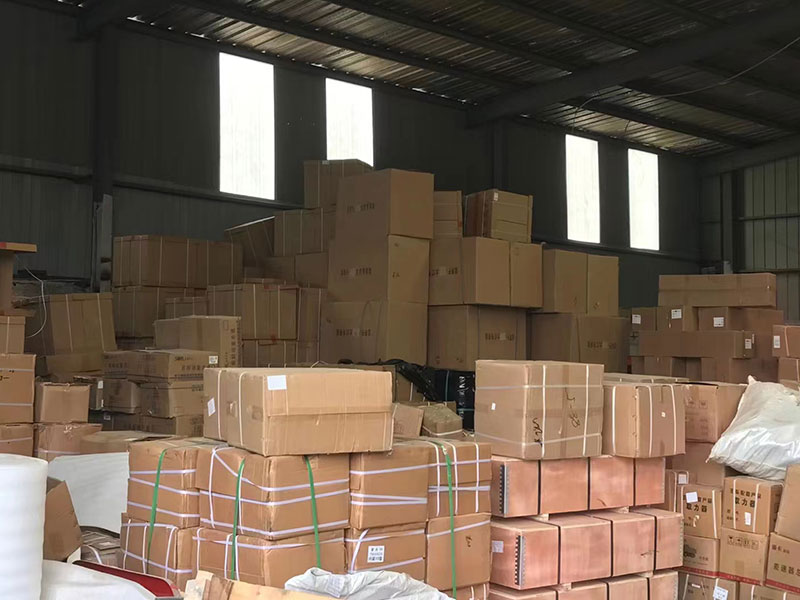
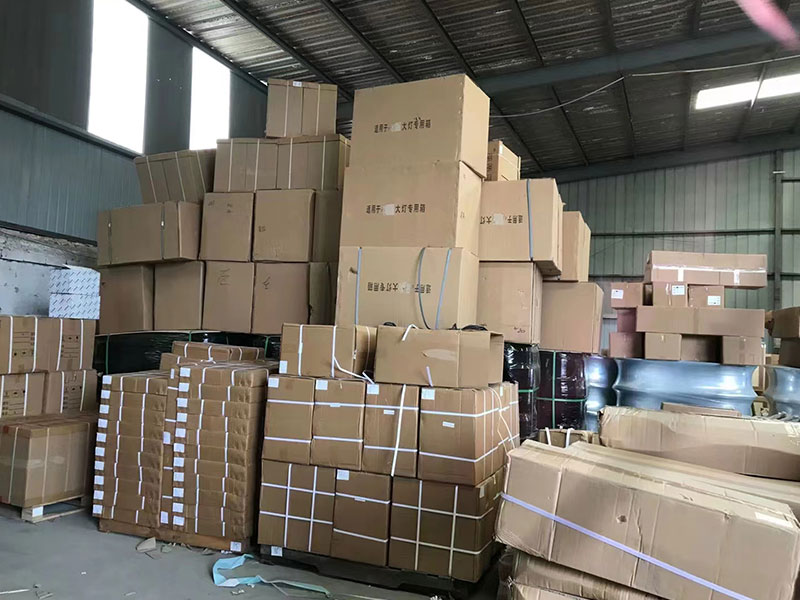
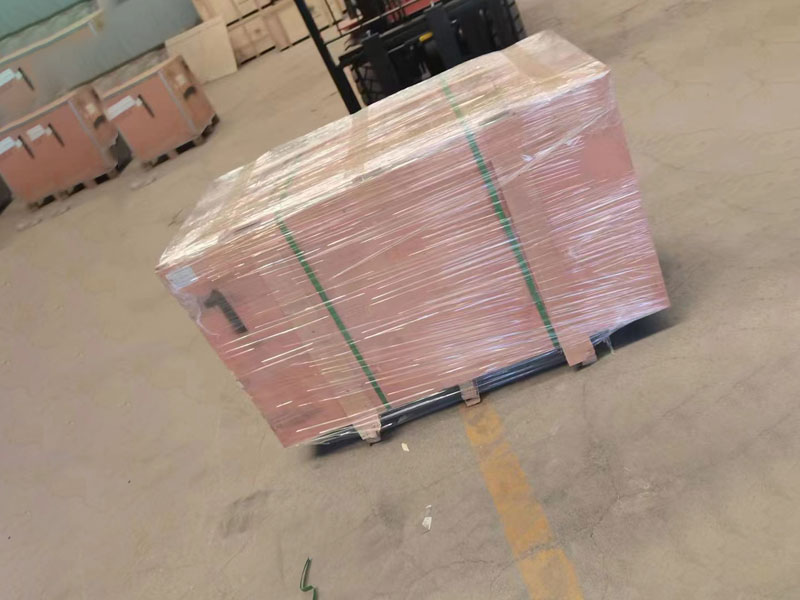
XCMG Genuine Filters are delivered to customers worldwide through a robust and flexible global logistics network, ensuring timely and secure transportation. We employ multiple shipping methods to meet diverse customer needs and operational requirements:
Our XCMG excavators work daily in dusty conditions on our construction sites. Since switching exclusively to genuine XCMG filters, engine failure rates have dropped by 70%! These filters provide exceptional sealing, effectively blocking fine dust from entering the engine. Over the past three years, our XE215D excavator hasn't required major repairs due to filtration issues, saving us over $8,000 in maintenance costs.

In our copper mining operations, equipment reliability is everything. XCMG filters demonstrate remarkable durability—in extreme dust conditions, their air filters last 50% longer than standard brands. Most importantly, they effectively protect our XCMG loader engines, ensuring production isn't interrupted by unexpected downtime.

Operating at high altitudes makes engines prone to issues. XCMG's specially recommended reinforced filter solution for our high-altitude conditions has been remarkably effective! The fuel filters efficiently handle low-quality diesel, preventing injector clogs. Now our equipment runs smoothly at 4,500 meters elevation with a 15% improvement in fuel efficiency.

Mexico's humid climate challenges hydraulic systems. Since using XCMG hydraulic filters, our rollers maintain hydraulic oil cleanliness within ISO standards, significantly extending pump and valve life. Calculations show annual maintenance savings exceeding $3,500 per machine!
Siberia's extreme cold severely tests filter materials. XCMG filters maintain flexibility even at -45°C, resisting cracking or deformation. Their oil filters deliver outstanding cold-start protection, ensuring engines receive timely lubrication in subzero conditions. Over five years, our fleet's XCMG equipment has never suffered winter breakdowns due to filtration issues.
A: Genuine XCMG filter elements feature the following characteristics: Clear printing on the outer packaging box with the official XCMG logo and anti-counterfeiting label; Clear part numbers and production dates printed on the filter element itself; Scanning the QR code on the packaging allows access to the official verification system for authenticity checks; Uniform filter material texture and well-preserved elasticity of sealing components. We recommend purchasing only through authorized dealers.
A: Standard recommendations are as follows: Replace oil filters every 500 operating hours or 6 months; clean main air filters every 250 hours (up to 3 times), replace safety air filters every 500 hours; replace fuel filters every 500 hours; replace hydraulic return oil filters every 1000 hours. In harsh conditions (e.g., high dust, humidity), extend replacement intervals by 30%-50%.
A: Each XCMG machine has designated filter models. Confirm via: the parts list in your equipment maintenance manual; the printed part number on your old filter; scanning the equipment QR code using XCMG’s official WeChat mini-program; or contacting your local XCMG service center with your equipment model and serial number.
A: Genuine filters offer irreplaceable advantages: precise filtration accuracy (5-10 microns) ensures optimal protection; specifically engineered for XCMG equipment hydraulic systems with precise flow matching; rigorously tested for guaranteed compatibility; and utilize premium filter media with over 30% higher dust-holding capacity than aftermarket products. Using non-genuine filters may void equipment warranties.
A: Correct replacement steps include: Shut down the machine and ensure it is on level ground; Clean the area around the filter housing; Remove the old filter using the dedicated tool; Inspect and clean the mounting surface; Apply a small amount of clean engine oil to the seal of the new filter; Hand-tighten the filter, then use a tool to tighten it an additional 3/4 turn (do not over-tighten); Check for leaks after replacement and perform air purging if necessary.
A: XCMG continuously optimizes and upgrades its products. Minor cosmetic variations may result from material improvements, manufacturing process enhancements, or anti-counterfeiting technology updates. All genuine filter elements sold through official channels meet stringent quality standards, ensuring identical performance and quality. Please use them with confidence.
A: Yes, all genuine XCMG filter elements are covered by a 12-month or 2000-hour warranty (whichever comes first). Under normal operating conditions, if filtration failure occurs due to product defects, compensation will be provided upon confirmation by XCMG’s after-sales service department. Retain purchase receipts and old parts for verification.
A: Store filter elements in their original packaging within a dry, clean indoor environment. Avoid direct sunlight and extreme temperatures (recommended storage range: -10°C to 40°C). Keep away from chemicals and ozone sources. Follow the “first-in, first-out” principle for inventory usage. Sealed packaging maintains a shelf life of 2 years; use immediately after opening.