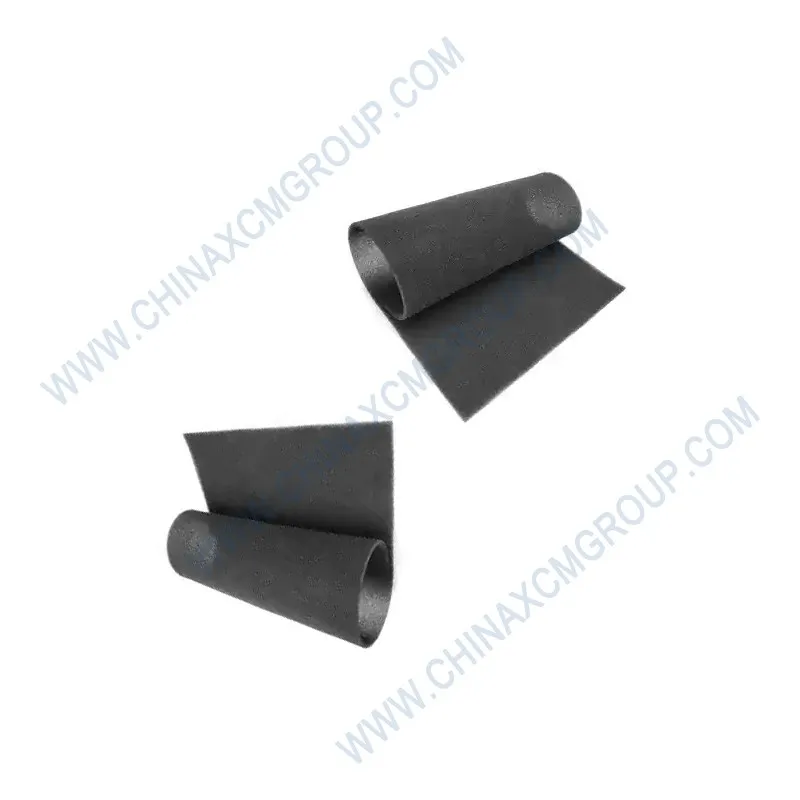
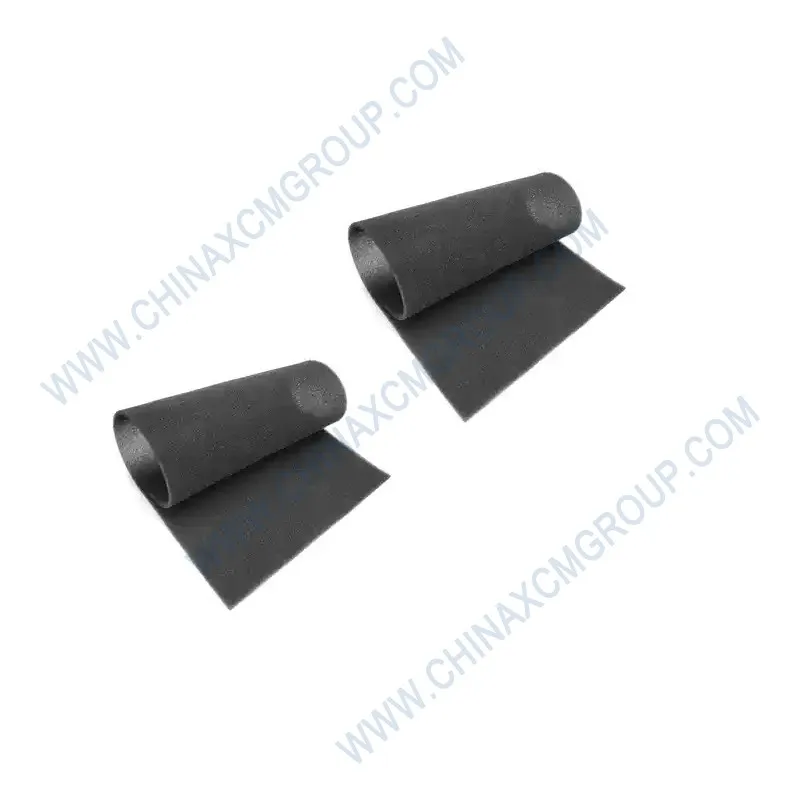
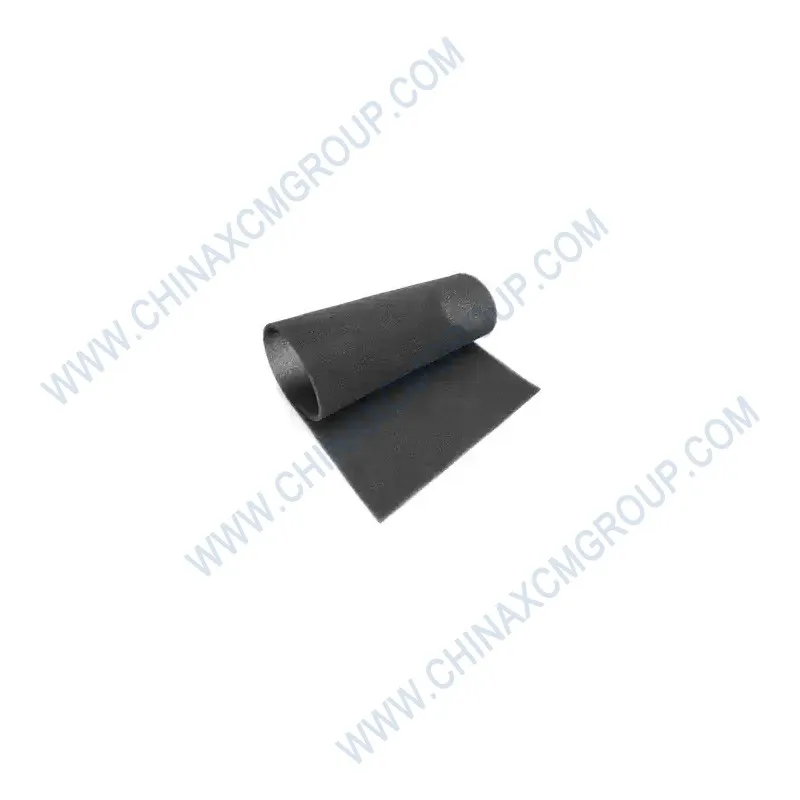
The genuine XCMG Anti-Backdraft Foam with OEM number 332113056 is a high-temperature, flame-resistant sealing material engineered for XCMG articulated dump trucks, wheel loaders, and heavy off-highway equipment. This foam seal is designed to prevent hot exhaust gases, backdrafts, and flames from passing through gaps in engine bay panels, firewalls, and exhaust system shrouds. Manufactured from melamine or silicone-based foam with a UL 94 V-0 flame rating, the XCMG 332113056 anti-backdraft foam provides reliable thermal insulation, smoke suppression, and fire containment in extreme mining, quarry, and construction environments.
The XCMG Anti-Backdraft Foam 332113056 is a specialized flame-resistant seal designed to block the passage of hot gases, flames, and backdrafts through gaps in engine bay panels, exhaust system shrouds, and firewalls. In heavy equipment, a sudden engine fire or hot exhaust leak can spread rapidly through unsealed openings. This foam acts as a passive fire barrier, self-extinguishing within seconds and preventing flame propagation into operator cabins or adjacent compartments.
On AD-series articulated dump trucks, this foam is installed around turbocharger access panels, exhaust pipe pass-throughs, and engine compartment firewalls. Field data shows that vehicles equipped with genuine XCMG 332113056 foam seals experience a 90% reduction in hot gas ingress into the cab and a significantly lower risk of under-hood fire spread.
The 332113056 anti-backdraft foam is manufactured using open-cell melamine resin or closed-cell silicone foam, both meeting UL 94 V-0 flammability standards. Melamine foam offers excellent thermal insulation and low smoke emission, while silicone foam provides superior flexibility and resistance to oils, fuels, and extreme temperatures up to 230°C. Both materials char rather than melt, forming an insulating barrier that blocks flame penetration.
The foam’s low thermal conductivity (0.035–0.045 W/m·K) reduces heat transfer to adjacent components, protecting wiring, hoses, and control modules from radiant heat. The material is also lightweight (45–65 kg/m³) and compressible, conforming to irregular gaps without damaging panels.
The XCMG anti-backdraft foam 332113056 is supplied as pre-cut strips or sheets to match the exact dimensions of XCMG engine bay gaps. Alternatively, it can be provided in rolls for on-site cutting. A high-temperature acrylic adhesive backing is available for peel-and-stick application on clean, dry surfaces. This adhesive withstands continuous exposure up to 150°C and maintains bond strength even after thermal cycling.
For retrofitting older trucks, the foam can be trimmed with scissors or a utility knife. Installation typically takes less than 30 minutes per panel. Ensure the foam is compressed to 30–50% of its original thickness when the panel is closed, providing a positive seal without over-stressing fasteners.
To replace old or degraded fire seal foam, first remove the panel or access cover. Clean the sealing surface thoroughly, removing all old adhesive, foam residue, and grease using isopropyl alcohol and a plastic scraper. Inspect the panel edges for sharp burrs that could cut the new foam – deburr with a file if necessary.
Peel the protective liner from the adhesive-backed XCMG 332113056 foam (if using the self-adhesive variant) and press it firmly onto the clean surface, starting at one corner. Use a roller or hand pressure to ensure full contact. For non-adhesive foam, apply a thin bead of high-temperature RTV silicone to the back before positioning.
Re-install the panel, ensuring the foam compresses evenly. If the panel requires excessive force to close, trim the foam thickness or adjust its position. After installation, run the engine and check for any hot gas leakage using a thermal camera or by feeling around the seal with a gloved hand. Re-inspect after 100 hours of operation.
Counterfeit anti-backdraft foams sold as 332113056 often use polyurethane foam that is not flame-rated. When exposed to fire, these materials melt, drip, and continue burning, actively spreading flames. Genuine XCMG foam chars and self-extinguishes. Test a small sample with a lighter – genuine foam will turn black and stop burning when the flame is removed; counterfeit will melt and burn vigorously.
Another issue is poor temperature resistance. Aftermarket foams may harden or crumble after a few hundred hours of engine bay heat, leaving gaps. Genuine XCMG foam maintains flexibility and sealing force even after 5,000 hours at 150°C. Check for part number printing on the foam surface or on the packaging – genuine product has a laser-etched batch code.
Adhesive failure: Non-genuine adhesive-backed foams may use low-temperature tape that releases in hot conditions. Genuine XCMG foam uses 3M high-temperature acrylic adhesive that bonds permanently and withstands 150°C.
A missing or failed fire seal allows flames and hot gases to penetrate the operator cabin or ignite nearby hydraulic lines. The cost of a cab fire can be catastrophic – not only equipment loss but also potential injuries. Replacing a degraded foam strip costs about $20–50, which is negligible compared to the cost of a fire damage repair (often $50,000+).
Predictive maintenance: During daily pre-start inspections, visually check the anti-backdraft foam for cracks, discoloration, or crumbling. Also feel around the seal after engine warm-up – if you detect hot air leaking into the cab or electrical compartments, the foam has failed. Replace immediately.
Payback analysis: A 2-meter strip of XCMG anti-backdraft foam costs approximately $35. If it prevents one under-hood fire ($50,000+ damage), the return on investment is immeasurable. Even preventing hot gas damage to a $2000 wiring harness pays for the foam 50 times over.
Every XCMG Anti-Backdraft Foam 332113056 is produced in an IATF 16949-certified facility. Each batch undergoes flammability testing (UL 94 V-0), smoke density measurement (ASTM E662), and thermal aging (1,000 hours at 150°C). XCMG provides a 24-month warranty against material degradation or adhesive failure.
Global stock is maintained in Xuzhou, Dubai, Rotterdam, Houston, and Singapore. Standard rolls (5 m and 10 m) ship within 24 hours. XCMG also offers pre-cut kits for specific AD-series engine bay panels (part 332113056-KIT). Custom shapes and sizes are available for fleet orders.
To verify authenticity, scan the QR code on the packaging – it links to the UL certification and batch test report. Always insist on genuine XCMG 332113056; counterfeit fire seals have been implicated in several equipment fires, leading to total losses.
XCMG tested the 332113056 foam under extreme conditions: -50°C cold soak, +180°C engine bay heat cycling (1,000 cycles), and exposure to diesel, hydraulic oil, and coolant. The foam showed no loss of flexibility, no cracking, and retained its UL 94 V-0 rating. The adhesive bond remained intact after 5,000 hours of vibration at 15g.
For applications with direct exhaust gas contact (over 300°C), XCMG recommends a ceramic-fiber-backed silicone foam variant (332113056-HC). This version withstands up to 650°C for short periods and is used in turbocharger heat shields.
Water and oil resistance: The foam repels water and resists oil absorption. In high-pressure washdown applications, the closed-cell variant prevents water wicking, maintaining its thermal properties and fire resistance.