
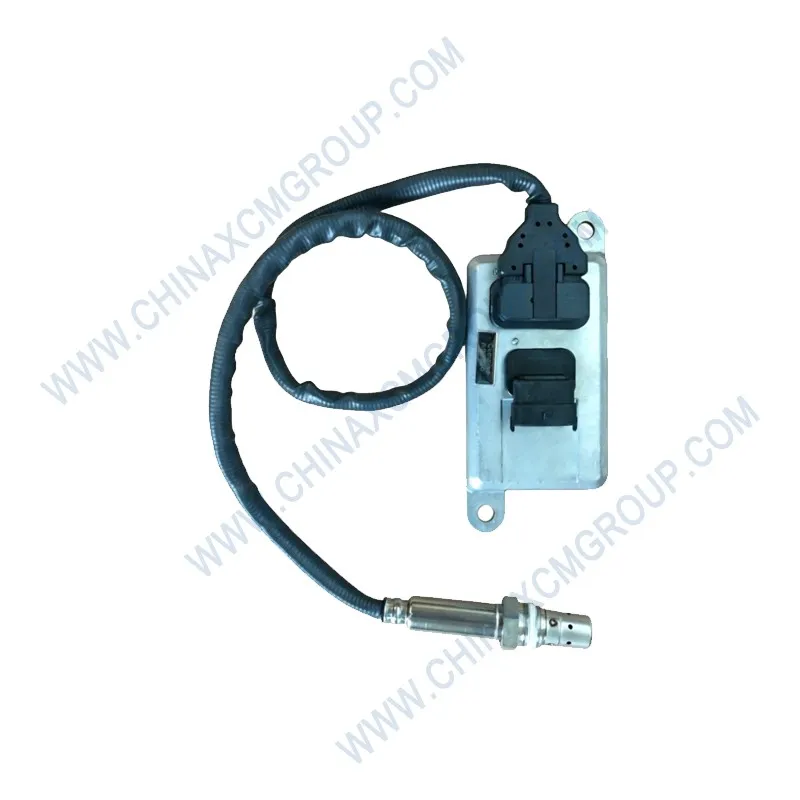
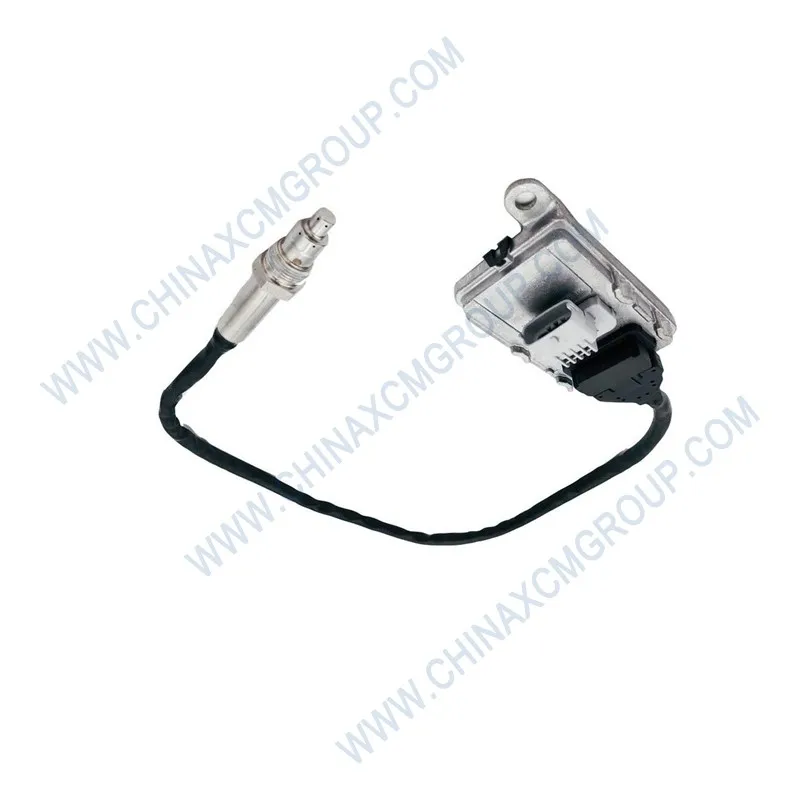
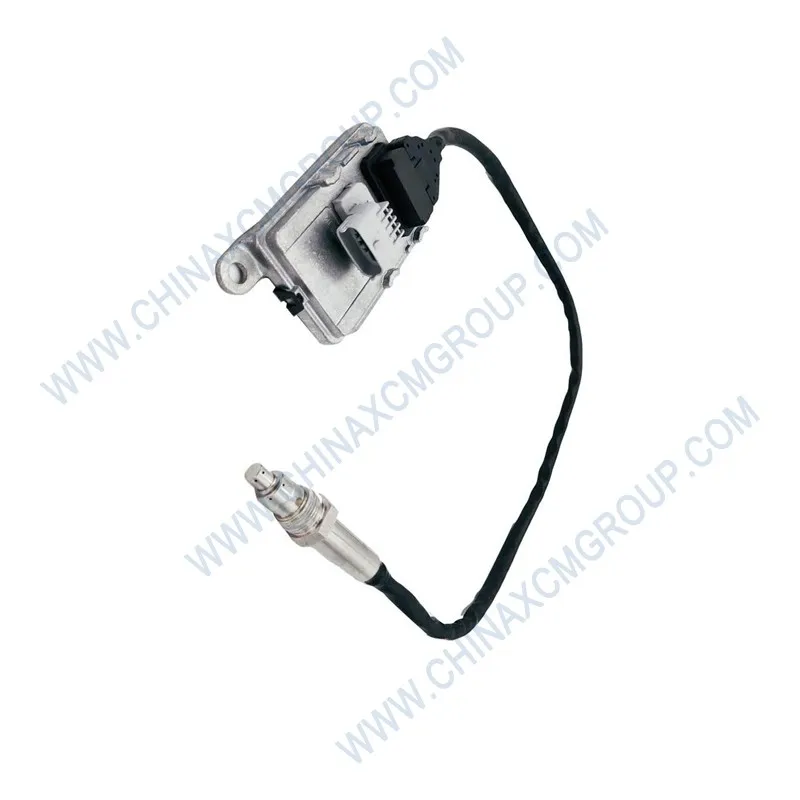
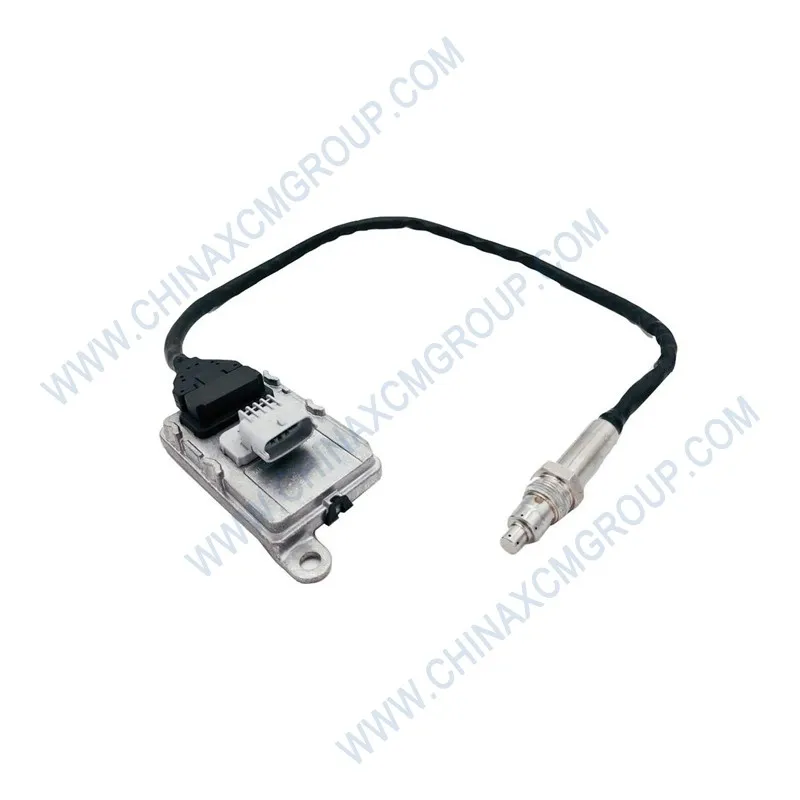
The genuine XCMG NOx Sensor A57 with OEM number 800166249 is an advanced nitrogen oxide sensor designed for XCMG articulated dump trucks equipped with SCR (Selective Catalytic Reduction) aftertreatment systems. This sensor measures NOx concentration in exhaust gas upstream and downstream of the SCR catalyst, enabling precise urea injection control for Tier 4 Final / Stage V emission compliance. The OEM 800166249 sensor ensures accurate readings, preventing derates and maintaining engine performance.
The XCMG NOx Sensor A57 800166249 is a key component of the selective catalytic reduction system on modern AD-series dump trucks. It measures the amount of nitrogen oxides leaving the engine and after passing through the SCR catalyst. The engine control unit uses this data to calculate the precise amount of diesel exhaust fluid (DEF) to inject, achieving up to 95% NOx reduction.
A failing or inaccurate NOx sensor can cause the ECU to over-dose or under-dose urea. Over-dosing leads to ammonia slip and crystallized deposits in the exhaust pipe. Under-dosing results in exceedance of emission limits, triggering a check engine light and eventually a 20% torque derate. The genuine 800166249 sensor ensures the SCR system operates within legal and performance boundaries.
The NOx sensor uses a zirconia ceramic element with two internal chambers: one measures oxygen concentration, and the other decomposes NOx into oxygen and nitrogen, measuring the differential. The heater brings the sensor tip to 750°C within 30 seconds of engine start, enabling fast light-off. The sensor also performs continuous internal diagnostics, including heater circuit monitoring and zero-current checks.
The A57 variant (800166249) is calibrated specifically for XCMG AD-series exhaust configurations (pipe diameter, backpressure, and insulation). Using a generic sensor may cause incorrect NOx readings because the calibration coefficients stored in the sensor’s EEPROM differ. Genuine XCMG sensors are pre-programmed with the correct CAN identifier and scaling factors for plug-and-play replacement.
The 800166249 sensor is used as both the upstream (before SCR) and downstream (after SCR) NOx sensor on many XCMG models. On AD45 and AD60 trucks with Cummins QSM11, one sensor is mounted in the exhaust manifold, and a second sensor is located after the SCR catalyst. When replacing, always confirm the position — upstream and downstream sensors are identical but have different CAN addresses; the ECU will auto-detect the position based on wiring.
On AD80/AD100 with Mercedes-Benz OM460, the sensor is typically located on the clean gas side of the SCR, with an additional temperature sensor. The genuine XCMG A57 sensor includes the correct cable length (1.2 m) and protective heat sleeve. Counterfeit sensors often have shorter cables or wrong connector orientation, causing installation difficulties and potential wire chafing.
Before installing the NOx Sensor A57 800166249, ensure the exhaust pipe has cooled below 50°C. Disconnect the battery. Remove the old sensor using a 22 mm deep socket. Clean the bung threads with an M20 tap; do not use anti-seize compound (it can contaminate the sensing element). Hand-start the new sensor, then torque to 50 Nm. Route the cable away from hot surfaces and secure with heat-resistant ties.
Reconnect the battery and start the engine. Use a diagnostic tool (e.g., XCMG Dr. Laptop or JPRO) to monitor the NOx readings. After cold start, the sensor heater will draw 2-3 amps; once the sensor is active (usually within 60 seconds), NOx values should be plausible (50–400 ppm at idle for a warm engine). If the sensor reads a constant 0 ppm or the maximum 1500 ppm, check for wiring shorts or an incorrect sensor variant.
Typical failure symptoms for the 800166249 sensor include: persistent NOx efficiency codes (P20E8, P2200), slow response to throttle changes, or heater circuit faults (P0030, P0031). The ceramic element can crack due to thermal shock (e.g., water ingress into hot exhaust) or soot poisoning. A failed upstream sensor prevents the ECU from starting the SCR dosing, leading to a derate after 2 hours of operation.
The cost of ignoring a failing NOx sensor is high: a 20% torque derate reduces productivity by approximately 18%, costing an AD45 owner up to $400 per day in lost haulage revenue. Additionally, prolonged incorrect urea dosing can ruin the SCR catalyst (replacement cost >$8,000). Replacing a genuine 800166249 sensor ($350–500) is far cheaper than catalyst or engine repair. XCMG recommends sensor replacement every 8,000 hours proactively.
Authentic XCMG NOx Sensor A57 800166249 features a laser-etched part number on the hex body, a green dot on the connector, and a holographic label on the box. The cable has high-temperature silicone insulation and a woven glass fiber sheath. Counterfeit sensors often have a rough ceramic finish, missing calibration data (causing CAN timeout errors), and cables that become brittle after 500 hours of engine heat.
Another red flag is the price: genuine sensors cost $350–500, while fakes are often sold for under $150. However, the fake may fail within weeks and can damage the SCR controller due to incorrect electrical impedance. Always purchase from authorized XCMG dealers or the official parts network. The genuine sensor comes with a 24-month warranty and is backed by XCMG technical support.
If you see code P2201 (NOx sensor circuit range/performance), first check the sensor wiring for damage. Measure the heater resistance between pins 1 and 2: should be 3–5 ohms at 20°C. If open or shorted, replace the sensor. Code P20EE (SCR NOx catalyst efficiency below threshold) often indicates a failing downstream sensor or actual catalyst degradation. Swap the upstream and downstream sensors; if the code moves, replace the faulty sensor.
For no communication, verify CAN high/low resistance (60 ohms) and that the sensor is receiving 24V supply (pin 3 and 4). Many AD-series have a dedicated fuse for the NOx sensor heater. After replacing the sensor, clear all DTCs and perform a SCR system reset using the XCMG diagnostic software. Do not skip the learning procedure; the ECU needs to re-adapt to the new sensor’s offsets.
Using a genuine XCMG NOx sensor ensures your articulated dump truck remains compliant with local emission regulations (EPA Tier 4, EU Stage V, China National VI). Non-compliant emissions can result in fines, operating bans, or failure of periodic technical inspections. The 800166249 sensor is certified for on-road and off-road use, with proper electromagnetic compatibility and OBD-II support.
XCMG is committed to sustainable mining and construction. By using genuine emission components, you help reduce NOx pollution by up to 90% compared to older non-SCR engines. The sensor itself is designed for recyclability: the metal body and connector are recoverable. Choose genuine XCMG for compliance, reliability, and environmental responsibility.
XCMG recommends inspecting the NOx sensor cables and connectors every 2,000 hours for signs of heat damage or chafing. Replace the sensor preemptively at 8,000 hours or if any NOx-related DTC appears. When replacing, always install a new copper gasket and torque properly. Keep a spare 800166249 sensor in your service truck – a broken sensor will shut down the SCR system and derate the engine, costing far more than the part.