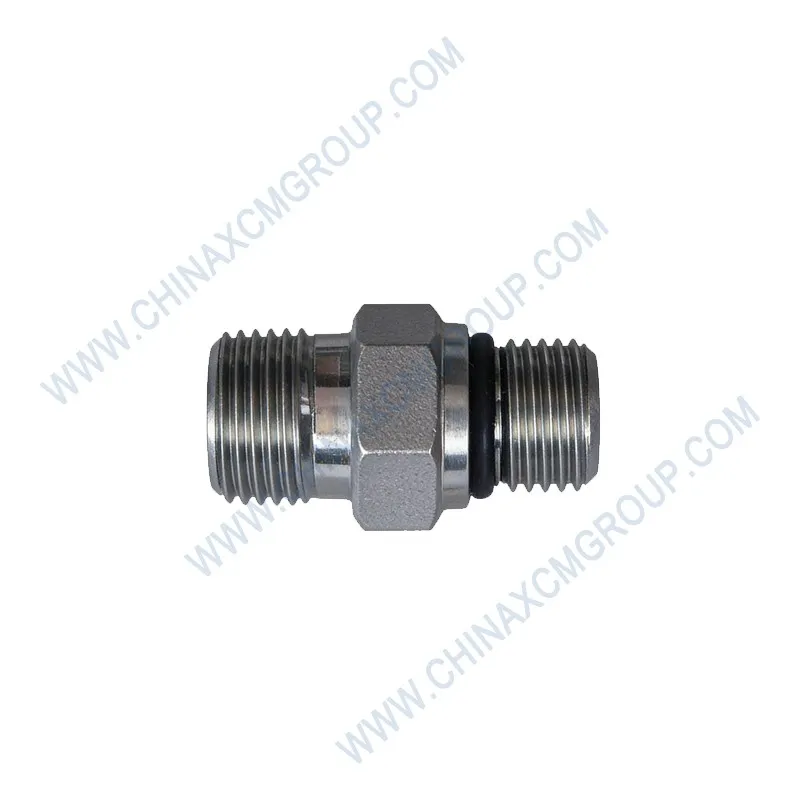
The genuine XCMG Connector with OEM number 800105475 is a heavy-duty, sealed electrical connector used extensively in XCMG articulated dump trucks and construction machinery. This multi-pin connector provides reliable power and signal transmission for engine sensors, transmission controls, lighting systems, and ECU interfaces. Designed to IP67/IP69K standards, the OEM 800105475 connector withstands pressure washing, dust, and immersion, ensuring uninterrupted operation in mining and quarry environments.
The XCMG Connector 800105475 is the backbone of the electrical system on AD-series articulated dump trucks. It links the engine control module to critical sensors (crankshaft, camshaft, boost pressure, coolant temperature) and actuators (fuel injectors, EGR valves). The 6-pin arrangement with gold-plated contacts ensures low contact resistance (<10 mΩ) even after years of exposure to vibration, moisture, and thermal cycling. Unlike generic automotive connectors, this XCMG connector is validated to 10⁶ vibration cycles without signal interruption.
The connector’s IP67 rating when mated means it can be submerged in 1 meter of water for 30 minutes without ingress. With the optional secondary lock, the IP69K rating allows direct high-pressure washdown (80°C water at 100 bar) – essential for cleaning trucks after shifts in sticky clay or coal dust.
The 800105475 connector features male (pin) and female (socket) contacts stamped from high-conductivity brass, then nickel- and gold-plated. The gold layer (0.5 µm thick) prevents oxidation and fretting corrosion – a common failure in connectors subjected to micromotion from engine vibration. The housing is molded from glass-filled PA66, which maintains dimensional stability up to 125°C and resists diesel, hydraulic oil, and battery acid.
Each contact is independently sealed with a silicone wire seal that compresses around the insulation, while an interfacial seal between mating halves blocks water. The connector also includes a CPA (Connector Position Assurance) latch that prevents accidental unmating. XCMG assembles these connectors in clean-room environments to avoid contamination of the gold surfaces.
The 800105475 connector is a direct replacement for the original engine harness connectors on AD45 through AD100 trucks. It is used at the following locations: engine coolant temperature sensor (ECT), intake air temperature sensor (IAT), fuel pressure sensor, and the electronic unit injector return circuit. The connector’s 6-pin configuration and keyway design prevent cross-mating with other connectors. For wiring repairs, replacement pigtail assemblies (with 20 cm wire leads) are available (p/n 800105476).
Outside of AD trucks, the same connector appears on XE370/470 excavators (engine harness to main ECU) and LW800/900 loaders (transmission control). Always confirm the number of pins and terminal size before ordering; the OEM 800105475 uses 2.8 mm terminals. If your application requires 4-pin or 8-pin connectors, refer to XCMG part numbers 800105476 and 800105477 respectively.
To install the Connector 800105475, first cut back the damaged connector. Strip wire insulation to 6 mm. Use the XCMG-approved crimping tool (p/n 800105478) with the correct die for 2.8 mm terminals. Crimp the terminal onto the wire, ensuring the wire insulation is captured by the secondary crimp. Insert the terminal into the connector housing until it clicks. Pull back lightly to confirm retention. Repeat for all 6 cavities. Install the silicone wire seals onto each wire before crimping.
After all terminals are loaded, insert the mating connector half and lock the latch. Test continuity with a multimeter. For a repair that will be exposed to heavy washdown, apply dielectric grease to the seal surface (not inside the contacts). Torque specification for the connector mounting screw (if panel-mounted) is 2.5 Nm. Always use genuine XCMG terminals and seals; aftermarket terminals may not provide proper crimp height, leading to intermittent connections.
Common failure signs of a connector include intermittent check engine lights that come and go, erratic sensor readings (e.g., sudden temperature spikes to -40°C), or no communication with diagnostic tools. Corrosion inside the connector appears as green or white powder on terminals. A failed connector can cause a fuel injector to stop firing, leading to misfire, DPF overloading, and eventually derate. Loss of crankshaft position signal can stall the engine and prevent restart.
The cost of replacing a connector is under $30 in parts and 30 minutes of labor. However, a misdiagnosed intermittent connection can lead to replacing expensive sensors ($200–500 each) or even an ECU ($2,500) without solving the problem. Fleet data shows that 12% of “sensor failure” calls are actually due to connector corrosion. Using genuine XCMG 800105475 connectors with proper sealing eliminates this waste.
Authentic XCMG 800105475 connectors have a distinct “XCMG” logo and part number molded into the housing. The gold terminals are bright and uniform; counterfeit terminals are often tin-plated or have a thin gold wash that wears off quickly. The silicone seals in genuine connectors are pliable and fit tightly; fakes often use cheap rubber that hardens after a few heat cycles, allowing water ingress. The lock latch on genuine connectors produces a crisp click; fakes may feel mushy.
A simple test: genuine connectors can be mated/unmated 100 times without degradation; counterfeits may lose retention after 20 cycles. The packaging of genuine parts includes a barcode label with lot traceability and a holographic sticker. Always buy from authorized XCMG parts suppliers. A counterfeit connector that fails in the field can cause hours of diagnostic downtime – far more costly than the savings from a cheap part.
During every engine service (500 hours), disconnect and inspect all critical connectors (ECT, CPS, fuel pressure). Look for signs of moisture, corrosion, or bent pins. If moisture is present, dry the connector with compressed air and apply dielectric grease. Replace any connector with cracked housing or damaged seals. For connectors that have been submerged in mud, disassemble, clean with electrical contact cleaner, and replace the wire seals if they have lost elasticity.
When performing major engine overhauls, it is wise to replace all engine harness connectors preemptively. The low cost of the 800105475 connector set ensures that the new engine will not suffer from old, brittle connectors. Keep a stock of pigtail repair kits on the service truck – they allow quick splice-in repairs without waiting for parts.
XCMG’s connector production follows ISO 14001 environmental management. The PA66 housing is recyclable, and the gold plating process uses non-cyanide electrolytes. The connector meets the EU’s REACH and RoHS directives, containing no lead, mercury, or hexavalent chromium. By using genuine connectors, you prevent electrical failures that could lead to hazardous situations (e.g., fuel injector faults causing raw fuel to enter exhaust, potentially igniting).
Additionally, reliable connectors reduce the need for premature replacement of electronic modules, lowering overall e-waste. XCMG participates in a connector recycling program where used connectors are collected, disassembled, and their metal contacts recovered. Choose genuine for performance and planet.
If you have an intermittent electrical problem, start by wiggling the connector while monitoring live data. A change in sensor reading indicates a poor connection. Perform a pin-to-pin voltage drop test: back-probe the connector and measure resistance – should be <1 ohm. If higher, remove the terminal and inspect for corrosion. Clean with a burnishing tool, never sandpaper (removes plating). If the terminal is deformed, replace it with a genuine XCMG repair terminal. After repair, perform a pull test on the wire to ensure it is crimped securely.
If the connector latch is broken, replace the entire housing – do not rely on zip ties to hold it together, as vibration will eventually cause separation. For high-mileage trucks, consider upgrading to the 800105475-01 variant that includes a secondary lock (CPA) for additional security.