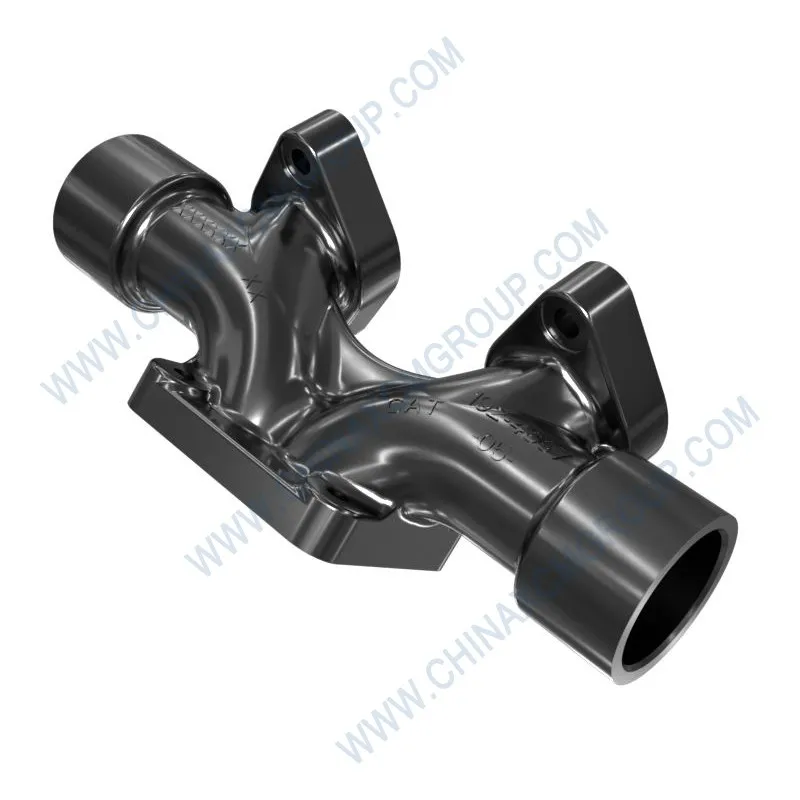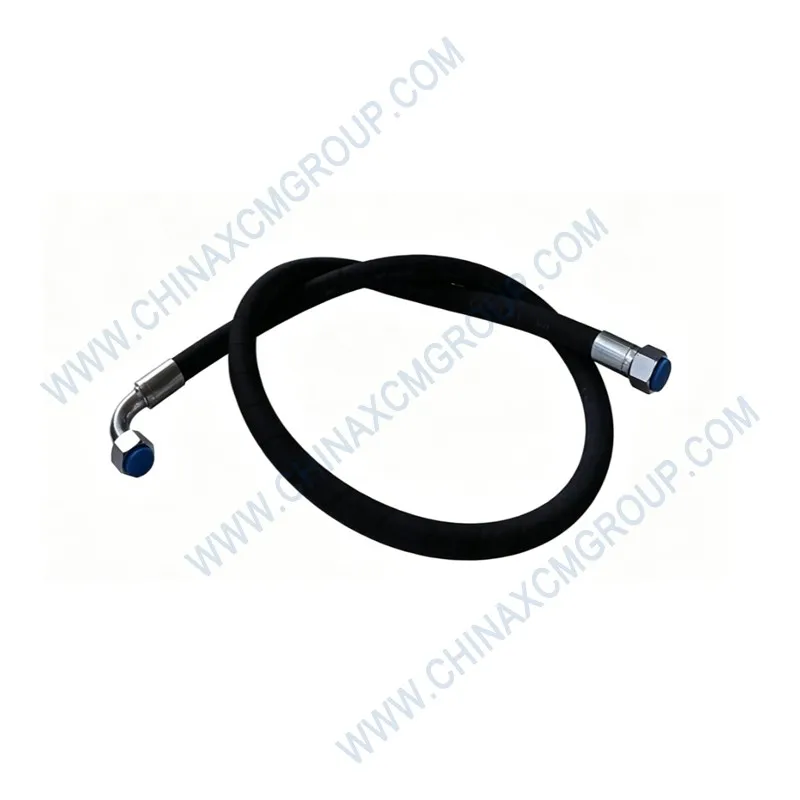
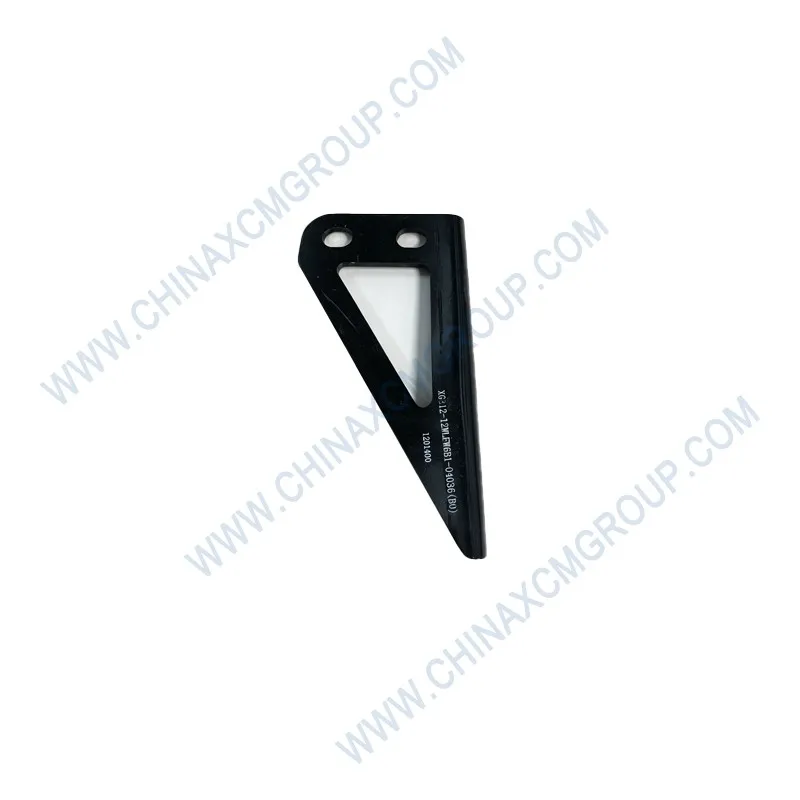
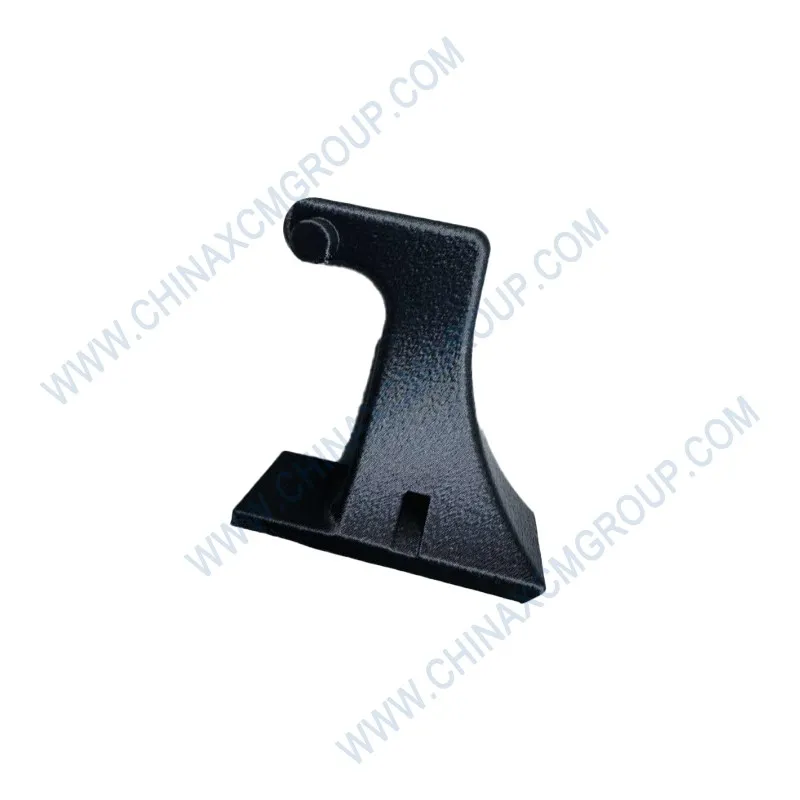
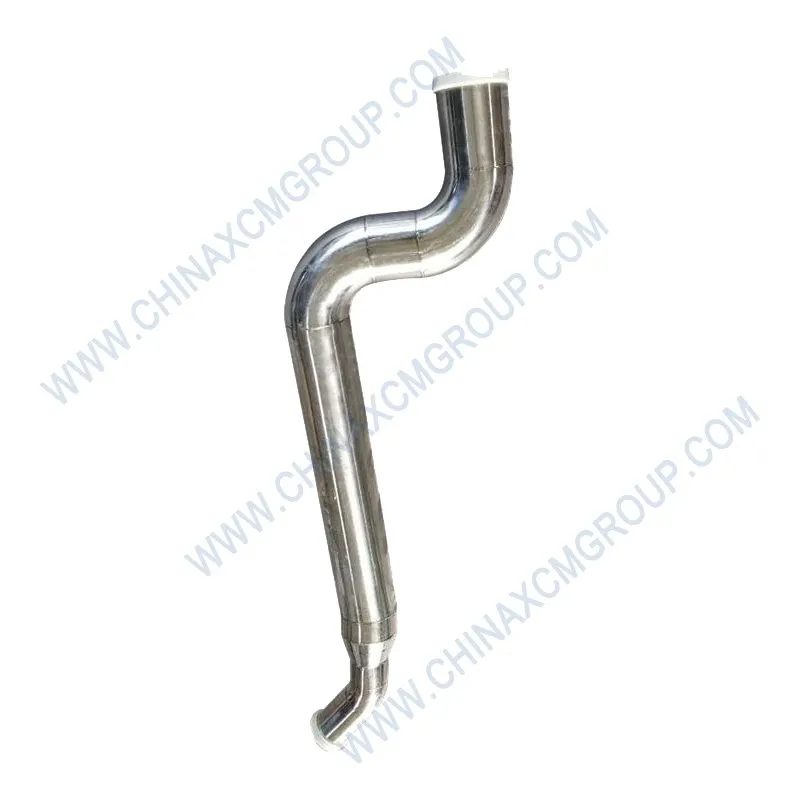
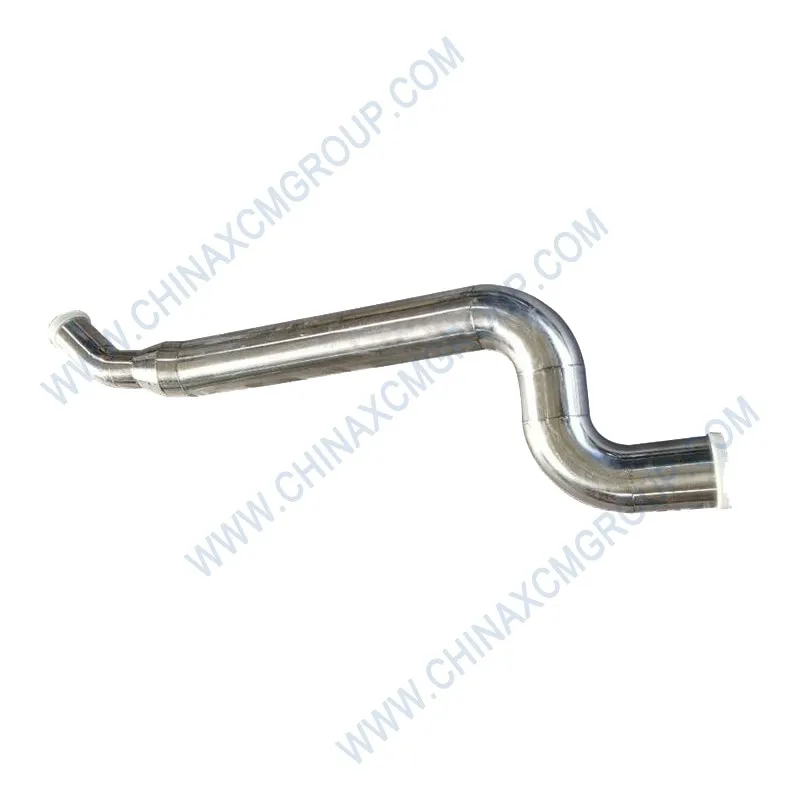
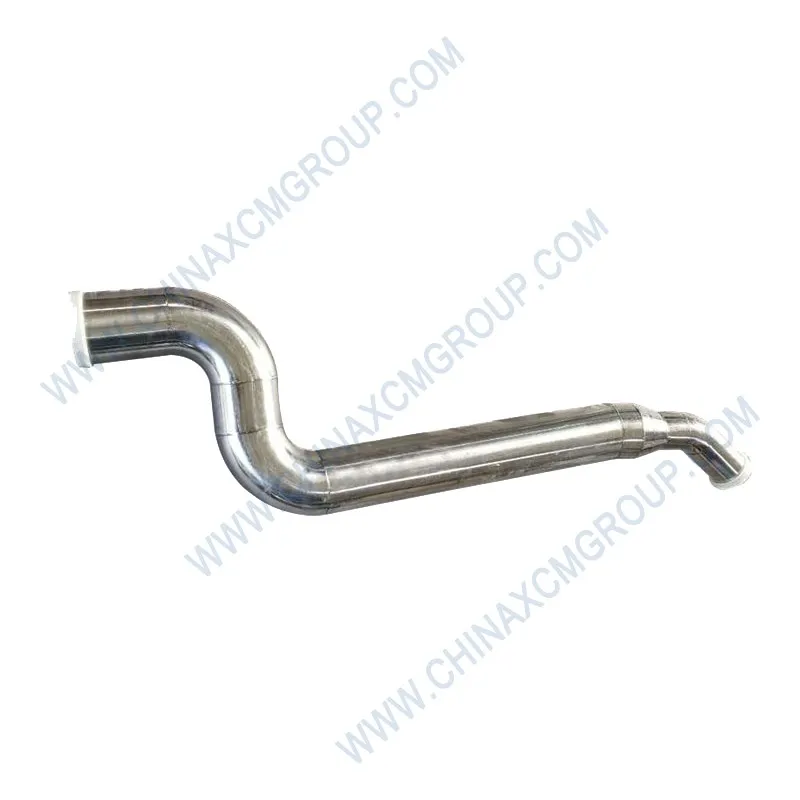
The genuine XCMG Intercooler Inlet Pipe with OEM number 800166246 is a precision-formed charge air duct engineered for XCMG articulated dump trucks, wheel loaders, and heavy off-highway equipment. This pipe delivers compressed, hot air from the turbocharger outlet to the intercooler inlet, where it is cooled before entering the engine intake manifold. Manufactured from high-temperature resistant stainless steel or aluminized steel with welded flanges and a corrosion-resistant coating, the XCMG 800166246 intercooler inlet pipe provides reliable sealing, vibration resistance, and long service life in extreme mining, quarry, and construction environments.
The XCMG Intercooler Inlet Pipe 800166246 is a vital component of the charge air cooling system. It carries hot, compressed air from the turbocharger outlet to the intercooler (charge air cooler). A properly sized and routed inlet pipe minimizes pressure drop and ensures the intercooler receives the full flow of hot air, allowing efficient heat transfer. Any restriction or leak in this pipe reduces engine power, increases fuel consumption, and raises exhaust gas temperatures (EGT).
On AD‑series articulated dump trucks, this pipe is typically routed from the turbocharger compressor housing to the intercooler inlet flange. Field data shows that using a genuine XCMG 800166246 pipe eliminates boost leaks and reduces EGT by up to 30°C, improving fuel economy by 2–3% and extending turbocharger life.
The 800166246 inlet pipe is manufactured from 304 stainless steel (standard) or high‑temperature aluminized steel (optional). Stainless steel offers excellent resistance to oxidation and thermal fatigue, even when exposed to continuous temperatures up to 250°C (intermittent 350°C). The aluminized steel version provides a cost‑effective solution with adequate corrosion protection for less severe environments.
The pipe ends are precision‑formed to accept V‑band clamps or bolted flanges. The welded joints are stress‑relieved and dye‑penetrant inspected to ensure zero porosity. The stainless steel version is passivated, giving a smooth, rust‑free surface that resists pitting even after years of exposure to road salt and engine bay moisture.
The XCMG intercooler inlet pipe 800166246 is a direct OEM replacement for original part numbers 800166246A and 800166246B. Its pre‑formed bends match the exact routing of the AD‑series engine compartment, eliminating the need for cutting or re‑bending. The flange bolt pattern and V‑band groove align perfectly with the turbocharger outlet and intercooler inlet.
When replacing the pipe, always use new gaskets or O‑rings (included in the OEM kit) and new V‑band clamps. The pipe is supplied with protective end caps to prevent contamination during storage. Installation torque for flange bolts is 45 Nm (M10) or 80 Nm (M12), depending on the model year.
To replace the intercooler inlet pipe, first allow the engine to cool completely. Loosen the V‑band clamps or flange bolts at both ends. Remove the old pipe, taking care not to damage nearby hoses or wiring. Clean the mating surfaces on the turbocharger outlet and intercooler inlet, removing old gasket material and carbon deposits.
Position the new XCMG 800166246 pipe, ensuring the alignment marks (if any) match the original orientation. Install new gaskets or O‑rings, then hand‑tighten the clamps or bolts. Torque V‑band clamps to 25 Nm (for 100 mm size) or flange bolts to the specified torque. Start the engine and check for boost leaks using soapy water – bubbles indicate a leak.
Inspect the pipe annually for external corrosion, cracks, or soot stains (indicating a leak). If the pipe shows any sign of rust through (for steel version) or cracking, replace it immediately. Re‑torque V‑band clamps after the first heat cycle, as the gasket may compress.
Counterfeit intercooler inlet pipes sold as 800166246 often use thin‑walled mild steel that rusts from the inside out within 12–18 months. Symptoms include boost leaks (hissing sound), loss of power, and soot buildup around the flange. Genuine XCMG pipes have a uniform wall thickness, a laser‑etched part number, and a durable coating that resists chipping.
Another issue is incorrect bend angles. Aftermarket pipes may not match the factory routing, causing the attached silicone hose to kink or rub against the engine block. Genuine XCMG pipes are bent on CNC tube benders; the angles are verified using a CMM. Always compare the new pipe side‑by‑side with the old one before installation.
Flange flatness: Counterfeit flanges may be warped, causing gasket leaks. Genuine XCMG flanges are faced flat (surface roughness Ra ≤ 3.2 µm) and drilled with a precision jig. A straight edge placed across the flange should show no gaps.
A cracked or leaking intercooler inlet pipe can cause a drop in boost pressure, reducing engine power and increasing fuel consumption by 5–10%. Replacing a faulty pipe costs $50–100, but the fuel savings alone can pay for the part within a few months. For a truck consuming 30,000 litres of diesel annually, a 5% fuel penalty wastes $1500.
Predictive maintenance: Monitor boost pressure via the ECU or a gauge. If maximum boost is lower than specification (e.g., 2.2 bar instead of 2.5 bar), suspect a leak in the charge air system. Also listen for a hissing sound under acceleration. Inspect the pipe for soot trails or oil stains – both indicate a leak. Use a smoke test machine for difficult‑to‑find leaks.
Payback analysis: A genuine XCMG inlet pipe costs approximately $65. If it prevents one turbocharger failure ($2500) and reduces fuel consumption by 3% ($900/year), ROI is achieved in less than 3 months. For a fleet of 10 trucks, annual savings on boost‑related failures can exceed $15,000.
Every XCMG Intercooler Inlet Pipe 800166246 is produced in an IATF 16949‑certified facility. Each pipe undergoes 100% dimensional inspection, hydrostatic pressure testing (2.5 MPa for 5 minutes), and weld quality verification (dye penetrant). Random samples are subjected to thermal cycling (-40°C to +350°C, 500 cycles) and salt spray (500 hours). XCMG provides a 24‑month warranty against leaks or corrosion perforation.
Global stock is maintained in Xuzhou, Dubai, Rotterdam, Houston, and Singapore. Emergency orders ship within 24 hours. XCMG also offers a pipe and clamp kit (part 800166246‑KIT) which includes the intercooler inlet pipe, two V‑band clamps, and new gaskets. Bulk orders for fleet customers qualify for volume discounts.
To verify authenticity, scan the QR code on the packaging – it links to the pressure test certificate and material report. Always insist on genuine XCMG 800166246; counterfeit pipes have caused catastrophic turbocharger failures and engine power loss.
XCMG tested the 800166246 inlet pipe under extreme conditions: -45°C cold soak, +350°C hot gas cycling (1,000 cycles), and 500 hours of salt spray. The stainless steel pipe showed no cracks, no loss of wall thickness, and no corrosion. The welded joints retained full strength and did not leak. The passivated surface resisted pitting even after the salt spray test.
For applications with high soot loading (e.g., from EGR systems), XCMG offers an internal coating (800166246‑IC) that prevents carbon buildup, maintaining smooth airflow. For extreme vibration environments (rock trucks), a reinforced version with welded support brackets is available (800166246‑RB).
The pipe’s internal smooth finish (Ra ≤ 1.6 µm) reduces flow resistance and prevents pressure drop. In flow bench tests, the genuine pipe exhibited a pressure drop of less than 0.03 bar at 500 m³/h, ensuring the intercooler receives full flow.