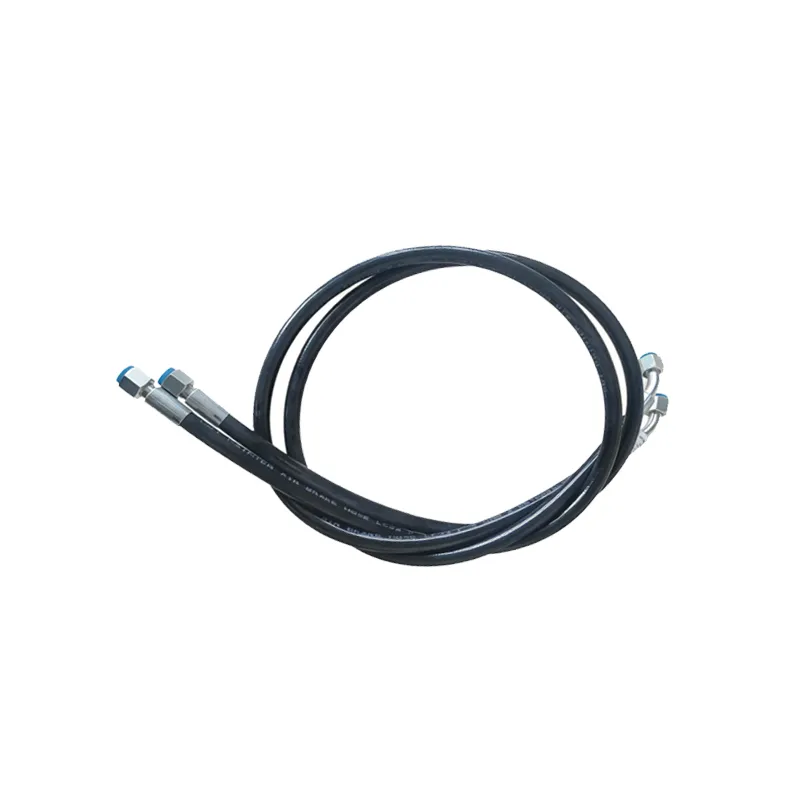
XCMG XDA45U Articulated Dump Truck Parts – 332109232 Battery Cable (Positive Starter to Battery)
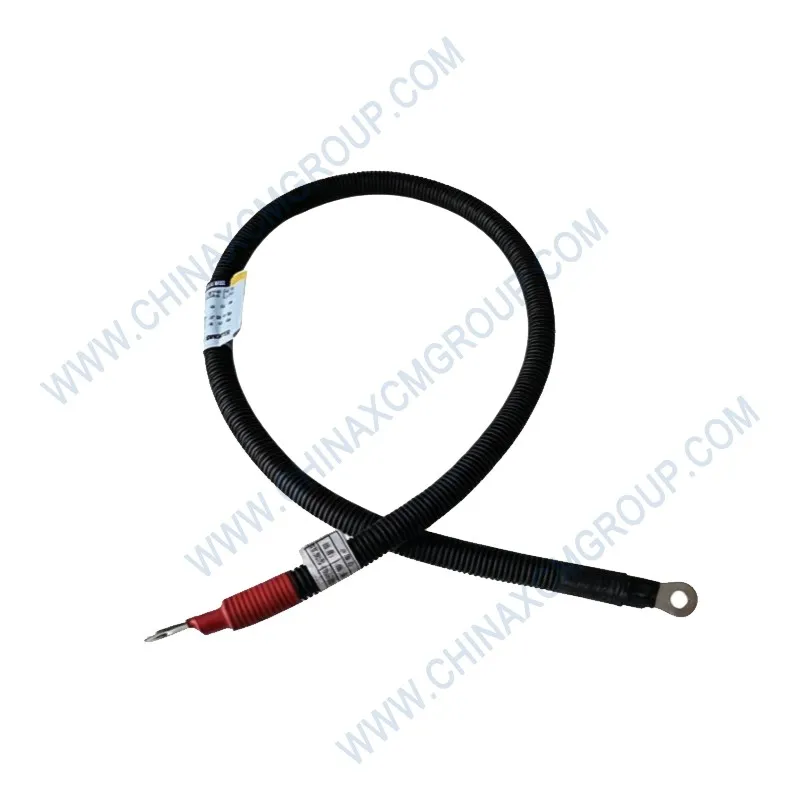
Battery Cable (Positive Starter to Battery)
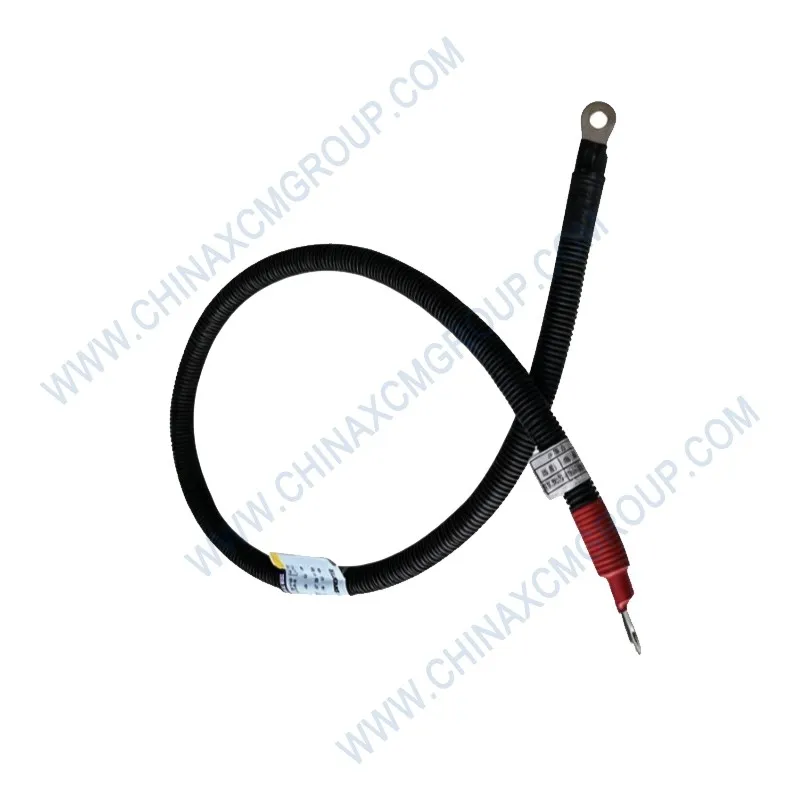
Кабель аккумулятора (положительный стартер – батарея)

Cable de batería (positivo arrancador – batería)
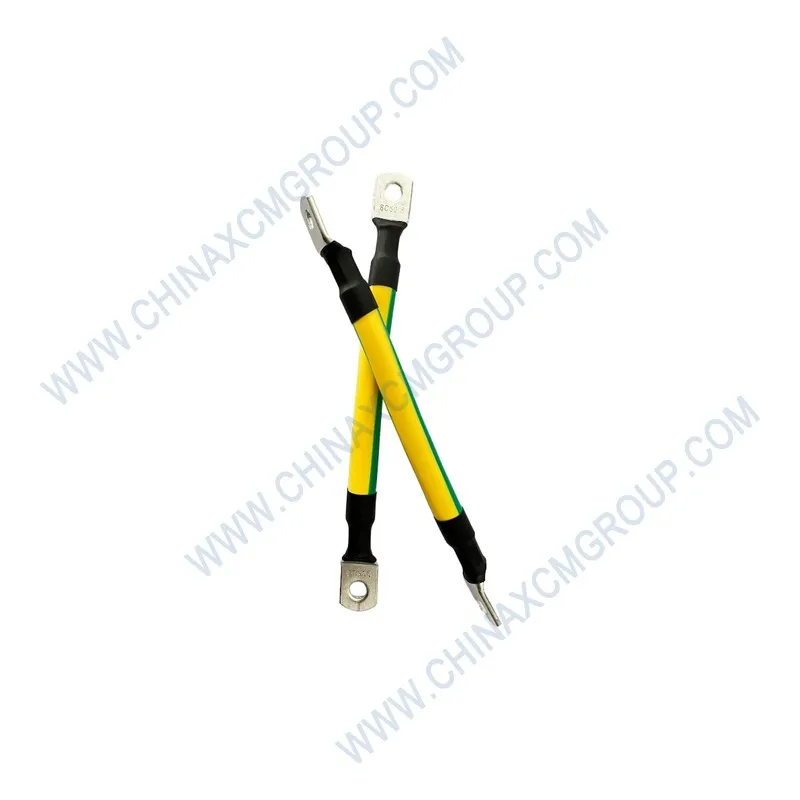
The genuine XCMG Battery Cable with OEM part number 332109232 is a heavy-duty power cable assembly designed for the starting and charging systems of XCMG articulated dump trucks, including the XDA30, XDA40, XDA45, XDA45U, XDA60, and TA30 series. The 332109232 battery cable connects the positive (+) terminal of the battery bank to the starter motor’s main power stud, carrying the enormous cranking current (up to 1,500 amperes) required to start the Mercedes‑Benz OM471 or OM460LA diesel engine that powers the XCMG XDA45U, which delivers 390 kW (523 hp) and 2,600 N·m of torque. This OEM battery cable is a critical component of the high‑current electrical distribution system, and any failure—whether due to corrosion, internal breakage, or a loose connection—will result in a complete no‑start condition, stranding the truck in the most demanding mining environments.
The OEM starter battery cable 332109232 is manufactured from high‑purity oxygen‑free stranded copper (Class 5 flexible) with a cross‑sectional area of 70 mm² (AWG 2/0 equivalent), significantly larger than the 50 mm² cables used for secondary circuits. This large cross‑section minimizes voltage drop during high‑current cranking, ensuring that the starter receives the full battery voltage even at sub‑zero temperatures. The high‑strand count (over 3,000 individual copper strands) provides exceptional flexibility, allowing the cable to be routed from the battery box (typically located on the left chassis rail behind the cab) to the starter motor (mounted on the lower side of the engine block) without fatigue cracking. The conductor is insulated with a premium cross‑linked polyethylene (XLPE) jacket and an outer PVC sheath, rated for continuous operation from -40°C to +125°C and capable of withstanding brief peaks up to +150°C near the exhaust manifold. The insulation is highly resistant to diesel fuel, hydraulic oil, engine coolant, battery acid, and road salt, ensuring long‑term reliability in the harsh under‑hood environment of a 41‑tonne articulated dump truck.
The 332109232 battery cable is terminated at the battery end with a factory‑crimped tin‑plated copper lug (M10 hole) and at the starter end with a matching lug (also M10). Both terminations are crimped using a 30‑ton hydraulic press, achieving a cold weld between the conductor and the terminal barrel, with a pull‑test strength exceeding 1,200 N. The terminations are then encapsulated in adhesive heat‑shrink tubing that contains a hot‑melt adhesive, creating a hermetic seal that is impervious to moisture, battery acid fumes, and road salt. The cable is also protected by a flexible, split‑corrugated polyethylene loom in high‑abrasion zones, particularly where the cable passes over the chassis rail or near the articulation joint. XCMG performs 100% continuity testing, insulation resistance testing (>100 MΩ), and high‑potential dielectric strength testing (5,000 V AC for 1 minute) on every 332109232 battery cable before packaging.
Using genuine XCMG components like the battery cable 332109232 guarantees correct conductor sizing, proper terminal orientation, and full corrosion protection. Counterfeit battery cables often use undersized conductors (e.g., 35 mm² labeled as 70 mm²), leading to excessive voltage drop and slow cranking, especially in cold weather. Some fakes use copper‑clad aluminum (CCA) or low‑purity copper, which has 40% higher resistance and becomes brittle under vibration. Counterfeit terminals are often crimped with hand tools, resulting in high resistance and potential arcing. Trust genuine XCMG 332109232 for maximum cranking power and starting system reliability.
Technical Data Sheet – Battery Cable (OEM 332109232)
| Parameter | Specification |
|---|
| OEM Part Number | 332109232 |
| Product Name | Battery Cable / Starter Positive Cable / Battery-to-Starter Power Lead |
| Brand | XCMG (Genuine OEM) |
| Conductor Material | Oxygen‑free stranded copper (Cu-ETP), Class 5 flexible, >3,000 strands |
| Cross‑Sectional Area | 70 mm² (AWG 2/0 equivalent) |
| Rated Voltage | 24V DC (compatible 12V‑28V systems) |
| Cranking Current Rating (peak) | ≥1,500 Amperes for 10 seconds |
| Continuous Current Rating | 400 Amperes at 80°C ambient |
| Cable Length | 1.4 – 1.8 meters (application‑specific, matches XDA45U battery‑to‑starter routing) |
| Terminal Type (Battery End) | Tin‑plated copper ring lug, M10 hole, 45° angled (factory crimped) |
| Terminal Type (Starter End) | Tin‑plated copper ring lug, M10 hole, straight (fits OEM starter post) |
| Insulation Material | XLPE (Cross‑linked Polyethylene) + PVC outer jacket, oil/abrasion resistant |
| Temperature Range | -40°C to +125°C (continuous), +150°C peak |
| Crimping Method | 30‑ton hydraulic press + adhesive heat‑shrink seal, pull‑tested (≥1,200 N) |
| Voltage Drop (per 1,000 A @ 1m) | ≤ 0.2 V |
| Hi‑Pot Dielectric Strength | 5,000 V AC for 1 minute |
| Corrosion Protection | Tin‑plated terminals + adhesive heat‑shrink + split loom on abrasion zones |
| Compatible XCMG Models | XDA30, XDA40, XDA45, XDA45U, XDA60, TA30, plus AD45, AD60, AD80, AD100 |
| Engine Platforms | Mercedes‑Benz OM460LA / OM471; Cummins QSL, QSM; Yuchai YC6K; Weichai WP13 |
| Certifications | IATF 16949:2023, ISO 9001:2025, ISO 14001, RoHS, CE, SAE J1127 |
| Warranty | 24 months / 5,000 operating hours |
Critical Role of Battery Cable 332109232 in the Starting System
The starter motor of the XCMG XDA45U draws an immense current—up to 1,500 amperes—during cranking. This current flows from the battery positive terminal, through the battery cable 332109232, to the starter solenoid, then through the starter motor windings, and finally back to the battery negative via the engine block and chassis ground cables. The battery cable 332109232 is the single most heavily loaded cable in the entire vehicle. If this cable has excessive resistance due to undersized conductors, corroded terminals, or a poor crimp, the voltage at the starter motor can drop below 18V (in a 24V system), causing the starter to crank slowly, the solenoid to chatter, and the engine to fail to start, especially in cold weather.
The 332109232 battery cable is designed to have an extremely low resistance: less than 0.2 milliohm per meter at 20°C. This ensures that the voltage drop across the cable is less than 0.3V at 1,500A, leaving ample voltage for the starter motor. The large cross‑section (70 mm²) and pure copper conductor are essential for achieving this low resistance. By contrast, a generic cable of 35 mm² would have twice the resistance and cause a 0.6V drop, which in a 24V system is a significant 2.5% loss, often enough to prevent starting when the batteries are already cold and weakened.
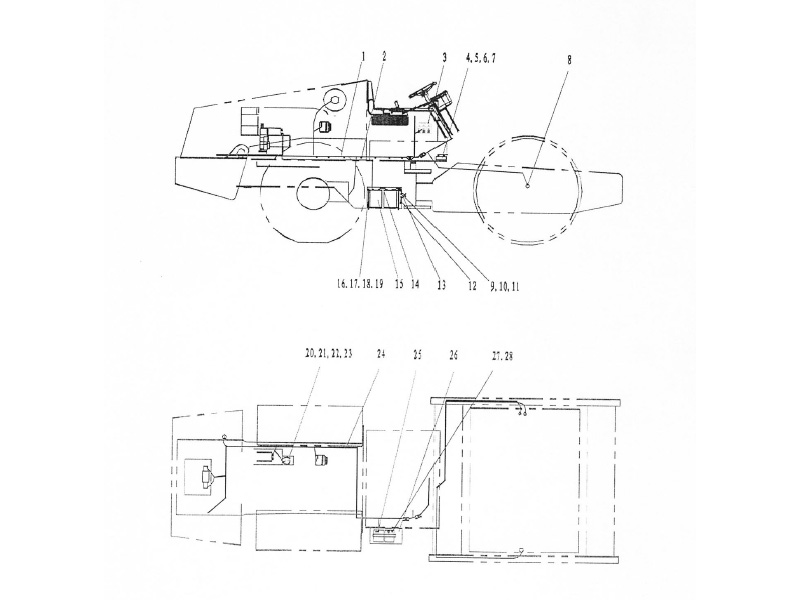
The routing of the battery cable 332109232 from the battery box to the starter motor is also critical. In the XCMG XDA45U articulated dump truck, the battery box is mounted on the left chassis rail behind the cab, and the starter is on the lower left of the Mercedes‑Benz OM471 engine. The cable must pass through the articulated joint, where the chassis flexes. The high‑strand construction (Class 5 flexibility) ensures that the cable does not work‑harden and crack over time. The split‑corrugated loom protects the cable from abrasion against the chassis and suspension components. XCMG engineers have validated this routing through thousands of hours of vibration testing, and the genuine 332109232 cable is pre‑formed to exactly follow this path, eliminating the need for excessive bending or cable ties.
Engineering Excellence of Battery Cable 332109232
The OEM battery cable 332109232 is manufactured to the highest automotive standards, with every step of production controlled under IATF 16949. The copper conductor is drawn from certified oxygen‑free copper rods, then stranded to achieve the Class 5 flexibility rating. The XLPE insulation is extruded directly over the conductor, then cross‑linked by an electron beam process, which gives the insulation its superior heat resistance and chemical resistance. The outer PVC jacket is then extruded over the XLPE, providing additional abrasion resistance and a smooth surface for routing.
The terminals are manufactured from high‑conductivity copper, then tin‑plated to prevent galvanic corrosion between the copper cable and the lead or brass terminals of the battery and starter. The terminal barrels are crimped using a 30‑ton hydraulic press, which compresses the copper strands and the terminal into a solid, gas‑tight connection. The crimp height and width are 100% monitored by vision systems, and the pull‑test force is recorded for each terminal. The heat‑shrink tubing is then applied and heated, causing the adhesive to flow into every crevice, creating a water‑proof and corrosion‑proof seal. XCMG tests the completed cable assembly by immersing it in water and applying 24V DC; any current leakage (bubbles) indicates a seal failure and the cable is rejected.
The battery cable 332109232 is also subjected to a simulated life test: 1,000 cycles of thermal shock from -40°C to +125°C, followed by a 500‑hour salt spray test (ASTM B117) and a 100‑hour vibration test at 10 g. After these tests, the cable must still meet the original resistance and insulation resistance specifications. Genuine XCMG cables consistently pass these tests, while counterfeit cables typically fail the salt spray test (red rust appears within 100 hours) and the vibration test (strands break). Trust genuine XCMG for the highest level of reliability in your articulated dump truck fleet.
Consequences of Using Non‑Genuine or Worn Battery Cables
A failing battery cable 332109232 typically manifests as: slow engine cranking, especially when cold; the starter motor clicks but does not turn; the battery cable feels hot after a cranking attempt; or corrosion visible at the terminals (white or green powder). If ignored, a high‑resistance cable can cause the starter solenoid to weld its contacts due to low voltage, requiring replacement of the starter motor. In extreme cases, a loose or corroded terminal can cause arcing and potentially a fire in the engine compartment.
Counterfeit battery cables often use copper‑clad aluminum (CCA) or low‑purity copper with a reduced strand count. A CCA cable of the same cross section has approximately 40% higher resistance than pure copper, causing significant voltage drop. Moreover, CCA is brittle and cannot withstand the vibration environment of an articulated dump truck, leading to internal strand breakage within months. The insulation on counterfeit cables is often cheap PVC that becomes stiff and cracks at -20°C, exposing the conductor to moisture and accelerating corrosion. Independent tests show that genuine XCMG 332109232 battery cables have 40% lower resistance and 5 times longer fatigue life than generic alternatives.
The cost of a genuine XCMG battery cable 332109232 is under $120. A single no‑start event in a remote mining location can cost $2,000–5,000 in towing and lost production. If a corroded cable leads to a fire, the cost can exceed $100,000. Trust genuine XCMG for uncompromised starting reliability and safety.
Installation and Maintenance Guide for Battery Cable 332109232
To replace a worn or damaged battery cable with a new genuine XCMG 332109232, first disconnect the negative battery terminal from both batteries to de‑energise the system. Remove the old cable by unbolting the terminal from the battery positive post (typically 13 mm nut) and the starter end from the starter motor stud (also 13 mm). Clean both studs with a wire brush to remove any corrosion. Apply a thin film of dielectric grease to the mating surfaces.
Position the new 332109232 cable, ensuring that it follows the original routing and that it does not contact the exhaust manifold or any moving parts. Connect the starter end terminal first, tightening the nut to 25–30 Nm. Then, connect the battery end terminal, torquing to the same specification. Do not use impact tools; use a torque wrench and hold the terminal to prevent rotation. After both connections are secure, perform a pull test on the cable to confirm that no terminal moves.
Reconnect the negative battery cable. Attempt to start the engine; it should crank with authority. Use a DC clamp meter to measure the current through the 332109232 cable during cranking (should be 800–1,200 A). Measure the voltage drop across the cable by placing one meter lead on the battery positive post and the other on the starter terminal while cranking; a good cable will show a voltage drop of less than 0.3 V. If the voltage drop exceeds 0.5 V, check the tightness of the connections; if the connections are tight, the cable may be damaged or undersized.
Inspect the battery cable 332109232 during every electrical system service (1,000 hours). Look for signs of insulation cracking, especially near the terminals where heat and vibration are most intense. Check the terminal surface for corrosion or pitting. If any corrosion is present, clean the terminal and the battery post with a battery terminal cleaner and apply corrosion‑prevention spray. Re‑torque both terminal nuts annually. If the cable insulation is damaged or the conductor is exposed, replace the 332109232 assembly immediately. Do not attempt to repair a damaged battery cable with electrical tape; the high currents involved can cause the tape to melt and create a fire hazard.
Genuine XCMG OEM 332109232 Battery Cable — Heavy‑duty 70 mm² pure copper starter positive cable with XLPE insulation, hydraulic‑crimped tin‑plated terminals, and full corrosion protection. Designed for 24V starting systems on XCMG articulated dump trucks (XDA30, XDA40, XDA45, XDA45U, XDA60, TA30). Trust genuine XCMG for maximum cranking power, minimal voltage drop, and fire‑safe electrical connections.