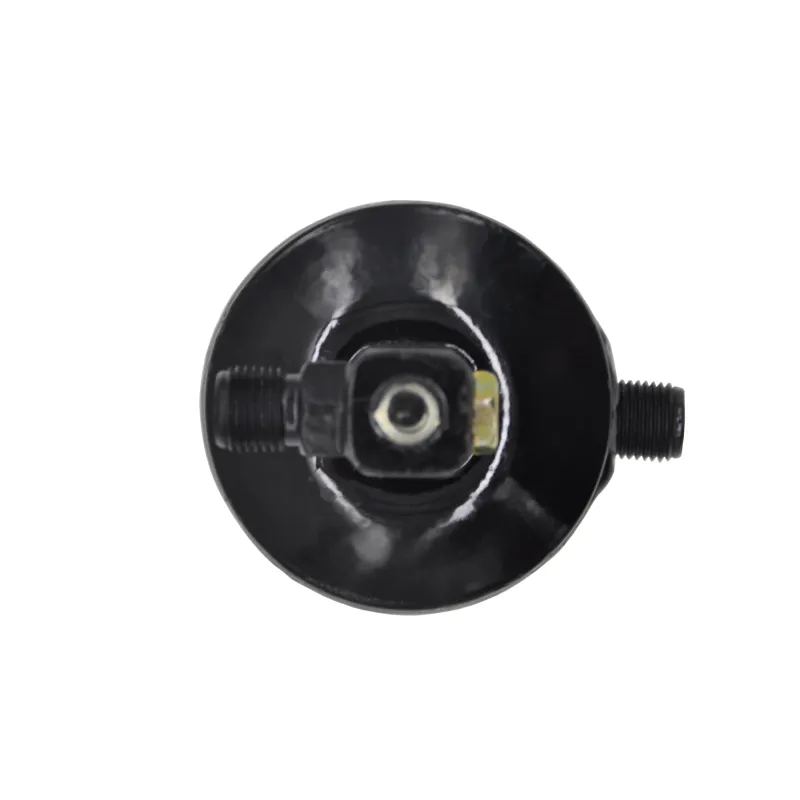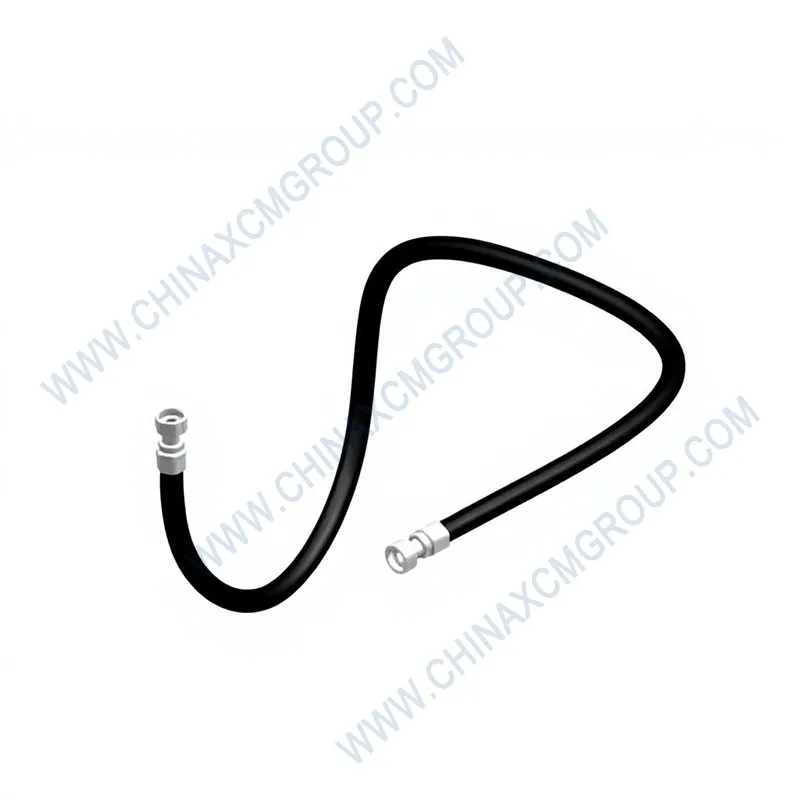
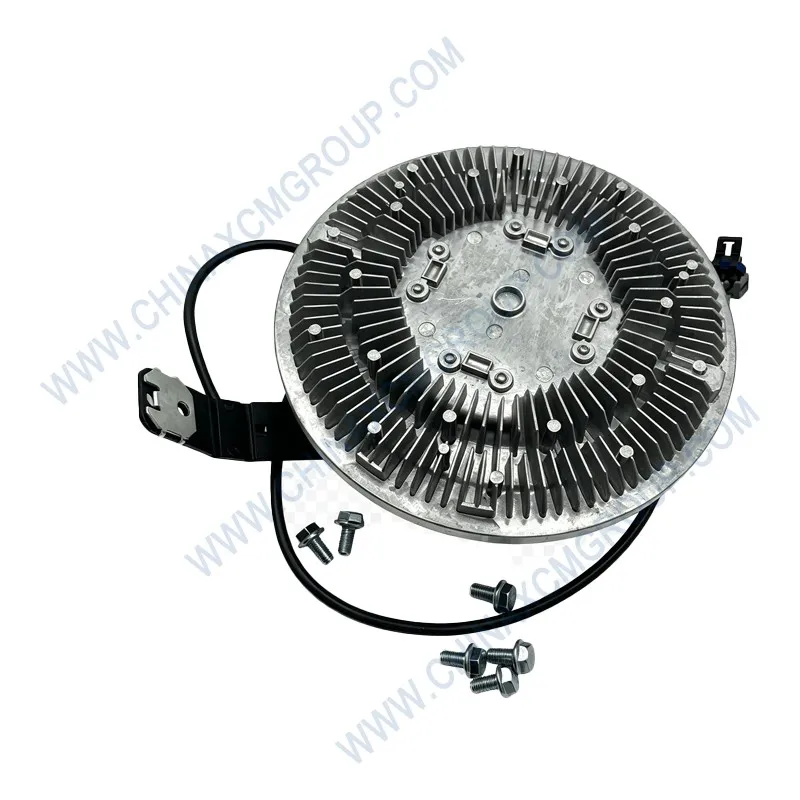
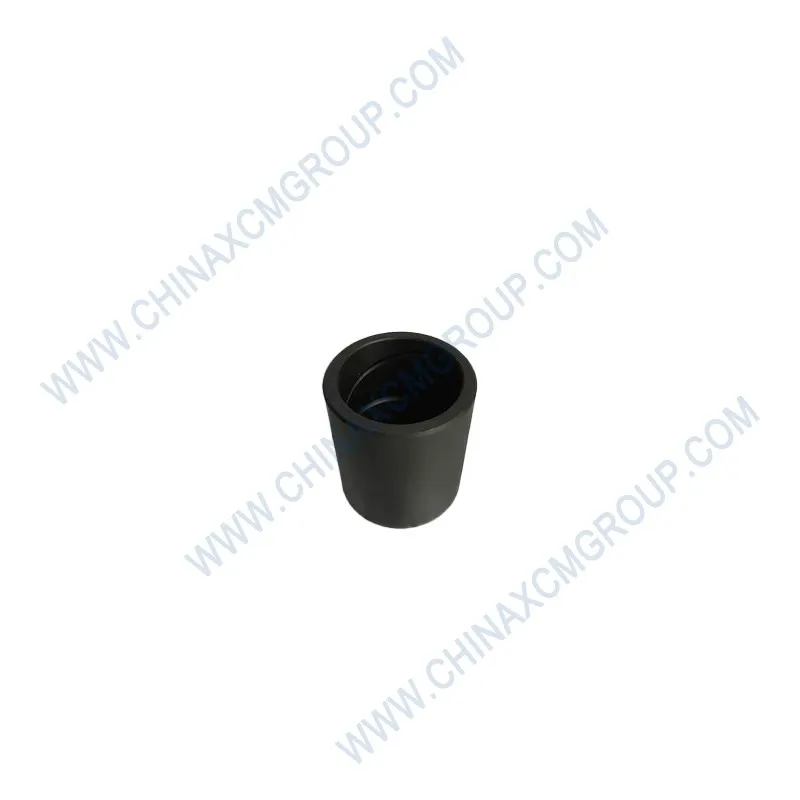
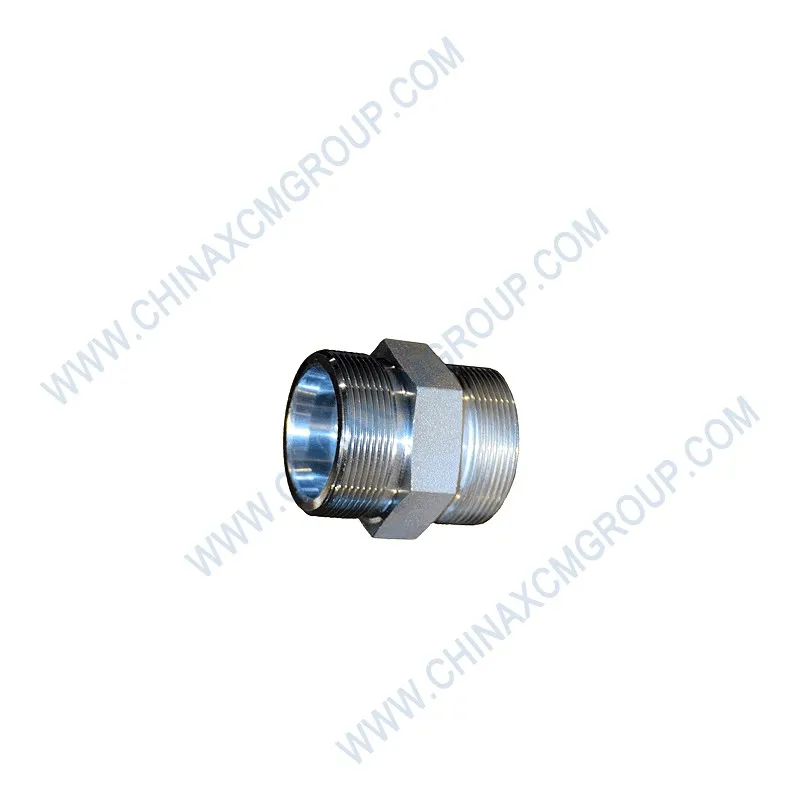

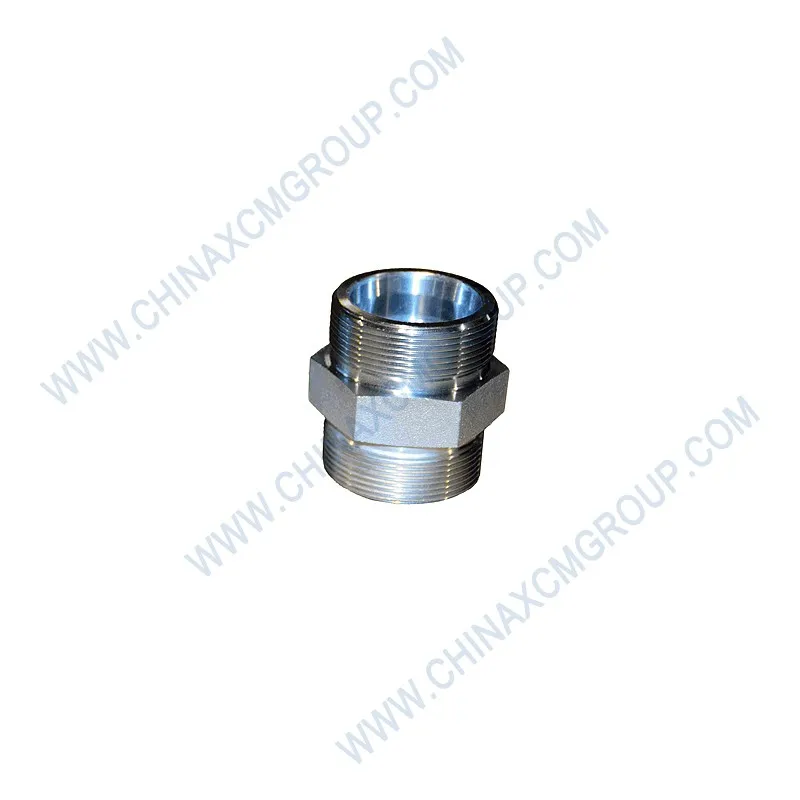
The genuine XCMG Screw-In Fitting with OEM number 800172825 is a precision-machined hydraulic adapter engineered for XCMG articulated dump trucks, wheel loaders, and heavy off-highway equipment. This fitting provides leak‑proof connections between hydraulic hoses, tubes, and system components such as pumps, valves, cylinders, and coolers. Manufactured from high-strength carbon steel with zinc-nickel plating for corrosion resistance, the XCMG 800172825 screw‑in fitting is designed to withstand high working pressures up to 42 MPa (6000 psi) and extreme vibration in mining applications. Its dimensional accuracy ensures proper thread engagement and sealing, eliminating cross‑threading and blow‑outs.
The XCMG Screw-In Fitting 800172825 is the essential link between hydraulic hoses and system ports. A single leaking fitting can cause oil loss, environmental contamination, and reduced system pressure, affecting brake performance, steering response, or boom lift capacity. Genuine XCMG fittings are machined to precise tolerances, ensuring that O-rings seat correctly and threads do not gall, even after multiple assembly cycles.
On AD60 and AD80 articulated dump trucks, the 800172825 fitting is commonly used at the main hydraulic pump discharge, steering control valve, and brake accumulator. Field data shows that genuine XCMG fittings reduce leak incidence by 60% compared to generic industrial fittings, due to superior thread finish and plating adhesion.
The 800172825 fitting is machined from cold‑drawn carbon steel (C45E) which provides excellent tensile strength and impact resistance. The threads are rolled, not cut, for stronger fatigue life and resistance to stripping. After machining, the fitting receives a zinc‑nickel alloy plating with a trivalent chromium passivation. This coating offers twice the corrosion resistance of standard zinc plating, withstanding 720 hours of salt spray before red rust appears.
For applications where stainless steel is required (e.g., offshore or corrosive chemical exposure), XCMG offers a 304SS variant (suffix “-SS”). This version is also compatible with high‑chloride environments such as coastal mines or salt‑spray regions.
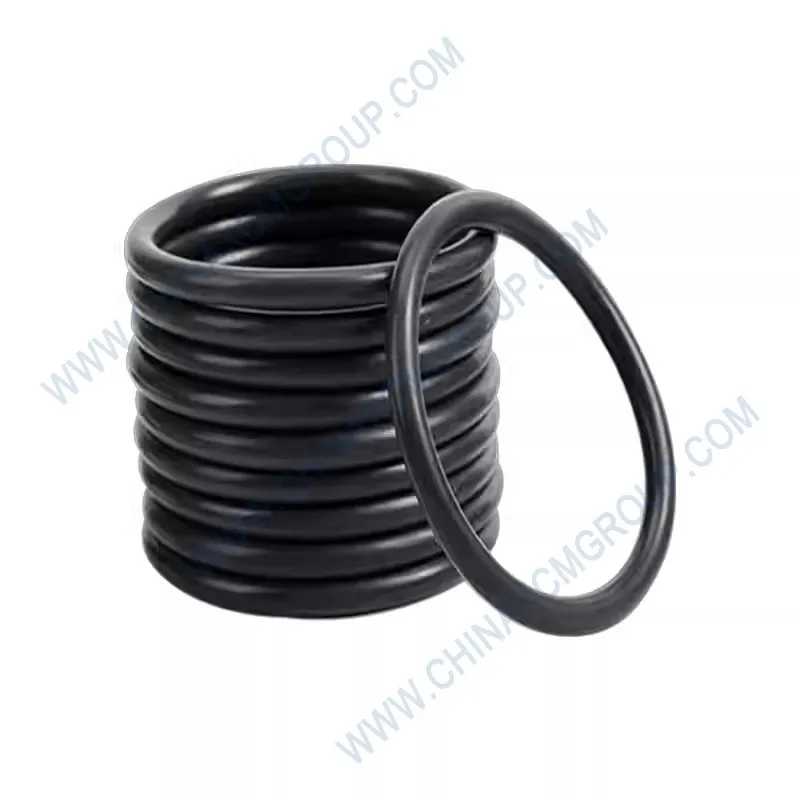
The XCMG screw‑in fitting 800172825 is available in several port configurations: straight stud with O‑ring (ISO 6149-1), 45° or 90° elbow with banjo, and adjustable angle versions. The port end uses a metric fine thread with an O‑ring groove. The O‑ring (NBR standard, FKM optional) provides a positive seal even if the fitting is not fully torqued, though correct torque is still recommended.
The hose end options include SAE JIC 37° flare (UNF threads) or ORFS (O‑ring face seal). The JIC cone is polished to a 16 micro‑inch finish, ensuring a leak‑free metal‑to‑metal seal. The ORFS version uses an O‑ring captured in a groove, which is preferred for high‑vibration applications because it tolerates slight misalignment.
To install a new screw‑in fitting, first clean the port threads and O‑ring groove in the component. Apply a small amount of clean hydraulic oil to the new O‑ring (supplied with the fitting). Thread the fitting into the port by hand until the O‑ring contacts the mating surface. Do not use power tools to start the thread, as cross‑threading will ruin the port.
Torque the fitting to the value specified in the XCMG service manual (typically 35–45 Nm for M22, 60–75 Nm for M30). Over‑torquing can extrude the O‑ring or crack the port; under‑torquing will result in leakage. For adjustable angle fittings, first torque the lock nut to spec, then position the elbow and tighten the jam nut.
After installation, pressurize the hydraulic system and inspect for leaks. If leakage is observed, do not re‑tighten the fitting excessively; instead, replace the O‑ring. Always use a new O‑ring each time the fitting is removed. For hose end connections, tighten the swivel nut to the torque specified for the hose type.
Counterfeit fittings sold as 800172825 often use low‑grade steel that corrodes rapidly, or they have inaccurate thread profiles that cause galling and leakage. Symptoms include rust streaks on the fitting body, difficulty threading by hand, or O‑rings that are too soft (extruding) or too hard (not sealing). Genuine XCMG fittings have a uniform zinc‑nickel silver‑grey finish, a laser‑etched part number, and the XCMG logo on the hex flat.
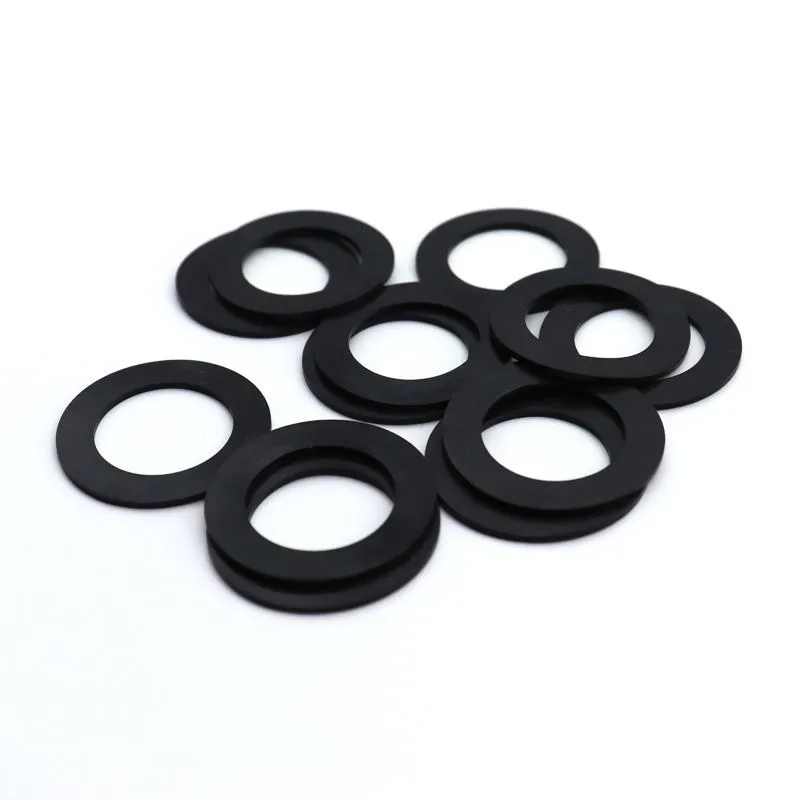
Another common issue is incorrect O‑ring material. Aftermarket fittings may come with a cheap Buna‑N O‑ring that hardens in high heat, causing leaks. Genuine XCMG fittings include a high‑quality NBR (or FKM on request) O‑ring with a green or blue color code. Always compare the included O‑ring with the original – genuine XCMG O‑rings have a smooth surface and no mold flash.
Plating adhesion: Counterfeit plating may flake off, exposing bare steel to rust. Genuine XCMG plating is tested for adhesion using a cross‑hatch tape test and shows no peeling after 100 hours of thermal cycling.
A leaking hydraulic fitting can cause oil spray, fire hazards, and loss of pressure that affects braking or steering. Replacing a corroded or damaged fitting with a genuine XCMG 800172825 fitting costs approximately $12. This small expense prevents costly oil loss (50 liters could cost $150) and eliminates the risk of a high‑pressure oil injection injury.
Preventive maintenance: During daily inspections, look for wetness around fittings. If a fitting shows rust or green/white corrosion (zinc oxide), plan to replace it soon. Also, if a fitting is difficult to remove, the threads may be galling – replace both the fitting and the port if necessary. Keep a stock of common sizes (M22, M26, M30) to avoid downtime.
Payback analysis: A genuine fitting costs ~$12. If it prevents one hydraulic oil spray that causes a $500 cleanup and $1,000 in lost production, the savings are enormous. For a fleet of 20 trucks, proactively replacing all high‑risk fittings every 4,000 hours virtually eliminates leak‑related downtime.
Every XCMG Screw-In Fitting 800172825 is manufactured in an IATF 16949‑certified facility. Each batch undergoes 100% thread gauging (GO/NO‑GO), visual inspection for plating defects, and sample testing for salt spray resistance and proof pressure (1.5× working pressure). XCMG provides a 24‑month warranty against thread defects, plating failure, or leakage under proper installation.
Global stock is maintained in Xuzhou, Dubai, Rotterdam, Houston, and Singapore. Emergency orders ship within 24 hours. Bulk packs of 10 fittings (part number 800172825‑B10) are available for fleet customers at a 15% discount. Each fitting includes the correct O‑ring and a small packet of anti‑seize grease for the threads.
To verify authenticity, scan the QR code on the packaging – it links to the certificate showing plating thickness, thread class, and pressure test results. Always insist on genuine XCMG 800172825; counterfeit fittings have been known to fail catastrophically under pressure, causing severe injury.
XCMG engineers tested the 800172825 fitting under extreme conditions: 10,000 pressure cycles from 0 to 42 MPa, 1,000 hours of salt spray (ASTM B117), and 200 hours of random vibration at 25g RMS. The fitting showed no thread damage, no corrosion beyond minor surface staining, and no leakage. The zinc‑nickel coating remained intact on all surfaces, including internal threads.
For applications with high vibration (e.g., pumps mounted directly on the engine), XCMG recommends using the ORFS (O‑ring face seal) version of this fitting. The captured O‑ring maintains a seal even if the fitting loosens slightly. This version is standard on all brake circuit connections for AD100 trucks.
The fitting’s design includes a generous wrenching hex to prevent rounding, and the thread root radius is optimized for fatigue life. Finite element analysis (FEA) shows a safety factor of 6× under maximum working pressure, ensuring the fitting will not yield or crack during pressure spikes.