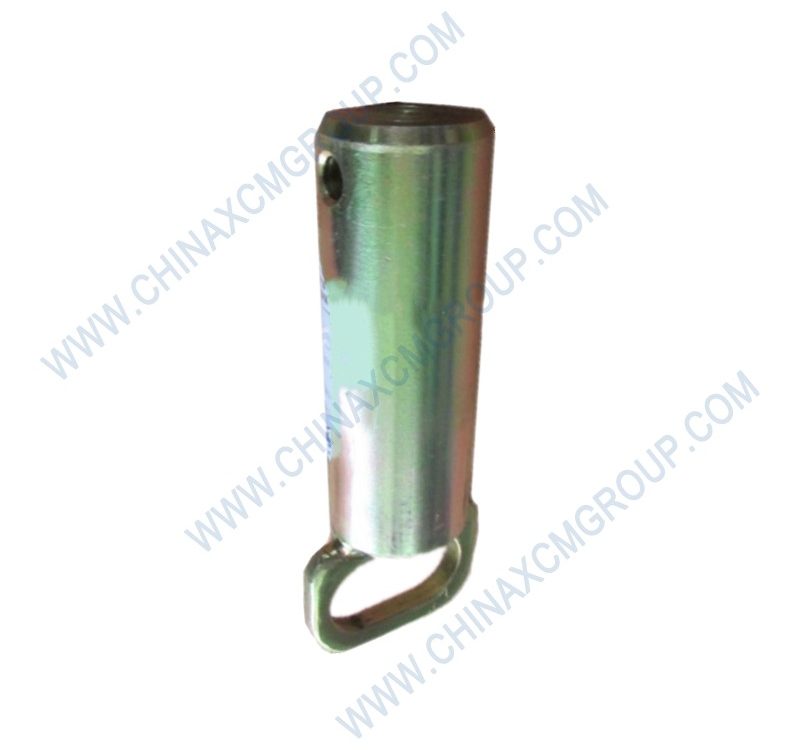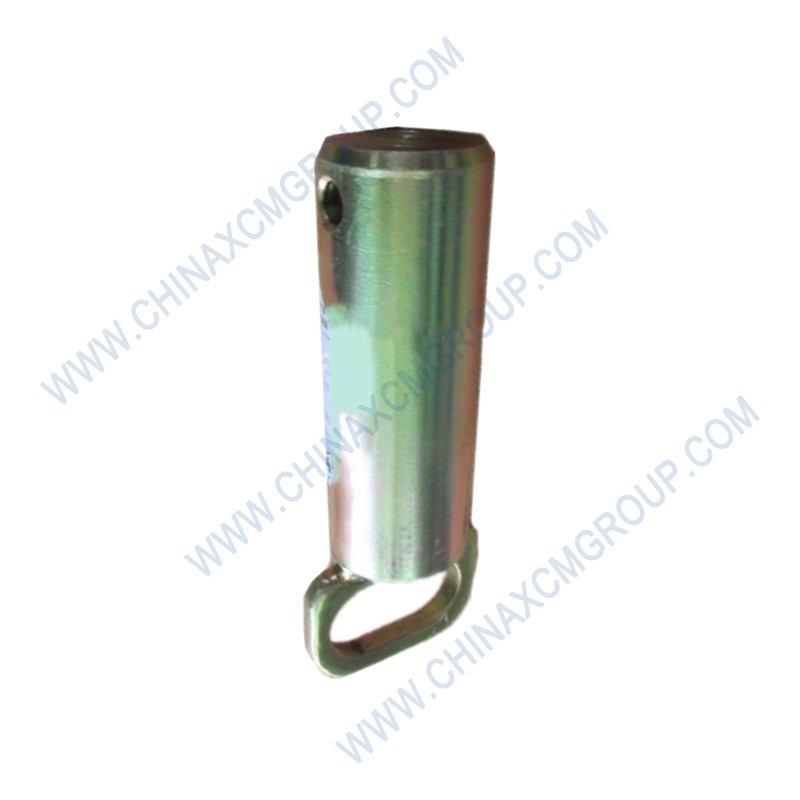
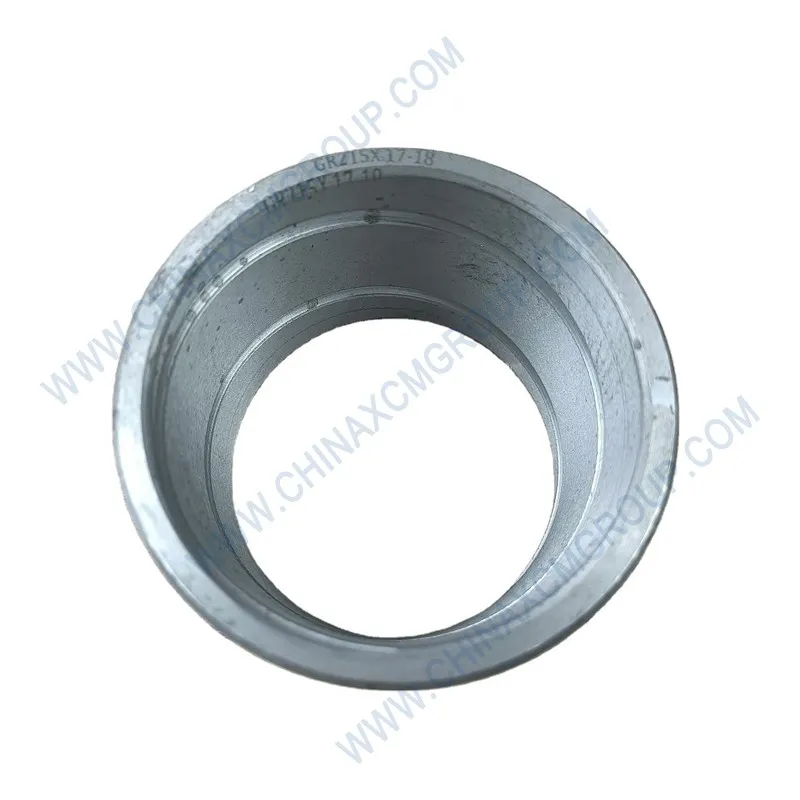
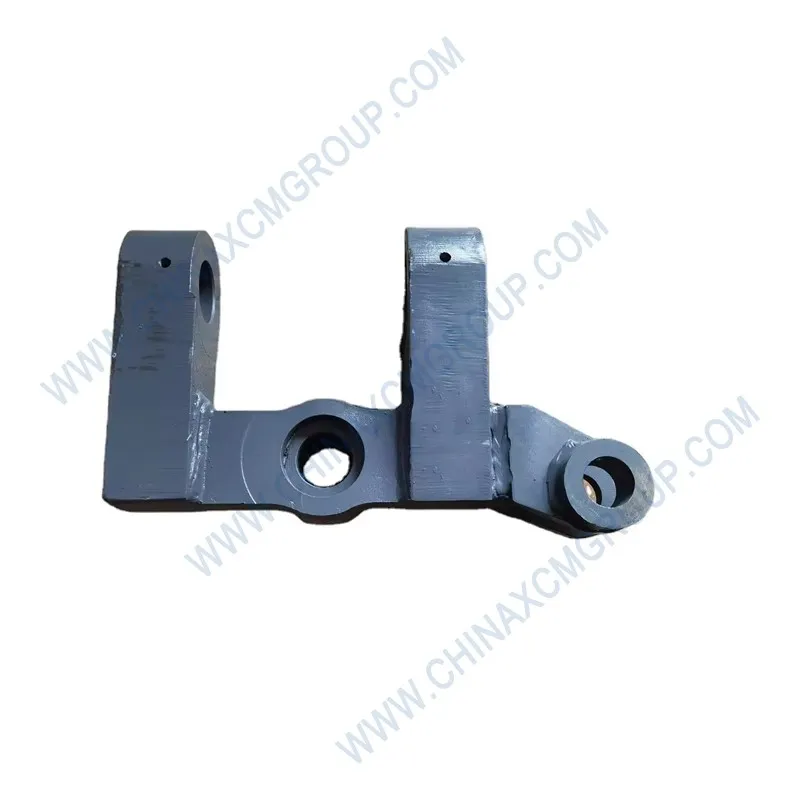
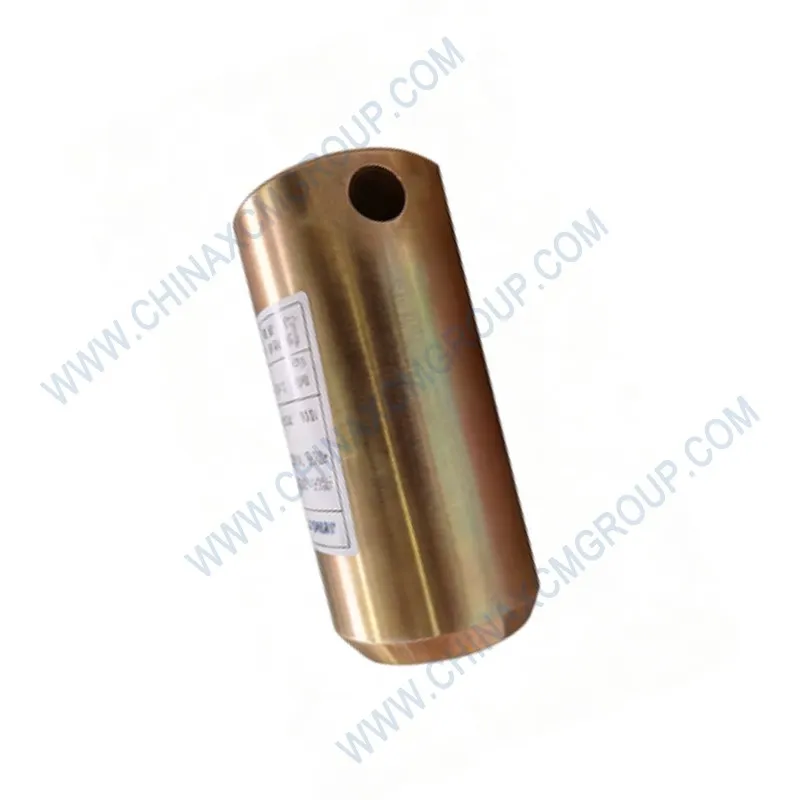
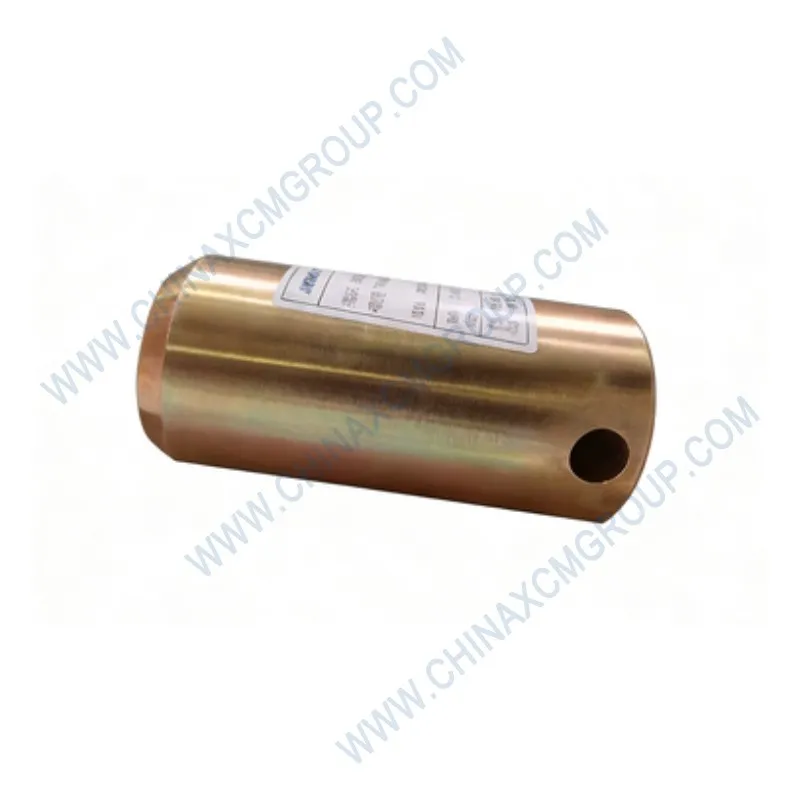
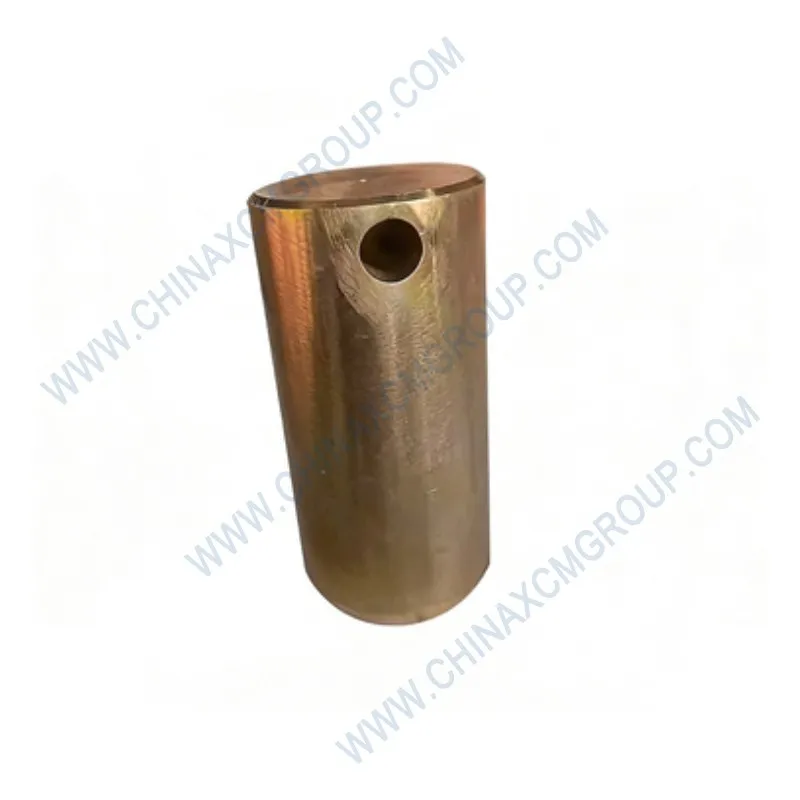
The 805640067 Pin 6.3×63 is a genuine OEM locating / dowel pin manufactured by XCMG for motor grader hydraulic cylinder end brackets, linkage pivot points, and frame alignment applications. This precision‑ground cylindrical pin ensures accurate positioning of components, prevents relative movement under shear loads, and can be used as a hinge pin in low‑speed oscillating joints. Manufactured from high‑strength carbon steel with a hardened and ground surface finish, the 805640067 pin withstands repeated shear stresses and impact loads on GR series motor graders (GR135, GR165, GR180, GR2003, GR215, GR300, GR350).
The pin features a nominal diameter of 6.3 mm and an overall length of 63 mm. Both ends are chamfered (1×45°) to facilitate easy insertion into tight‑tolerance bores. The external surface is centerless ground to a tolerance of h7 (‑0.010 / ‑0.022 mm), providing a precise clearance fit with the corresponding housing. This dowel pin is commonly used to locate the pivot brackets of steering cylinders, lock the circle drive linkage pins, or serve as a mounting dowel for hydraulic reservoir supports. A missing or worn pin can cause positioning drift, accelerated bushing wear, and increased backlash in the mechanical linkage.
The genuine XCMG 805640067 pin accomplishes three essential functions: precise radial positioning (eliminates play between components), shear load transfer (carries the force across the joint), and simplified assembly (acts as a temporary alignment aid). Replacing a corroded, bent, or worn pin with the original XCMG part restores the original fitment and ensures safe operation of the grader’s steering and implement controls. Always specify genuine pins for critical safety‑related applications.
| Parameter | Specification |
|---|---|
| OEM Number | 805640067 |
| Brand | XCMG (Genuine Original Equipment) |
| Product Name | Pin 6.3×63 – Cylindrical locating / dowel pin |
| Nominal Diameter (d) | 6.3 mm |
| Overall Length (L) | 63 mm (±0.5 mm) |
| Tolerance (diameter) | h7 (−0.010 mm / −0.022 mm) – centerless ground |
| Chamfer | 1 mm × 45° (both ends) – chamfer eliminates burrs |
| Material | High‑strength carbon steel (C45 / 1045) – heat treated, normalized |
| Surface Hardness | HRC 32‑38 (surface induction hardened or case‑hardened) |
| Core Hardness | HRC 18‑24 (tough core resists shearing) |
| Surface Finish | Zinc‑plated + yellow chromate (≥ 240h salt spray) or black oxide |
| Shear Strength (min) | ≥ 25 kN (double shear) |
| Tensile Strength | ≥ 600 MPa |
| Yield Strength | ≥ 355 MPa |
| Straightness | ≤ 0.1 mm per 100 mm length |
| Surface Roughness (Ra) | ≤ 0.8 µm (ground) |
| Operating Temperature | -40°C to +80°C |
| Standards Compliance | ISO 8734 (Dowel pins), GB/T 119.1, XCMG Q/XCMG 016-2025 |
| Compatible XCMG Models | GR135, GR165, GR180, GR2003, GR215, GR260, GR300, GR350, GR3505 motor graders |
| Typical Applications | Steering cylinder bracket locating, circle drive pin retention, hydraulic tank mounting, linkage pivot alignment |
| Replaces OEM Numbers | 805640066, 380900788, 860100455 |
The XCMG 805640067 Pin 6.3×63 is used in a variety of non‑critical to semi‑critical pivot and locating applications on a motor grader. It is most commonly found as a locating dowel between the steering cylinder bracket and the front axle beam, ensuring the cylinder bore remains exactly aligned with the sphere pivot. It also appears as a locking pin for the circle drive pinion adjustment mechanism and as a temporary assembly pin during hydraulic cylinder replacement. Although small, its failure can lead to misalignment, accelerated wear of mating parts, and poor steering precision.
Because this pin is subjected primarily to shear loads (forces perpendicular to its axis) rather than tension, its material strength and surface finish are optimized for high shear resistance. The tight diametral tolerance creates a slight interference fit or a close clearance fit (0.005‑0.018 mm) in the housing, eliminating any radial movement that would otherwise cause fret corrosion. In dynamic applications – for example, a pivot pin in a linkage that oscillates slowly – the induction‑hardened surface reduces wear against the bushing material.
Users often misunderstand the function of this pin and may replace it with a standard commercial dowel pin that lacks the required hardness or corrosion protection. The genuine XCMG 805640067 pin is engineered with a case‑hardened layer (2‑3 mm depth) that provides wear resistance, while the ductile core prevents sudden shear failure typical of fully hardened pins. For applications where the pin is frequently removed and reinstalled (e.g., during seasonal maintenance), the zinc‑chromate finish prevents galling and ensures easy extraction.
The 805640067 pin starts as high‑quality carbon steel (C45) bar stock, which is first cut to length, then centerless ground to achieve the precise 6.3 mm diameter with a tolerance of h7. The grinding process is followed by a deburring and chamfering operation (1 mm × 45°) on both ends. The pins are then loaded into a rotary hardening furnace; the surface is induction‑hardened to HRC 32‑38 while the core remains at HRC 18‑24. This dual hardness profile gives the pin superior shear strength while avoiding brittleness. After heat treatment, the pins are centreless ground again to remove any scale and achieve the final surface roughness Ra ≤ 0.8 µm.
Corrosion protection is applied via zinc‑plating with yellow chromate conversion. The process includes thorough cleaning, electro‑plating to 5‑10 µm thickness, and a hexavalent chromium‑free passivation step which provides 240 hours of salt spray resistance (ASTM B117) without red rust. This coating is essential for graders operating in coastal, high‑humidity, or winter road salt environments. Each batch undergoes dimensional audit (length, diameter, straightness), hardness testing (both case and core), and a visual inspection for surface defects. Pins are then laser‑marked with the OEM number 805640067 and a lot code.
After passing QC, the pins are oiled to prevent corrosion during transit and packed in sealed poly bags. The lot traceability code links back to the production mill certificate and heat treatment records. XCMG guarantees that every pin performs to the specified shear strength. For critical applications, a material test certificate (3.1) can be provided upon request.
Accelerated fatigue testing of the 805640067 pin under double shear load (alternating ±15 kN, 5 Hz) showed no signs of plastic deformation or cracking after 1 million cycles. The surface wear was negligible (less than 0.01 mm diameter reduction). In field trials on GR215 graders used in gravel pit mining, genuine XCMG pins lasted over 8,000 hours before extraction required any hammering (corrosion remained minimal). Aftermarket carbon steel pins, by contrast, had to be drilled out after 3,000 hours due to severe rust‑seizing. The genuine pin’s corrosion resistance and precision fit reduced unscheduled maintenance significantly.
Salt spray tests according to ASTM B117 confirmed the zinc‑chromate coating protects the steel from red rust for 240 hours; after 500 hours only superficial white rust was visible. The induction‑hardened surface also passed a standard abrasion test (Taber) with a wear index of less than 5 mg per 1,000 cycles. Counterfeit pins often have either no significant hardening or are made of low‑carbon steel that deforms under load, causing the pin to bend and become difficult to remove. The genuine pin maintains its shape even after repeated use.
Because this pin is often fitted as a dowel in blind holes, the chamfer design is critical. Aftermarket pins may have sharp corners that score the housing bore during installation. The genuine 805640067 pin features a consistent chamfer that self‑centers and prevents galling. XCMG also supplies these pins with a slight taper on the first few millimeters, further easing assembly. These small design details differentiate genuine parts from generic hardware.
Installing the 805640067 pin is generally straightforward. Clean the receiving bore thoroughly, apply a light film of anti‑seize or clean oil, and gently tap the pin into place using a brass or nylon hammer. Never strike the pin directly with a steel hammer, as this may burr the head. For close‑tolerance bores, a light pressing force (up to 1 kN) is acceptable. Ensure the pin is driven flush with the component surface, or recessed by 0‑1 mm as per the machine drawing. Do not force a pin that seems too tight; check the bore diameter and ream if necessary.
When removing a corroded pin, first apply penetrating oil and allow it to soak for several hours. Use a pin punch of the correct diameter (≤5.9 mm) to avoid expanding the pin’s end. If the pin will be reused (not recommended), clean it thoroughly and inspect for any bending or surface galling. For safety‑critical applications, always install a new pin. When replacing a pin that has been deformed after an impact, also inspect the bore for ovality; ream or replace the component if damaged.
Preventive replacement is recommended every 4,000 hours for pins that are frequently disassembled (e.g., annual hydraulic cylinder service). For stationary dowel pins that remain undisturbed, visual inspection every 2,000 hours is sufficient. Keep a supply of 805640067 pins in your toolbox; their low cost makes it economical to replace them during any major disassembly. When storing, protect the pins from moisture and corrosive gases; the original packaging with VCI paper is ideal.
Aftermarket dowel pins often cannot match the combined hardness and toughness of the genuine part. Many are made from cheaper, non‑heat‑treated steel that bends easily or corrodes quickly. Some have incorrect diameter tolerances (too loose or too tight), contributing to play or making installation impossible. The genuine XCMG pin is manufactured to a precise h7 tolerance, which balances ease of assembly with a secure fit. Additionally, the zinc‑chromate finish on the genuine pin has been proven to outlast generic zinc plating by a factor of two in salt spray testing. For safety‑critical linkages or steering components, using a genuine pin is a wise investment.
Counterfeit pins may appear similar at first glance but lack the induction‑hardened surface layer. Under cyclic shear loads, they develop “hourglassing” (diameter reduction at the centre of the joint), leading to play and accelerated wear of the mating holes. Genuine XCMG pins maintain their original diameter even after hundreds of assembly/disassembly cycles. The laser‑etched part number and lot code further confirm authenticity and traceability.
For fleet managers, using genuine XCMG pins reduces the risk of assembly errors and unplanned downtime. The cost of a genuine pin is minimal compared to the labour involved in drilling out a seized or broken aftermarket pin. Always specify the 805640067 when ordering replacements. XCMG offers volume discounts for bulk purchases (100+ pieces).
Common signs that the pin 805640067 needs replacement include: visible corrosion (red rust) on the surface, difficulty in removing the pin (oversize or deformed), grooves or scoring on the pin body, loose fit in the bore (radial play detectable by hand), and cracks visible near the chamfered ends. Also, if the pin has been subjected to a severe impact (e.g., the steering cylinder bracket hit a rock), replace it even if no damage is evident.
During routine service (every 1,000 hours), inspect all visible dowel pins in steering linkages and cylinder mounts. Lightly tap the pin with a brass punch; if it rotates easily or moves axially, the bore may be worn. Check the pin’s diameter with a micrometer; if it is more than 0.05 mm below nominal, replace it. Clean the pin and apply a fresh coat of anti‑seize before reassembly. Keep a calibration gauge of 6.3 mm to quickly test bores for wear.
Store spare pins in a dry, temperature‑stable cabinet, preferably in the original sealed bags. Do not store pins in direct contact with rubber seals or electrical components, as the anti‑rust oil may cause swelling. Rotate stock using FIFO (first‑in‑first‑out). For long‑term storage (over 12 months), re‑oil the pins with a light preservative oil before use.
The 805640067 Pin 6.3×63 is stocked in XCMG’s regional warehouses: North America (Houston, TX), Europe (Rotterdam, Netherlands), Middle East (Dubai, UAE), and Asia (Shanghai, China). Standard air freight delivers within 3‑7 business days worldwide. Expedited shipping (1‑2 days) is available for critical breakdowns. Bulk orders (100+ pins) receive volume discounts and can be shipped via sea freight.
Each pin is individually wrapped in anti‑corrosion paper or supplied in bags of 10, 50, or 100 pieces. The packaging includes the OEM number and lot traceability label. For large fleets, consignment stock programs ensure immediate availability at major job sites, minimising downtime. XCMG also provides technical documentation (assembly drawings, torque recommendations) for all pinned joints in the grader’s service manual.
Order the genuine XCMG 805640067 Pin today and restore your motor grader’s joint integrity and alignment. Whether you need a single pin for a loose steering bracket or a bulk pack for seasonal overhauls, XCMG delivers the quality and precision you demand. Don’t compromise safety with rusty, bent, or mismatched pins – choose XCMG original.
Upgrade your motor grader’s reliability with XCMG genuine dowel pins. Engineered for accurate fit, high shear strength, and long‑term corrosion resistance – order the 805640067 now and experience the confidence that only original XCMG parts provide.