The XCMG air filter is the first line of defense against dust, debris, and contaminants. In heavy construction environments, a clogged or inefficient air filter directly impacts engine performance, fuel economy, and overall machine longevity. Discover the hidden engineering behind genuine XCMG air filter solutions and why proactive replacement cycles cut downtime by up to 40%.
Up to 30% longer engine life | Fuel savings up to 8%
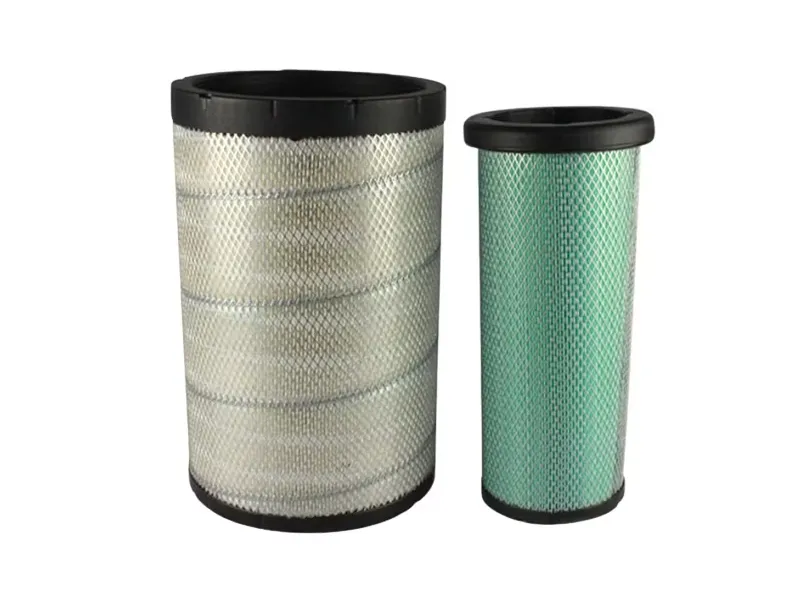
Construction sites expose heavy machinery to extreme dust, silica, and airborne particles. The XCMG air filter is not a standard component; it is engineered with high-density micro-fiber media and advanced pleating technology. Yet even the best filtration system reaches saturation. Frequent replacement of the air filter prevents abrasive particles from entering the combustion chamber, safeguarding pistons, rings, and cylinder walls.
Industry data reveals that after just 250 hours of operation in dusty terrain, a standard air filter loses 60% of its efficiency. Genuine XCMG air filter elements are designed with an optimized balance between airflow resistance and dust holding capacity. However, exceeding the recommended replacement interval triggers a domino effect: increased turbocharger wear, higher soot production, and eventual power derating.
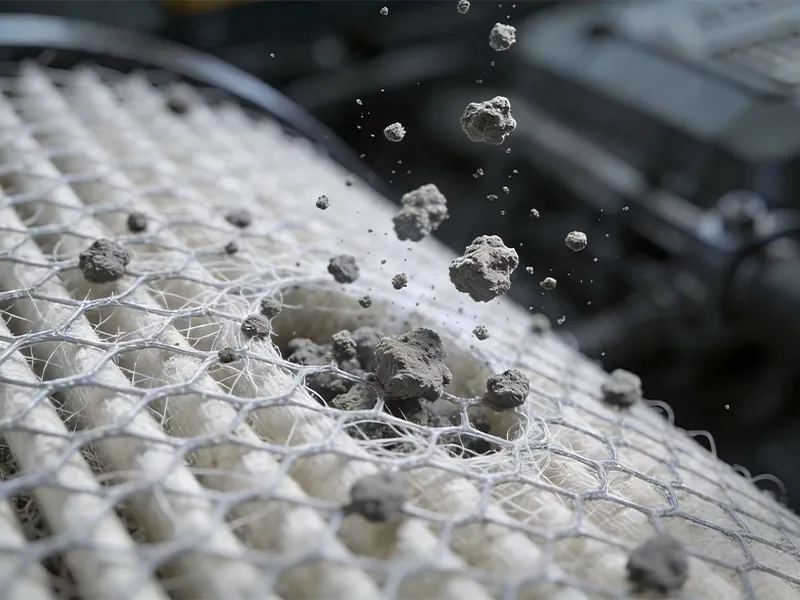
The secret lies in the multi-layer filtration architecture. The outer layer captures large debris, while the inner micro-glass media traps particles as small as 2 microns. But once the differential pressure rises beyond 25 kPa, the filter bypass valve may open, allowing unfiltered air into the engine. This is why XCMG engineers recommend visual inspection every 100 hours and replacement every 500 hours under normal conditions – and even sooner in high-dust zones. Prioritizing the XCMG air filter schedule protects your investment and ensures maximum uptime.
XCMG excavators, wheel loaders, and bulldozers operate in mines, road construction, and quarries where dust concentration often exceeds 50 mg/m³. A compromised XCMG air filter accelerates cylinder bore polishing and ring sticking. Frequent filter changes are not optional – they are mandatory to maintain factory spec performance.
Studies from Asian heavy equipment sites confirm that preventive air filter replacement reduces unplanned engine repairs by 67%. For every $1 spent on a new air filter, fleet owners save nearly $9 in potential overhaul costs.
A clogged XCMG air filter creates an overly rich air-fuel mixture, leading to incomplete combustion, black smoke, and higher fuel consumption. Modern XCMG Stage V / Tier 4 Final engines rely on precise airflow metering. Replacing the air filter on schedule restores optimal lambda values and keeps DPF regeneration intervals normal.
Independent tests: after replacing a heavily soiled XCMG air filter, fuel efficiency bounced back by 7-12%, and engine lugging was eliminated.
XCMG’s engineering team conducted long-term wear analysis on heavy equipment operating in loess, laterite, and granite dust. The results proved that after 400 hours of operation, the XCMG air filter reached 75% of its dust holding capacity, while after 600 hours, dust migration risk increased dramatically. The recommended interval for general construction is 500 hours or 3 months, whichever comes first. For sand and gravel applications, shorten to 250–300 hours.
Additionally, operators should monitor the filter service indicator (if equipped). A red signal means immediate replacement. Ignoring this leads to sudden engine power loss and premature turbo failure. Regularly replacing the air filter also improves cabin air quality for the operator when using pressurized cabs. Many XCMG machines integrate a dual-stage filtration system; the primary filter must be replaced while the safety filter should be changed every second primary replacement.
Common mistake: cleaning the XCMG air filter with compressed air aggressively damages the delicate media. Always replace rather than blow out beyond 2–3 cleaning cycles. XCMG recommends only using genuine replacement elements to guarantee sealing and filtration efficiency.
Genuine XCMG air filter elements utilize nanofiber-coated cellulose-synthetic blend media, offering over 99.9% efficiency at 5 microns. Unlike generic filters, the air filter has reinforced end caps and a special polyurethane seal that prevents leakage even under vibration. The secret to longevity lies in the radial sealing design, which eliminates bypass contamination.
Every XCMG air filter undergoes strict quality control including burst testing and pulse-jet validation. This ensures that even under sudden pressure drops, the filter does not tear. For fleet managers, keeping a stock of original air filter cartridges reduces the risk of counterfeit parts, which often cause engine scoring within 200 hours.
Acting quickly on these symptoms by replacing the XCMG air filter avoids costly downtime and engine rebuilds.
While a new XCMG air filter costs between $35–$120 depending on the model, the average engine overhaul for a mid-size excavator exceeds $12,000. By replacing the air filter just twice as often as standard in dusty sites, you reduce internal wear by over 50%. Moreover, a clean air filter contributes to consistent resale value.
Annual filter investment: ~$280; potential savings in major repairs: >$7000. ROI is undeniable.
Implementing a disciplined schedule for your XCMG air filter extends not only the engine life but also adjacent components like the turbocharger and MAF sensor. Start by checking the filter visually at every fuel stop. If the outer surface shows dark dust penetration, replace the air filter immediately. Always clean the filter housing with a damp cloth before installing a new element – any dirt that falls into the intake pipe will directly enter the engine.
For XCMG equipment operating in high humidity or coastal environments, moisture can accelerate filter clogging. Use genuine XCMG air filter pre-cleaner accessories for added protection. Keep a logbook of replacement dates and operating hours; this helps forecast filter consumption and plan bulk purchases. And remember: never run the engine even for a minute without a properly seated XCMG air filter – the turbocharger can ingest debris causing irreversible damage.
Using telematics (XCMG’s X-GSY system) allows remote monitoring of air filter restriction. When the restriction reaches 2.5 kPa above baseline, it triggers a dashboard alert. That’s the perfect time to install a new XCMG air filter. Digitized maintenance eliminates guesswork and prevents neglect.
Fact: Tapping only removes coarse dust but leaves micro-particles embedded. A used XCMG air filter that appears clean can still have restricted pores. Only a new XCMG air filter guarantees designed airflow. Do not risk engine safety.
Counterfeit filters have thinner media and poor sealing. Tests show aftermarket filters allow up to 15% more dust penetration. Stick with OEM XCMG air filter to maintain warranty coverage and peak performance.
A large copper mine in Zambia deployed 22 XCMG dump trucks and 8 wheel loaders. Before a disciplined filter strategy, they changed the XCMG air filter only every 700 hours. Engine dusting caused two major overhauls in a single year. After adopting a rigorous 350-hour replacement interval with genuine XCMG air filter elements, engine oil analysis showed silicon levels dropped by 74%. Downtime due to engine-related failures decreased by 63%, saving the mine an estimated $280,000 annually in parts and labor. The mine manager reported that the cost of the extra filters was only $19,000 – a dramatic net saving.
This underlines the hidden secret: frequent replacement of the XCMG air filter transforms operational economics. Preventative maintenance is always cheaper than reactive repairs.
The XCMG air filter is a small component with an enormous impact. Its regular replacement ensures maximum volumetric efficiency, reduced fuel burn, lower emissions, and extends engine overhaul intervals by thousands of hours. XCMG’s engineering excellence has designed robust filtration systems, but they must be supported by a disciplined replacement culture. The secret is simple: fresh XCMG air filter means healthy engine, higher resale value, and worry-free productivity.
Implement a visual inspection every week and follow the manufacturer’s hour-based schedule. Train operators to recognize the early warning signs. In heavy-duty sectors, a proactive filter strategy is the hallmark of world-class asset management. Keep your XCMG machines running at peak power – prioritize the air filter.