Priority Focus: XCMG chassis maintenance is the backbone of extended equipment life.
Proactive inspections of track rollers, idlers, sprockets, carrier rollers, and track chains reduce downtime by up to 40% and slash repair costs. XCMG bulldozers operate in extreme environments – from mining sites to heavy construction – and a well-maintained undercarriage directly boosts ROI. This guide delivers a complete roadmap to master the “Four Wheels and One Belt” system through expert-level checks and preventive measures.
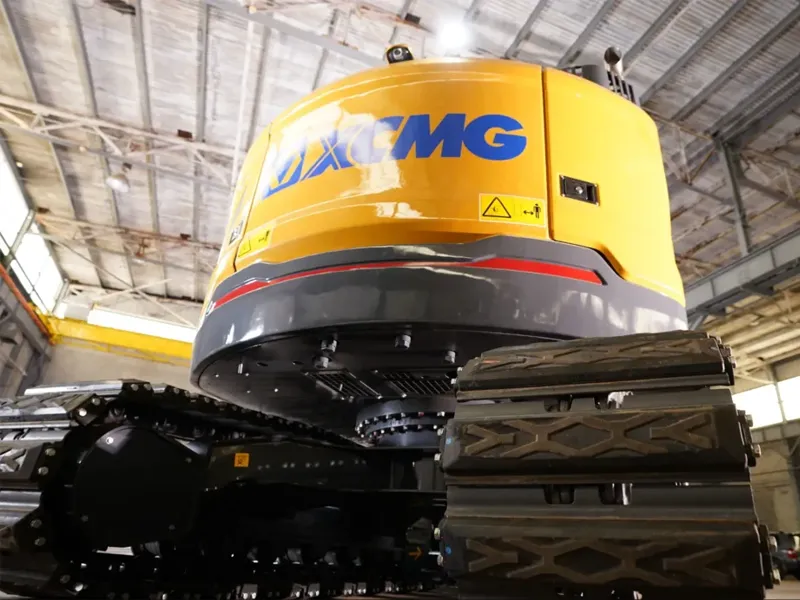
For heavy earthmoving machinery, undercarriage components account for nearly 50% of total maintenance costs over a machine’s lifecycle. XCMG chassis maintenance goes beyond simple lubrication—it demands systematic inspections of the “Four Wheels” (track roller, carrier roller, idler, sprocket) and “One Belt” (track chain assembly). Without rigorous care, uneven wear leads to track misalignment, premature bushing failure, and catastrophic downtime.
Regular XCMG chassis maintenance helps operators detect early signs of wear like seal leakage, flange thinning, or track link stretching. Field data shows that weekly visual inspections combined with monthly detailed measurements increase undercarriage service life by 25-35%. For XCMG bulldozers working in abrasive soils, this means thousands of extra operating hours before a full rebuild.
Key statistic: Proper XCMG chassis maintenance reduces track chain elongation by up to 2mm per 1000 hours, directly preventing sprocket tooth breakage and idler flange cracks. Every hour spent on inspection saves 5 hours of unplanned repairs.
Understanding each component’s role enables targeted inspection routines. XCMG chassis maintenance starts with identifying wear patterns unique to each part.
Support the machine’s weight along the track frame. Wear indicators: flange thickness reduction >3mm, seal leaks, and uneven rotation. During XCMG chassis maintenance, check for metal shavings around roller flanges.
Inspect every 250hHold the upper track strand. These rollers endure less load but collect debris. XCMG chassis maintenance includes verifying smooth spinning and absence of lateral play. Sticking carrier rollers accelerate chain sagging.
Grease every 500hGuide track alignment and maintain tension. Idler wear leads to track derailment. XCMG chassis maintenance must measure idler rim depth; less than 8mm indicates replacement. Also inspect thrust rings for cracks.
Alignment check weeklyEngage track bushings to propel the dozer. Tooth wear patterns reveal misalignment. XCMG chassis maintenance demands sprocket segment rotation or replacement when teeth become hook-shaped.
Measure pitch every 500hThe “belt” includes links, pins, bushings, and shoes. Rail height reduction, pin/bushing external wear, and shoe cracking are critical. XCMG chassis maintenance uses track elongation (max 6-8% before rebuild).
Lubricate pins weekly
Inspection diagram: Systematic XCMG chassis maintenance workflow – visual, measurement, lubrication, and adjustment sequence for maximum durability.
A structured inspection routine prevents small issues from escalating. Chassis maintenance should follow these intervals: daily operator checks, 250-hour component-specific inspections, 1000-hour comprehensive measurements.
Check for visible oil leaks on final drives and roller seals. Listen for unusual grinding noises while moving. Verify track tension (sagitta measurement between carrier roller and sprocket).
Look for missing track shoe bolts and foreign objects jammed between sprocket and chain. Immediate attention to these details defines reliable XCMG chassis maintenance.
Measure track link rail height using wear gauge (minimum acceptable 68mm for XCMG D275). Check bushing outer diameter wear: when reduced by 4-5mm, rotate bushings or plan replacement.
Inspect carrier roller bearings – any axial play over 2mm indicates worn bearings. For sprockets, measure tooth thickness at 70% of full height; replace segments if below threshold. XCMG chassis maintenance logs should record all findings.
Perform track sag measurement: elevate one track side, measure vertical deflection at center (ideal 30-50mm for most XCMG dozers). Adjust hydraulic tensioner accordingly.
Check idler rim diameter reduction: more than 12% requires idler replacement. Using ultrasonic thickness gauge on track links ensures no hidden stress fractures. Adhering to XCMG chassis maintenance schedules reduces total cost of ownership by up to 22%.
Pro tip: Always perform chassis maintenance on level ground and after cleaning undercarriage with pressure washer (avoid direct spray on seals). Accurate measurements rely on debris-free components.
Even robust XCMG undercarriages suffer from specific wear patterns. Recognizing early symptoms is central to effective maintenance.
Implementing consistent XCMG chassis maintenance reduces catastrophic breakdowns by over 60%, according to construction fleet studies. A small daily investment yields massive productivity returns.
Optimizing operating habits further enhances component lifespan. XCMG chassis maintenance integrates operator training and site condition management.
Sharp turns and high-speed reverse accelerate track bushing wear. Train operators to pivot smoothly and minimize unnecessary counter-rotation.
Remove large rocks and level debris where possible. XCMG chassis maintenance includes scheduling track cleaning after operating in sticky clay or abrasive sand.
Use high-quality track chain lube with anti-wear additives. Sealed and lubricated track (SALT) requires less frequent application but still benefits from periodic checks.
Combining operator awareness with rigorous XCMG chassis maintenance doubles undercarriage life in severe applications. Many XCMG users report 5000+ hours before first major rebuild.
Working in freezing conditions or scorching heat demands specific adjustments. XCMG chassis maintenance must consider temperature impacts on seal flexibility and lubrication viscosity.
In winter, frozen mud packs between track links cause excessive tension and possible link breakage. Thaw and clean undercarriage before startup. Use low-temperature grease in rollers and idlers to avoid solidification. For summer desert operations, dust ingestion accelerates bushing wear – shorten inspection intervals to 150 hours and apply dust seals as primary defense.
Rainy seasons increase rust risk: after every shift, apply anti-corrosion spray to exposed metal surfaces and verify drain holes on track frames are unclogged. XCMG chassis maintenance programs that adapt to climate conditions improve component reliability by 30%.
✅ XCMG chassis maintenance quick checklist (monthly):
– Measure track sag (3 points)
– Check all roller flanges for scoring
– Inspect sprocket teeth for asymmetric wear
– Verify idler bushings are not oval
– Test carrier roller spin and re-torque mounting bolts
– Monitor final drive oil level and contamination
Every step is part of professional chassis maintenance that ensures peak performance.
Investing in systematic undercarriage care yields measurable returns. Fleets that adopt chassis maintenance reduce parts consumption by 18-25% annually. Reduced unplanned downtime improves project completion rates and lowers rental costs for backup equipment.
Additionally, a well-maintained undercarriage retains higher resale value. XCMG bulldozers with documented chassis service records command 15-20% premium in used equipment markets. Safety is also enhanced: preventing track separation or idler failure avoids accidents on job sites.
From an operational standpoint, XCMG chassis maintenance empowers maintenance teams with predictive data. Using wear trend analysis, you can schedule overhauls during low-demand seasons, eliminating production stoppages.
When track chain shows moderate external bushing wear but link rails are still acceptable, performing a pin and bushing turn can extend life by 2000 hours. This involves rotating each bushing 180 degrees to expose unworn surfaces. XCMG chassis maintenance specialists recommend this procedure when bushing outer diameter wear reaches 3mm, but before internal pin scoring occurs. Combined with track chain reconditioning, this method cuts replacement costs in half.
Always refer to XCMG service manuals for torque specs and pressing tolerances. Using OEM parts guarantees compatibility and longevity.
Field case: A Brazilian mining contractor increased XCMG dozer availability from 78% to 94% after implementing a strict chassis maintenance protocol. Regular “four wheels and one belt” inspections reduced track-related failures by 70% over 18 months.
Modern XCMG machines increasingly support telematics for undercarriage wear monitoring. Sensors measure track tension in real-time and alert operators when adjustments are needed. Digital inspection tools (laser track profilers) generate precise wear maps. Integrating these technologies into your XCMG chassis maintenance regime boosts accuracy and eliminates human measurement errors.
For legacy equipment, manual calipers and sonic thickness gauges still deliver excellent results. Document every inspection in a cloud-based log – trends become visible, allowing predictive part ordering and reducing emergency freight costs.
To summarize, consistent, thorough XCMG chassis maintenance is the single most effective practice for protecting the “Four Wheels and One Belt” system on any XCMG bulldozer. From daily walkarounds to advanced pin/bushing turning, each step adds operational hours and reduces expenses. Never underestimate how small wear indicators evolve into major failures. With a proactive maintenance culture, your XCMG undercarriage will reliably deliver high production for years.