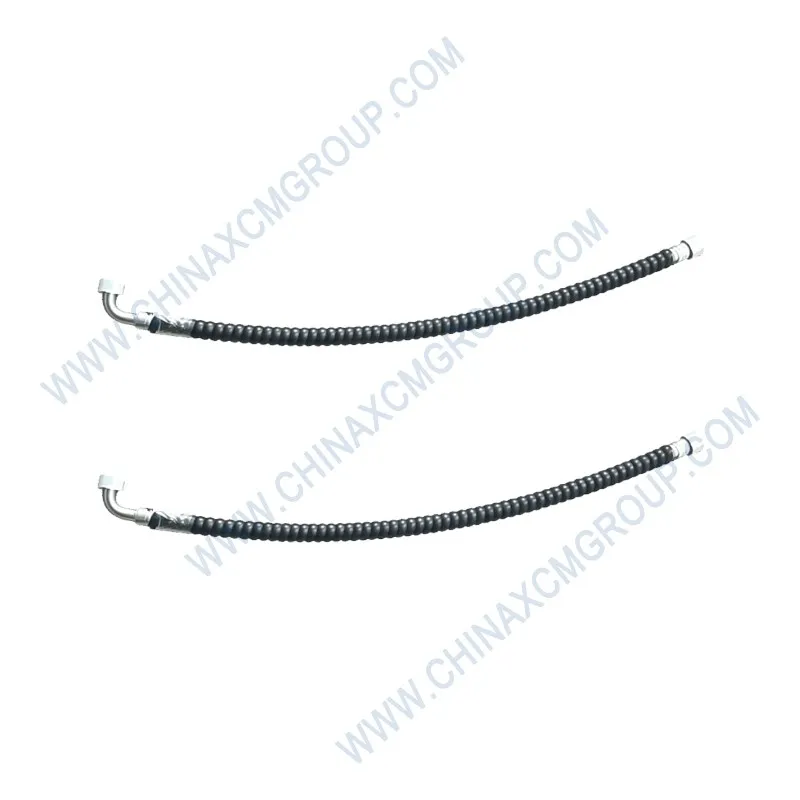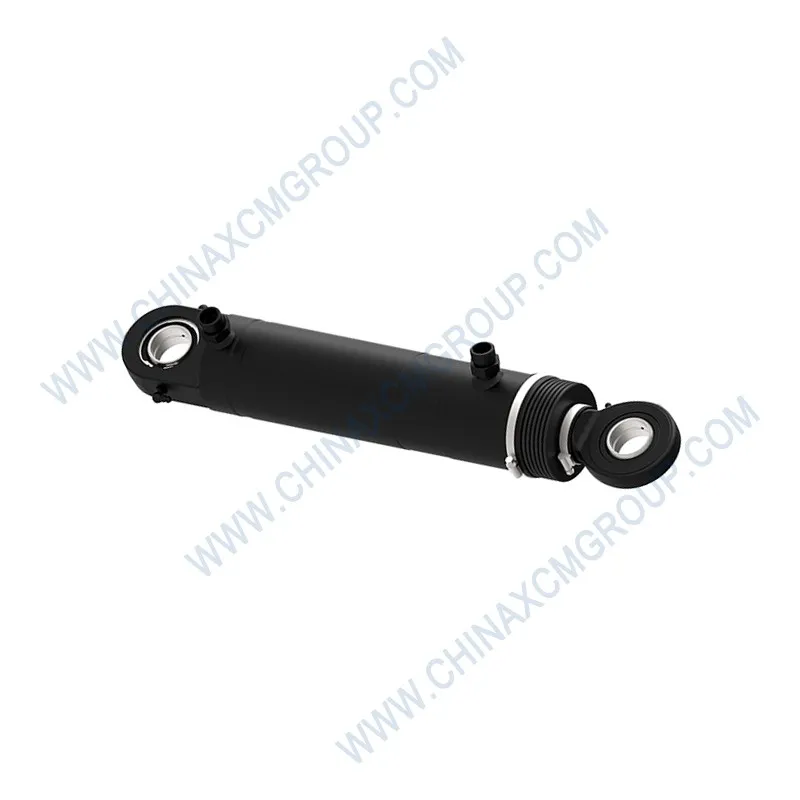
At the core of today’s fuel economy challenge lies one truth: precise XCMG Engine Fuel System Maintainance reduces operating expenses by up to 18% while extending engine life. When oil prices swing wildly, contractors who invest in genuine parts and disciplined care shield their margins.
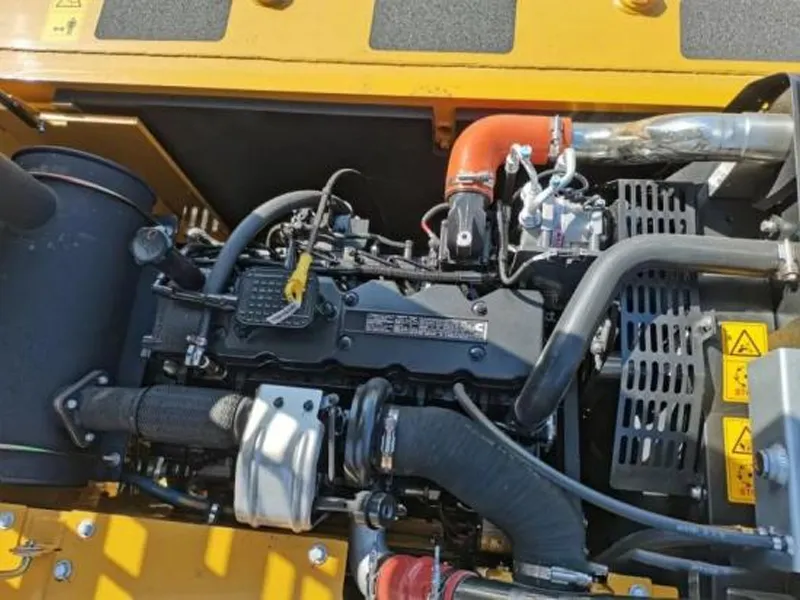
Modern high‑pressure common‑rail systems in XCMG machinery operate at over 2,000 bar. A micron‑level impurity can erode injector nozzles, causing dribble and over‑fuelling. Systematic XCMG Engine Fuel System Maintainance addresses four critical areas: filtration, injection calibration, compression seal, and electronic diagnosis. Each element directly impacts your cost per litre.
OEM‑spec fuel filters (10‑micron absolute) remove 99.5% of contaminants. Clogged bypass valves allow unfiltered fuel to reach injectors – a primary cause of premature failure. Replace according to service minder, not calendar.
Return flow measurement identifies weak injectors. Even a 5% deviation increases fuel consumption disproportionately. XCMG Engine Fuel System Maintainance includes quarterly flow testing.
Phase separators must be drained daily in humid climates. Water causes cavitation in high‑pressure pumps. Use only genuine XCMG separator elements with built-in additives.
Fuel pressure sensor deviations, rail pressure control valve duty cycle – these parameters tell the story. Annual ECU diagnostics are part of proactive XCMG Engine Fuel System Maintainance.
Aftermarket parts may cost 40% less upfront, but they compromise the precision of your XCMG fuel system. Inferior steels in pump plungers accelerate wear, sending debris downstream. In a controlled study, using non‑genuine filters reduced injector life by 62%. XCMG Engine Fuel System Maintainance demands authentic parts to preserve the engineered clearances (often 2–4 microns).

Adhering to these intervals is the cornerstone of proactive XCMG Engine Fuel System Maintainance. Skipping a single filter change risks injector damage costing thousands.
Consider a 30‑ton XCMG excavator working 2,000 hours/year. With oil at $0.90/L and consumption of 28 L/h, annual fuel spend = $50,400. A 10% improvement from optimal XCMG Engine Fuel System Maintainance saves $5,040. The cost of two filter kits, one injector recalibration, and a fuel pump check is below $1,200. Net gain: $3,840 per machine. Multiply by a fleet of ten, and the buffer against oil spikes becomes significant.
Moreover, genuine parts preserve resale value. Buyers pay premium for engines with verifiable XCMG Engine Fuel System Maintainance records. Unchecked systems often develop varnish and micro‑scoring that shorten engine life by thousands of hours.
Explore detailed maintenance guides and genuine parts catalogues
Professional XCMG dealers follow a 14‑point protocol during every major service. Below are the critical steps that any owner can replicate with genuine parts and basic tools (plus electronic diagnostic interface).
Look for fuel stains around pump, injector return lines, and filter housing. Even slight seepage introduces air.
Use the sensor display or drain valve. If water appears, inspect tank cap seal and supply source.
At key‑on, pressure should build to >300 bar within 3 seconds. Sluggish rise indicates worn pump or leaky relief valve.
Compare actual IQA codes with ECU memory. Mismatched codes cause uneven fueling.
Breather valve maintenance: The fuel tank breather prevents vacuum, but if clogged it collapses the tank or starves the pump. Include it in annual XCMG Engine Fuel System Maintainance.
Lift pump condition: Electric lift pumps on some XCMG models must deliver 4–6 psi. Low pressure leads to cavitation in the HP pump. Change pre‑filter if pressure drops.
Fuel quality documentation: Always record fuel supplier and batch. Bad fuel is the #1 external threat to XCMG Engine Fuel System Maintainance. Use a portable fuel tester if biodiesel blends vary.
Take the example of PT Wijaya construction in Kalimantan. They moved from mixed filters to 100% genuine XCMG Engine Fuel System Maintainance across 22 units. Fuel variance dropped, and unscheduled injector replacements fell from 14 per year to just 2. They now budget 30% less for fuel system repairs despite higher oil price volatility. The key was systematic XCMG Engine Fuel System Maintainance with certified components – filters, seals, and recalibration.
We used to think any filter would do, but after three pump failures we switched to genuine XCMG Engine Fuel System Maintainance protocols. Our fuel bill went down 9% in six months. — Fleet manager, Sumatra.
Myth 1: “Premium fuel doesn’t require frequent filter changes.” False — even premium diesel contains wax and microbial matter. Filters must be changed per schedule, not fuel grade. XCMG Engine Fuel System Maintainance relies on filter condition, not assumption.
Myth 2: “If engine runs smooth, fuel system is fine.” Injector nozzle wear can be gradual; you lose efficiency without roughness. Part of XCMG Engine Fuel System Maintainance is to measure fuel return, not just drivability.
Myth 3: “Additives replace maintenance.” Some additives help, but they cannot remove existing deposits or worn parts. Only physical inspection and genuine parts restore performance. XCMG Engine Fuel System Maintainance includes periodic injector cleaning only if flow matches spec.
Myth 4: “Aftermarket filters are made by the same supplier.” In reality, even if the media looks similar, the bypass valve calibration and water coalescing efficiency differ. OEM XCMG filters are validated for the exact flow and pressure spikes of your engine.
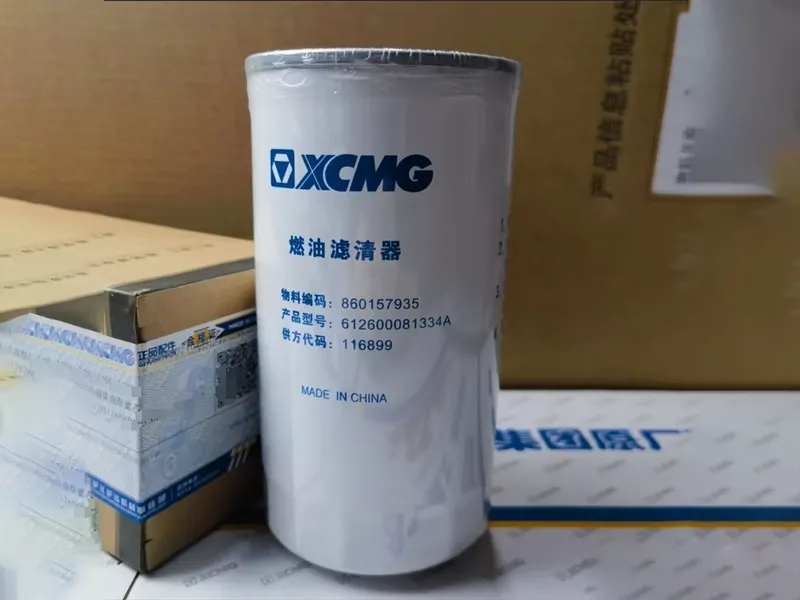
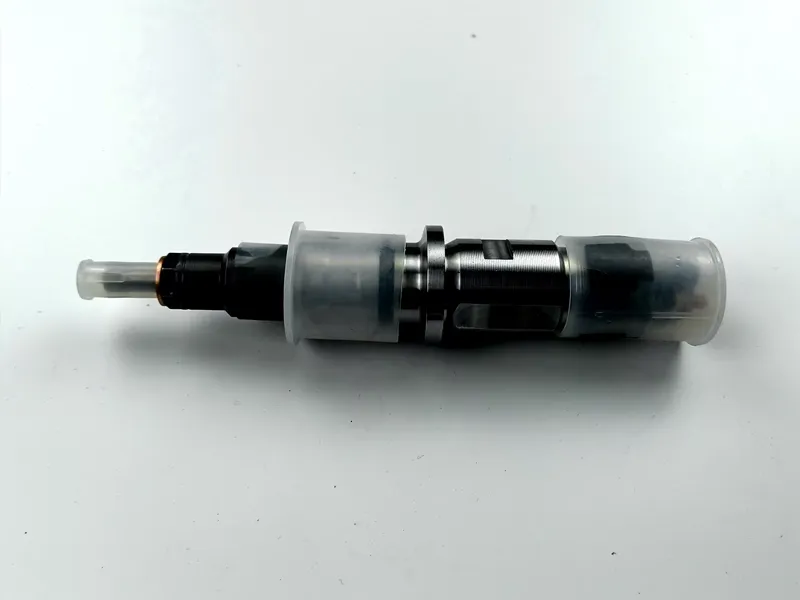
XCMG’s latest telematics module, X‑Guard, now tracks fuel pressure differential across filters in real time. It alerts operators when water level reaches 5% of capacity. This predictive layer complements traditional XCMG Engine Fuel System Maintainance by catching issues before they cause downtime. Combined with genuine parts, it forms a virtually loss‑proof fuel management system.
By adopting such smart monitoring, your site can move from reactive repairs to condition‑based XCMG Engine Fuel System Maintainance. The result: fewer towing incidents and maximised component lifespan even during fuel quality fluctuations.
The bottom line: When oil prices swing, your profitability hinges on every drop of fuel. Disciplined XCMG Engine Fuel System Maintainance using only genuine parts is the most effective hedge. It preserves power, cuts emissions, and keeps your equipment earning. Start your systematic XCMG Engine Fuel System Maintenance program today — contact your local XCMG dealer for a fuel system audit.