
Antifreeze concentration below -35°C?
Fuel gelling & waxing risks eliminated
Water separator & filter pre-winter checklist
Why XCMG owners trust professional winterization: Every winter, improper coolant mixture and untreated diesel cause 68% of cold-weather breakdowns. Following the official XCMG Coolant and Fuel System Maintenance protocols drastically extends engine life and avoids costly repairs.
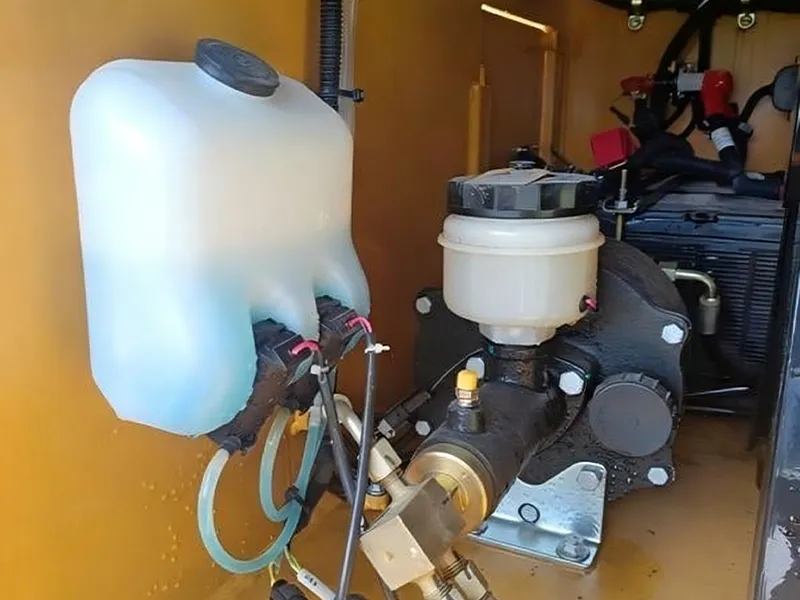
When temperatures drop below freezing, XCMG equipment — from wheel loaders to excavators and graders — demands extra care. The two most vulnerable systems are the engine cooling circuit and the fuel delivery network. Below we break down every essential step to guarantee peak performance all season long.
Modern XCMG engines use high-performance coolants. Winter demands increased antifreeze ratio (typically 50/50 to 60/40 water/glycol). Test concentration with refractometer — freeze protection should reach -37°C. Never mix different coolant types.
Inspect hoses for cracks, verify radiator cap pressure (0.9–1.1 bar). Replace coolant every 2000 hours or 2 years. Use XCMG genuine coolant or OAT-compliant fluids. Corrosion inhibitor levels must be maintained to protect cylinder liners.
Diesel fuel contains paraffin wax that crystallizes at low temperatures. Use winter-grade diesel (#1 or blend) and add anti-gel additives. XCMG fuel filters with water separators must be drained daily before first start. Replace primary filter element every 250 hours.
Preheat the fuel filter housing if equipped. Keep fuel tanks full to reduce condensation. XCMG recommends periodic inspection of injection pump and injectors; gelled fuel can destroy high-pressure components. Always follow XCMG Coolant and Fuel System Maintenance schedule provided in operator manual.
Coolant serves as both antifreeze and heat transfer fluid. In subzero regions, insufficient antifreeze concentration leads to engine block cracks. Perform these tasks before the first freeze.
For XCMG machines operating in extreme northern regions (Canada, Russia, Scandinavia), consider installing engine coolant heaters (immersion heaters) to reduce cold-start wear. Always top off coolant expansion tank to “MAX” mark when engine is cold. Neglecting any of these steps may lead to catastrophic failure — proper XCMG Coolant and Fuel System Maintenance directly impacts residual value and operational cost.
Winter diesel problems are common but entirely preventable with proper XCMG Coolant and Fuel System Maintenance. Paraffin wax crystals clog fuel filters and stop fuel flow. Here’s how to keep XCMG equipment running smoothly even at -30°C.
ASTM D975 Grade No. 1 diesel has lower cloud point (-40°C) vs No. 2 (-10°C). Many regions offer winter blends (70% No.2 + 30% No.1). Add cold flow improvers at every fill-up when temperature falls below 0°C. XCMG fuel systems work optimally with maximum 500 ppm sulfur content (ultra-low sulfur diesel).
Water in diesel freezes and expands, damaging injection pumps. Drain water separator daily — open the valve until clean fuel flows. XCMG’s advanced fuel filter assembly includes a sensor that triggers warning light; never ignore it. Replace fuel filter elements before winter starts, and keep spare filters in the cab.
Use reputable anti-gel, de-icer, and cetane booster. Avoid alcohol-based additives (they attract moisture). XCMG recommends additives that meet OEM specifications. Regular use of lubricity improvers helps preserve injectors during low-sulfur diesel operation.
Even with perfect fluids, startup technique matters. Proper XCMG Coolant and Fuel System Maintenance goes hand-in-hand with correct cold-start procedures. For XCMG machinery, follow this winter protocol: Turn ignition to “ON” and wait for glow plug preheat lamp to turn off (typically 5–10 seconds). Crank engine without pressing throttle. After start, let engine idle at 1000–1200 rpm for 5 minutes before applying load. Hydraulic oil warm-up is also vital: cycle boom and bucket slowly. Never race a cold engine — it starves bearings of oil.
During extended parking (more than 3 days), start engine every 48 hours and run until coolant reaches 60°C. If machine is stored outdoors, consider battery trickle charger and engine block heater. All these procedures complement the core XCMG Coolant and Fuel System Maintenance routine.
| Component | Interval (Winter) | Action |
|---|---|---|
| Coolant concentration | Weekly / before cold snap | Check with refractometer, adjust to -37°C |
| Fuel water separator | Daily before start | Drain water & sediment |
| Fuel filter | Every 250 hours / season start | Replace primary & secondary filter |
| Coolant hoses & clamps | Monthly visual | Inspect for swelling, cracks, leaks |
| Battery & charging system | Pre-winter & monthly | Load test, clean terminals |
| Air intake heater | As needed | Test grid heater operation |
Following the table prevents 90% of winter failures. Record all checks in your XCMG maintenance log. Investing 15 minutes weekly on XCMG Coolant and Fuel System Maintenance saves thousands in unplanned downtime.
Water freezes and expands, cracking blocks. Always use approved ethylene glycol with corrosion inhibitors. Never mix green and pink coolants (different chemistry).
Partial tanks allow moisture accumulation. Keep tank above ¾ full during winter, use biocides in humid climates.
A minor leak lets air enter and reduces freeze protection. Perform annual pressure test to 15 psi.
While not directly fuel/coolant, oil viscosity affects cold cranking. Use 10W-30 or 5W-40 as per XCMG specs.
For Arctic operations, XCMG offers optional equipment: fuel-fired pre-heaters (Webasto/Eberspächer), battery blankets, and heated fuel pickups. Aftermarket coolant heaters reduce warm-up time by 60%. Always consult XCMG dealer for approved accessories. Integrating these with your regular XCMG Coolant and Fuel System Maintenance routine ensures continuous productivity even at -40°C.
Keep extra fuel filters and a bottle of anti-gel in the cab. Train operators to recognize signs of fuel starvation: power loss, erratic idle, white exhaust smoke. Early detection prevents fuel system damage.
Recognizing early warnings reduces emergency repairs and supports effective XCMG Coolant and Fuel System Maintenance. Coolant-related signs: overheating despite full reservoir, sweet smell inside cab (leaking heater core), milky oil (head gasket failure). Fuel-related signs: hard starting, stalling under load, visible wax particles in filter bowl. Use XCMG electronic diagnostic tools if available, but visual checks remain critical. Periodic professional cooling system analysis (pH, reserve alkalinity) provides peace of mind.
Proper winter maintenance doesn’t only prevent breakdowns; it also reduces emissions and fuel consumption. A well-maintained cooling system runs at optimal temperature, cutting fuel use by up to 5%. Clean injectors deliver complete combustion, lowering particulate matter. Responsible XCMG Coolant and Fuel System Maintenance aligns with sustainability goals and extends equipment life cycle.
Every XCMG model — from XE excavators to XS rollers — shares the same winter principles. The coolant-to-fuel synergy matters. If the engine is too cold due to a failed thermostat, the ECU enriches the fuel mixture, increasing cylinder wash and oil dilution. Therefore, proper XCMG Coolant and Fuel System Maintenance must include thermostat replacement as part of the coolant service. Always use OEM gaskets and thermostats to ensure reliability and peak cold-weather performance.
Additionally, inspect the serpentine belt driving water pump and fan. A loose belt reduces coolant circulation and charging output. Tighten to specification (deflection ~10mm). For equipment with viscous fan clutch, verify engagement when radiator outlet temperature exceeds 85°C.
Completing this checklist ensures zero cold-related interruptions. The investment in XCMG Coolant and Fuel System Maintenance pays back immediately through reliable uptime and lower repair bills.
A mining contractor in northern Alberta operating 12 XCMG dump trucks implemented a rigorous coolant & fuel winterization plan: daily water separator drain, premium synthetic coolant at -42°C protection, and winter diesel with additive. Results: Zero cold-start failures over 4 months, injector life extended by 35%, and coolant-related downtime reduced to 0. This real-world example underscores why XCMG Coolant and Fuel System Maintenance is non-negotiable for professional fleets.
Moreover, the same fleet recorded 12% better fuel economy after correcting coolant concentration and replacing faulty thermostats — illustrating how cooling system precision directly impacts combustion efficiency.
Comprehensive XCMG winterization guide — follow for maximum equipment reliability.