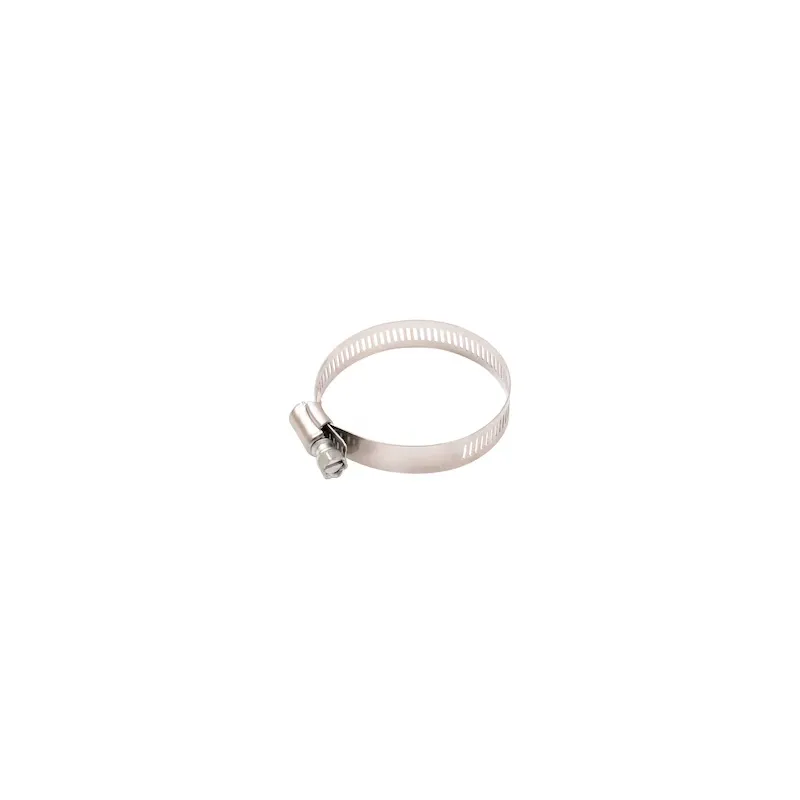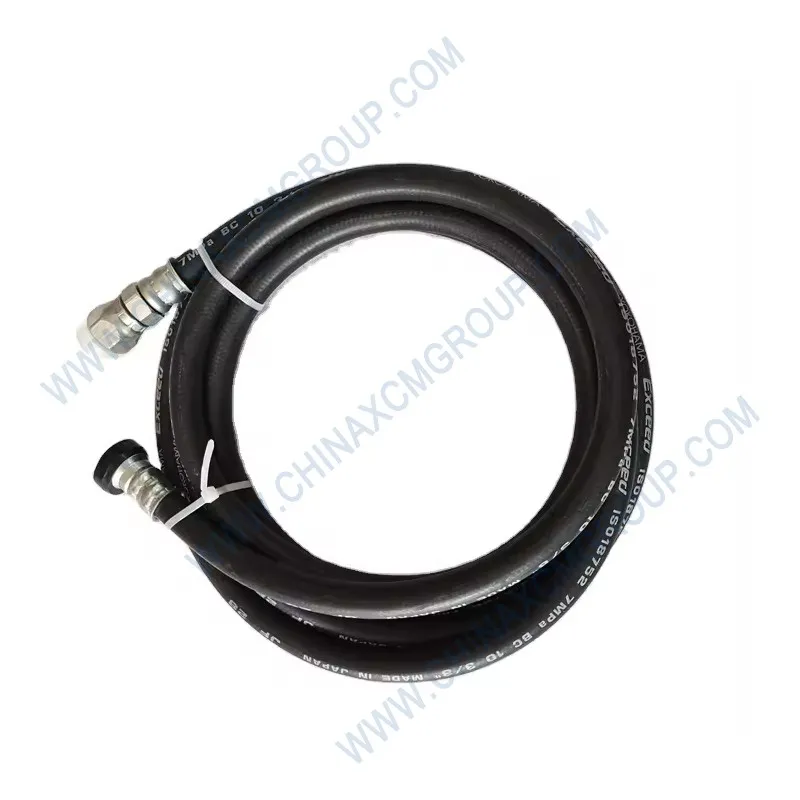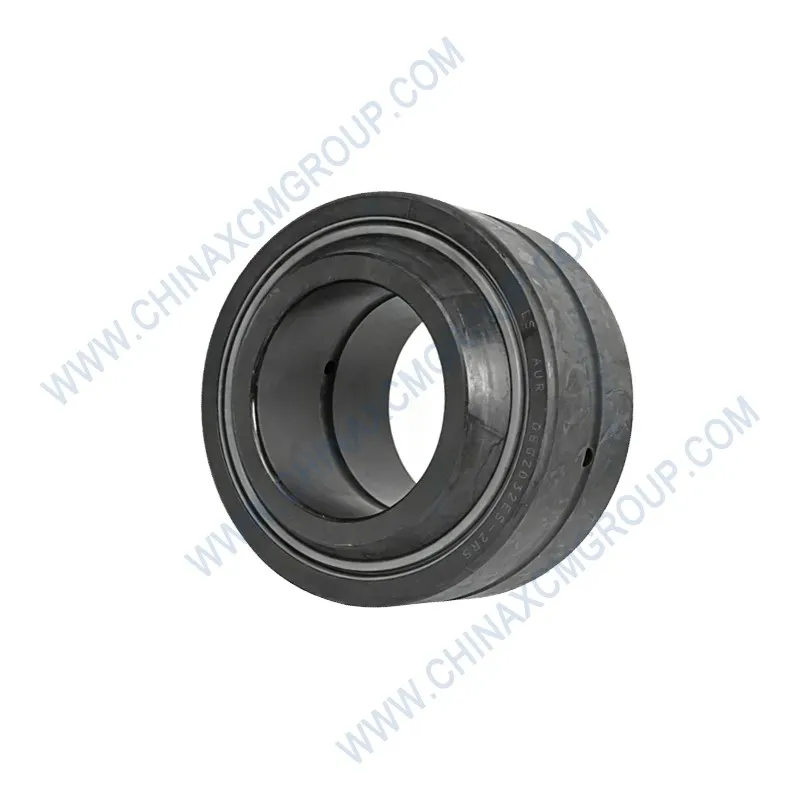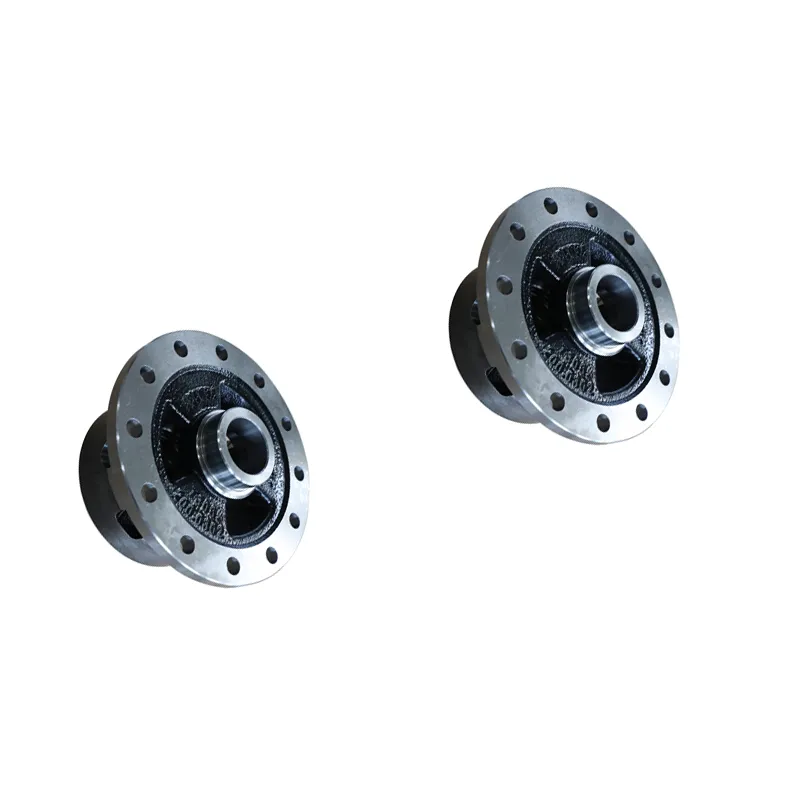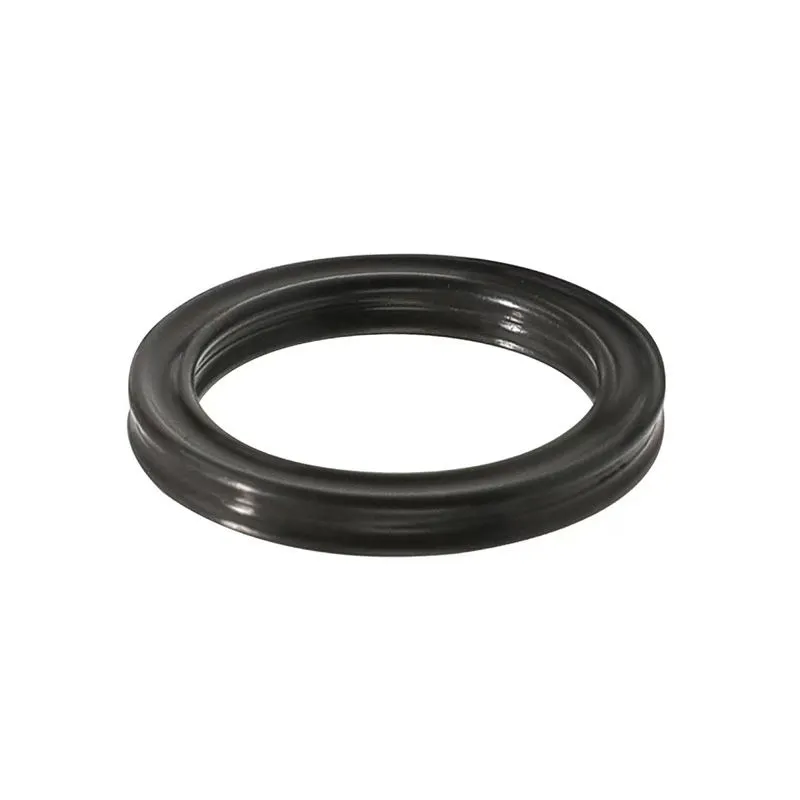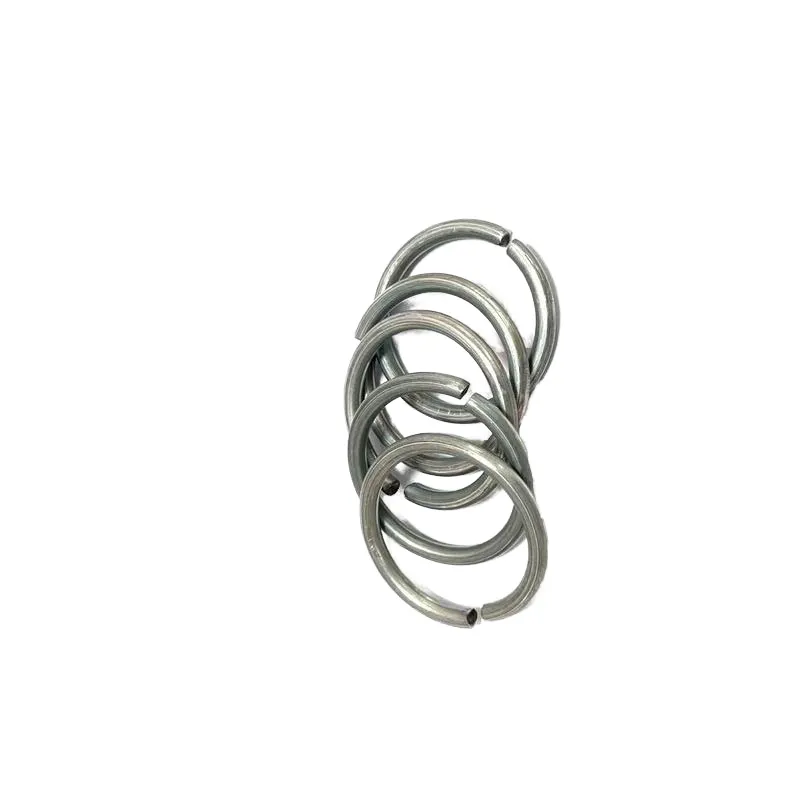
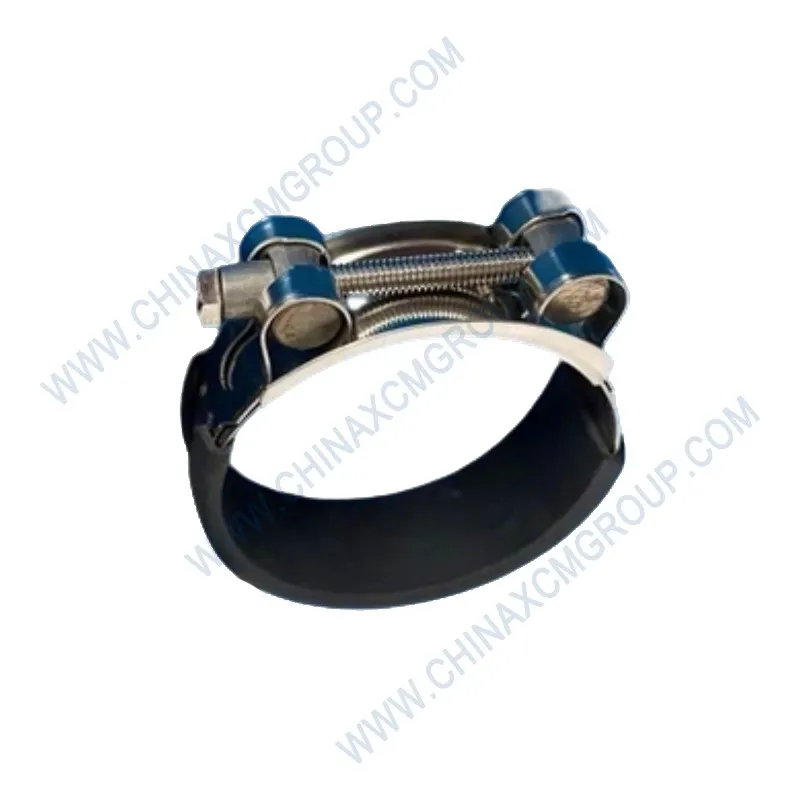
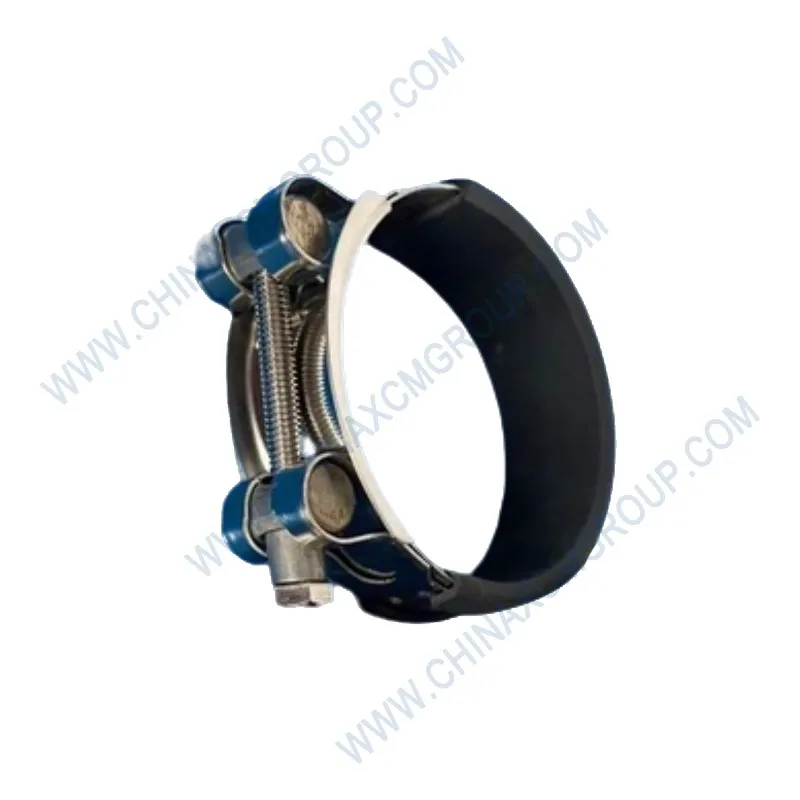
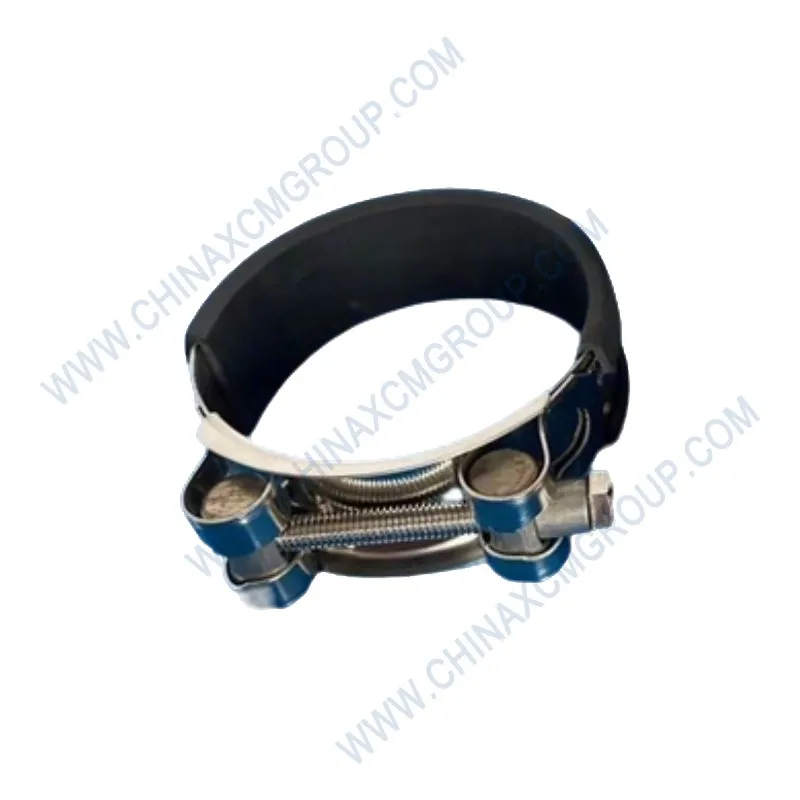
The genuine XCMG Rubber Sleeve Clamp with OEM number 801905672 is a durable, vibration-damping fastening component engineered for XCMG articulated dump trucks, wheel loaders, and off-highway machinery. This clamp is designed to securely bundle and retain hydraulic hoses, electrical wiring harnesses, pneumatic lines, and coolant tubes, preventing chafing, abrasion, and fatigue failure. Manufactured from a high-strength steel band bonded to a resilient EPDM rubber sleeve, the XCMG 801905672 rubber sleeve clamp provides excellent corrosion resistance, UV stability, and long service life in the most demanding mining, quarry, and construction applications.
The XCMG Rubber Sleeve Clamp 801905672 is an essential component for organizing and securing the numerous hoses, tubes, and electrical cables found on modern articulated dump trucks. Without proper clamping, loose lines can rub against each other or sharp edges, leading to abrasion, leaks, electrical shorts, and downtime. This clamp features a durable rubber sleeve that completely surrounds the bundled items, protecting them from metal‑to‑metal contact while absorbing vibration.
On AD-series trucks, these clamps are used on main hydraulic hose bundles running from the pump to the valve block, wiring harnesses along the chassis, and air conditioning lines. Field data shows that using genuine XCMG 801905672 rubber sleeve clamps reduces hose abrasion failures by 80% and significantly extends the life of wiring harnesses in high‑vibration environments.
The rubber sleeve is molded from high‑grade EPDM, chosen for its excellent resistance to UV radiation, ozone, and hydraulic oils. Unlike neoprene or natural rubber, EPDM does not crack or harden under prolonged sunlight exposure – critical for equipment that spends its life outdoors. The sleeve is bonded to the metal clamp body during vulcanization, ensuring it cannot slip or rotate out of position.
The metal clamp body is available in 304 stainless steel for maximum corrosion resistance (ideal for coastal mines or salt‑spray environments) or zinc‑plated steel for general use. The stainless steel version passes 500 hours of salt spray testing without red rust. The clamp has a rolled‑edge design that prevents cutting into the rubber.
The XCMG rubber sleeve clamp 801905672 is available in a range of inner diameters (16 mm to 60 mm) to accommodate different bundle sizes. Each clamp is marked with the OEM number and size. The clamp is designed for single‑bolt mounting – simply drill a 6.5 mm or 8.5 mm hole (depending on bolt size) in the frame or bracket, insert an M6 or M8 bolt, and tighten to 12–15 Nm.
For multi‑line applications, multiple clamps can be stacked using longer bolts. XCMG provides spacer sleeves (order separately) to maintain alignment between stacked clamps. Always position the clamp so that the rubber sleeve completely surrounds the bundle and the clamp does not pinch individual hoses.
To install, first select the correct clamp size by measuring the outer diameter of the hose or cable bundle. The clamp ID should be slightly larger (2–5 mm) than the bundle to allow for slight movement – too tight will pinch; too loose will not provide support. Position the clamp on a flat, clean mounting surface and mark the hole location.
Drill the hole and deburr. Insert an M6 or M8 bolt (grade 8.8 or higher) with a flat washer. Place the bundle inside the rubber sleeve, close the clamp around it, and slide the bolt through the mounting hole. Add a flat washer and lock nut, then tighten to 12–15 Nm. Do not over‑tighten – the clamp should hold the bundle securely without deforming the rubber.
During routine inspections, check the rubber sleeve for cracks, hardening, or oil saturation. If the rubber is cracked or swollen, replace the clamp immediately. Also check the bolt torque – re‑torque after 100 hours of operation. Replace any clamp showing corrosion on the steel band.
Counterfeit rubber sleeve clamps sold as 801905672 often use poor‑quality rubber (recycled or SBR) that hardens or cracks within months. Symptoms include missing or dislodged rubber sleeves, rusted metal bands, and inadequate hold. Genuine XCMG clamps have a uniform black EPDM sleeve, a laser‑etched part number on the metal, and a smooth, seamless bond between rubber and metal.
Another issue is incorrect metal thickness. Aftermarket clamps may use thinner steel (0.6 mm instead of 1.2 mm) that bends or deforms under load. Genuine XCMG clamps have a robust 1.2 mm band that holds its shape. Check the edge – genuine has rolled edges; counterfeits often have sharp, unfinished edges that can cut hoses.
Corrosion: Non‑genuine stainless steel clamps may be made of 201 stainless steel (magnetic, less corrosion resistant). Genuine XCMG uses 304 stainless (non‑magnetic). Use a magnet to test – if the clamp is strongly magnetic, it is not genuine 304 stainless.
A failed clamp can allow high‑pressure hydraulic hoses to whip, causing severe wear or sudden rupture. A hose burst can dump hundreds of liters of oil, cause environmental damage, and result in extended downtime. Replacing a clamp costs under $5, but a single hose replacement can cost $300–800 plus oil and cleanup. Genuine XCMG clamps are cheap insurance.
Predictive maintenance: During daily inspections, check that all clamps are present and secure. Look for signs of rubber deterioration (cracks, hardness) or rust on the metal band. If a clamp is missing, inspect the hoses in that area for rub marks. Re‑torque clamps annually or during major service intervals.
Payback analysis: A pack of 10 XCMG rubber sleeve clamps costs approximately $25. If they prevent one hydraulic hose failure ($500 hose + $200 oil + $300 labor), savings exceed $970 per incident. For a fleet of 10 trucks, annual savings on hose and harness repairs can exceed $10,000.
Every XCMG Rubber Sleeve Clamp 801905672 is produced in an IATF 16949‑certified facility. Each batch undergoes 100% dimensional inspection, rubber hardness testing, and adhesion testing. Random samples are subjected to salt spray (ASTM B117), thermal cycling (-40°C to +120°C), and vibration testing (20g for 200 hours). XCMG provides a 24‑month warranty against material defects or rubber failure.
Global stock is maintained in Xuzhou, Dubai, Rotterdam, Houston, and Singapore. Standard sizes ship within 24 hours. XCMG also offers clamp kits (part 801905672‑KIT) containing 20 clamps in the four most common sizes, plus mounting bolts. Bulk packs of 100 are available for fleet customers at volume discounts.
To verify authenticity, scan the QR code on the packaging – it links to the batch certificate showing material and test results. Always insist on genuine XCMG 801905672; counterfeit clamps have caused hose damage and electrical short circuits due to rubber failure.
XCMG tested the 801905672 rubber sleeve clamp under extreme conditions: -45°C cold soak, +120°C hot oil immersion, and 1,000 hours of UV exposure. The EPDM rubber showed no cracking, hardening, or loss of elongation. The bond between rubber and metal remained intact, with no delamination. The stainless steel band showed no corrosion after 500 hours of salt spray.
For applications with continuous exposure to diesel or biodiesel, XCMG recommends the FKM (Viton) rubber version (801905672‑FKM). This withstands fuel immersion and high temperatures up to 180°C. For extremely high vibration (e.g., near engines), a double‑clamp design is available (801905672‑DC).
The clamp’s vibration damping performance was verified: it reduces transmitted vibration by 85% at frequencies between 50–500 Hz, protecting sensitive electronic cables and preventing hose fatigue.