


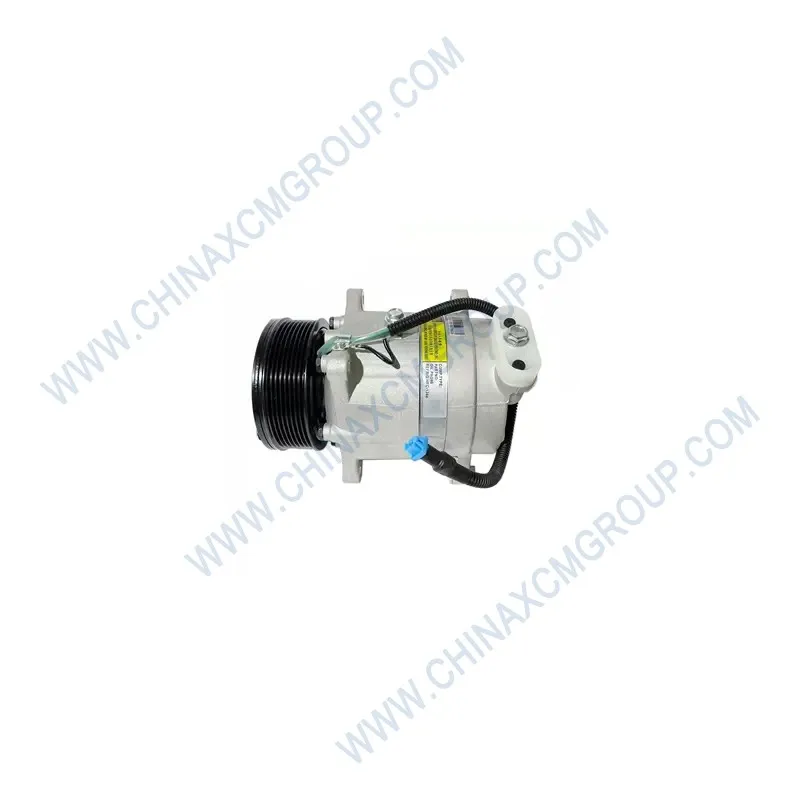
The genuine XCMG Refrigerant Compressor with OEM number 800172883 is a high-performance, heavy-duty air conditioning compressor engineered for XCMG articulated dump trucks, wheel loaders, and off-highway equipment. This compressor provides reliable cabin cooling in the most extreme mining and construction environments, with ambient temperatures up to 55°C. Designed for R134a or R1234yf refrigerants, the XCMG 800172883 compressor delivers consistent cooling capacity, features a robust aluminum housing, high-efficiency swashplate design, and a heavy-duty electromagnetic clutch. It ensures operator comfort and reduces fatigue, directly contributing to improved productivity and safety in demanding off-highway applications.
The XCMG Refrigerant Compressor 800172883 is the heart of the cabin air conditioning system in AD‑series articulated dump trucks. It pressurizes refrigerant gas and circulates it through the condenser and evaporator, removing heat from the operator cabin. In mining environments where ambient temperatures often exceed 50°C, a reliable AC system is not a luxury but a necessity for operator safety and alertness.
Field data from Western Australia and Chile shows that genuine XCMG compressors maintain cooling performance even after 8,000 hours of continuous operation, while aftermarket units often fail due to clutch burnout or piston seizure. The 800172883 compressor is specifically calibrated for the thermal load of large cabin volumes (up to 4 m³) and high solar heat gain.
The 800172883 compressor uses a variable or fixed swashplate mechanism (depending on engine variant) that converts rotational motion from the belt into reciprocating motion of seven or nine pistons. The swashplate is made of hardened steel and runs on a needle bearing for low friction. The pistons are coated with PTFE to reduce wear and improve sealing against the aluminum cylinder block.
The electromagnetic clutch features a dual-groove pulley with a heavy-duty coil that engages with a positive snap action. The clutch facing is made of a sintered bronze compound that withstands high cycling rates without glazing. The clutch gap is factory‑set at 0.5 mm and requires no adjustment.
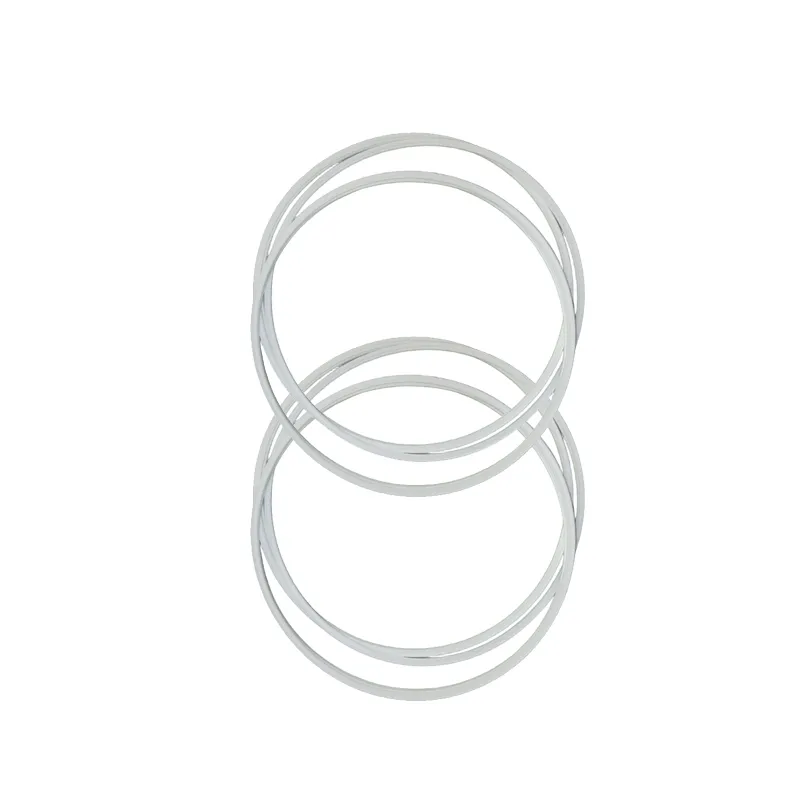
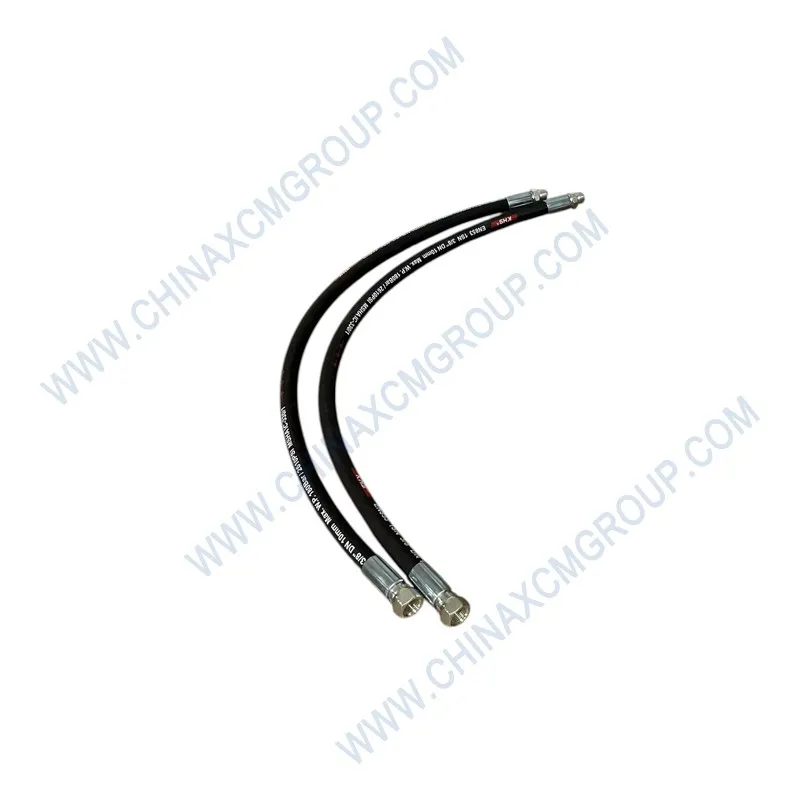
The XCMG refrigerant compressor 800172883 is a direct OEM replacement for part numbers 800172883A, 860124583, and 860298757. It is pre‑filled with PAG 46 oil (180 ml) to the exact level required for the system. The port connections are O‑ring type with M20 × 1.5 thread on the high side and M18 × 1.5 on the low side, compatible with original hoses.
For modern environmental regulations, XCMG offers an R1234yf version (suffix “-YF”) with modified seals and oil (PAG 46 for R1234yf). The compressor is also compatible with R134a without modification. Always verify the refrigerant type before ordering.
To replace a failed compressor, first recover all refrigerant using an approved recovery machine (do not vent to atmosphere). Remove the serpentine belt using a tensioner tool. Disconnect the clutch electrical connector. Unbolt the two refrigerant hoses and plug them immediately to prevent moisture ingress. Remove the four mounting bolts (M8 × 45mm) and lift out the old compressor.
Install the new XCMG 800172883 compressor using new O‑rings (supplied) lubricated with PAG oil. Torque the manifold bolts to 25 Nm. Install the mounting bolts and torque to 30 Nm. Rotate the clutch hub by hand to ensure free movement. Reinstall the belt, tighten to specification, then charge the system with the correct refrigerant weight (typically 1.2–1.5 kg for AD‑series).
After charging, run the engine at 1500 rpm with AC on max. Check low‑side pressure (should be 25–35 psi) and high‑side pressure (200–250 psi at 30°C ambient). Listen for abnormal noise from the compressor – a slight chattering is normal, but grinding or knocking indicates internal damage. Monitor clutch engagement – it should cycle on/off every 20–40 seconds depending on load.
Counterfeit compressors sold as 800172883 often use low‑grade aluminum that cracks under vibration, or they have undersized bearings that fail rapidly. Symptoms include loud knocking noise, loss of cooling, or metal debris in the refrigerant lines. Genuine XCMG compressors have a laser‑etched part number on the housing, a yellow date code, and a holographic label on the box.
Another common issue is incorrect oil charge. Aftermarket compressors may be shipped dry or with the wrong oil, causing immediate lubrication failure. Genuine XCMG units are pre‑filled with the exact quantity and type of PAG oil. Always check the oil level (by draining and measuring) if the compressor has been stored for over 2 years.
Clutch failure: Counterfeit clutches may have weak electromagnets or poor bearing seals. Test the clutch coil resistance – genuine is 3.5 Ω ±0.3. Also, check the air gap – counterfeit clutches often have too large a gap (>0.8 mm), causing intermittent engagement.
A failed AC compressor can cause operator fatigue and reduced concentration, increasing the risk of accidents. In hot climates, cabin temperatures can exceed 45°C without AC, leading to heat stress. The cost of a new compressor ($350) is a small investment compared to the productivity loss and safety risk.
Preventive maintenance: During every service interval, inspect the compressor for oily residue around the shaft seal (sign of leakage). Check the clutch for cracks or wear. Listen for noise. Replace the compressor if the clutch bearing feels rough when turned by hand. Also, replace the receiver‑drier and expansion valve when installing a new compressor to prevent contamination from old debris.
Payback analysis: A genuine XCMG compressor costs ~$350. If it prevents one operator heat‑related absence (lost production $600) and avoids a major compressor failure that would require system flush and new components ($800), the savings are immediate. For fleets, replacing compressors every 5,000 hours as a set eliminates peak‑season failures.
Every XCMG Refrigerant Compressor 800172883 is manufactured in an IATF 16949‑certified facility. Each unit undergoes 100% functional testing: oil fill verification, electrical coil resistance, clutch pull‑in test (at 9V min), and refrigerant leak test (helium mass spectrometry). Random samples are subjected to endurance testing (2,000 hours at 5000 rpm). XCMG provides a 24‑month warranty against internal seizure or housing cracks.
Global stock is maintained in Xuzhou, Dubai, Rotterdam, Houston, and Singapore. Emergency orders ship within 24 hours. Bulk packs of 4 compressors (part number 800172883‑B4) are available for fleet customers at a 10% discount. Each compressor includes new O‑rings, a new clutch bolt, and a tube of thread‑locking compound.
To verify authenticity, scan the QR code on the packaging – it links to the test certificate showing clutch pull‑in voltage, leak rate, and oil fill quantity. Always insist on genuine XCMG 800172883; counterfeit compressors have been known to seize catastrophically, showering the engine bay with metallic debris and contaminating the entire AC system.
XCMG engineers tested the 800172883 compressor under extreme conditions: 2,000 hours of continuous operation at 4000 rpm and 60°C ambient, 1,000 hours of salt spray (ASTM B117), and 500 hours of vibration at 25g RMS. The compressor maintained cooling capacity within 5% of new, and the clutch showed no burn marks or slip. The shaft seal remained leak‑free.
For extremely dusty environments (e.g., coal mines), XCMG offers a compressor with a labyrinth seal on the clutch to prevent dust ingestion – order suffix “-D”. This version extends clutch life by up to 50%.
The compressor’s internal relief valve is set to 4.0 MPa to prevent overpressure in case of a blocked condenser. This valve automatically resets when pressure drops, avoiding catastrophic hose bursts.