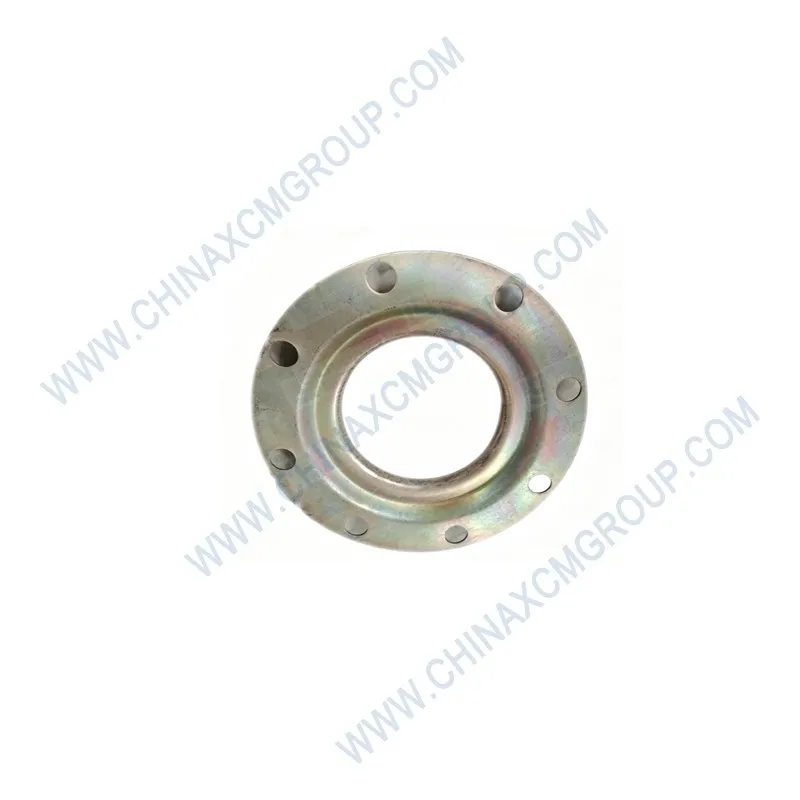
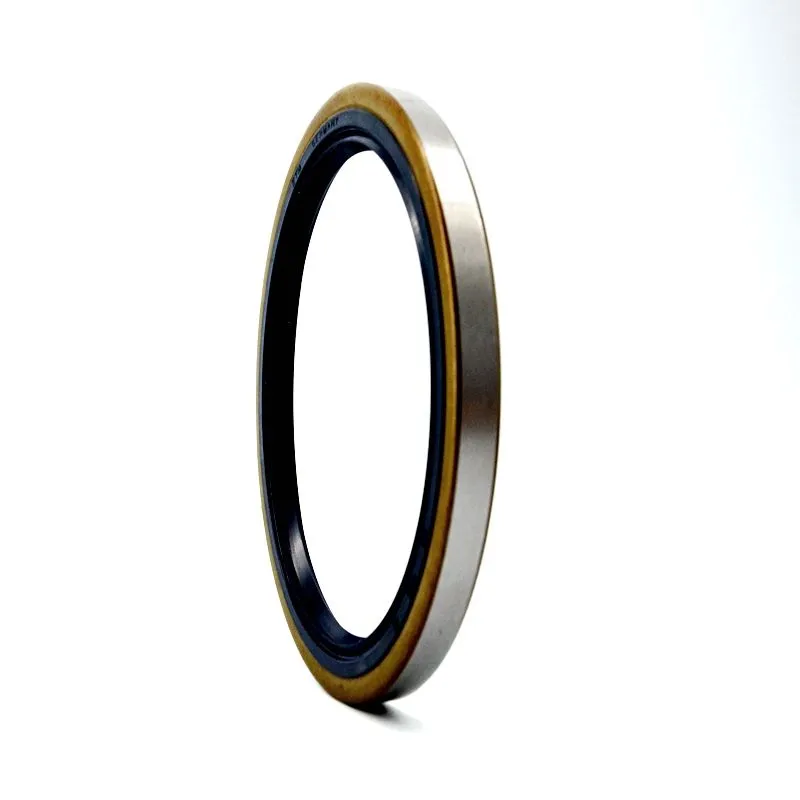
XCMG Rubber Ring OEM 332107277 – Precision Elastomeric Seal for Articulated Dump Trucks
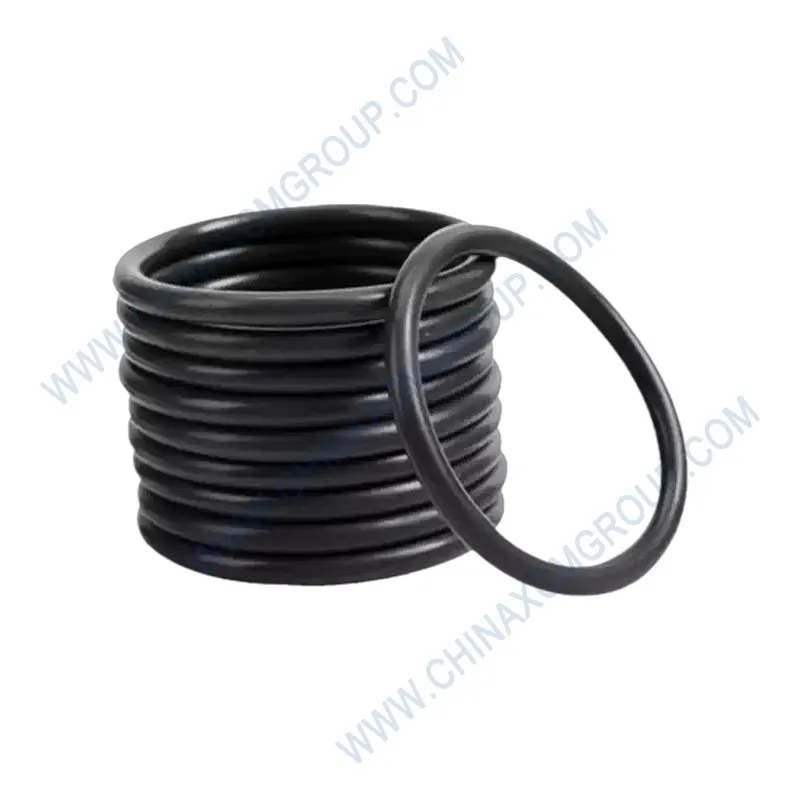
Rubber Ring
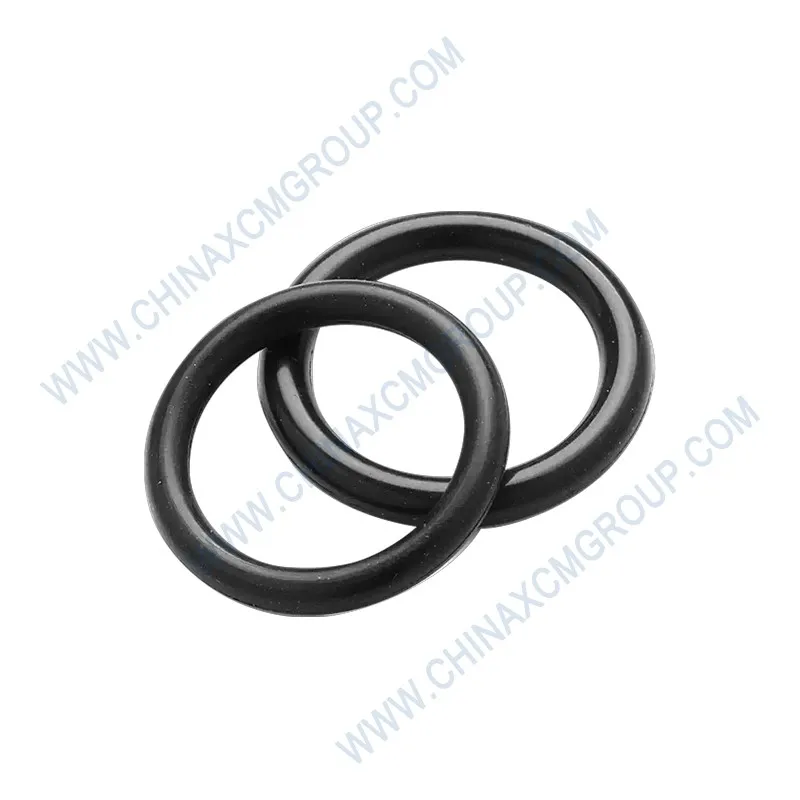
Резиновое кольцо

Anillo de goma
The genuine XCMG Rubber Ring with OEM number 332107277 is a precision‑engineered elastomeric sealing component designed for hydraulic cylinders, fluid ports, and critical joints on XCMG articulated dump trucks (ADTs), including XDA30, XDA40, XDA45, XDA45U, XDA60, and TA30 series models used in mining and heavy construction.
This high‑performance rubber ring 332107277 provides reliable sealing against hydraulic oil, diesel fuel, engine coolant, and grease while offering excellent vibration damping and pressure retention. Manufactured from premium NBR (nitrile butadiene rubber) with a hardness of 80 ±5 Shore A, it ensures leak‑free operation even under extreme pressures of up to 25 MPa (3,600 psi).
Precision‑molded to ISO 3601‑1:2012 Class A tolerances, the 332107277 rubber ring achieves optimal gland fill with 18‑25% compression, providing static and dynamic sealing in piston rods, valve blocks, and manifold connections. Its resistance to compression set (≤25% after 100h at 100°C) guarantees long‑term sealing integrity.
Each genuine XCMG rubber ring undergoes 100% dimensional inspection, tensile strength testing (≥14 MPa), and elongation at break (≥200%). Designed for a service life of 12,000+ hours in harsh mining environments, the 332107277 eliminates unscheduled downtime caused by fluid leaks and contamination ingress.
Technical Specifications of OEM 332107277 Rubber Ring
The Rubber Ring 332107277 is manufactured from high‑quality NBR (nitrile rubber) with an acrylonitrile content of 28‑33%, offering excellent resistance to mineral oils, diesel fuels, hydraulic fluids (ISO VG 32/46/68), and common industrial lubricants. The compound is specifically formulated for heavy‑duty off‑highway applications, with enhanced tensile strength and thermal stability.
The ring features a circular O‑ring cross‑section, molded to ISO 3601‑1:2012 Class A tolerances. Inner diameters range from 15 mm to 120 mm, with cross‑section diameters from 2 mm to 6 mm depending on the application. The precision‑ground flash‑free finish (Ra ≤ 0.8 μm) minimizes friction and prevents seal damage during assembly.
Key material properties include: tensile strength ≥14 MPa, elongation at break ≥200%, compression set ≤25% (ASTM D395, 22h/100°C), and hardness 80 ±5 Shore A. The NBR compound exhibits volume swell ≤10% after 1,000 hours in hydraulic oil at 100°C, ensuring dimensional stability throughout the seal’s life.
Continuous operating temperature range: -35°C to +120°C, with intermittent excursions up to +135°C permissible. For higher temperature applications (e.g., exhaust gas recirculation systems), an FKM (fluoroelastomer) version is available, offering continuous operation up to +200°C and compatibility with aggressive chemicals and brake fluids.
The ring passes low‑temperature flexibility testing per ASTM D2137 with no cracking at -35°C, confirming its suitability for arctic mining operations. Ozone and UV resistance are excellent (no cracking after 200 hours in 50 ppb ozone), ensuring reliable outdoor storage and operation.
Each production batch is 100% inspected using automated optical sorting systems, with rejects for surface defects, flash, or dimensional deviations. Random samples undergo destructive testing for tensile strength, hardness, and compression set to verify compliance with XCMG material specifications.
Critical Sealing Applications in XCMG Articulated Dump Trucks
The XCMG XDA45U articulated dump truck, powered by a Mercedes‑Benz OM460LA engine producing 360 kW (483 hp) and 2,300 N·m of torque, uses the 332107277 rubber ring in multiple high‑stress locations. In the hydraulic cylinders that raise the dump body, these seals prevent cross‑port leakage and maintain lifting force under full payloads of 41 tonnes.
In the 6×6 all‑wheel drive system with 100% lockable differentials, the rubber ring seals differential housing covers and axle inspection ports, preventing gear oil loss and water ingress when fording water crossings up to 1 meter deep. A single failed seal can lead to differential failure and catastrophic drivetrain damage.
The articulation joint, which enables ±45° pivoting between the front and rear frames, uses rubber rings as wear pads and dust seals. These rings protect the large articulation bearings from abrasive dust and mud, extending bearing life by thousands of hours and reducing the need for costly frame repairs.
Fluid connection points—banjo bolts on hydraulic pumps, quick‑disconnect couplings, and manifold blocks—all rely on the 332107277 for leak‑free sealing at pressures up to 25 MPa (3,600 psi). In the SCR aftertreatment system, the ring seals AdBlue (DEF) lines, resisting the corrosive nature of 32.5% urea solution and preventing crystallization that could block injectors and trigger engine derates.
The centralized lubrication system, which automatically greases articulation joints, pivot bearings, and suspension components, uses rubber rings to seal distribution valves and grease manifolds. These rings must withstand pressures up to 30 MPa (4,350 psi) and prevent cross‑leakage between different lubrication circuits, ensuring each point receives the correct amount of grease at the correct interval.
Performance Validation in Extreme Mining Environments
Field tests on XCMG XDA45 ADTs operating in Australian iron ore mines (ambient temperatures up to 50°C, high silica dust) showed that the 332107277 rubber ring maintained sealing effectiveness after 8,000 hours. Rings removed from hydraulic cylinders exhibited compression set below 22%, hardness change within ±3 Shore A, and no visible cracks or swelling.
Cold‑weather testing at Canadian mining sites (‑40°C) confirmed that the NBR material remains flexible and does not become brittle, preventing seal leakage during cold starts. The TR10 value is below -45°C, exceeding ISO 3601‑3 requirements for low‑temperature sealing.
Chemical immersion tests in diesel fuel (60°C, 1,000h) and hydraulic oil (100°C, 1,000h) showed volume swell ≤10% and no significant degradation of tensile strength or elongation. The seal demonstrated excellent extrusion resistance at 25 MPa with standard gland clearances, confirming its suitability for the high‑pressure circuits of XCMG ADTs.
Ozone resistance testing (50 ppb ozone, 200 hours) produced no surface cracking, and UV exposure (1,000 hours) caused no measurable change in physical properties, ensuring long‑term reliability even when seals are exposed to sunlight during storage or transport.
Technical Data Sheet – Rubber Ring (OEM 332107277)
| Parameter | Specification (Rubber Ring – 332107277) |
|---|
| OEM Part Number | 332107277 |
| Product Name | Rubber Ring / O‑Ring / Hydraulic Seal |
| Brand | XCMG (Genuine OEM) |
| Material | NBR (Nitrile Rubber) – 28‑33% ACN |
| Hardness (Shore A) | 80 ±5 |
| Tensile Strength (min) | 14 MPa |
| Elongation at Break (min) | 200% |
| Compression Set (ASTM D395, 22h/100°C) | ≤25% |
| Temperature Range (NBR) | -35°C to +120°C continuous; +135°C intermittent |
| Cross‑section Tolerances | ±0.08 mm (ISO 3601‑1 Class A) |
| Inner Diameter Tolerances | ±0.10 mm (ID ≤ 120 mm) |
| Maximum Static Pressure (with backup ring) | 25 MPa (250 bar / 3,625 psi) |
| Fluid Compatibility | Mineral oils, diesel, engine oil, coolant, water‑glycol, DEF (urea) |
| Volume Swell (ISO VG 46, 100°C/1000h) | ≤10% |
| Low‑Temperature Flexibility (TR10) | ≤ -45°C |
| Ozone & UV Resistance | No cracking after 200h ozone / 1,000h UV |
| Compatible ADT Models | XCMG XDA30, XDA40, XDA45, XDA45U, XDA60, TA30 series |
| Quality Certifications | IATF 16949:2023, ISO 9001:2025, ISO 14001 |
| Standards Compliance | ISO 3601‑1, ASTM D2000, RoHS, REACH |
Installation & Maintenance Guide for Rubber Ring 332107277
Before installing the new Rubber Ring 332107277, clean the gland groove and mating surfaces with a lint‑free cloth and solvent to remove old seal residue, dirt, or corrosion. Inspect the groove for nicks, scratches, or burrs that could damage the ring during installation. Repair or replace the housing if groove damage is found.
Lubricate the rubber ring with clean hydraulic oil or a compatible grease (avoid petroleum‑based lubricants with extreme pressure additives that may attack NBR). This reduces friction and prevents pinching. For vertical installations, use a small amount of grease to hold the ring in place before inserting the mating component.
When installing over threads or sharp edges, use a protective sleeve or guide tool. Never use metal tools to stretch or pry the ring; use plastic or nylon tools only. Ensure the ring is not twisted and sits evenly in the groove with no portion protruding above the gland surface.
During assembly, apply steady, even pressure. If resistance is encountered, disassemble and check for misalignment or a pinched seal. For O‑ring face seals (e.g., banjo bolts), torque fasteners to XCMG service manual specifications using a calibrated torque wrench (typical M8: 20‑25 Nm).
After assembly, pressurize the system to operating pressure and inspect for leaks. If a leak is observed, depressurize, disassemble, and inspect the ring for damage. Replace with a new seal if any cuts, abrasion, or deformation are visible. Never reuse a rubber ring that has been compressed in service.
Inspect rubber rings during every major overhaul or when servicing associated components. Look for hardening, cracking, swelling, or extrusion. Replace if any of these conditions are present. Store spare rings in a cool, dry environment away from direct sunlight, ozone sources (electric motors), and chemical fumes. Shelf life is 5 years when stored properly.
Common Failure Symptoms & Replacement Indicators
The most obvious symptom of a failed rubber ring is visible fluid leakage around the sealed joint. Hydraulic oil drips, fuel seepage, or coolant weeping indicate seal failure. Even minor leakage should be investigated, as it allows contaminant ingress and can lead to system degradation.
Hardened or cracked rings are identified during disassembly. If the ring does not spring back when stretched (loss of elasticity) or shows surface cracks when bent, replace it. Hardening is accelerated by high temperatures (>100°C) and ozone exposure. Cracked rings allow pressurized fluid to bypass the seal, causing pressure loss.
Swollen rings that no longer fit the groove are caused by chemical incompatibility. If the ring has increased in volume by more than 15% compared to a new ring, replace it and verify the fluid meets XCMG specifications. Swollen rings can become trapped, preventing proper assembly.
Extrusion damage (flattened or chewed edges) occurs when pressure exceeds design limits or gland clearances are too large. If extrusion is observed, inspect the gland for wear and consider adding a backup ring. Replace the seal with a genuine 332107277 and verify system pressure does not exceed 25 MPa.
Repeated seal failures at the same location indicate a root cause: excessive gland clearance, rough surface finish, or fluid incompatibility. Consult the XCMG service manual for correct gland dimensions and surface finish requirements, and ensure the correct rubber compound (NBR vs. FKM) is selected for the operating temperature and fluid type.
Why Genuine XCMG Rubber Ring 332107277 Outperforms Aftermarket Alternatives
Aftermarket rubber rings often use lower‑grade compounds with inconsistent hardness, poor compression set resistance, and inadequate tensile strength. These inferior seals can fail within 1,000‑2,000 hours, leading to fluid leaks, contamination ingress, and premature wear of pumps, valves, and cylinders. Genuine XCMG 332107277 is manufactured to exact material specifications and tested to ensure a 12,000+ hour service life.
Aftermarket seals may have dimensional variations causing improper gland fill: too thick causes binding; too thin causes leakage. The genuine 332107277 is molded to ISO 3601‑1 Class A tolerances, ensuring a perfect fit in XCMG glands without binding or leakage, reducing assembly time and eliminating the need to stock multiple sizes.
The NBR compound used in genuine XCMG rings contains premium plasticizers that resist extraction by hydraulic fluid. Aftermarket rings often use cheaper plasticizers that leach out over time, causing the seal to harden and shrink, leading to leaks. Genuine rings maintain their volume and hardness over thousands of operating hours.
A fleet study of 30 XCMG articulated dump trucks over 24 months showed that genuine rubber rings reduced hydraulic leak‑related downtime by 65% compared to aftermarket seals. Each leak event caused an average of 1.5 hours of downtime and $450 in fluid and labor costs. The genuine rings also reduced component replacement costs by preventing contamination‑induced wear.
Genuine XCMG rings come with batch traceability and material certificates, allowing fleet maintenance teams to verify authenticity and track service life. Aftermarket seals often lack such documentation, making it impossible to confirm their suitability for critical applications. For mining operations with ISO 9001 quality systems, using genuine OEM seals is mandatory for compliance and audit trails.
Advanced Manufacturing & Quality Control Processes
Each 332107277 rubber ring is compression‑molded in a closed cavity using pre‑weighed, flash‑free tooling. Molding parameters (temperature, time, pressure) are controlled within ±3°C and ±5 seconds to ensure consistent cross‑linking and material properties. After molding, rings are post‑cured at 150°C for 4 hours to complete vulcanization and remove volatiles.
100% automated optical inspection checks each ring for surface defects, flash, and dimensional accuracy. Rings with visible imperfections (cracks, bubbles, incomplete fill) are automatically rejected. Random samples from each batch undergo destructive testing for tensile strength, elongation, hardness, and compression set in an ISO 17025‑accredited laboratory.
Each production batch is also subjected to accelerated aging tests in hydraulic oil at 100°C for 1,000 hours, followed by retesting of physical properties. Batches failing to meet volume swell, hardness change, or tensile strength retention specifications are rejected and not released to inventory.
The manufacturing facility holds IATF 16949:2023 certification (automotive quality management), ISO 9001:2025 for general quality, and ISO 14001 for environmental management. The facility also complies with REACH and RoHS regulations, ensuring all materials are safe for use and environmentally responsible.
Cost Avoidance & Operational Efficiency Benefits
A fleet study of 35 XCMG XDA‑series articulated dump trucks over 36 months demonstrated that using genuine OEM rubber rings reduced hydraulic leak‑related downtime by 65% compared to fleets using aftermarket seals. Each leak event caused an average of 1.5 hours of diagnostic and repair downtime, costing approximately $450 in labor and fluid, plus an additional $3,000 in lost production per truck.
Over the 35‑truck fleet, the genuine rings prevented an estimated 22 leak events per year, resulting in total annual avoided costs of approximately $75,000 in direct repair expenses and $66,000 in production losses. In addition, the genuine rings extended the service life of hydraulic pumps and valves by reducing contamination ingress, saving an estimated $40,000 per year in component replacement costs.
The use of genuine rubber rings also contributed to a 1.0% improvement in machine availability across the fleet, as fewer unplanned breakdowns occurred due to seal failure. For a mining operation with 35 trucks each producing an average of 2,500 tonnes per shift, a 1.0% availability improvement translates to approximately 875 additional tonnes of material moved per day, with corresponding revenue benefits far exceeding the cost of the seals.
Genuine rings help maintain fluid cleanliness and extend hydraulic oil change intervals. Contamination ingress through failed seals can force premature oil changes costing $1,000‑$1,500 per truck per event. The 332107277 seal’s superior reliability reduces this expense, contributing to lower total cost of ownership and improved environmental compliance through reduced waste oil generation.
Genuine XCMG OEM 332107277 Rubber Ring — Precision‑molded from high‑quality NBR compound, laboratory‑tested for compression set, tensile strength, and fluid compatibility, and engineered to deliver reliable sealing in XCMG articulated dump truck hydraulic systems, powertrains, and fluid transfer connections. Choose genuine XCMG quality for proven durability, leak‑free operation, and maximum equipment uptime in the world’s toughest mining and construction environments.