Urea Sensor
Датчик мочевины
Sensor de urea
The XCMG Urea Sensor with OEM part number 800179999 is a precision Diesel Exhaust Fluid (DEF) quality and level sensor engineered for XCMG articulated dump trucks equipped with SCR aftertreatment systems. This sensor continuously monitors urea concentration, temperature, and fluid level in the DEF tank, ensuring accurate dosing for NOx reduction and regulatory compliance under Tier 4 Final / Stage V emission standards.
Manufactured using advanced ultrasonic and capacitive measurement technologies, the sensor 800179999 detects DEF concentration between 32.5% and 35%, alerting the ECU if the fluid falls below acceptable quality thresholds. This prevents catalyst damage and derate events caused by diluted or contaminated urea, which is especially critical in mining and construction environments where fluid quality can vary.
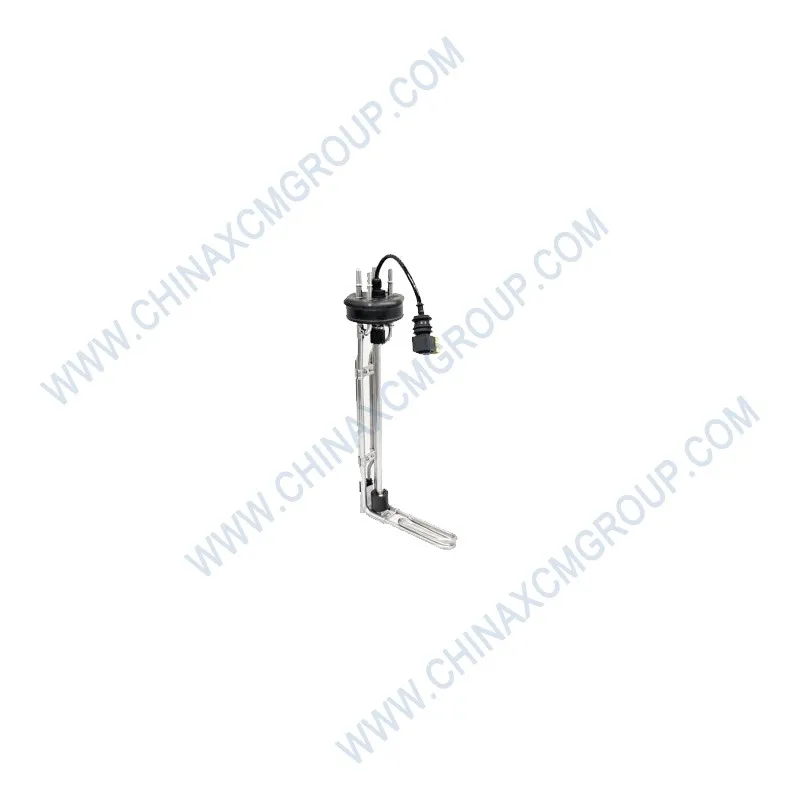
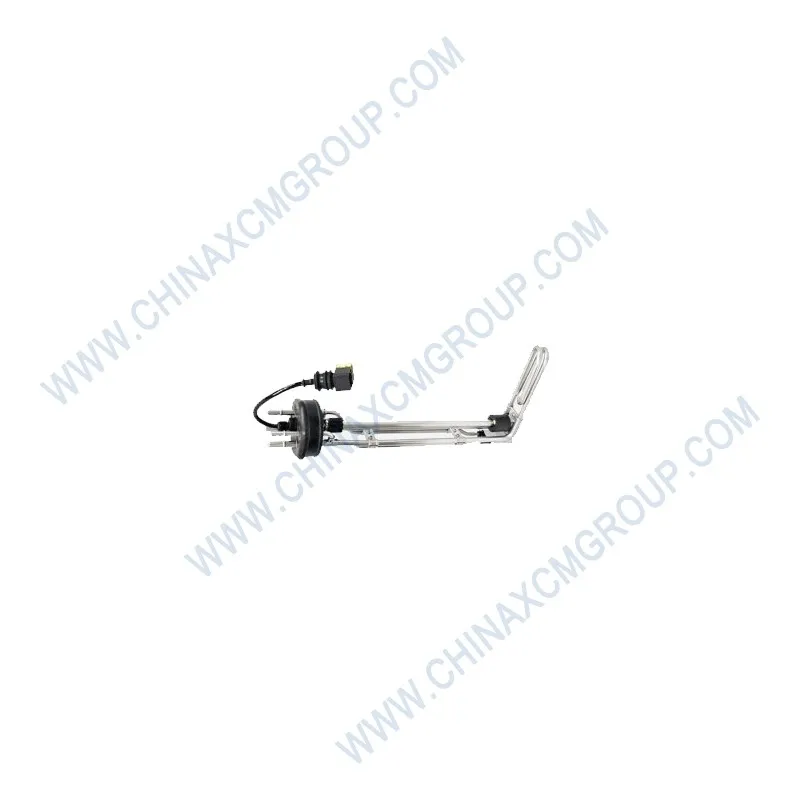
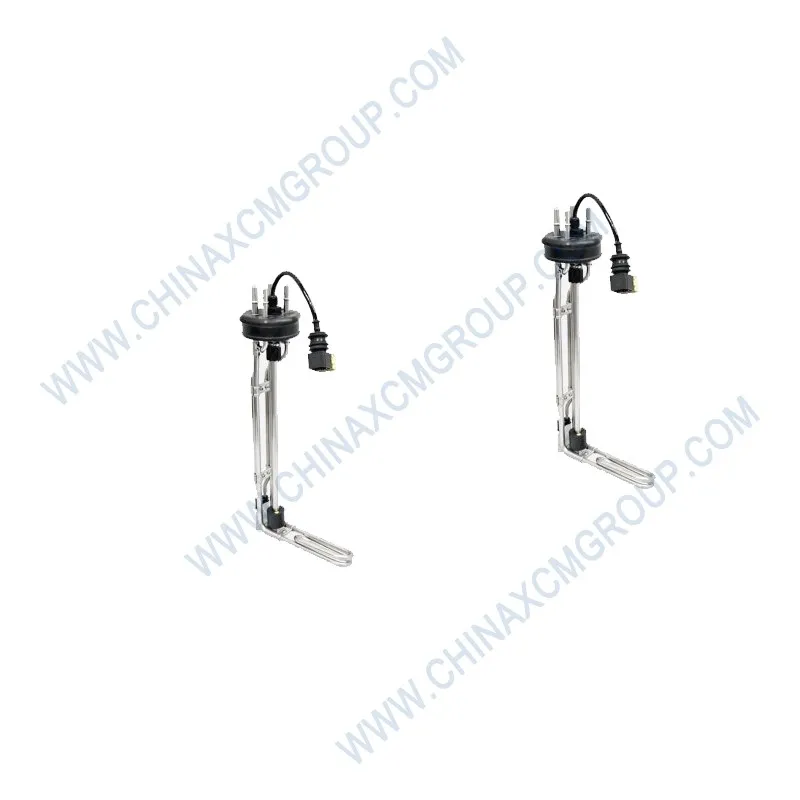
The sensor integrates a multi-element probe that measures DEF level across the full tank height using magnetostrictive or capacitive technology (depending on variant). It communicates via CAN J1939 protocol directly to the engine control module, providing real-time data for dashboard warnings and active dosing control. Genuine XCMG 800179999 sensors undergo 100% functional testing and calibration before leaving the factory.
Designed for harsh environmental conditions, this urea sensor features stainless steel housing, IP69K sealing, and robust resistance to urea crystallization and corrosion. Replacing a failing sensor with genuine XCMG component restores SCR system accuracy, eliminates false “poor quality DEF” warnings, and prevents unplanned downtime due to emission-related derates.
The 800179999 urea sensor utilizes a combination of ultrasonic concentration measurement and magnetostrictive level sensing. The ultrasonic transducer sends sound waves through the DEF fluid; the speed of sound varies with urea concentration, allowing the sensor to calculate the exact percentage within ±0.5% accuracy. This ensures that only DEF meeting ISO 22241 standards is injected into the SCR catalyst.
The level measurement uses a float with a magnetic ring sliding along a stainless steel tube containing a waveguide. When the float moves, a torsional strain pulse is induced, and the time-of-flight calculation provides highly accurate level data with 1% resolution. This design has no moving electrical contacts, making it immune to vibration, foam, and contamination – common issues in articulated dump trucks operating on rough terrain.
Integrated temperature measurement (PT1000 element) compensates concentration calculations for thermal expansion effects and also warns the operator if DEF is at risk of freezing (-11°C) or overheating (>50°C). All data is transmitted over CAN J1939 using standardized parameter group numbers (PGN), ensuring plug-and-play compatibility with XCMG engine ECUs.
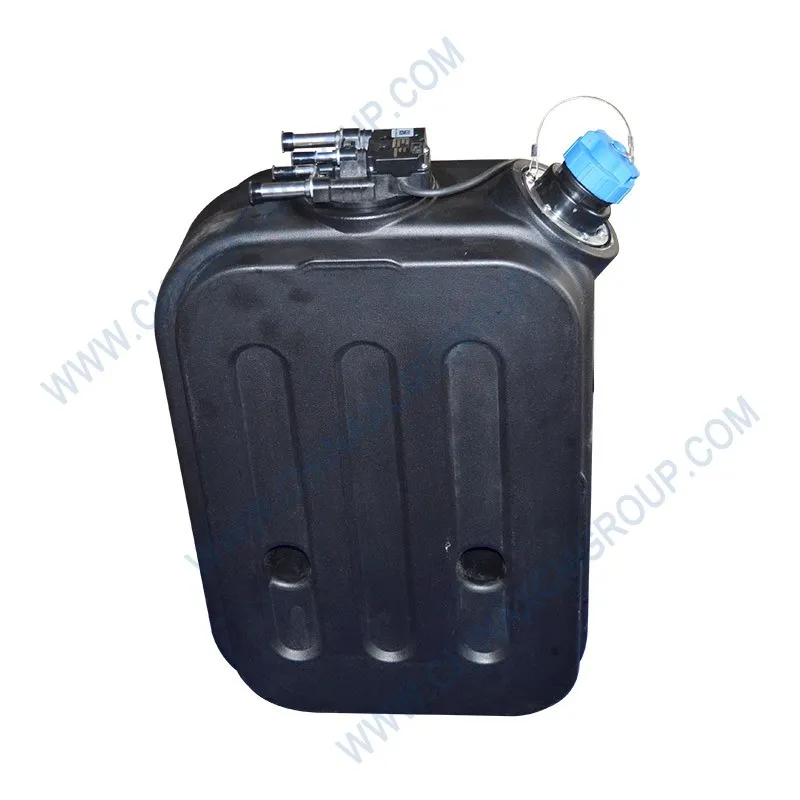
The urea sensor 800179999 is the OEM-specified component for XCMG AD45, AD60, AD80, and AD100 articulated dump trucks equipped with Cummins QSM11, QSX15, or Mercedes-Benz OM460 engines with SCR. It mounts into the DEF tank via a standardized 6‑hole flange with an integrated gasket. The electrical connector is a Deutsch DT06‑6S (6‑pin sealed), with pinout matching the original XCMG chassis harness.
The sensor is also used on XE excavators and LW loaders with SCR systems. Always verify the tank flange diameter (typically 85 mm) and probe length (400‑600 mm) before ordering. The 800179999 has a nominal probe length of 510 mm, suitable for the 80‑liter DEF tank used on AD60 and AD80 trucks. For other tank depths, XCMG offers variants with 380 mm and 650 mm probes under different part numbers.
When installed, the sensor communicates with the DCU (dosing control unit) which commands the DEF injector. If the sensor detects low quality (e.g., water dilution or incorrect urea concentration), the ECU will illuminate a warning light and eventually induce a 20% torque derate after 2 hours of operation, forcing the operator to take corrective action. Using a genuine sensor prevents false quality warnings that can arise from mismatched calibration curves.
Common failure symptoms of a defective urea sensor include: intermittent or constant “DEF Quality Poor” warnings, inaccurate level readings (e.g., showing empty when tank is full), no level reading at all (dash displays dashes), and CAN communication errors (spn 4360 for DEF quality, spn 4361 for level). A failed sensor can cause the dosing system to stop injecting DEF, leading to increased NOx emissions and eventually a 20% engine derate.
Ignoring sensor warnings may also allow low-quality DEF to be injected into the SCR catalyst, causing permanent catalyst deactivation. Replacing a damaged SCR catalyst costs $6,000–10,000 plus labor. The genuine XCMG 800179999 urea sensor is priced between $180 and $280, making preventive replacement every 8,000 hours or at the first sign of erratic behavior an economical decision.
Counterfeit sensors often omit the temperature compensation feature or use capacitive level sensing with poor resolution, leading to false tank empty warnings and unnecessary service calls. Some fakes cannot communicate via CAN J1939, causing a “no communication” diagnostic trouble code immediately. Always purchase genuine XCMG sensors to maintain emission compliance and avoid costly downtime.
To replace the Urea Sensor 800179999, first drain the DEF tank below the sensor flange level. Disconnect the electrical connector and remove the 6 flange bolts (M6). Gently twist and pull the sensor out – avoid bending the probe. Clean the sealing surface on the tank. Install the new sensor with a new O‑ring gasket. Torque the bolts in a crisscross pattern to 8 Nm. Reconnect the harness.
Use a diagnostic tool (e.g., XCMG Dr. Laptop or JPRO) to monitor DEF quality reading: it should show 32.5% ± 0.5% for fresh DEF at 20°C. Level reading should match the actual tank fill level. If the ECU has stored previous quality warnings, clear the DTCs and perform a key cycle. Start the engine and let it idle; the sensor should transmit data within 5 seconds. If communication fails, check CAN termination resistance and supply voltage (12V or 24V).
For fleets, XCMG recommends testing the sensor’s level reading against a dipstick every 2,000 hours. A drift of more than 5% may indicate internal wear. If the sensor fails the concentration test (using refractometer comparison), replace it immediately. Always use genuine DEF (ISO 22241) to prevent sensor fouling by impurities.
Every XCMG 800179999 urea sensor is manufactured in IATF 16949 certified facilities. Each unit undergoes 100% calibration in a temperature-controlled DEF bath, verifying concentration accuracy to ±0.3%, level accuracy to ±1%, and CAN communication. The probe is tested for dielectric strength and insulation resistance ( >100 MΩ). The housing is IP6K9K tested against high‑pressure steam cleaning.
Authentic sensors have a laser‑etched XCMG logo, part number 800179999, and a date code on the stainless steel flange. The cable label includes a holographic sticker and QR code for traceability. Counterfeit sensors often have a painted flange, missing logos, and a plastic probe instead of stainless steel. The packaging includes a tamper‑evident seal and a certificate of conformance. Purchase only from authorized XCMG dealers.
Selecting the authentic 800179999 urea sensor ensures precise DEF quality monitoring, accurate level reporting, and reliable CAN communication. Genuine XCMG sensors are factory‑calibrated for your SCR system, eliminating false derates and protecting the catalyst from damage. Counterfeit sensors compromise emission compliance and can lead to costly repairs. Trust XCMG original parts for maximum uptime and regulatory peace of mind.