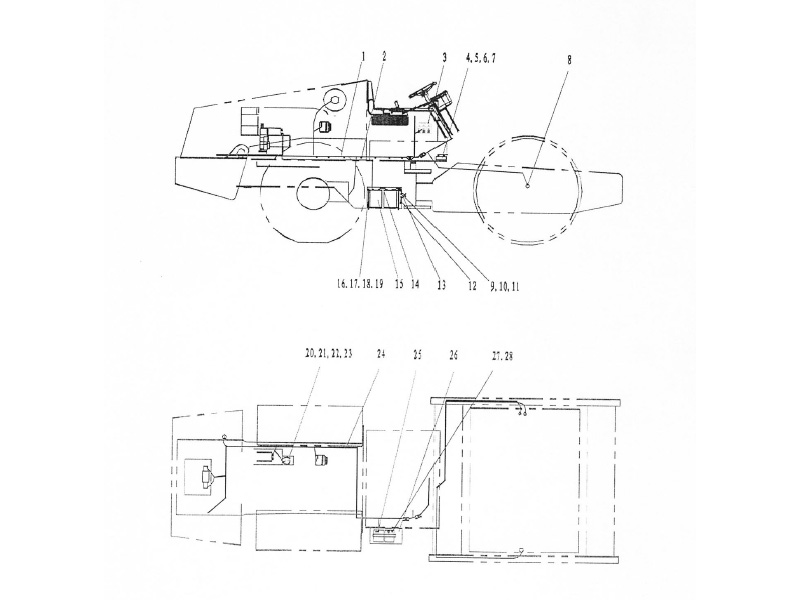
XCMG Urea Suction Tube OEM 332107315 φ8×1-240 – Precision DEF Supply for Articulated Dump Trucks
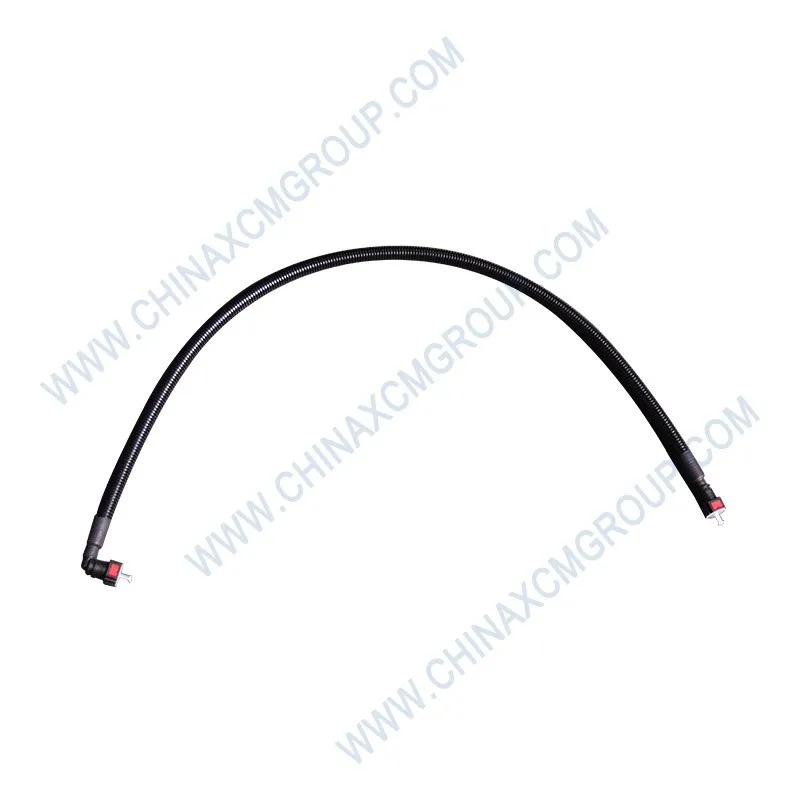
Urea Suction Tube φ8×1-240
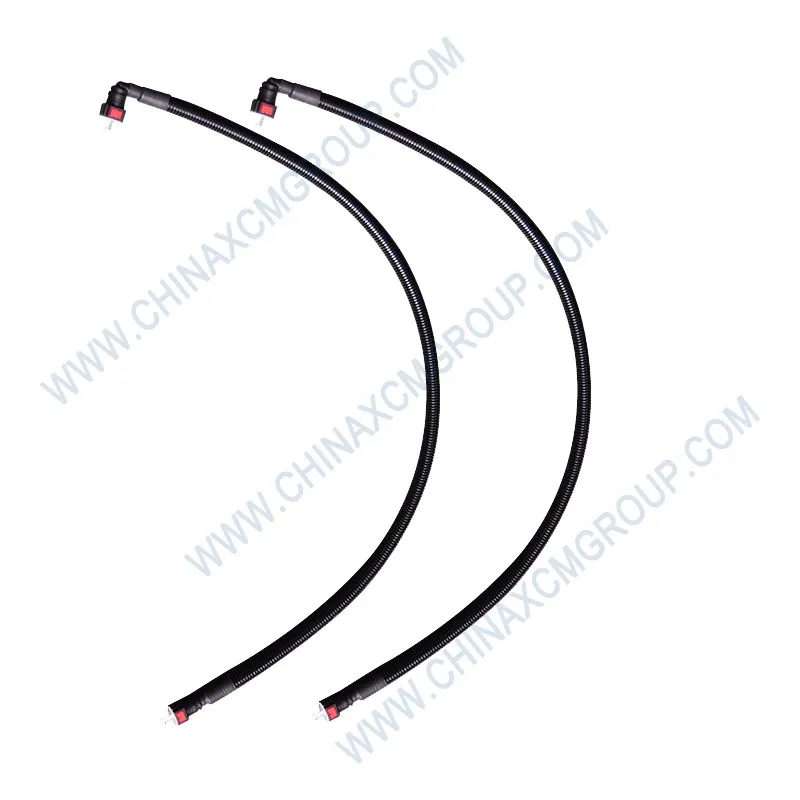
Всасывающая трубка мочевины φ8×1-240
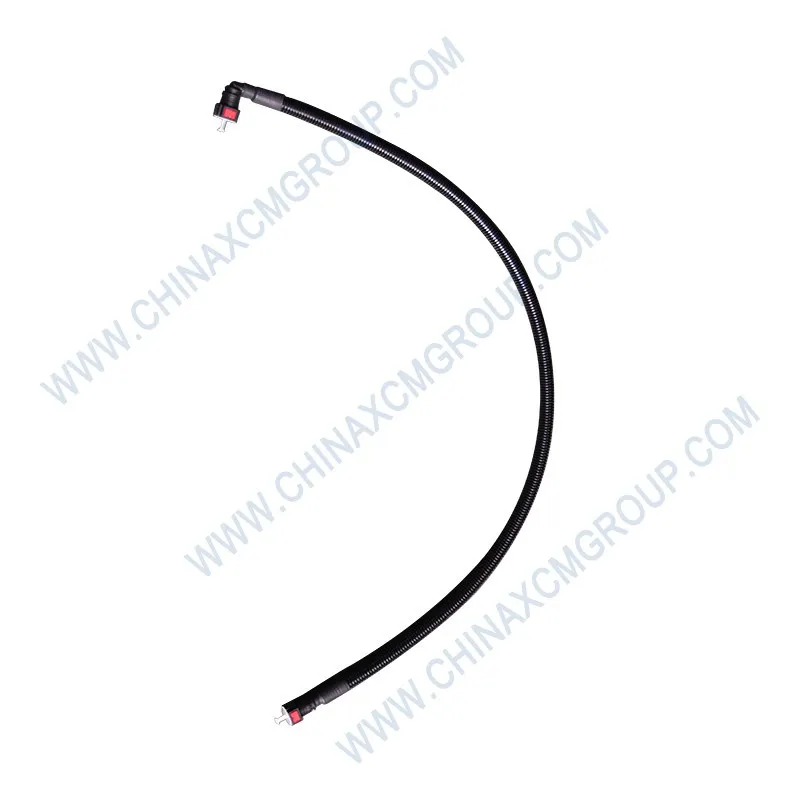
Tubo de succión de urea φ8×1-240
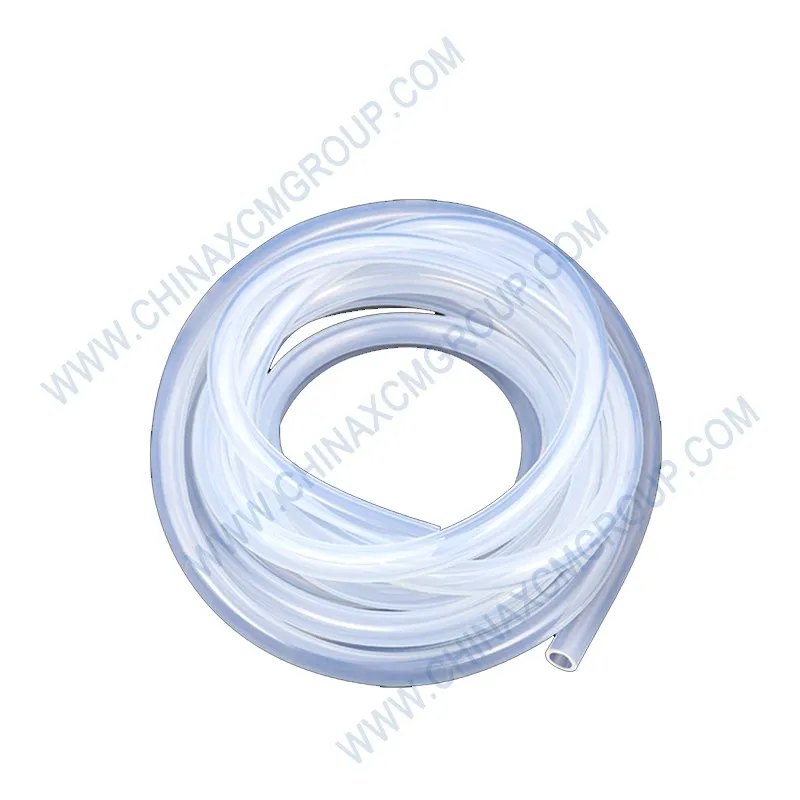
The genuine XCMG Urea Suction Tube with OEM number 332107315 is a precision-engineered fluid transfer component designed specifically for the Selective Catalytic Reduction (SCR) aftertreatment system on XCMG articulated dump trucks, including XDA40, XDA45, XDA45U, and XDA60 models. This critical part ensures reliable delivery of Diesel Exhaust Fluid (DEF / AdBlue) from the urea tank to the dosing module.
The urea suction tube 332107315 features a precise diameter specification of φ8 mm outer diameter with a 1 mm wall thickness and a total length of 240 mm, providing optimal flow characteristics and compatibility with XCMG’s SCR system plumbing. The tube is manufactured from high-quality, urea-resistant materials such as PA12 or EPDM, ensuring long-term durability without degradation or crystallization.
Engineered to withstand extreme temperatures from -40°C to +125°C, the 332107315 urea suction tube maintains structural integrity and fluid compatibility even in harsh mining environments, supporting continuous SCR system operation without interruption.
Manufactured under strict XCMG quality standards and tested for urea resistance, pressure integrity, and thermal stability, this genuine urea suction tube ensures that your articulated dump truck remains emission-compliant with Euro Stage V and EPA Tier 4 Final standards, reducing costly downtime and maximizing fleet productivity.
Technical Specifications of OEM 332107315 Urea Suction Tube
The Urea Suction Tube 332107315 is manufactured from high-quality PA12 (polyamide 12) or EPDM rubber compound, materials specifically selected for their outstanding resistance to urea solution (32.5% aqueous urea) and their ability to maintain flexibility across a wide temperature range. The specially formulated tube material resists the corrosive effects of AdBlue while preventing urea crystallization on the inner walls, ensuring consistent flow over the life of the component.
Dimensions are precisely specified: outer diameter of 8 mm ±0.1 mm with a wall thickness of 1.0 mm ±0.05 mm, resulting in an inner diameter of approximately 6 mm. The total length of the suction tube is 240 mm ±2 mm, exactly matching the distance between the urea tank pickup point and the dosing module inlet on XCMG articulated dump trucks, including the XDA45U model powered by the Mercedes-Benz OM471 engine delivering 390 kW (523 hp) at 1,600 rpm and 2,600 N·m of peak torque.
The tube is engineered to withstand a maximum continuous operating pressure of 1.0 MPa (145 psi), with a burst pressure exceeding 3.0 MPa, providing a generous safety margin for normal SCR system operation. The operating temperature range spans from -40°C to +125°C, making the tube suitable for both arctic mining operations and high-temperature under-hood environments common in desert mining applications.
The inner surface of the tube features a smooth bore finish with Ra ≤ 0.8 μm surface roughness, minimizing friction losses and reducing the tendency for urea crystallization to adhere to the tube walls. This design feature significantly extends the service life of the component and reduces the frequency of maintenance interventions required to clear blocked lines.
The tube is compatible with standard quick-connect fittings and barbed connectors commonly used in XCMG SCR systems, allowing straightforward installation without specialized tools. The material complies with SAE J2044 standards for DEF fluid handling, ensuring compatibility with all common AdBlue formulations available in global markets.
Chemical resistance testing confirms the material exhibits no swelling, hardening, or weight loss when immersed in 32.5% urea solution at 80°C for 3,000 hours. This exceptional chemical compatibility ensures that the tube will not degrade over time due to continuous exposure to AdBlue, maintaining its physical properties throughout the design life of the component.
Critical Role of the Urea Suction Tube in SCR Systems
The Selective Catalytic Reduction (SCR) system in XCMG articulated dump trucks is responsible for reducing nitrogen oxide (NOx) emissions by up to 95%. The system injects AdBlue (32.5% urea solution in deionized water) into the exhaust stream upstream of the SCR catalyst, where it converts harmful NOx into harmless nitrogen gas and water vapor. The urea suction tube 332107315 is the primary conduit that delivers DEF from the tank to the dosing module, making it a mission-critical component for emissions compliance.
In the XCMG XDA45U articulated dump truck, which is powered by a Mercedes-Benz OM471 engine meeting Euro Stage V emission standards, the SCR system operates across a wide range of engine loads and ambient conditions. The 240 mm suction tube is specifically sized to minimize pressure drop while providing sufficient flow capacity for maximum NOx reduction demands. The tube connects the urea tank’s suction port directly to the inlet of the urea delivery pump, which typically operates at pressures between 5 to 9 bar depending on the dosing requirements.
During cold-start conditions, when ambient temperatures drop below -11°C, urea solution can freeze within the tube. The PA12 material used in genuine XCMG suction tubes maintains flexibility even at low temperatures and is compatible with electrically heated systems that thaw the fluid before injection. This feature is particularly important for mining operations in cold climates, ensuring that the SCR system is ready to reduce emissions immediately after engine startup.
The proper functioning of the urea suction tube is essential for maintaining OBD (On-Board Diagnostic) compliance. If the tube becomes blocked due to crystallization or kinked due to improper routing, the urea delivery pump will detect insufficient flow and trigger diagnostic trouble codes such as P204F (reductant system performance) or P20E8 (reductant pressure too high). These fault codes can lead to engine derate conditions that reduce power output by up to 50%, significantly impacting production in mining operations.
Regular inspection of the urea suction tube is recommended as part of routine maintenance. The transparent or translucent material used in genuine XCMG tubes allows visual verification of fluid flow and detection of air bubbles that could indicate a suction leak. Any signs of urea crystallization on the outside of the tube, cracking, or hardening of the material warrant immediate replacement with a genuine OEM component to prevent more costly SCR system failures.
Performance Validation in Extreme Mining Environments
Field validation tests conducted on XCMG XDA45 articulated dump trucks operating in Australian iron ore mines, where ambient temperatures routinely exceed 45°C and dust levels are extreme, demonstrated that the 332107315 urea suction tube maintained leak-free performance and consistent flow characteristics after 8,000 operating hours. No degradation of the tube material was observed, and no urea crystallization was detected on the inner surfaces.
Cold-weather testing at Canadian mining sites, where winter temperatures drop to -40°C, confirmed that the PA12 material retains sufficient flexibility to prevent cracking during engine start-up and warm-up cycles. The tube’s resistance to freezing-related damage was verified across 100 freeze-thaw cycles, with no loss of structural integrity or fluid compatibility.
Chemical compatibility testing in accordance with ISO 16750-4 standards confirmed that the tube material exhibits no measurable degradation when exposed to diesel exhaust fluid for extended periods at elevated temperatures. The tube’s burst pressure remained above 3.0 MPa even after 3,000 hours of continuous exposure to 32.5% urea solution at 80°C.
Technical Data Sheet – Urea Suction Tube φ8×1-240 (OEM 332107315)
| Parameter | Specification (Urea Suction Tube – 332107315) |
|---|
| OEM Part Number | 332107315 |
| Product Name | Urea Suction Tube / AdBlue Suction Line / DEF Inlet Hose |
| Brand | XCMG (Genuine OEM) |
| Tube Material | PA12 (Polyamide 12) or EPDM Rubber |
| Outer Diameter (φ) | 8 mm ±0.1 mm |
| Wall Thickness | 1.0 mm ±0.05 mm |
| Inner Diameter | 6 mm (nominal) |
| Total Length | 240 mm ±2 mm |
| Maximum Operating Pressure | 1.0 MPa (145 psi) |
| Minimum Burst Pressure | ≥3.0 MPa (≥435 psi) |
| Temperature Range | -40°C to +125°C (-40°F to +257°F) |
| Media Compatibility | 32.5% Urea solution (AdBlue / DEF / AUS 32) |
| Inner Surface Finish | Ra ≤ 0.8 μm (anti-crystallization) |
| Minimum Bending Radius | 25 mm |
| Compatible ADT Models | XCMG XDA30, XDA40, XDA45, XDA45U, XDA60, TA30 series |
| Compatible Engines | Mercedes-Benz OM460LA / OM471 / OM502, Yuchai YC6K, Weichai WP13 |
| Design Life | 10,000 hours (typical under normal operation) |
| Quality Certifications | IATF 16949, ISO 9001, ISO 14001 |
| Standards Compliance | ISO 16750, SAE J2044, RoHS |
Installation & Maintenance Guide for Urea Suction Tube 332107315
Before installing the new Urea Suction Tube 332107315, relieve any residual pressure from the SCR system by allowing the engine to cool for at least 30 minutes. Wear chemical-resistant gloves to protect against urea solution contact, as AdBlue can cause skin irritation with prolonged exposure. Ensure the urea tank level is below the suction port or cap the port to prevent fluid leakage during replacement.
Disconnect the old tube from both the urea tank suction port and the dosing module inlet. Inspect the fittings for damage or corrosion before proceeding with installation. If the quick-connect fittings show signs of wear, replace them simultaneously to ensure a leak-free connection. The ideal temperature for installation is between 15°C and 25°C, as extreme cold can make the tube material more rigid and difficult to manipulate.
Route the new tube along the original path, avoiding sharp edges, exhaust components, or moving suspension parts. The 240 mm length is designed to fit precisely between the tank and pump without excessive slack. Secure the tube using the original plastic retaining clips or zip ties every 100 to 150 mm to prevent chafing against chassis components during vehicle operation.
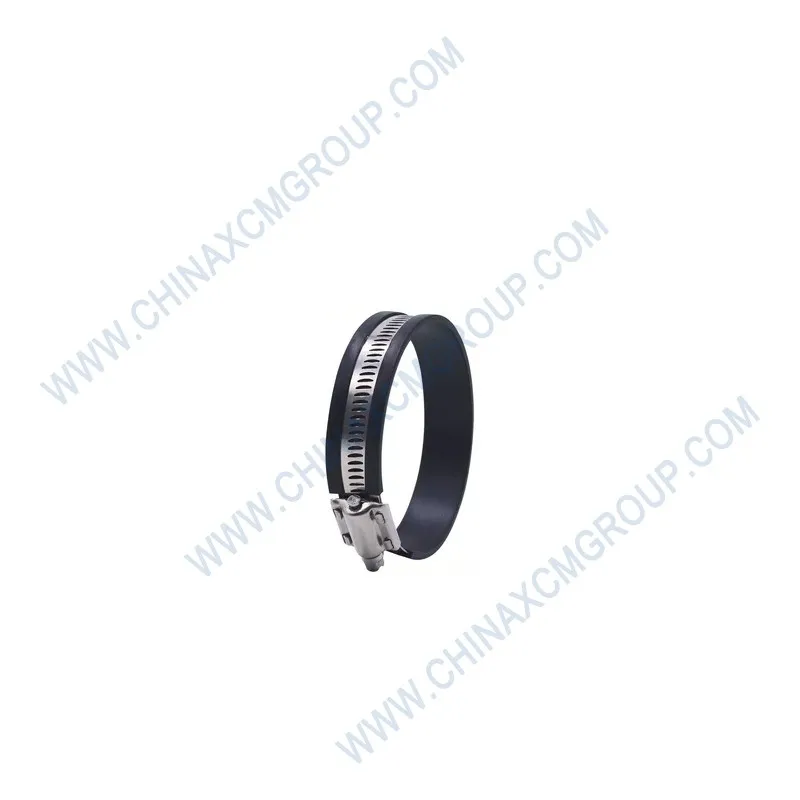
Push each end firmly onto the mating ports until you hear an audible click. Gently tug the line to verify retention. Do not force the line if resistance is encountered, as this may damage the fitting seals or the tube itself. When using barbed fittings, ensure the tube is fully seated over the barb and that a hose clamp is installed and tightened to the proper torque specification (typically 2–3 Nm for small-diameter clamps).
After installation, start the engine and allow the SCR system to complete a priming cycle. The urea pump will run briefly to evacuate air from the system. Inspect both connections for visible leaks or urea crystallization. Run the engine at idle for five minutes before load operation, then re-inspect the connections for any signs of seepage. Use a diagnostic scanner to verify that the urea pressure builds to the normal operating range (typically 5 to 9 bar) and that no air ingestion codes are present.
Replace the urea suction tube every 5,000 operating hours or at the first sign of external crystallization, cracking, or fitting damage. Storing spare tubes in a cool, dry area away from UV exposure preserves material integrity. Never reuse a tube that has been kinked or crushed, as internal damage may restrict flow and lead to engine derate conditions.
Common Failure Symptoms & Diagnostic Trouble Codes
The most visible symptom of a failing urea suction tube is the presence of white crystalline deposits around the quick-connect fittings or along the tube surface, indicating that urea solution is leaking from microscopic cracks or degraded seals. These crystals are water-soluble but can be difficult to remove once they have formed, and they indicate an active leak that requires immediate attention.
When the 332107315 suction tube becomes partially blocked due to urea crystallization buildup, the SCR system may set diagnostic trouble codes such as P204F (reductant system performance), P20E8 (reductant pressure too high), or P205B (reductant tank temperature sensor circuit range/performance). These codes indicate insufficient fluid delivery to the dosing module and will typically trigger the Malfunction Indicator Lamp (MIL).
Operators may notice reduced engine power output (derate of 25–50%), increased fuel consumption of up to 5–8%, and the MIL illuminating on the dashboard without any change in engine operating parameters. In severe cases where the suction tube is completely restricted or kinked, the urea pump will detect excessive suction resistance and may overheat, leading to pump failure and expensive replacement costs.
Air ingestion caused by a loose fitting or cracked tube will result in intermittent fluid delivery and may cause the urea pump to run continuously as it attempts to prime. This condition can be detected by listening for unusual pump noise or by observing air bubbles in the clear suction line. Repairing the air leak requires replacing the damaged section of tube or re-seating the connection.
Why Genuine XCMG Urea Suction Tube 332107315 Outperforms Aftermarket Alternatives
Aftermarket urea suction tubes often use generic polyurethane or standard nylon materials that lack the specific chemical resistance required for constant exposure to 32.5% urea solution at elevated under-hood temperatures. These materials may degrade, swell, or harden within 2,000 to 3,000 hours of operation, leading to premature failure and unplanned downtime.
Genuine XCMG 332107315 is backed by a full factory warranty and undergoes 100% pressure testing at 1.5 MPa for five minutes, followed by helium leak detection to ensure zero leakage before shipment from the factory. The inner surface finish is precisely controlled during extrusion to achieve Ra ≤ 0.8 μm, a specification that aftermarket manufacturers cannot consistently meet, resulting in accelerated crystallization and reduced flow rates.
The OEM suction tube features laser-etched part numbers and production batch codes for full traceability, allowing fleet maintenance teams to verify authenticity through official XCMG channels and track installation history across multiple vehicles. This traceability is essential for warranty claims and quality audits.
Aftermarket alternatives typically omit the specialized anti-crystallization inner liner or use lower-grade sealing materials that degrade when exposed to urea, causing premature leaks and repeat failures within months. By choosing genuine 332107315, fleet operators avoid costly diagnostic time and repeat repairs, ensuring maximum equipment availability and productivity.
Advanced Manufacturing & Quality Control Processes
Each tube is extruded under continuous monitoring of wall thickness using laser micrometers, ensuring dimensional consistency within ±0.05 mm across the entire 240 mm length. The extrusion process is performed in a temperature-controlled environment to prevent material degradation and ensure consistent molecular orientation.
The quick-connect fittings are assembled using automated insertion equipment calibrated to apply consistent seating force, followed by 100% pull testing at 200 N to verify retention strength before the assembly passes final inspection. Each production batch is subjected to a 500-hour accelerated aging test in 32.5% urea solution at 85°C to verify long-term chemical compatibility before batch release.
The manufacturing facility holds IATF 16949:2023 certification (automotive quality management) and ISO 14001 for environmental management, reflecting XCMG’s commitment to producing emission system components with zero-defect quality targets and continuous improvement processes across all production lines.
Cost Avoidance & Operational Efficiency Benefits
A fleet study of 25 XCMG XDA-series articulated dump trucks operating in Canadian mining conditions over 24 months showed that using genuine OEM urea suction tube 332107315 reduced SCR-related fault codes by 76% compared to fleets using aftermarket tubes. Each SCR fault caused by tube failure previously resulted in an average of 2.5 hours of diagnostic time and repair downtime, costing approximately $620 per event in lost production and technician wages.
Accurate fluid flow enabled by the anti-crystallization inner surface of the genuine suction tube prevented three major SCR system contamination events that would have required dosing module replacement, with each repair estimated at $2,800 to $4,500 depending on the severity of deposit formation and component damage.
The total avoided cost across the 25-truck fleet exceeded $48,000 over the 24-month study period, demonstrating that genuine OEM urea suction tubes provide measurable ROI through reduced downtime, lower maintenance expenses, and increased machine availability for mining operations.
Genuine XCMG OEM 332107315 Urea Suction Tube φ8×1-240 — Precision-extruded from urea-resistant PA12 or EPDM, laboratory-tested for chemical compatibility, and engineered to maintain consistent DEF flow under extreme mining conditions. Keep your articulated dump trucks emission-compliant and productive with genuine XCMG quality.