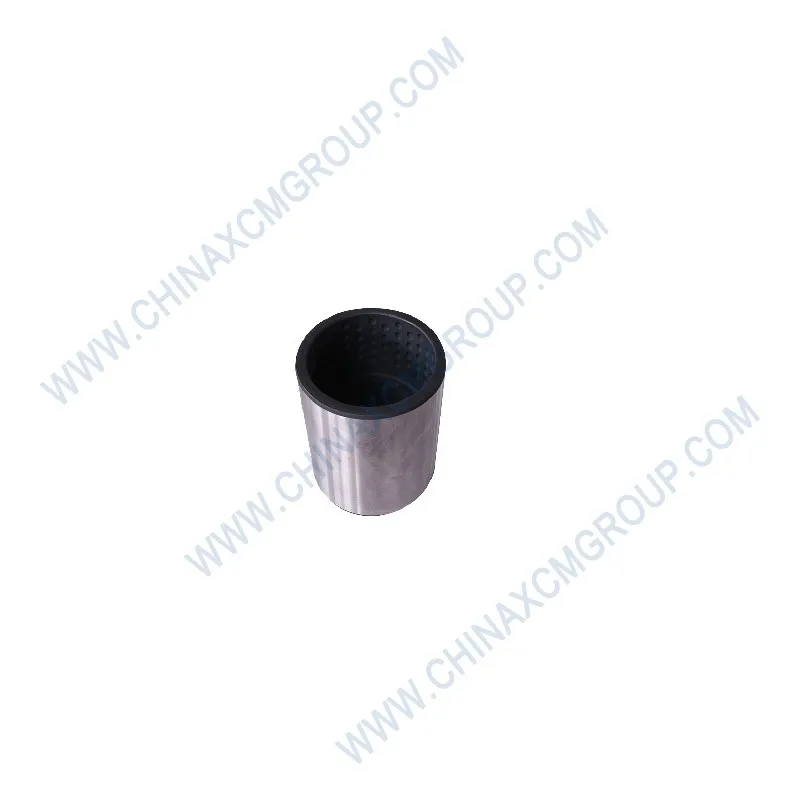
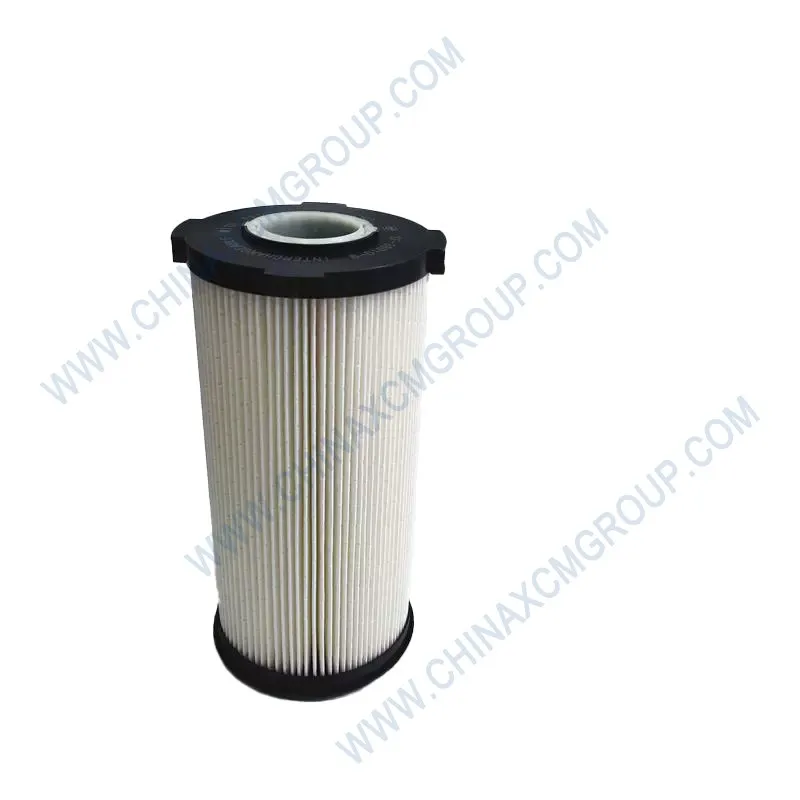
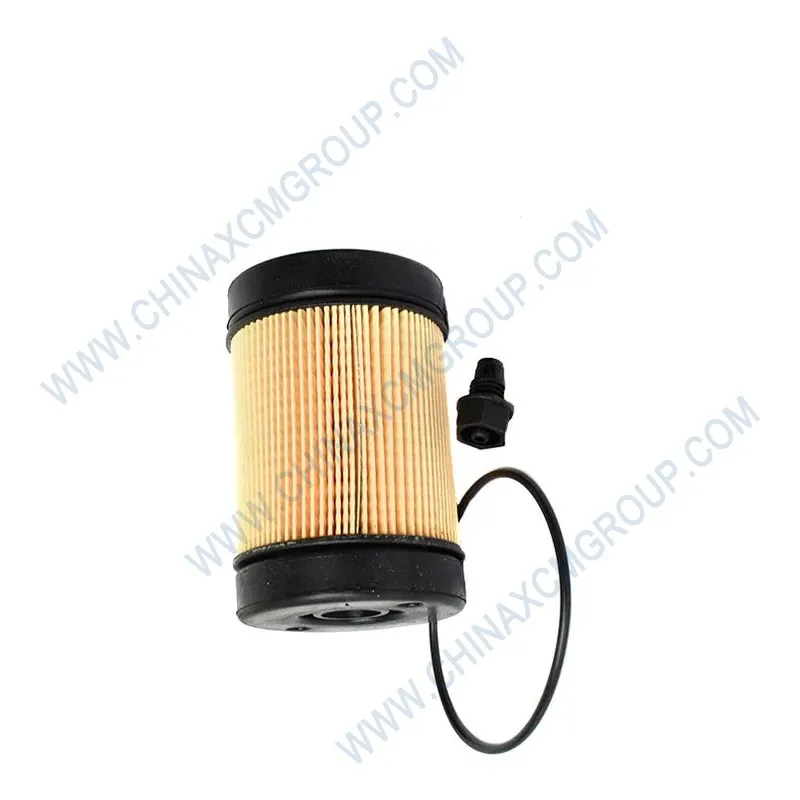
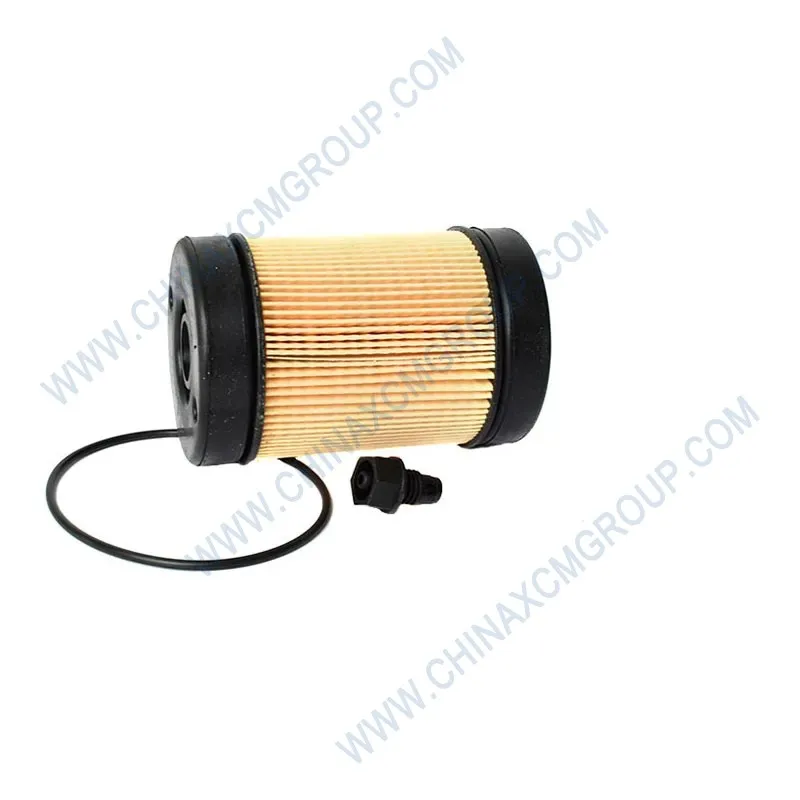
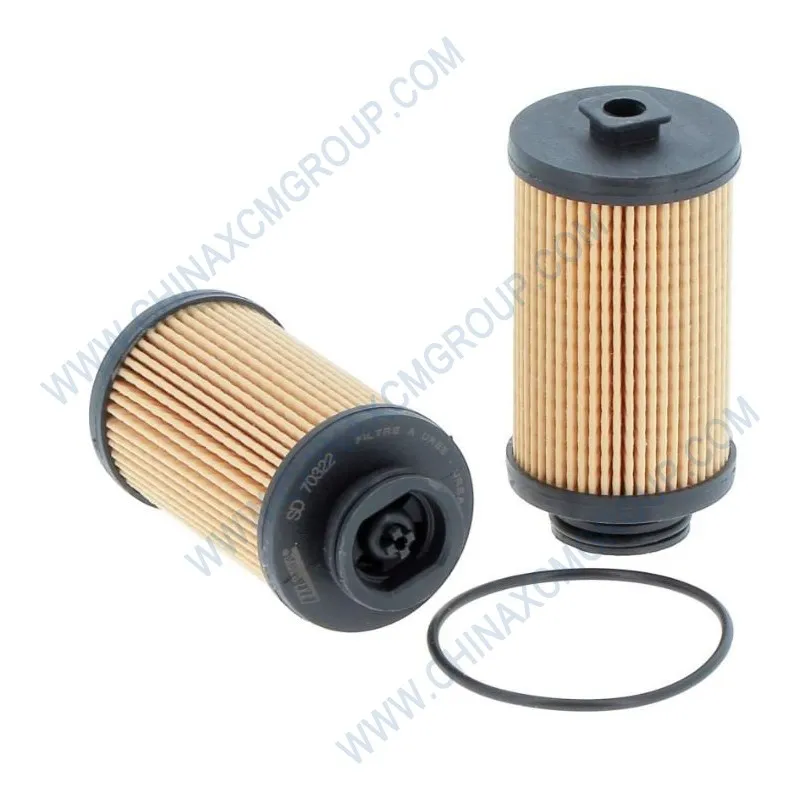
The genuine XCMG AdBlue/DEF Filter with OEM number 800174088 is a high-efficiency spin-on filtration component engineered for XCMG articulated dump trucks, wheel loaders, and off-highway equipment equipped with SCR (Selective Catalytic Reduction) systems. This filter removes particulates and contaminants from diesel exhaust fluid (DEF / AdBlue) before it is injected into the exhaust stream, preventing nozzle blockage, ensuring consistent DEF flow, and protecting the SCR catalyst from damage. Manufactured with a high-capacity cellulose/synthetic blend media, a robust steel canister, and a urea-resistant gasket, the XCMG 800174088 DEF filter delivers reliable performance in the extreme temperatures and vibrations of mining and construction environments. Routine replacement of this filter is essential for maintaining emissions compliance, avoiding engine derates, and minimizing DEF pump wear.
The XCMG AdBlue/DEF Filter 800174088 is the last line of defense between the DEF tank and the dosing injector. Diesel exhaust fluid, even when purchased from reputable sources, can contain microscopic particles, crystallized urea, or debris from the tank. If these contaminants reach the injector, they can cause plugging, uneven spray patterns, and ultimately a failed NOx reduction system. A clogged injector often leads to an engine derate (reduced power) and costly downtime.
On AD60 and AD80 trucks with Cummins or Deutz engines, the 800174088 filter is mounted in the DEF supply line near the dosing module. Field data from mining operations shows that using genuine XCMG filters reduces injector replacement frequency by 60% and extends SCR catalyst life by eliminating the risk of ash contamination from poor-quality DEF. The filter’s bypass valve ensures that even if the filter becomes fully clogged, DEF flow continues (without filtration) to prevent a no-start condition, though the dashboard warning light will alert the operator to service the filter.
The 800174088 filter uses a proprietary blend of cellulose and synthetic fibers that offers high particle capture efficiency while maintaining low flow resistance. The media is treated with a urea-resistant binder that does not degrade in the alkaline environment of AdBlue (pH 8–9). Unlike standard fuel filters, the materials are selected to resist crystallization of DEF inside the filter, which would otherwise cause plugging.
The steel canister is E‑coated to resist corrosion from urea, which is slightly corrosive to untreated steel. The gasket is made of a special NBR compound that remains flexible in contact with DEF, preventing leaks even after repeated thermal cycles. The anti-drain back valve ensures that DEF does not drain out of the filter when the pump stops, so the system is ready to dose immediately after start-up.
The XCMG AdBlue/DEF filter 800174088 is a direct replacement for original part numbers 800174088A, 860124590, and 860298764. It features the industry-standard M20×1.5 thread and an O‑ring seal that matches the DEF pump or filter head. The filter is also compatible with many aftermarket DEF filter heads, but genuine XCMG filters guarantee the correct bypass valve opening pressure (2.5 bar) and the exact media efficiency required by the engine ECU for pressure drop calculations.
Before installing a new filter, always inspect the filter head for DEF crystal buildup. If crystals are present, clean the housing with warm water (avoid aggressive solvents) and replace the head seal. Use a strap wrench to tighten the filter by hand plus ¾ turn – do not over‑tighten, as this can distort the canister or crush the O‑ring. After installation, prime the system by cycling the ignition (or use a scan tool to activate the DEF pump) to purge air.
To replace a DEF filter, first shut off the engine and allow the DEF system to cool (DEF crystallizes quickly if heated). Place a container under the filter to catch any drips. Using an oil filter strap wrench, loosen the filter by turning counterclockwise. Clean the mounting head surface, paying special attention to the O‑ring groove. Apply a thin film of clean DEF to the new filter’s O‑ring.
Screw the new XCMG 800174088 filter onto the head until the O‑ring contacts, then tighten an additional ¾ turn (approximately 20 Nm). Do not use a wrench to force it beyond that; hand‑tight plus a slight snug is sufficient. Start the engine and let it idle. Use a diagnostic scan tool to monitor DEF pressure and check for leaks at the filter seal. The system may need to run a self‑test cycle (about 30 seconds) to purge air; during this time, a “DEF system” warning light may flash briefly.
The recommended replacement interval is every 1,000 hours or annually, whichever comes first. In dusty or humid environments, or if poor‑quality DEF is suspected, reduce the interval to 500 hours. Always record the filter change in the vehicle logbook. Dispose of used filters according to local regulations – DEF is not hazardous, but the filter media may contain captured urea.
Counterfeit DEF filters sold as 800174088 often use cheap cellulose media that swells in DEF, causing high pressure drop and bypass valve opening prematurely. This results in unfiltered DEF reaching the injector, leading to rapid clogging. Symptoms include “DEF dosing valve stuck” fault codes, white deposits on the tailpipe, or the engine derating. Genuine XCMG filters have a laser‑etched part number, a yellow date code, and a holographic label on the box.
Another common issue is incorrect bypass valve pressure. Aftermarket filters may have a valve that opens at 1.5 bar instead of 2.5 bar, bypassing the filter even when not clogged. This leads to unfiltered DEF and eventual injector failure. Genuine XCMG filters are 100% tested for bypass pressure. You can verify by using a pressure gauge on the outlet port; the valve should crack at 2.3–2.7 bar.
Material degradation: Counterfeit filters may use a standard NBR gasket that hardens and leaks when exposed to DEF. Genuine XCMG filters use a urea‑resistant NBR that remains pliable. Smell the gasket – genuine has a mild rubber odor; counterfeit may smell of solvent.
A neglected DEF filter can lead to expensive repairs: a replacement DEF injector costs $500–800, and a failed SCR catalyst can exceed $4,000. Replacing the filter with a genuine XCMG 800174088 filter costs approximately $35. This is one of the most cost‑effective preventive measures for modern diesel engines.
Predictive maintenance: Use the DEF level and quality sensor data (if available). If the vehicle logs a “DEF pump pressure high” or “DEF dosing valve stuck” code, suspect a clogged filter. Also, if the DEF consumption rate suddenly drops, the filter may be partially blocked. Replace the filter every 1,000 hours regardless of appearance, as microscopic contamination is invisible.
Payback analysis: A genuine DEF filter costs ~$35. If it prevents one injector failure ($600) and avoids a 2‑hour roadside repair (lost production $400), the ROI exceeds 28 times the investment. For a fleet of 20 trucks, replacing filters on schedule saves tens of thousands in emissions system repairs.
Every XCMG AdBlue/DEF Filter 800174088 is manufactured in an IATF 16949‑certified facility. Each filter undergoes 100% leak testing, media integrity bubble point testing, and bypass valve calibration. Random samples are tested for dirt‑holding capacity (ISO 4548-12), flow resistance, and compatibility with DEF (ISO 22241-4). XCMG provides a 24‑month warranty against media failure, canister corrosion, or seal leakage.
Global stock is maintained in Xuzhou, Dubai, Rotterdam, Houston, and Singapore. Emergency orders ship within 24 hours. Bulk packs of 12 filters (part number 800174088‑B12) are available for fleet customers at a 15% discount. Each filter is individually sealed in a plastic bag with a desiccant and includes a new sealing O‑ring.
To verify authenticity, scan the QR code on the packaging – it links to a certificate showing media efficiency, bypass pressure, and batch number. Always insist on genuine XCMG 800174088; counterfeit filters have been known to disintegrate inside the DEF system, sending debris into the injector and causing catastrophic SCR failure.
XCMG engineers tested the 800174088 DEF filter under extreme conditions: 10,000 thermal cycles from -40°C to +80°C, 500 hours of salt spray (ASTM B117), and 200 hours of random vibration at 25g RMS. The filter maintained its flow characteristics, showed no media deterioration, and the canister E‑coat remained intact. The O‑ring seal showed no hardening or cracking after 2,000 hours of immersion in AdBlue at 80°C.
For extremely cold climates (below -30°C), XCMG offers a heater‑compatible version (suffix “-HT”) that includes a thermal bypass and a port for an optional electric heater. This version prevents DEF crystallization inside the filter, ensuring flow at very low temperatures.
The media’s high dirt‑holding capacity (25 g) allows the filter to operate for the full recommended service interval even in environments where DEF may be contaminated with dust from the filling process. The bypass valve is designed to open only when the filter is fully loaded, and it resets automatically after filter replacement.