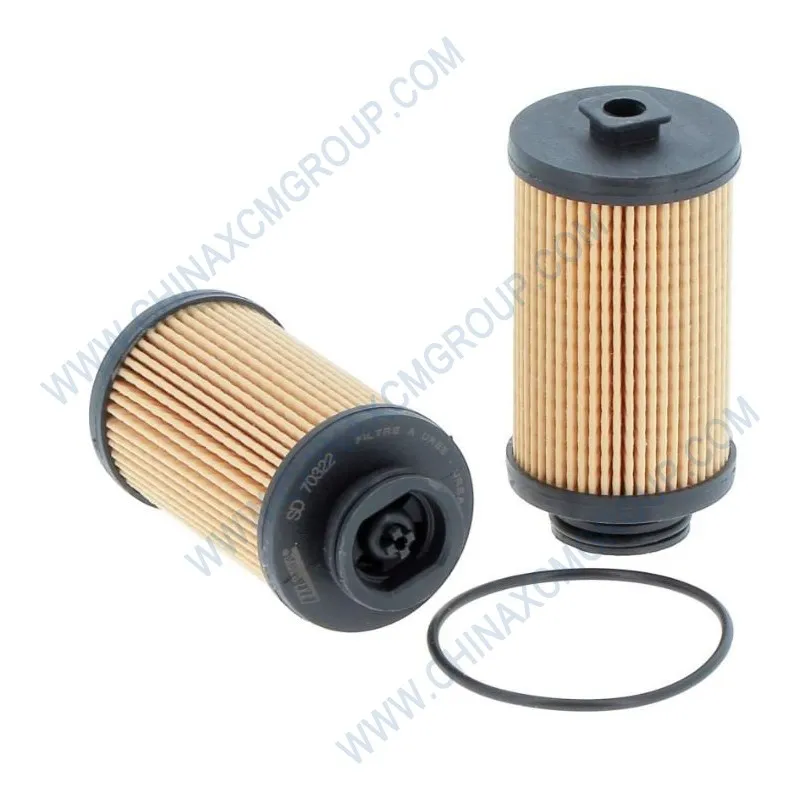

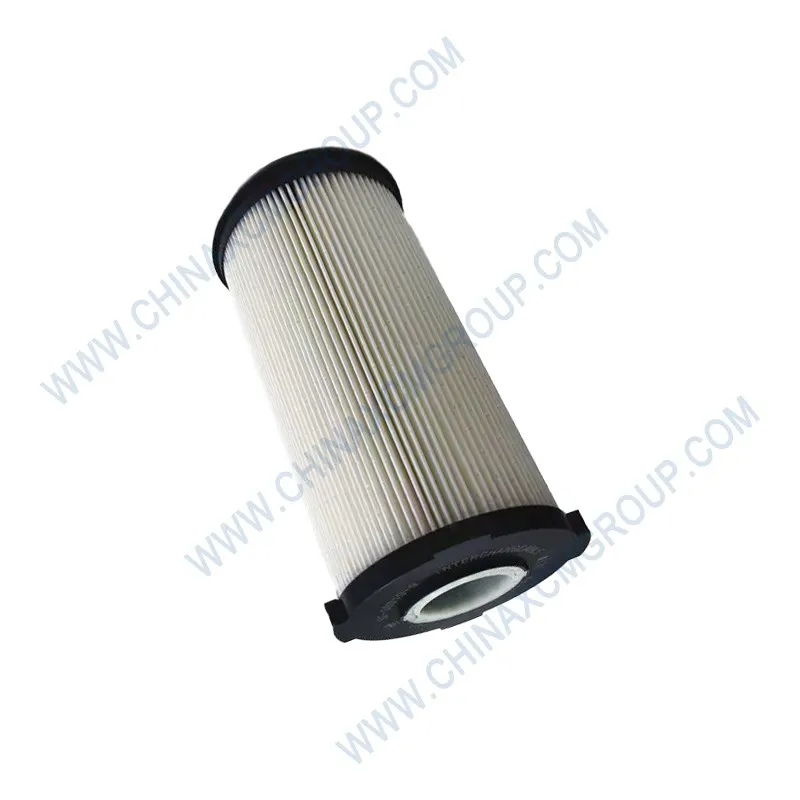
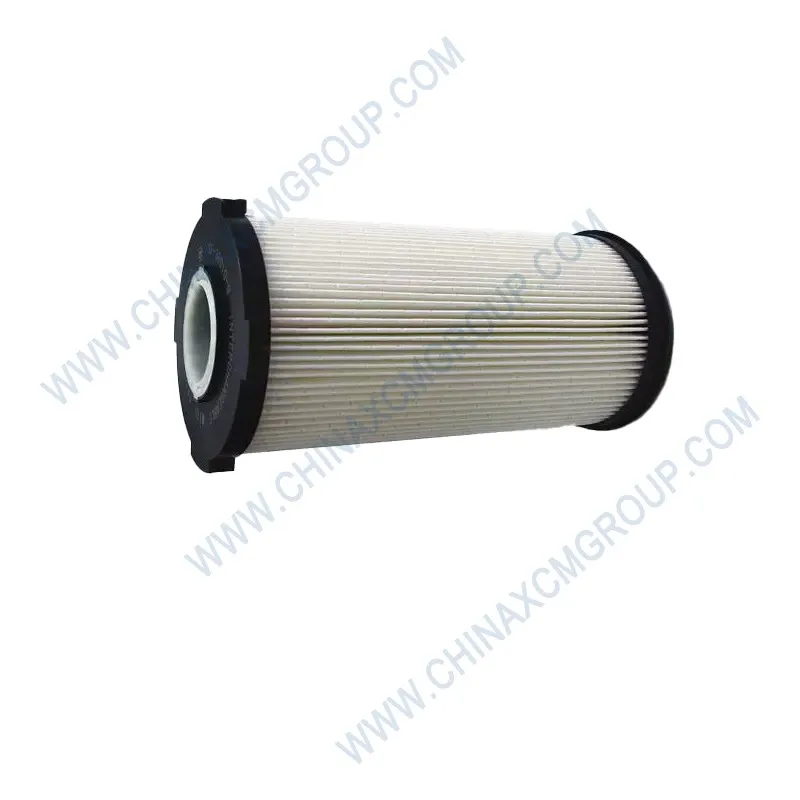
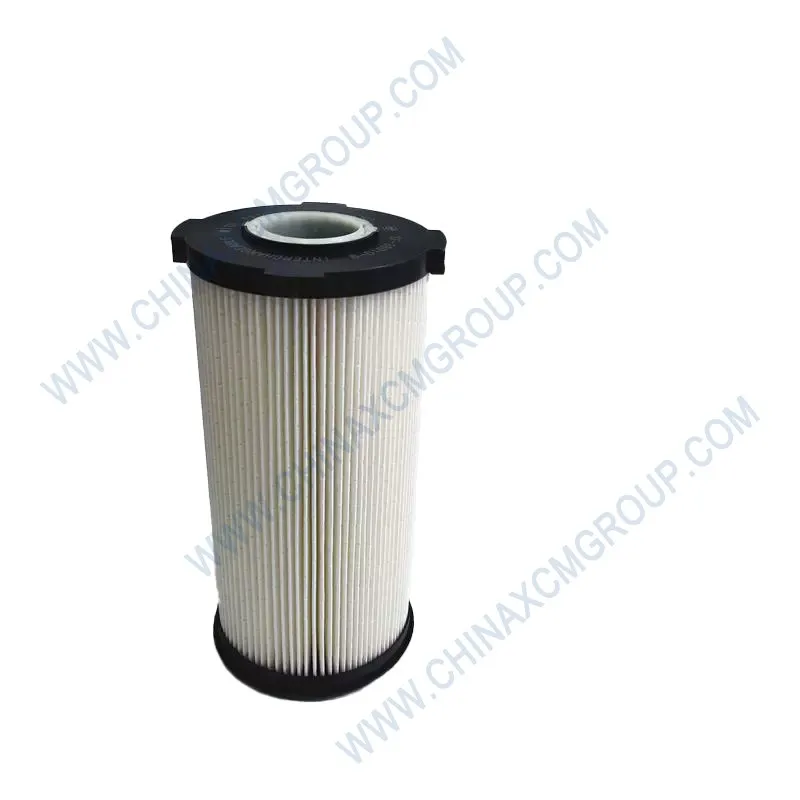
The genuine XCMG Diesel Particulate Filter with OEM number 800174089 is a wall-flow ceramic filter designed for XCMG articulated dump trucks meeting Tier 4 Final / Stage V emission standards. This DPF captures soot and ash from exhaust gas, reducing particulate matter by over 95%. The OEM 800174089 filter is constructed from cordierite or silicon carbide and integrates with the passive/active regeneration system, ensuring continuous compliance without operator intervention in normal mining operations.
The XCMG Diesel Particulate Filter 800174089 is the core component of the aftertreatment system that enables AD-series dump trucks to meet the world’s strictest emission regulations. It traps microscopic soot particles (primarily carbon) in a honeycomb of parallel channels, alternately plugged at each end. Exhaust gas is forced to flow through the porous ceramic walls, which capture the particulate matter while allowing gas to pass. Over 95% of all solid particles are removed, eliminating black smoke even under heavy acceleration.
The filter is coated with a precious metal catalyst that lowers the soot ignition temperature to around 450°C, enabling passive regeneration during normal highway driving or heavy loading. When exhaust temperatures are insufficient, the engine ECU commands active regeneration by injecting small amounts of fuel on the exhaust stroke, raising temperatures to 600–650°C and burning off accumulated soot. The OEM 800174089 is engineered to withstand thousands of regeneration cycles without cracking.
The 800174089 uses a cordierite (or silicon carbide for high-temperature variant) extruded monolith with 200 cpsi cell density and 12 mil wall thickness. This balances filtration efficiency against backpressure. The wall porosity is controlled at 50–55% with a mean pore size of 15–20 microns, ensuring deep-bed soot trapping while allowing ash to pass through to the substrate pores. The catalyst washcoat contains platinum (0.5–1.5 g/L) and palladium (0.1–0.5 g/L) plus ceria-zirconia oxygen storage material.
Unlike generic DPFs, the XCMG filter is calibrated for the specific exhaust flow and temperature profile of the Cummins QSM11 and Mercedes OM460 engines. The catalyst loading is optimized to balance passive regeneration effectiveness against sulfur poisoning resistance. Field data shows that genuine 800174089 filters maintain filtration efficiency above 90% for 8,000 hours before requiring professional cleaning.
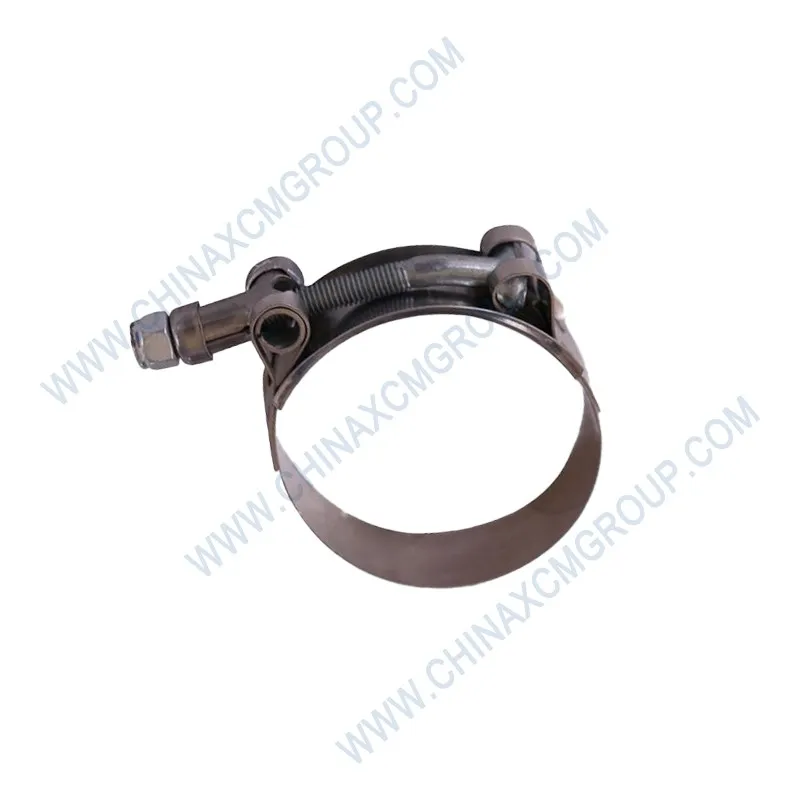
The 800174089 DPF is a direct replacement for the original equipment installed on AD45, AD60, AD80, and AD100 trucks manufactured after 2015. It integrates with the DOC (Diesel Oxidation Catalyst) upstream and the SCR downstream. The canister has mounting brackets and V-band flanges matching the chassis layout. Installation requires removal of the old filter, cleaning of the mating flanges, and replacement of gaskets and V-band clamps (clamp p/n 800166258).
Because the DPF is a serviceable component, XCMG recommends ash cleaning every 5,000–6,000 hours. After multiple cleaning cycles (typically 3–4), the substrate may become damaged or the catalyst may degrade. At that point, replacement with a new 800174089 filter restores full system performance. On-board diagnostics will alert the operator when backpressure exceeds acceptable levels.
To service the DPF, allow the exhaust system to cool completely. Disconnect the differential pressure sensor lines and remove the inlet and outlet V-band clamps. The filter canister is heavy (approx. 25–30 kg) – use a support jack. After removal, inspect for visible cracks or melted substrate. Send the DPF to a certified cleaning facility that uses a reverse-flow pulsed air and thermal regeneration furnace. Do not attempt to wash the filter with water or solvents; this can destroy the catalyst coating.
After cleaning, measure backpressure with a manometer; a clean filter should exhibit less than 3 kPa at rated flow. Reinstall using new V-band clamps and torque to 25 Nm. Reset the DPF ash counter using XCMG diagnostic software. If the filter cannot be cleaned to specification (excessive ash or thermal damage), replace with a new genuine 800174089. Never install a used DPF from another truck – different soot and ash loading histories can cause engine derates.
The most frequent DPF problems include excessive ash accumulation (causing high backpressure and regeneration frequency), cracked substrate (from thermal shock or vibration), and catalyst poisoning (from high-sulfur fuel or engine oil ash). Symptoms include frequent active regeneration cycles (every 4–5 hours instead of 20–30), a “DPF Full” warning light, and eventually a 20% torque derate or engine shutdown.
Ignoring a plugged DPF can lead to melted substrate due to uncontrolled exotherm during regeneration, requiring replacement of the entire aftertreatment canister ($8,000–12,000). Preventive cleaning costs around $500–800 per event. Using non-genuine DPFs (cheap aftermarket) often results in poor filtration efficiency, faster ash loading, and ECM fault codes due to incorrect pressure drop characteristics. The genuine 800174089 ensures proper calibration and longevity.
Authentic XCMG 800174089 filters have a laser-etched part number on the inlet flange and a serial number sticker on the canister. The substrate visible through the ports shows a uniform honeycomb pattern with no broken walls. The catalyst coating has a light beige to gray color. Counterfeit DPFs often use lower cell density (100–150 cpsi) or thinner walls, leading to poor filtration and quicker ash breakthrough. Some fakes omit the catalyst coating entirely, so passive regeneration never occurs – the filter plugs solidly within 500 hours.
Another red flag is the weight: genuine filters weigh approximately 22 kg; counterfeits may be lighter (using less dense material). The packaging should include XCMG holographic labels and a QR code for online verification. Always purchase from authorized dealers. Using a counterfeit DPF will void your engine warranty and could lead to non-compliance with emission regulations, resulting in fines or operating bans.
Common DPF-related codes on AD trucks include P2463 (DPF soot accumulation excessive), P2002 (DPF efficiency below threshold), and P242F (DPF ash accumulation). When P2463 appears, perform a forced regeneration using the XCMG diagnostic tool. If regeneration fails or the code returns quickly, inspect the differential pressure sensor and lines for blockage. If those are okay, the DPF likely requires cleaning or replacement. Code P2002 usually indicates substrate cracking or missing catalyst – replace the 800174089.
To avoid nuisance codes, use only ultra-low sulfur diesel (ULSD) with <15 ppm sulfur and low-ash CJ-4 or CK-4 engine oil. High sulfur fuel or high-ash oil will rapidly poison the DPF catalyst. XCMG recommends oil change intervals according to the maintenance schedule and always using genuine XCMG filters to minimize ash ingestion.
By using the genuine XCMG DPF, you ensure that your articulated dump truck emits near-zero particulate matter, protecting the health of mine workers and surrounding communities. The filter reduces black carbon – a potent climate warming agent – by over 90%. XCMG DPFs are certified by EPA and EU authorities for off-road diesel engines, providing legal compliance for projects that require verified emission control systems.
At end of life, the substrate can be recycled for its ceramic and precious metal content. XCMG supports a take-back program for used filters. Choosing genuine parts not only keeps your fleet productive but also demonstrates corporate responsibility for clean air and sustainability.
XCMG recommends the following DPF service intervals: inspect differential pressure sensor lines every 1,000 hours; perform forced regeneration as needed (typically every 4,000 hours if passive regeneration is insufficient). Have the DPF professionally cleaned every 5,000–6,000 hours or when backpressure exceeds 10 kPa at rated load. Replace the filter entirely at 12,000–15,000 hours or after 3 cleaning cycles. The cost of a new 800174089 DPF is approximately $2,500–3,500, which is a fraction of the cost of a new aftertreatment system.
Track ash loading via the ECM’s calculated ash mass – when it approaches the design limit, schedule cleaning. Ignoring ash loading leads to frequent regenerations, higher fuel consumption (up to 5% penalty), and eventual substrate failure. Proper DPF maintenance yields lower total cost of ownership and maximum uptime for your AD-series fleet.