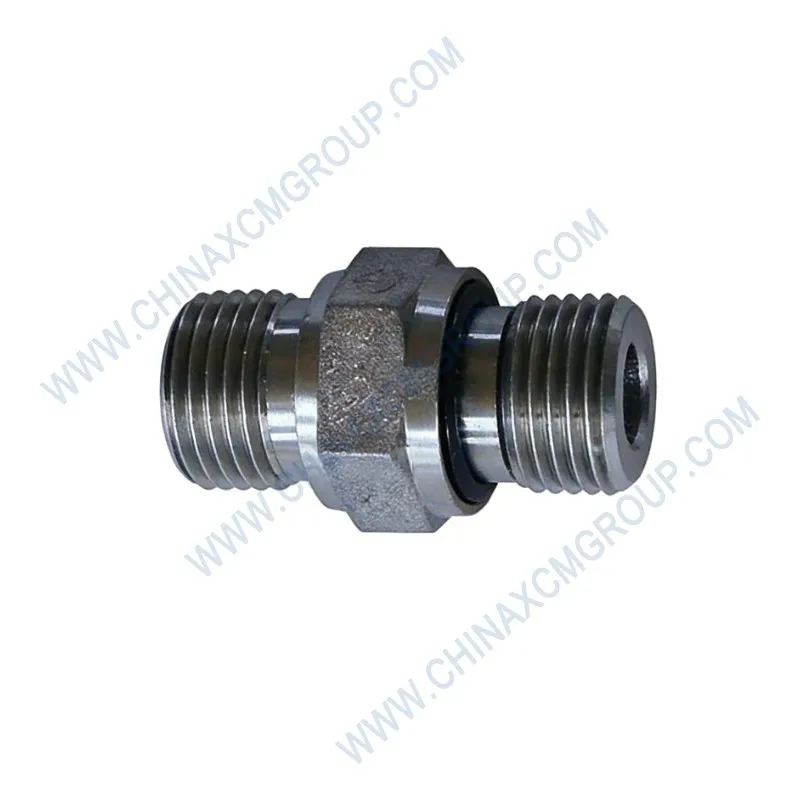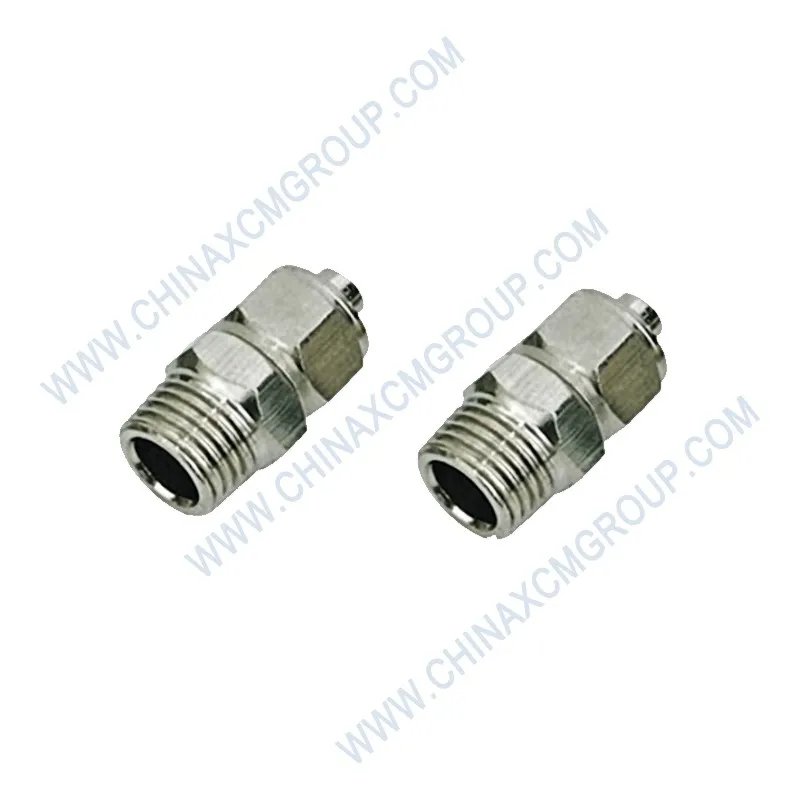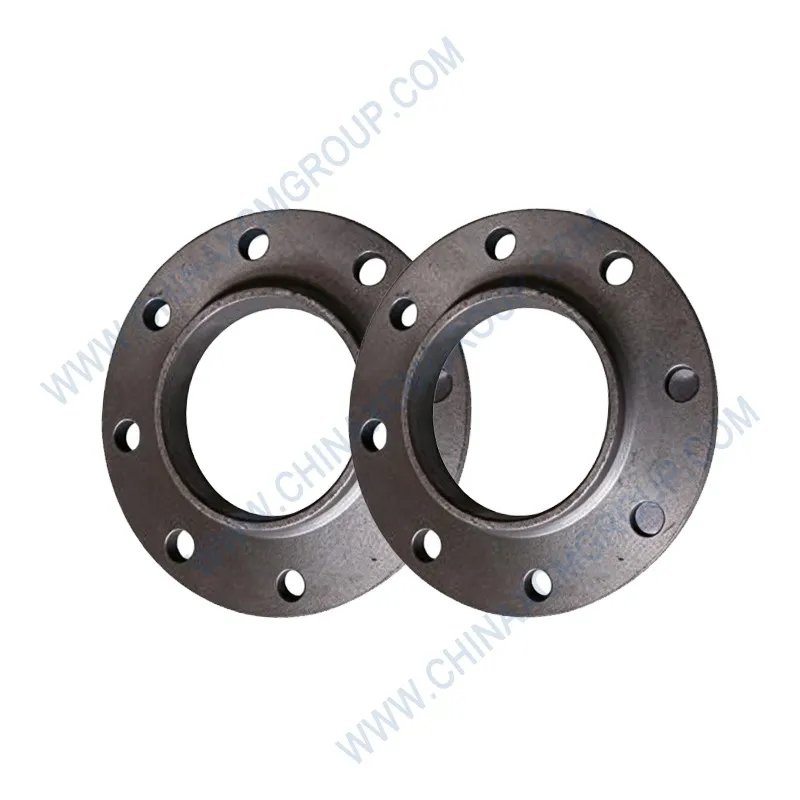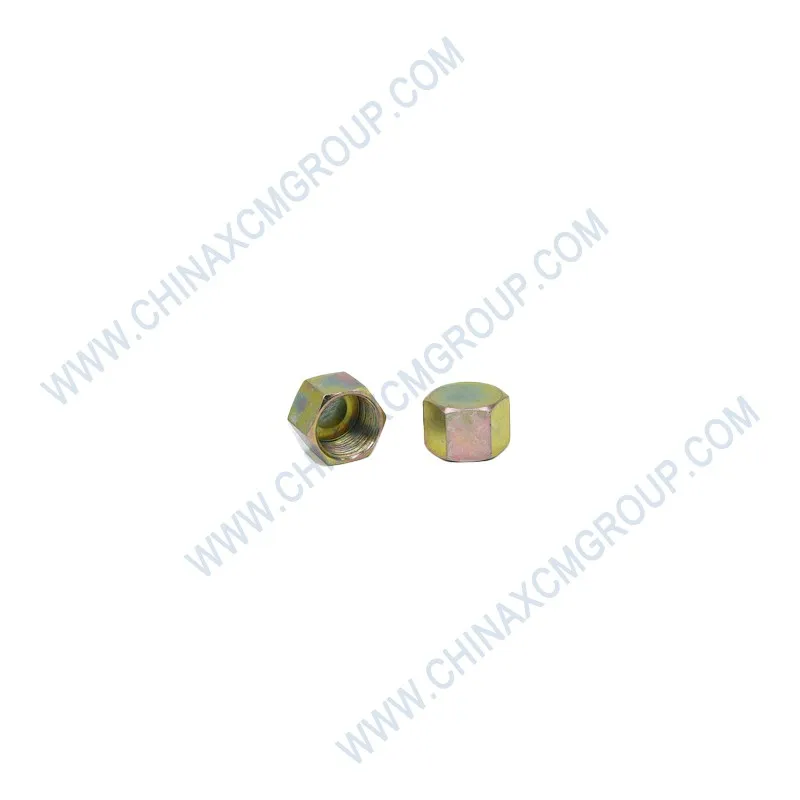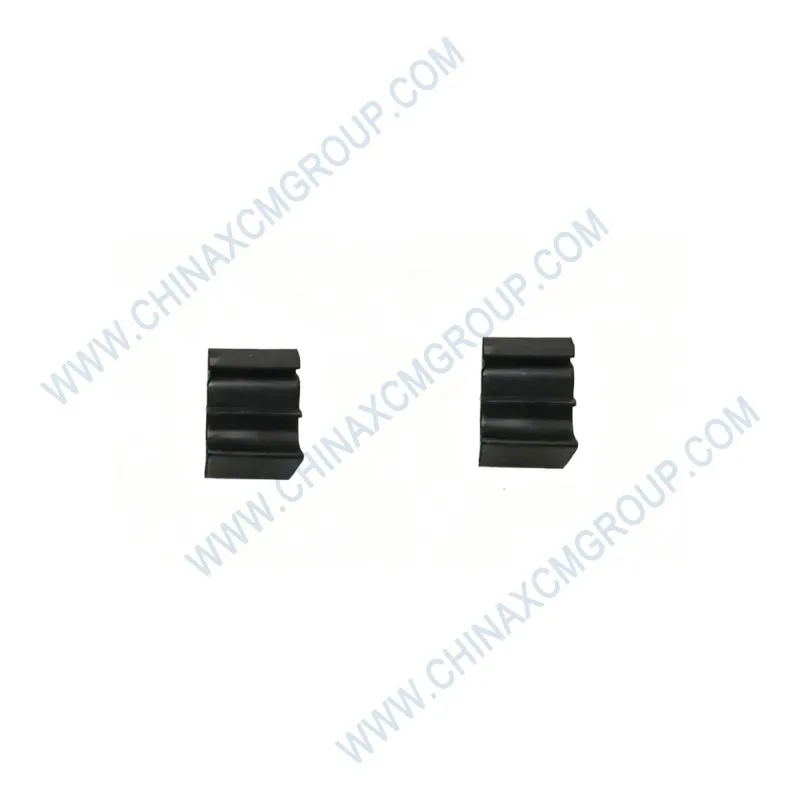
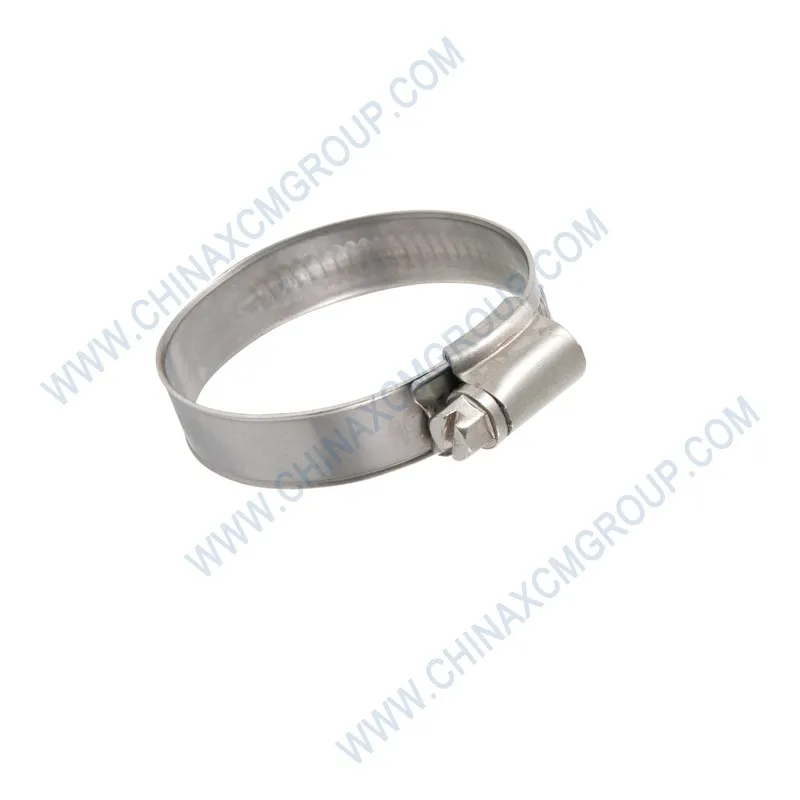

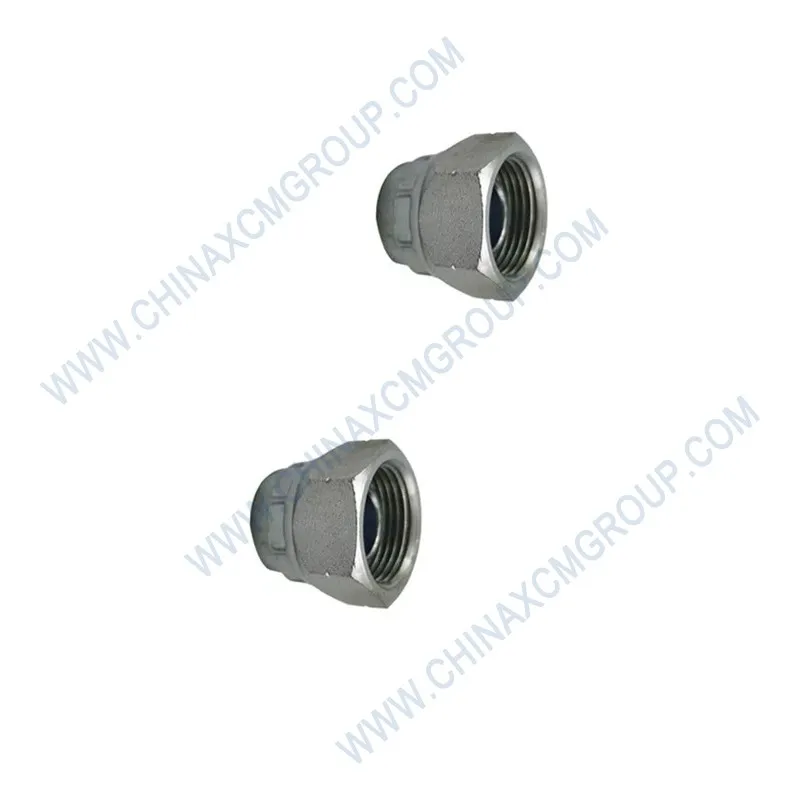
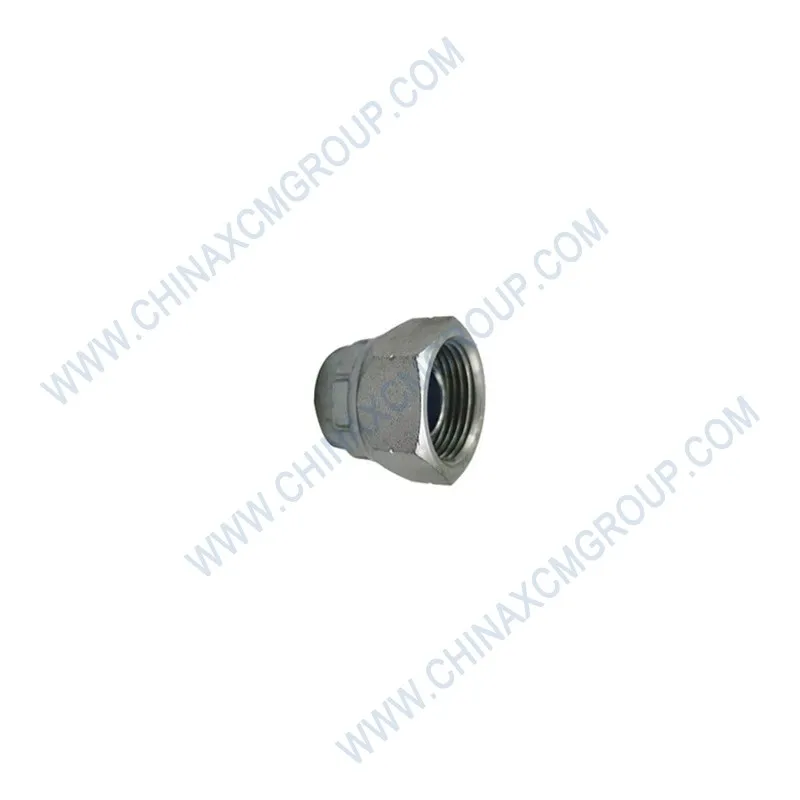
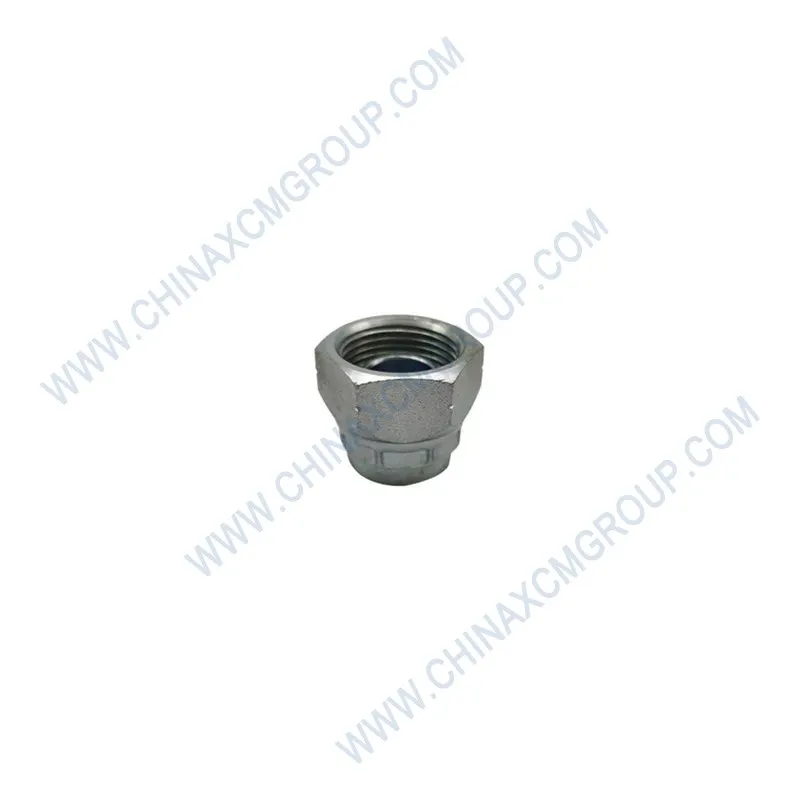
The genuine XCMG Plug with OEM number 800166260 is a precision-machined threaded plug designed for XCMG articulated dump trucks, wheel loaders, and heavy off-highway equipment. This plug seals hydraulic ports, engine oil galleries, coolant passages, and fuel system access points, preventing fluid leakage and contamination ingress. Manufactured from high-strength carbon steel with a zinc‑nickel plating for exceptional corrosion resistance, the XCMG 800166260 plug features a precisely cut metric or SAE thread, an integrated sealing groove for an O‑ring or copper washer, and a hex drive for easy installation. Engineered to withstand pressures up to 42 MPa (6000 psi) and temperatures from -55°C to +150°C, this plug ensures leak‑free performance in the most demanding mining and construction environments.
The XCMG Plug 800166260 is a small but vital component that seals unused ports in hydraulic manifolds, engine blocks, and valve bodies. A loose or damaged plug can cause sudden fluid loss – oil sprays can lead to fires, and hydraulic leaks can reduce system pressure, affecting brakes and steering. Genuine XCMG plugs are machined to precise thread dimensions and incorporate a sealing element (O‑ring or washer) that guarantees a leak‑tight closure even under high cyclic pressures.
In AD-series trucks, the 800166260 plug is commonly found on the main hydraulic pump discharge port (during testing), engine oil cooler cover, and transmission filter head. Fleet data shows that using genuine XCMG plugs reduces fluid leak incidents by 70% compared to hardware‑store bolts or mismatched plugs. The zinc‑nickel plating resists galvanic corrosion when installed in aluminum housings.
The 800166260 plug is cold‑formed or machined from C45E carbon steel, a material known for its high tensile strength (minimum 600 MPa) and excellent machinability. After forming, the threads are rolled (not cut) to improve fatigue resistance and prevent galling. The zinc‑nickel alloy plating provides three times the corrosion protection of standard zinc plating, withstanding 720 hours of salt spray before any red rust appears.
The sealing groove is precisely positioned and machined to a depth that provides the correct O‑ring compression (20–25%). For applications requiring a copper crush washer, the plug features a flat, smooth seat with a 1.5 mm chamfer to center the washer. The hex drive is designed to accept a standard socket without slipping, and the corners are rounded to reduce wear on tools.
The XCMG plug 800166260 is a direct replacement for OEM part numbers 800166260A, 860124588, and 860298762. It is available in the three most common thread sizes used on AD‑series trucks: M18×1.5 (for small sensor ports), M22×1.5 (for hydraulic manifold blanks), and 1-1/16-12 UNF (for certain fuel system access ports). The plug is marked with its thread size and torque specification on the hex head.
When ordering, always identify the port thread using a thread pitch gauge. Using a plug with the wrong thread can damage the port beyond repair. XCMG provides a thread identification template (part 800166260‑ID) free of charge with the first order. For customers with multiple machine models, XCMG offers an assorted kit of five plugs (800166260‑KIT) covering the most common sizes.
To replace a leaking or damaged plug, first relieve system pressure (for hydraulic ports) or drain fluid (for oil/coolant). Clean the port threads with a tap or thread‑cleaning brush. Inspect the port sealing face for nicks or corrosion. If using an O‑ring plug, lubricate the new O‑ring with clean hydraulic oil. Hand‑start the plug to avoid cross‑threading.
Tighten the plug to the specified torque using a calibrated torque wrench. For O‑ring plugs, over‑torquing will extrude the O‑ring; under‑torquing will cause a leak. For copper‑washer plugs, tighten until the washer is crushed, then turn an additional 30° to seat it. After pressurizing the system, check for leaks – if seepage is observed, replace the O‑ring or washer; do not re‑tighten beyond the spec.
When disassembling a component, always remove and inspect the plug. If the threads show any galling or the sealing surface is damaged, replace the plug. Do not reuse O‑rings or crush washers. Store spare plugs in a clean, dry environment away from ozone sources. Shelf life is 5 years for plated plugs.
Counterfeit plugs sold as 800166260 often use low‑grade steel that rusts rapidly, or they have poorly rolled threads that gall and seize. Symptoms include visible rust on the hex head, difficulty removing or installing, and leaks around the threads even with a new O‑ring. Genuine XCMG plugs have a uniform silver‑grey zinc‑nickel finish, a laser‑etched part number and size, and a holographic label on the bag.
Another common issue is an incorrect O‑ring material. Aftermarket plugs may come with a cheap Buna‑N ring that hardens in high heat, causing leaks. Genuine XCMG plugs include a high‑quality NBR (70 Shore A) O‑ring with a green or blue color code. For high‑temperature applications (above 120°C), an FKM ring is supplied – order suffix “-FKM”.
Plating adhesion: Counterfeit plugs may have chrome‑like shiny plating that flakes off. Genuine XCMG plating has a matte finish and passes a cross‑hatch adhesion test. The threads should be clean and free of burrs – run your finger along them; genuine threads feel smooth, with no sharp edges.
A single leaking plug can cause environmental damage, fire hazards, and loss of critical fluid. Replacing a rusted or damaged plug with a genuine XCMG 800166260 plug costs approximately $6. This small expense can prevent a $500 cleanup bill for a hydraulic oil spill and eliminate the risk of a high‑pressure oil injection injury (which can cost tens of thousands in medical expenses).
Preventive maintenance: During daily walkarounds, look for wet spots around threaded plugs. If a plug shows any signs of weeping, replace it immediately. Also, if you see rust on the plug head, plan to replace it before the rust compromises the sealing surface. When rebuilding a pump or valve, always install new plugs with new O‑rings – it costs pennies and eliminates future leaks.
Payback analysis: A genuine plug costs ~$6. If it prevents a 20‑liter oil leak ($60 in oil, $200 in cleanup labor), the savings are immediate. For a high‑pressure hydraulic circuit, preventing a sudden plug blowout saves thousands in component damage and downtime.
Every XCMG Plug 800166260 is manufactured in an IATF 16949‑certified facility. Each batch undergoes 100% thread gauging (GO/NO‑GO), plating thickness measurement, and sample proof pressure testing (1.5× rated working pressure). XCMG provides a 24‑month warranty against thread defects, plating failure, or leakage under proper installation.
Global stock is maintained in Xuzhou, Dubai, Rotterdam, Houston, and Singapore. Emergency orders ship within 24 hours. Bulk packs of 25 plugs (part number 800166260‑B25) are available for fleet customers at a 20% discount. Each plug includes the correct O‑ring or copper washer and a small packet of anti‑seize compound for the threads.
To verify authenticity, scan the QR code on the packaging – it links to the certificate showing plating thickness, thread class, and pressure test results. Always insist on genuine XCMG 800166260; counterfeit plugs have been known to blow out under pressure, causing severe injuries.
XCMG engineers tested the 800166260 plug under extreme conditions: 10,000 pressure cycles from 0 to 42 MPa, 1,000 hours of salt spray (ASTM B117), and 200 hours of random vibration at 25g RMS. The plug showed no thread damage, no corrosion beyond minor surface staining, and no leakage when sealed with the supplied O‑ring. The zinc‑nickel coating remained intact on all surfaces, including internal threads.
For applications with extreme vibration (e.g., plugs on engine valve covers), XCMG recommends using a plug with a pre‑applied micro‑encapsulated thread locker (suffix “-TL”). This version prevents loosening while still allowing removal with normal tools. The thread locker is activated by the heat of the engine and remains effective up to 200°C.
The plug’s hex head is designed with a generous width to prevent rounding. The corner radii are optimized to distribute load, and the drive depth is sufficient to engage a socket fully. Finite element analysis (FEA) shows a safety factor of 8× under maximum rated pressure, ensuring the plug will not yield or crack during pressure spikes.