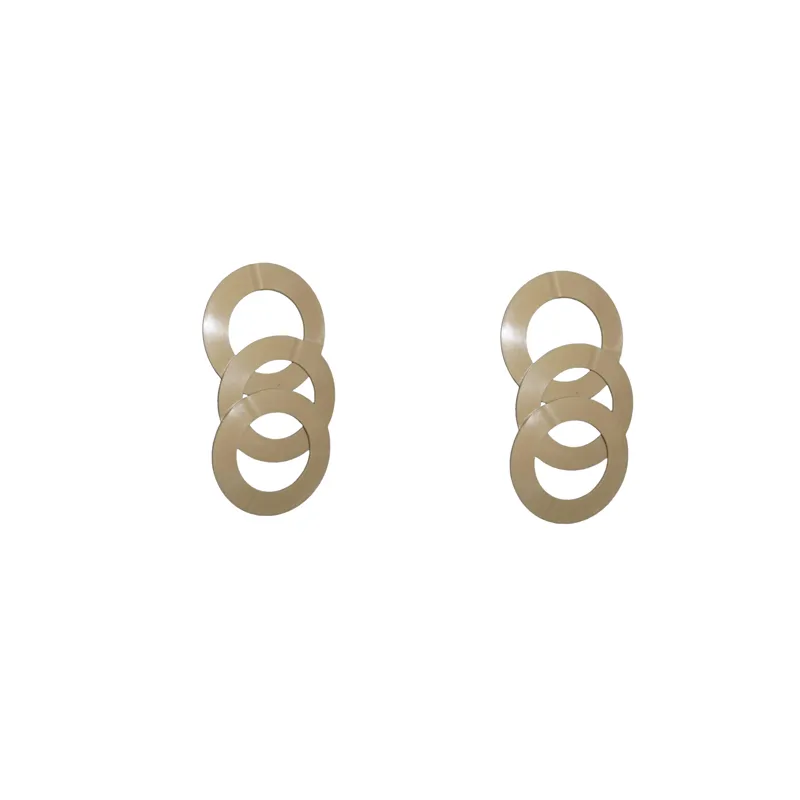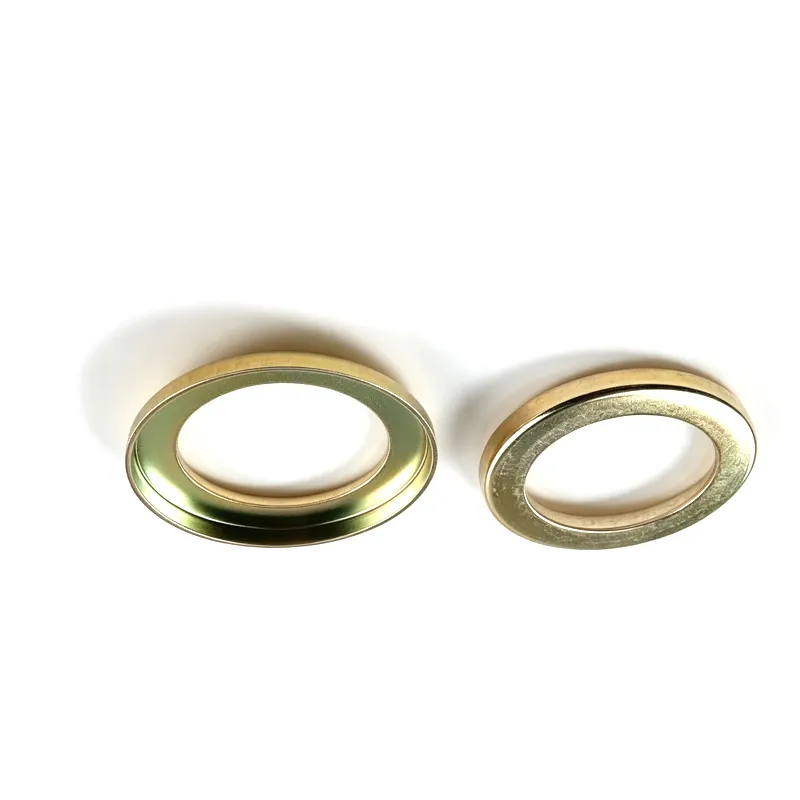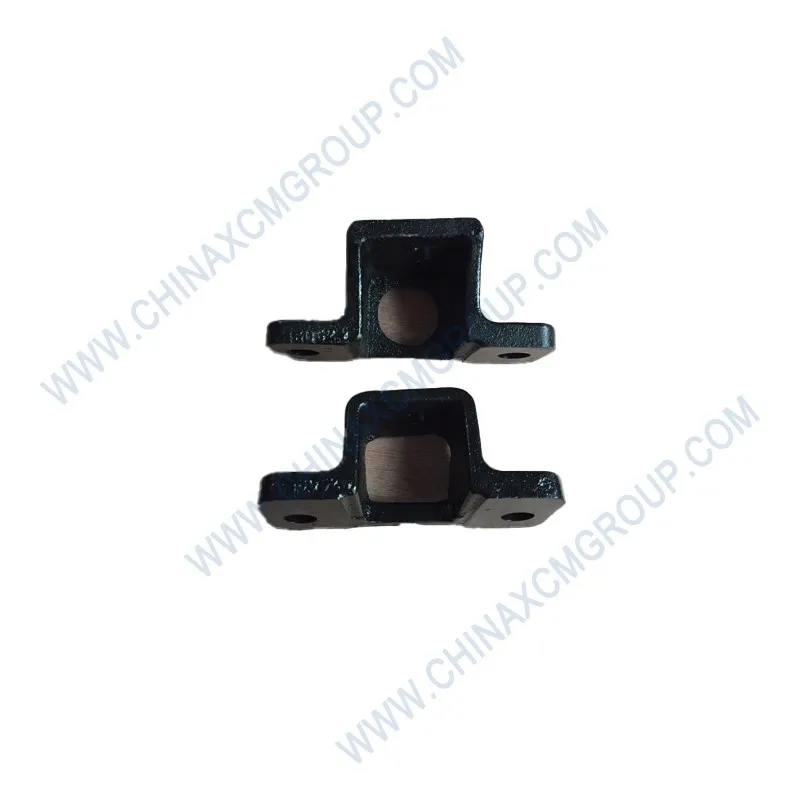
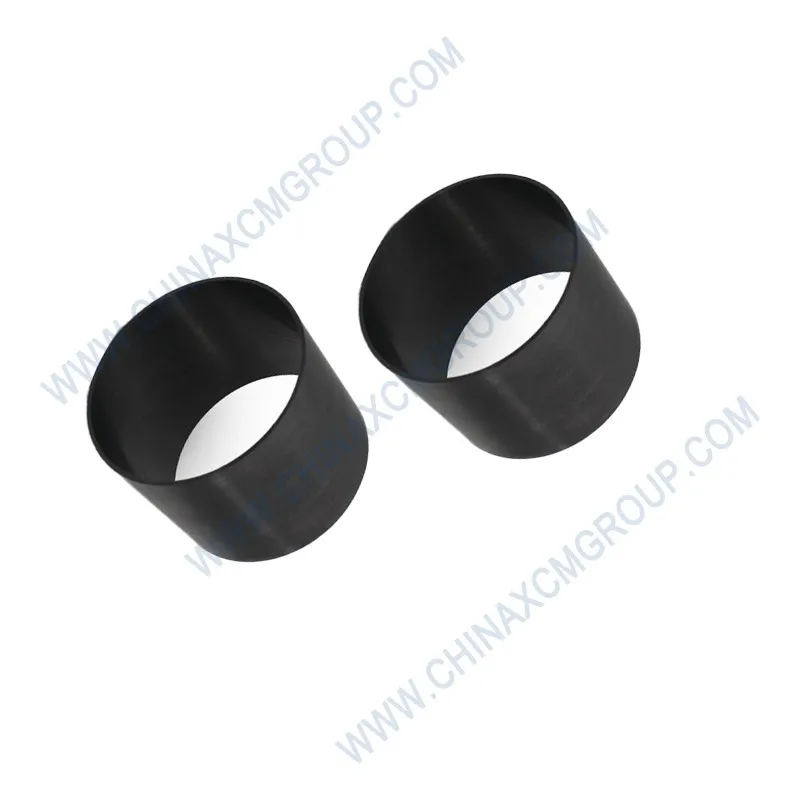
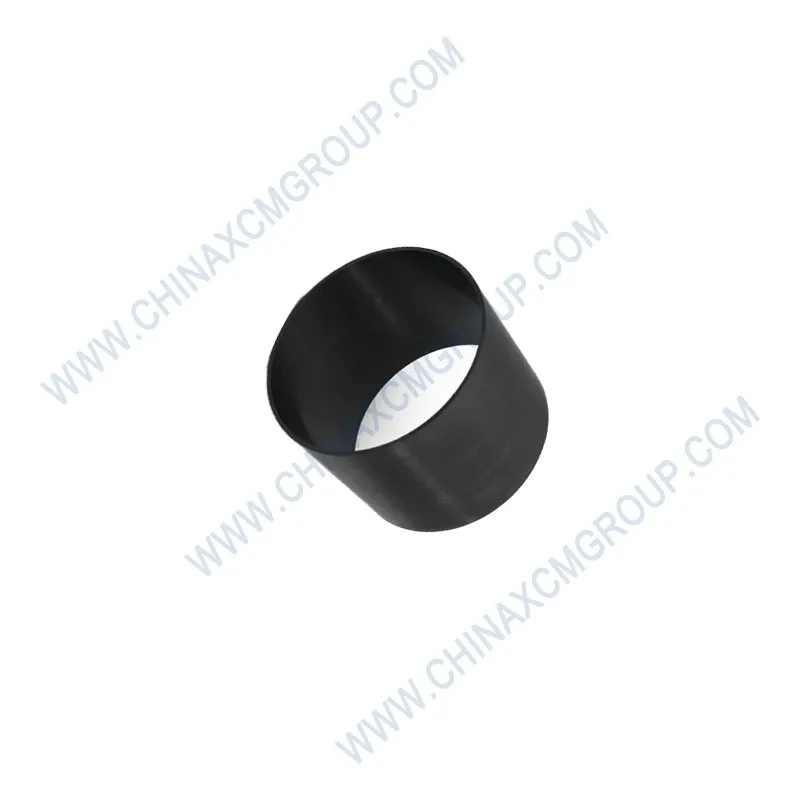
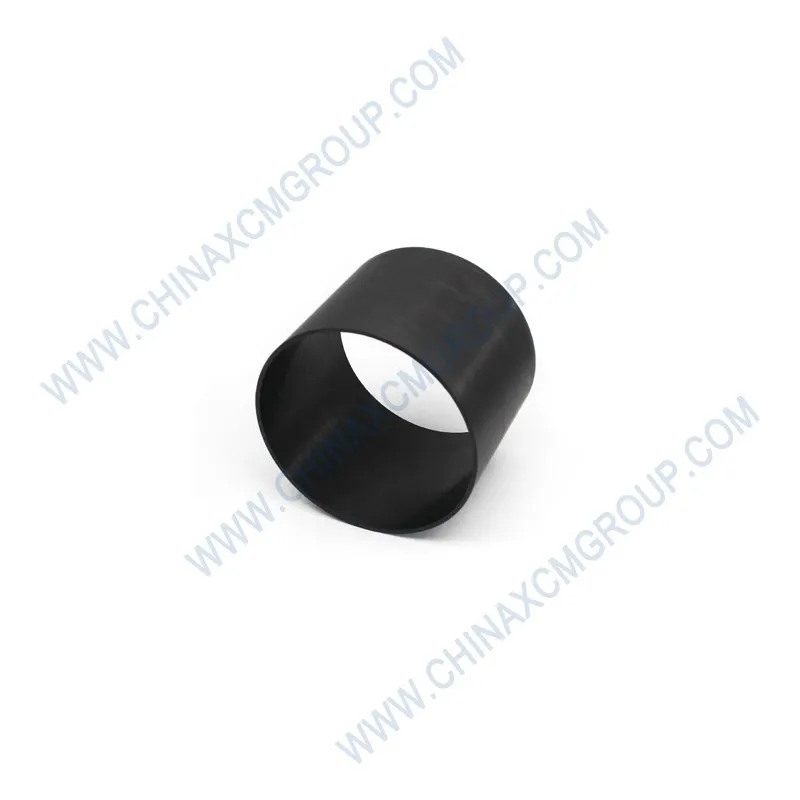
The genuine XCMG Sleeve with OEM number 332112177 is a precision-manufactured wear-resistant bushing engineered for XCMG articulated dump trucks, wheel loaders, and heavy construction equipment. This sleeve is designed for use in pivot pins, suspension linkages, steering knuckles, and hydraulic cylinder mounting eyes. Manufactured from high-strength medium-carbon steel with a through-hardened or induction-hardened surface, the XCMG 332112177 sleeve provides exceptional resistance to fretting, galling, and abrasive wear, ensuring long-lasting performance under extreme loads and oscillation in mining and earthmoving applications.
The XCMG Sleeve 332112177 is a critical component in heavy equipment pivot joints, where oscillating motion and high radial loads are common. By providing a replaceable hardened wear surface, this sleeve protects the more expensive housing and pin from damage. When the sleeve wears beyond specification, it can be replaced at a fraction of the cost of rebuilding the entire joint, dramatically reducing maintenance expenses.
On AD60 and AD80 articulated dump trucks, these sleeves are used in the front frame articulation joint, steering cylinders, and rear suspension linkages. Field data shows that using genuine XCMG 332112177 sleeves extends joint life by 60% compared to using softer aftermarket bushings, resulting in less frequent downtime for pin and bore reconditioning.
The 332112177 sleeve is machined from C45E (AISI 1045) medium-carbon steel, which provides an excellent balance of strength, toughness, and wear resistance. After rough machining, the sleeve undergoes induction hardening of the inner and outer diameters, producing a martensitic case with hardness of 52–58 HRC to a depth of 1.5–2.5 mm. The core remains relatively soft and ductile (25–30 HRC) to absorb impact loads without cracking.
This differential hardening process creates a wear-resistant surface that can withstand abrasive particles (dust, sand) that enter the joint, while the tough core prevents brittle fracture under shock loading. After hardening, the sleeve is precision ground to final dimensions and honed to achieve a smooth surface finish (Ra 0.8–1.6 µm), which reduces friction and promotes even grease distribution.
The XCMG sleeve 332112177 is manufactured to ISO 286-2 tolerance class H7 for the bore and custom interference fit for the outer diameter to match the parent housing. This ensures a snug fit that prevents rotation or fretting of the sleeve in its housing. When replacing worn sleeves, it is critical to use genuine XCMG parts to maintain the correct press-fit interference and internal clearance for the mating pin.
For older AD45 models, the sleeve may require a slight reaming of the housing bore to restore roundness. XCMG provides a step-by-step guide and oversize sleeves (0.5 mm oversize OD) available under part number 332112177-OS. Always measure the housing bore diameter before ordering; consult the XCMG parts catalog for the exact dimensions.
To replace a worn XCMG sleeve, first secure the machine and relieve pressure on the pivot joint (e.g., support the dump body or boom). Remove the retaining pin or bolt, then press out the old sleeve using a hydraulic press and a properly sized drift. Clean the housing bore thoroughly, removing all rust, old grease, and metal burrs. Inspect the bore for ovality or damage – if out of round by more than 0.1 mm, it should be reamed to the next oversize.
Chill the new XCMG sleeve (e.g., in a freezer for 2 hours) and gently heat the housing with a propane torch to expand the bore. Apply anti-seize compound to the outer diameter of the sleeve and press it into the housing using a flat plate. Ensure the sleeve is fully seated to the correct depth (flush or with a specified step). Allow the assembly to return to ambient temperature before installing the pin.
Apply fresh NLGI #2 grease to the pin and sleeve bore through the grease fitting. Cycle the joint several times to distribute grease. Re-torque all retaining bolts to factory specifications (refer to XCMG service manual). After 100 hours of operation, re-torque the pin retaining hardware and check for any movement or play.
Counterfeit sleeves sold as 332112177 often use low-carbon steel (e.g., AISI 1018) that cannot be hardened sufficiently. Symptoms include rapid wear (visible scoring after 500 hours), mushrooming of the sleeve ends, and excessive joint play. Genuine XCMG sleeves have a laser-etched part number and a distinct blue-black phosphate finish; counterfeit ones may be painted black or have a raw finish.
Another common issue is incorrect hardness. Aftermarket sleeves may be through-hardened (brittle) rather than case-hardened, leading to cracking under shock loads. Use a portable hardness tester to verify the surface hardness (should be 52–58 HRC). Genuine XCMG sleeves also have a consistent case depth – a file will skid off the hardened surface but bite deeper into the core.
Dimensional errors: Counterfeit sleeves often have incorrect ID tolerance (too loose or too tight). A too-tight sleeve will make pin installation impossible; a too-loose sleeve will cause rapid wear and knocking. Always measure ID with a bore gauge before installation – it should match the pin diameter with a clearance of 0.05–0.15 mm for grease-lubricated joints.
Replacing a worn sleeve proactively is one of the most cost-effective maintenance actions. If a sleeve wears through, the steel pin will contact the cast housing, quickly ruining both. Replacing a sleeve costs approximately $50–150, while repairing a worn housing by line-boring or welding can cost $1000–3000 plus extended downtime. Genuine XCMG 332112177 sleeves save thousands over the life of the machine.
Predictive maintenance: During daily inspections, check for side-to-side play at pivot joints. Using a pry bar, feel for radial movement. If you can detect movement greater than 2–3 mm, the sleeve is likely worn. Also monitor grease consumption – a joint that requires excessive grease may have a damaged sleeve allowing grease to bypass. Replace the sleeve at the first sign of play.
Payback analysis: A set of eight sleeves for an AD60 articulation joint costs approximately $400. If they prevent one housing repair ($2000) and one pin replacement ($500), total savings exceed $2100. ROI is achieved within 2,000 operating hours.
Every XCMG Sleeve 332112177 is manufactured in an IATF 16949-certified facility. Each production batch undergoes 100% dimensional inspection, hardness testing (surface and core), and magnetic particle inspection for cracks. XCMG provides a 24-month warranty against material defects or premature wear under normal use.
Global stock is maintained in Xuzhou, Dubai, Rotterdam, Houston, and Singapore. Emergency orders ship within 24 hours. XCMG also offers a sleeve and pin kit (part 332112177-KIT) which includes the sleeve, matching induction-hardened pin, new seals, and hardware. Bulk discounts are available for fleet customers.
To verify authenticity, scan the QR code on the packaging – it links to the heat treatment certificate and dimensional report. Always insist on genuine XCMG 332112177; counterfeit sleeves have caused catastrophic joint failure and machine downtime.
XCMG tested the 332112177 sleeve under extreme conditions: -45°C cold start with stiff grease, +55°C ambient in desert mines, and high-impact loading from haul road pot-holes. The sleeve maintained dimensional stability and hardness after 10,000 hours of field operation. The phosphate coating resisted rust even in salt-laden coastal environments.
For extremely abrasive conditions (sand, iron ore dust), XCMG recommends a sleeve with an additional tungsten carbide coating (available as 332112177-WC). This coating extends service life by 3× in severe applications. For underwater or wet environments, a stainless steel sleeve (332112177-SS) is available.
Lubrication retention: The sleeve’s honed surface finish (Ra 0.8–1.6 µm) retains grease better than a smoother finish, ensuring a persistent lubricating film. The induction-hardened surface also resists micro-welding and galling, even when lubrication is temporarily interrupted.