Timely inspection and replacement of XCMG loader brake pads are not optional — they are the backbone of worksite safety and operational efficiency. Worn brake pads increase stopping distance, risk total brake failure, and lead to costly drivetrain damage. Recognizing early wear signs, following precise service intervals, and using genuine components ensures maximum braking force, reduced downtime, and extended machine life. This guide delivers professional strategies to maintain peak braking performance on every XCMG wheel loader, from daily checks to scheduled replacements.
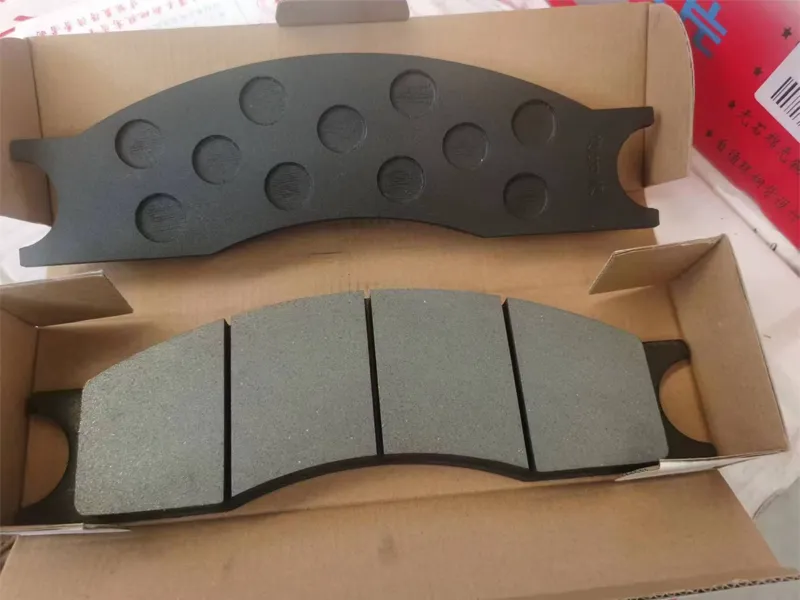
Every construction site depends on reliable braking systems. For heavy machinery like XCMG wheel loaders, XCMG loader brake pads play a decisive role in operator safety and load handling precision. When brake pads wear beyond limits, the whole hydraulic braking circuit suffers, increasing stopping distances by up to 40%. This extensive technical resource explains how to inspect, diagnose wear patterns, and determine the perfect replacement window for your fleet’s XCMG loader brake pads. By mastering these procedures, fleet managers can prevent catastrophic failures and maximize return on investment.
Brake pads are consumable friction components designed to convert kinetic energy into heat. Over time, XCMG loader brake pads undergo thermal cycling and abrasive wear. In mining, quarrying, and bulk material handling, brake pad degradation accelerates due to dust, moisture, and repetitive stopping cycles. Delaying inspections leads to metal‑on‑metal contact, damaging expensive brake discs and calipers. Furthermore, unevenly worn brake pads cause brake pull, reducing steering control during emergency stops. A proactive inspection schedule — visual checks, thickness measurement, and hardware assessment — keeps your loaders compliant with ISO 3450 braking standards and reduces unplanned downtime by nearly 60%.
Pro Tip: Integrate brake pad inspection into your daily walkaround checklist. Listen for squealing or grinding noises and feel for pulsation in the brake pedal. Any abnormality signals that your XCMG loader brake pads need immediate attention. Document wear rates to forecast replacement cycles accurately.
Recognizing the tell‑tale symptoms of worn XCMG loader brake pads can prevent secondary damage and dangerous brake fade. The most obvious indicator is a high‑pitched screeching noise caused by built‑in wear indicators contacting the rotor. Additionally, reduced braking response, longer pedal travel, and visible thinning of friction material (below 6mm or 1/4 inch) are clear red flags. Vibration during braking suggests uneven pad deposition or rotor scoring. Another subtle sign: brake dust accumulation patterns — excessive dust on wheels often means the pad backing plate is grinding. For machines equipped with electronic brake wear sensors, dashboard alerts must never be ignored.
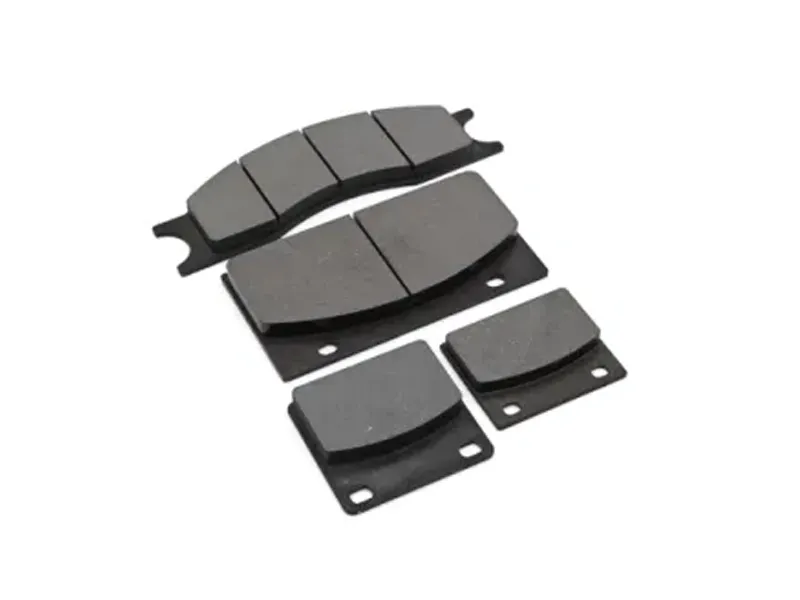
Squealing or grinding metallic noise means the wear indicator contacts the rotor. Immediate replacement of XCMG loader brake pads is required to avoid rotor replacement costs.
If your loader needs extra meters to halt, friction material has likely reached critical thinness. Replace all axle sets simultaneously.
Heat cracks or shiny glazed surfaces reduce friction coefficient. Replace glazed XCMG loader brake pads to restore full braking torque.
Performing a systematic inspection of XCMG loader brake pads requires basic tools: a flashlight, brake pad thickness gauge, and a wire brush. Begin by chocking the wheels and releasing the parking brake. Remove the wheel and caliper inspection port or fully extract the caliper depending on your XCMG model (e.g., LW300KN, LW500KV). Measure the remaining friction material at three points (inner, center, outer). Check for contamination from oil or grease — any fluid infiltration demands immediate replacement and seal repair. Inspect the wear sensor wiring and ensure caliper sliding pins move freely.
Document measurements in your maintenance log. For mixed fleets, compare wear rates between front and rear axles: front XCMG loader brake pads typically wear 30% faster due to weight transfer during braking.
Replacement frequency of XCMG loader brake pads varies with operating severity. For light‑duty applications (agriculture, warehousing), intervals range from 1,200 to 1,500 hours. In heavy quarry or mining cycles, wear accelerates to every 600‑800 hours. XCMG recommends monthly visual checks and thickness measurement every 250 service hours. A good practice is to replace pads at 50% of manufacturer wear limit (around 8‑9mm residual thickness) during major component overhauls.
Always replace axle sets — never mix old and new pads, as uneven friction coefficients compromise braking balance. Additionally, replace brake pad retaining hardware and apply high‑temperature anti‑seize lubricant to caliper sliding surfaces. For machines operating in extreme dust (cement plants, coal handling), shorten replacement intervals by 25%.
Ignoring worn XCMG loader brake pads triggers a cascade of mechanical failures. First, the backing plate grinds into the brake rotor, causing deep scoring and requiring rotor replacement (costing up to $1,200 per axle). Metal debris contaminates the brake caliper piston seals, leading to fluid leaks and uneven braking. Excessive heat generated from metal‑on‑metal contact can boil brake fluid, dramatically reducing hydraulic pressure. Moreover, failed brake pads cause load‑and‑carry inefficiencies — operators lose confidence, reducing cycle times.
In the worst case, brake failure on a slope may result in machine rollover, property damage, or severe injuries. Therefore, prioritizing timely replacement of XCMG loader brake pads is both an economic and safety imperative.
Choosing authentic XCMG loader brake pads guarantees exact fitment, consistent friction coefficients, and heat dissipation engineered for wheel loaders. Genuine pads utilize non‑asbestos organic (NAO) or ceramic‑metallic formulations that minimize rotor wear while providing stable braking even at high temperatures. Aftermarket alternatives often use cheaper resins that fade under heavy load, increase dust emission, and wear twice as fast. In controlled tests, genuine XCMG loader brake pads lasted 42% longer than budget replacements while maintaining shorter stopping distances.
Additionally, counterfeit pads may have incorrect chamfer geometry, causing vibration and noise. For critical construction environments, always source brake pads through authorized XCMG distributors and verify batch numbers. The slight extra investment translates to lower total cost per hour and reduced unplanned downtime.
Precision engineering, thermal stability up to 650°C, and zero rotor scoring. Backed by warranty and technical support.
Inconsistent friction, rapid taper wear, and possible caliper clearance issues. Avoid unknown brands.
Maximizing service life of XCMG loader brake pads involves operator training and proactive maintenance. Encourage smooth braking techniques: anticipate stops and avoid aggressive pedal stabbing. Use engine braking and transmission retarders when descending slopes to reduce thermal load on brakes. Regularly adjust the brake pedal free play to ensure the master cylinder doesn’t hold residual pressure, which drags pads against the rotor. Keep wheel ends clean; built‑up mud and debris trap heat, accelerating wear. Every 500 hours, flush and replace brake fluid with DOT 4 grade to prevent moisture contamination that leads to caliper corrosion.
Also, balance tyre pressures to avoid uneven brake loading per axle. By adopting these habits, many fleets extend brake pad life by up to 35% and achieve safer worksites.
Operator Tip: After operating in wet or muddy conditions, perform several light brake applications while moving to dry out friction surfaces. This prevents glazing and maintains consistent braking response from your XCMG loader brake pads.
Replacing XCMG loader brake pads requires mechanical competence and correct tools. Lift the loader safely and support with axle stands. Remove the wheel and caliper mounting bolts. Compress the caliper piston using a brake piston tool (or a large C‑clamp) while ensuring the master cylinder reservoir is open to relieve pressure. Extract the old pads, clean the caliper bracket thoroughly with brake cleaner. Apply copper anti‑seize on the pad contact points and sliding surfaces. Install new XCMG loader brake pads along with fresh anti‑rattle springs.
Reinstall caliper and torque bolts to XCMG specifications (typically 120‑150 Nm). Before final assembly, pump the brake pedal slowly to seat pistons against the new pads. Check brake fluid level and top up if necessary. Perform a burnishing procedure: 20 gentle stops from low speed to bed the pads and rotors. Finally, verify no leaks and test brake function in a safe area.
Sudden loss of braking effectiveness while operating an XCMG loader requires immediate action. First, downshift the transmission to the lowest gear and engage the parking brake progressively. Use natural obstacles (like stockpiles) to slow down if necessary. After stopping, inspect the brake system for visible leaks or broken lines. Most sudden failures are linked to catastrophic wear of XCMG loader brake pads where the pad completely detaches from backing plate, or a burst hydraulic hose. Do not attempt to drive the loader without verifying pad condition. Call for service support and tag the machine as out‑of‑service.
To prevent emergencies, maintain an electronic log of brake pad thickness measurements and replace pads before they reach critical levels. Always keep a spare set of XCMG loader brake pads in your parts inventory for rapid turnaround.
Modern XCMG wheel loaders equipped with integrated telematics can monitor brake pad wear using embedded sensors. The system alerts the operator when XCMG loader brake pads reach 20% remaining life. Data from the CAN bus can be analyzed to predict wear trends based on operating hours, brake applications, and load factors. Fleet managers can schedule proactive replacements during routine maintenance, eliminating emergency breakdowns. Additionally, the XCMG intelligent fleet management platform generates reports showing which loaders experience premature brake wear — highlighting possible operator behaviour or terrain issues. Investing in such digital solutions reduces maintenance costs and improves safety compliance.
Construction sites in humid coastal zones, extreme cold, or high‑altitude regions demand specific brake pad characteristics. For cold climates, XCMG loader brake pads with low‑temperature friction stability prevent ice glazing. In high‑dust applications like cement plants, semi‑metallic pads resist abrasive wear better than organic types. Always refer to the XCMG original equipment specifications for your model. When working in environmentally sensitive areas (wetlands, near water reservoirs), choose copper‑free or low‑copper brake pads to reduce runoff pollution. XCMG’s eco‑friendly pad formulations maintain high stopping power while minimizing heavy metal content. Proper pad selection aligned with worksite conditions ensures maximum safety, longevity, and regulatory compliance.