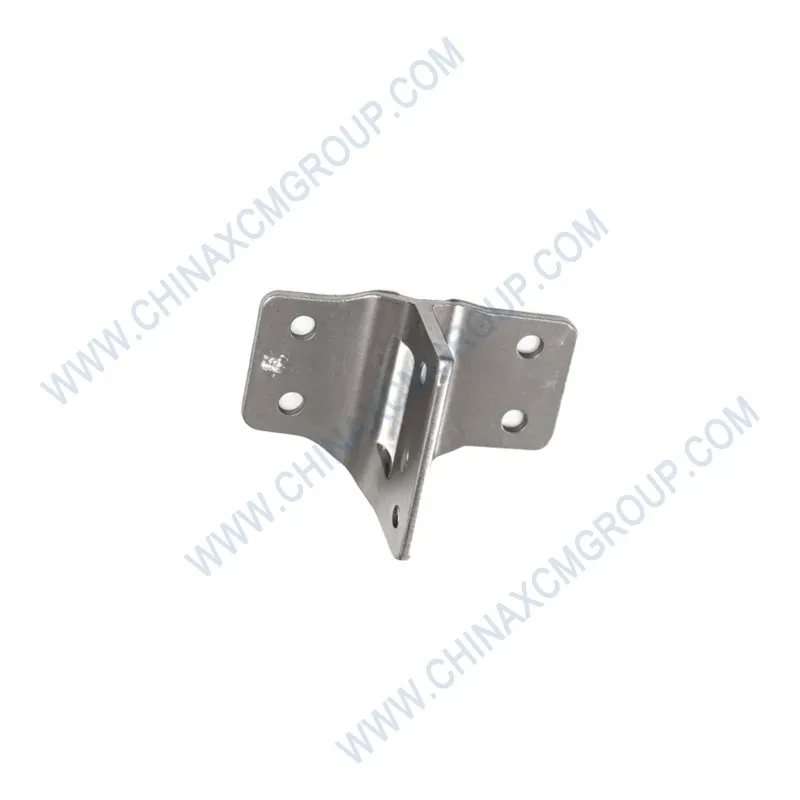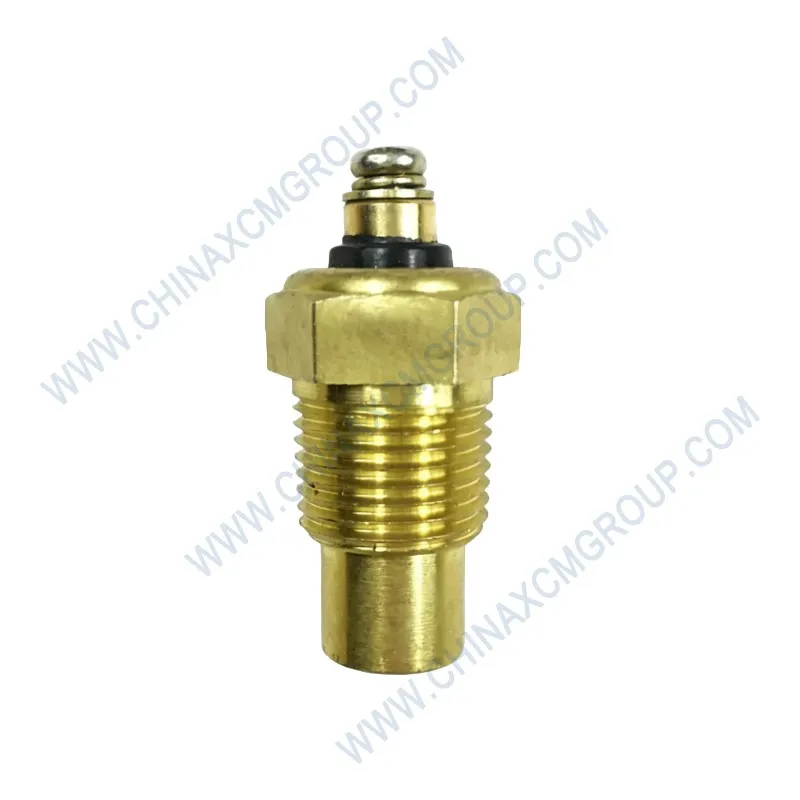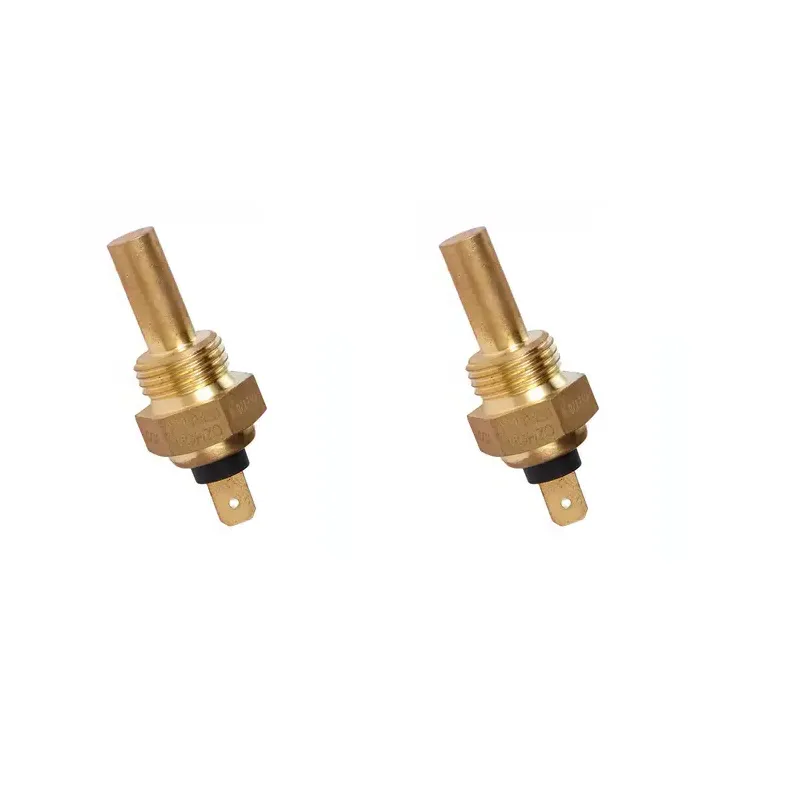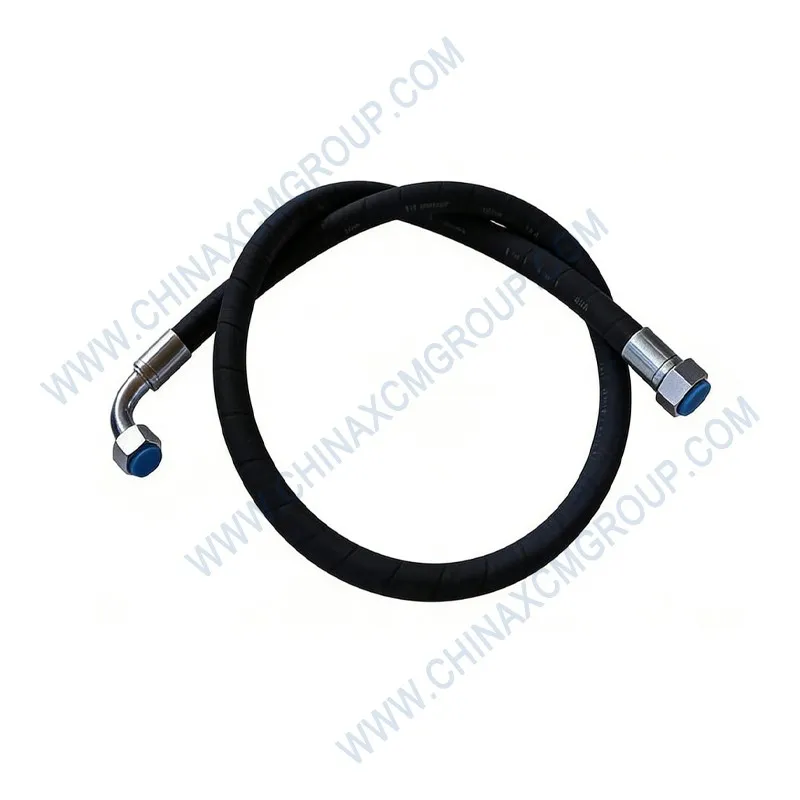
Ensuring the longevity of your machinery starts with a rigorous schedule for XCMG Road Roller Core Components. This guide delivers expert checklists to minimize downtime and maximize efficiency on every jobsite. Proper maintenance of these critical parts—from the hydraulic system to the vibration drum—directly impacts compaction quality and operating costs.
Inspection Checklist Essentials
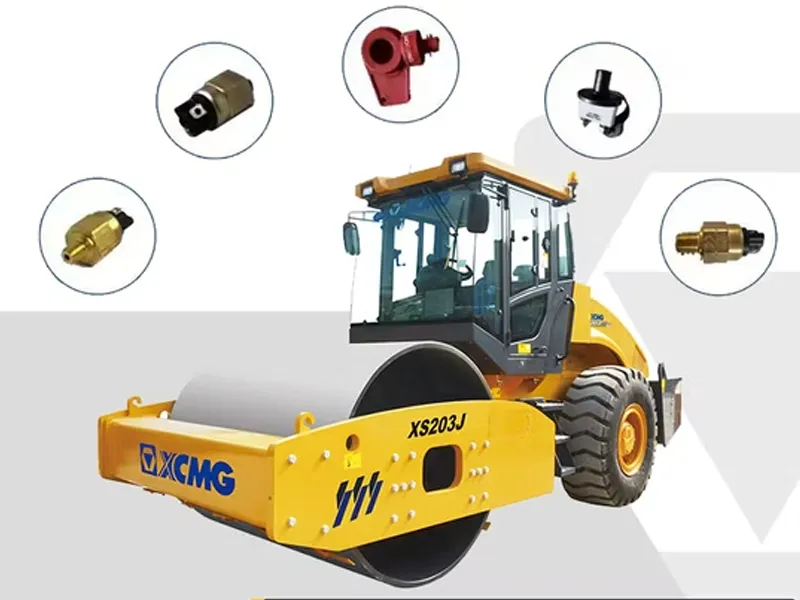
Performing monthly checks on your XCMG road roller avoids unplanned stops. Focus on Road Roller Core Components that undergo constant stress. Below is a system‑by‑system breakdown with recommended actions.
Check engine oil level and condition; look for coolant leaks. Inspect fuel filters and water separator. XCMG Road Roller Core Components like the turbocharger must be examined for shaft play.
Record crankcase pressure and exhaust color.
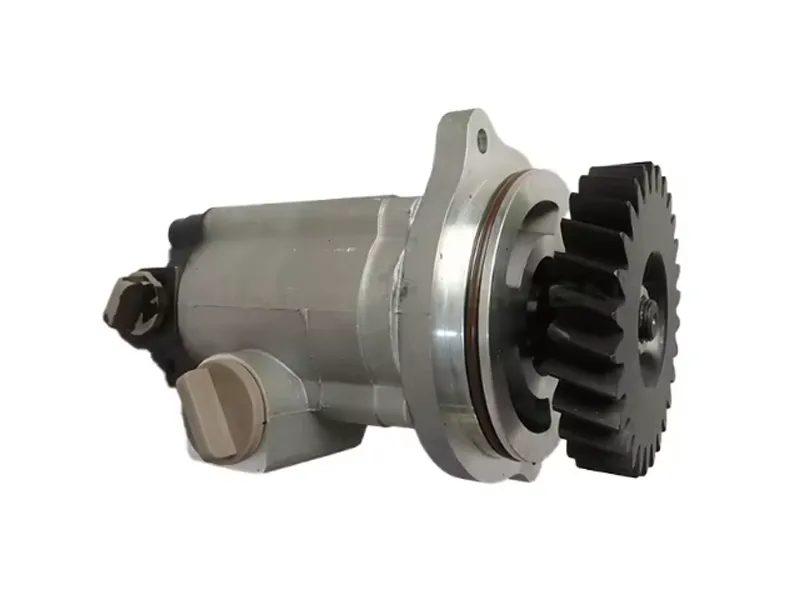
Verify hydraulic oil level and sample for water or metallic particles. Examine hoses for chafing. XCMG Road Roller Core Components—pump, control valve, and drive motor—must operate without unusual noise.
Inspect eccentric weights, bearing housing, and V‑belt tension. Grease all fittings. For vibratory rollers, XCMG Road Roller Core Components include the eccentric bearing and coupling; check for side play.
Test all lights, backup alarms, and emergency stop. Battery terminals clean, alternator output 28V. XCMG Road Roller Core Components also rely on reliable sensors—verify drum rotation sensor.
Once a year, go beyond visual checks. Scheduled teardown and measurement of selected XCMG Road Roller Core Components prevent catastrophic failures. Use this structured checklist.
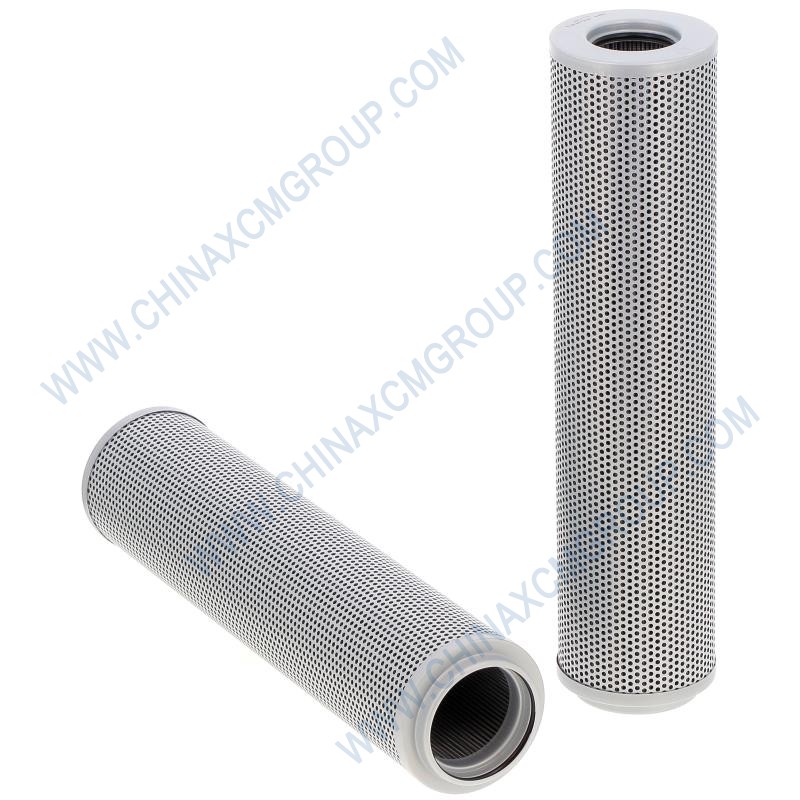
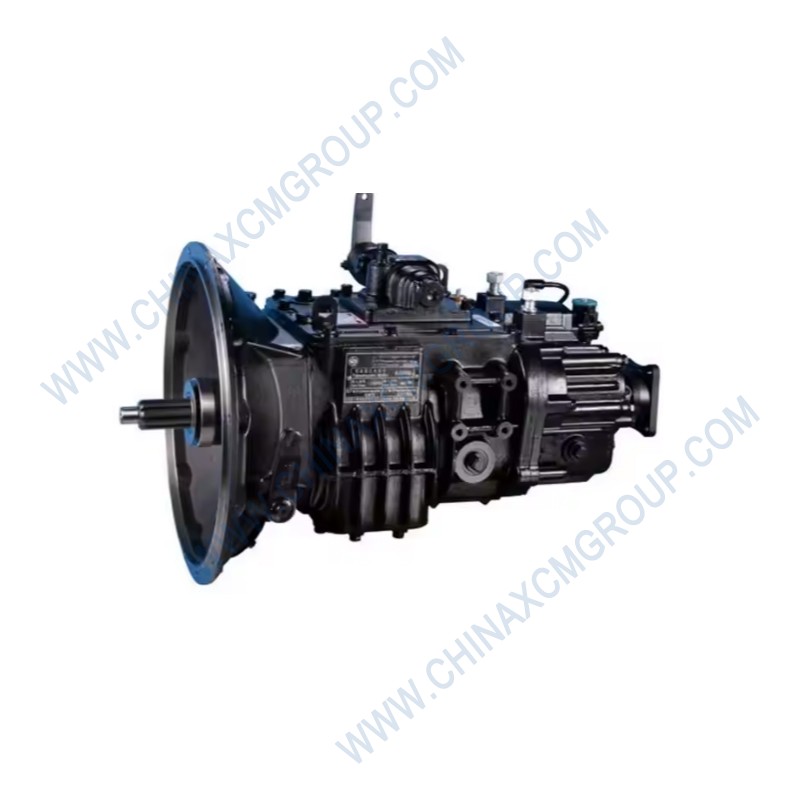
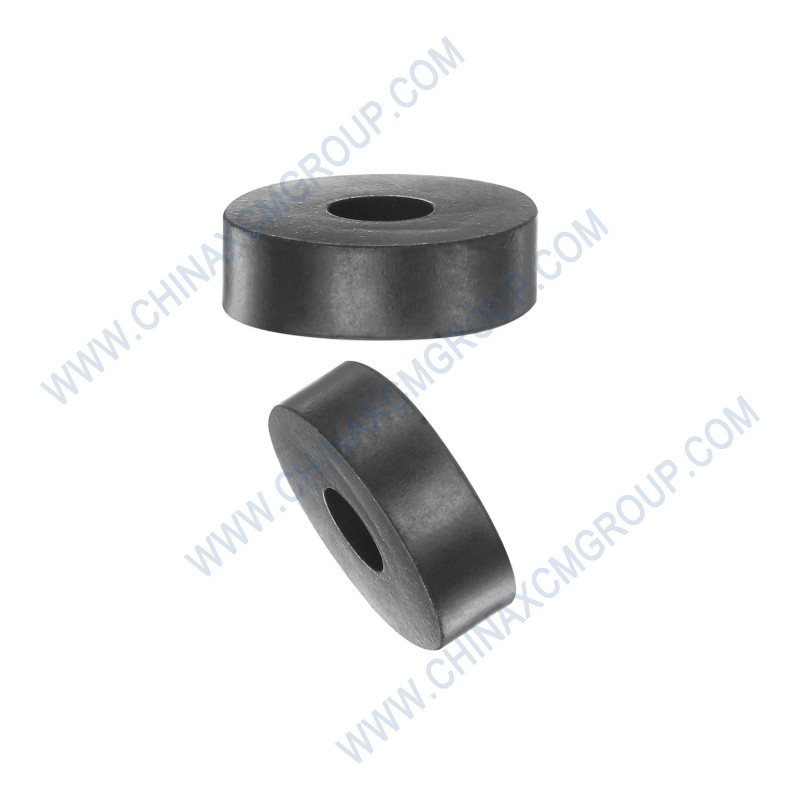
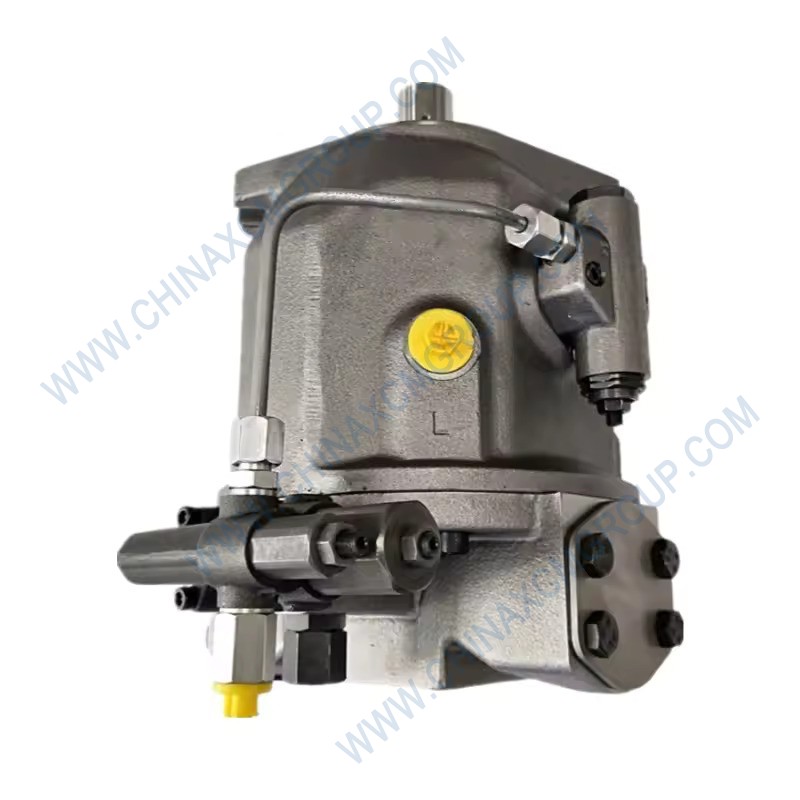

Understanding each core component helps prioritize checks. Below we break down the function and wear indicators of primary Road Roller Core Components.
Converts engine power into flow. Swash plate tilt, barrel wear. Early sign: slow drum response. Always rebuild using XCMG Road Roller Core Components kit.
Drives the roller. Check case drain flow; high flow indicates motor wear. XCMG Road Roller Core Components include the parking brake valve—test annually.
Heart of vibration. Lubrication interval critical. Vibration amplitude drop = bearing fatigue. Use only Road Roller Core Components for replacement.
Check isolator mounts for cracks. Worn mounts transfer vibration to frame. XCMG Road Roller Core Components also include scraper blades—adjust monthly.
Even experienced operators can overlook signs. These five mistakes reduce the service life of XCMG Road Roller Core Components dramatically.
Aftermarket parts may save money upfront but often compromise metallurgy and tolerances. XCMG Road Roller Core Components are engineered with specific steel alloys and heat treatment.
For example, genuine XCMG hydraulic pump barrels have a 30% longer life than non‑OEM copies. Vibration drum bearings from XCMG use C4 clearance for high heat expansion. Insisting on Road Roller Core Components guarantees fit and durability.
Implementing oil analysis and thermography catches wear early. Take samples from the hydraulic tank every 500 hours. Look for silicon (dirt ingress) and iron (bearing wear). Trending data helps plan overhauls of Road Roller Core Components precisely.
Infrared scans of the hydraulic pump case and drum bearings reveal hotspots. A 15°C rise above baseline indicates imminent failure. Keep a log of these inspections for warranty and resale value.
XS123/143: Pay extra attention to the center pivot bearing; grease every 50h. XCMG Road Roller Core Components include the articulation joint—check for looseness.
SSR200AC-8: This model features a high‑pressure common rail engine. Ensure fuel pre‑filter is changed every 250h to protect injectors, which are Road Roller Core Components for emission compliance.
XD series (tandem rollers): Vibration frequency is higher; inspect the flexible coupling between engine and pump annually. Always replace with Road Roller Core Components to avoid imbalance.
Rubber dampers in the drum isolator system should be replaced if cracked. They directly affect compaction quality and are counted as Road Roller Core Components for ride‑on rollers.
If the roller sits idle for more than 30 days, rust can form on precision surfaces. Fill hydraulic tank completely to avoid condensation. Rotate drum monthly to prevent bearing brinelling. These steps preserve XCMG Road Roller Core Components like the piston rods and valve spools.
Remember: The five most critical Road Roller Core Components – hydraulic pump, travel motor, vibration bearing, drum isolator, and engine mounts – must be inspected with calibrated tools. Bookmark this page for your next preventive maintenance session.
Explore genuine XCMG parts catalogs and expert bulletins