For every maintenance professional, mastering the XCMG Pump Truck Hydraulic System is crucial to minimize downtime. This guide provides a hands‑on checklist for pressure faults, linking each symptom to its corresponding inspection part. Based on official manuals and field experience , we break down the five most common culprits behind pressure loss and show you exactly which XCMG components to examine or replace.
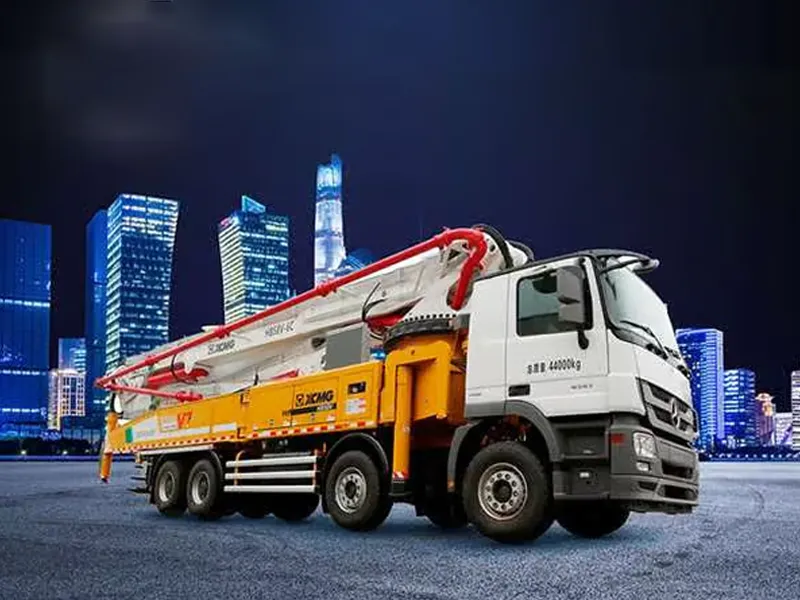
XCMG Pump Truck Hydraulic System
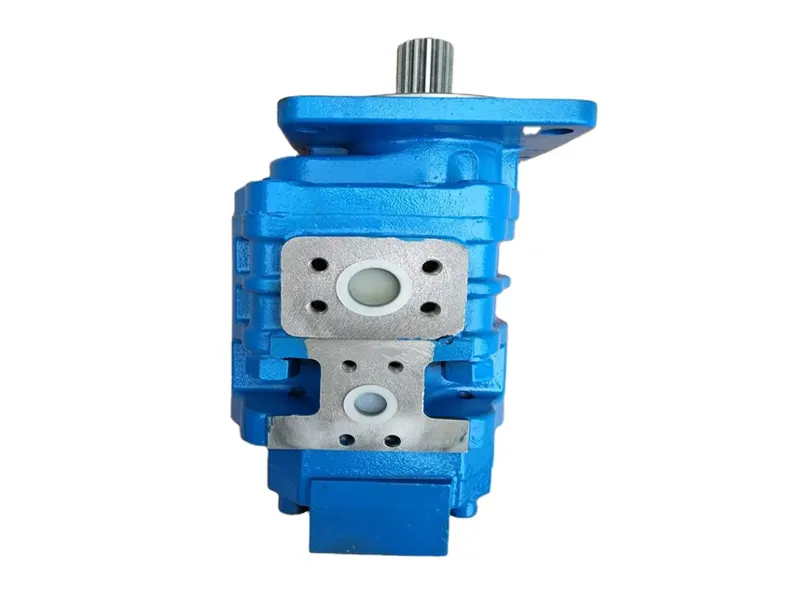
The heart of any XCMG Pump Truck Hydraulic System is the main pump (piston pump). After extended operation, internal parts like the cylinder block, pistons, and distributor plate wear out, causing internal leakage and pressure drop .
🔍 Parts to check: Piston assembly (PISTON ASSYMBLY), cylinder barrel (CYLINDER), valve plate, swash plate (INCLINE PLATE), shoe plate, and return spring. Look for scoring, discoloration, or excessive clearance.
📐 Field action: Measure pump case drain flow — if drain flow exceeds specification, main pump overhaul or replacement is required.

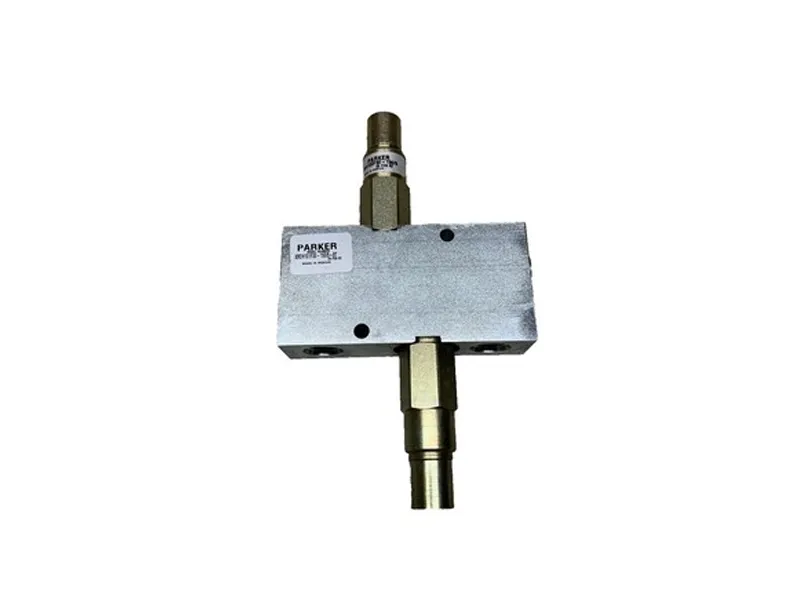
If the relief valve spring is broken, spool stuck in open position, or damping hole clogged, the XCMG Pump Truck Hydraulic System cannot build adequate pressure . Often the valve opens prematurely.
🔍 Parts to check: Relief valve spring (deformation/breakage), poppet/steel ball and seat (wear), damping orifice, remote control port, O‑rings (part no. 803308975 etc.).
📐 Field action: Install pressure gauge at main manifold. If pressure rises slowly or stays low, remove and clean/inspect the relief valve; replace spring if free length is reduced.
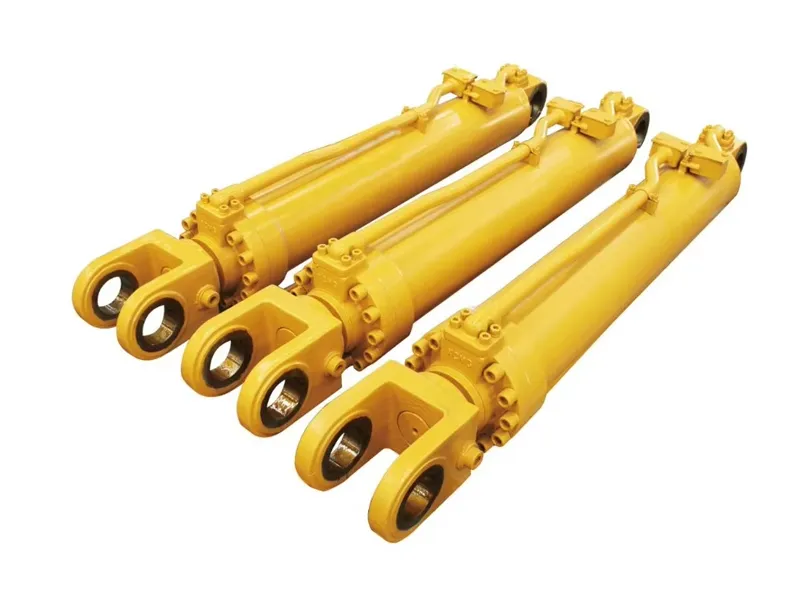
Worn piston seals or scratched cylinder barrels allow high‑pressure oil to leak into the return side, robbing the XCMG Pump Truck Hydraulic System of pressure — especially noticeable when holding load .
🔍 Parts to check: Piston seals (urethane or O‑ring + backup rings), cylinder tube inner surface, piston wear rings, piston rod seals, and the two‑way hydraulic locks (counterbalance valves) .
📐 Field action: Drift test — extend cylinder, shut off valves, and watch for rod movement. Replace seals if drift exceeds limits; inspect barrel for ovality.
Even small external or internal leaks reduce system pressure. Air sucked into the pump causes cavitation; loose fittings or damaged O‑rings on the XCMG Pump Truck Hydraulic System lead to pressure loss.
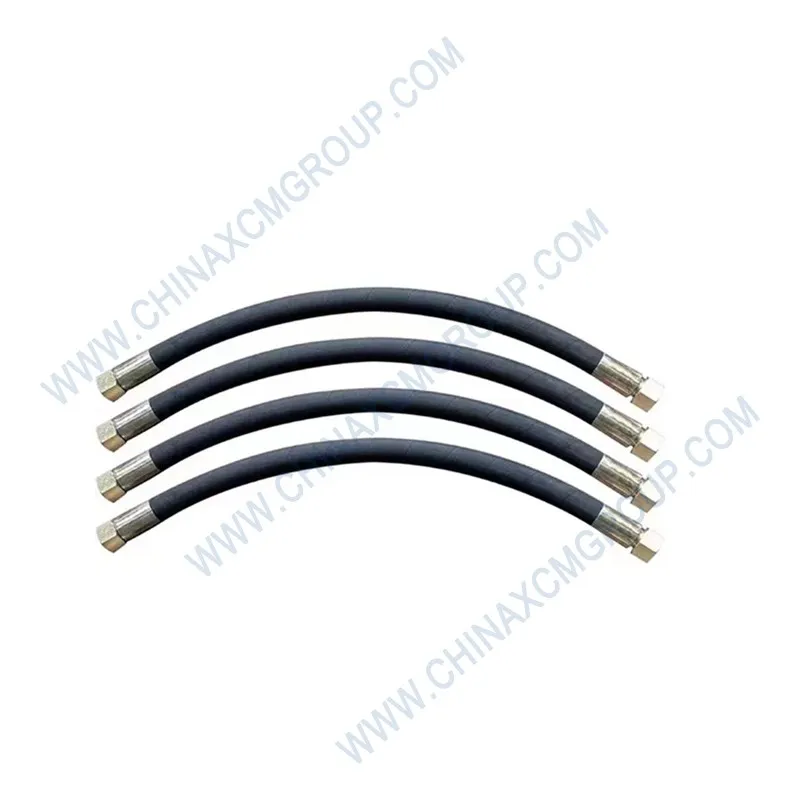
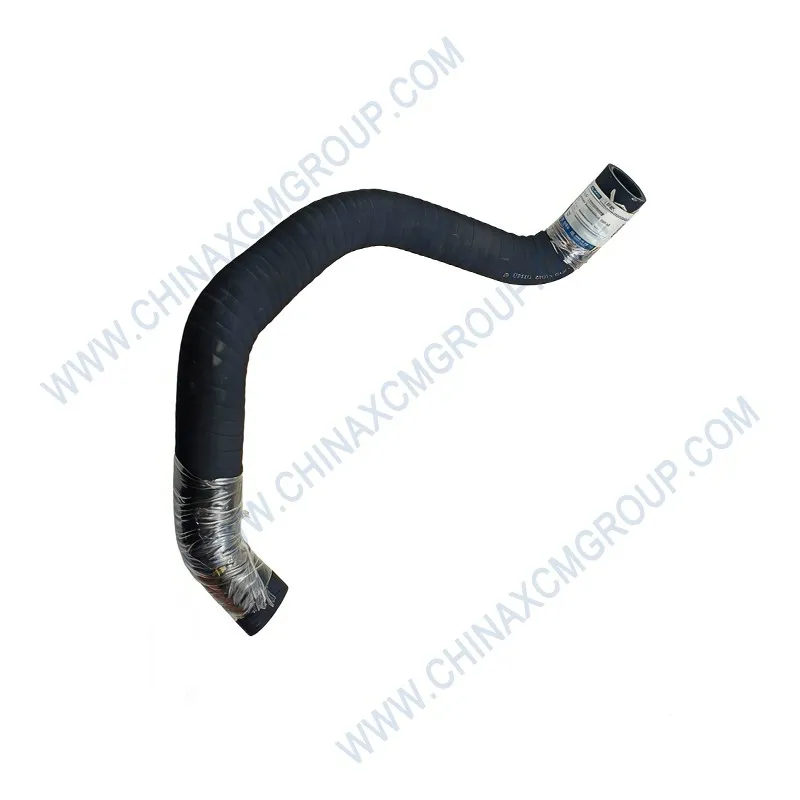
🔍 Parts to check: All HOSE ASSEMBLY, FITTINGS JOINT, O‑RINGS (part numbers: 803172173, 803172181, 803308975), FLANGE seals, TEE FITTINGS, and clamps . Also inspect suction filter sealing.
📐 Field action: Perform visual inspection with engine running (use cardboard to detect pinhole leaks). Tighten flange bolts (M12×50 etc.) to spec. Replace any perished O‑rings.

Low viscosity due to wrong oil or high temperature increases internal leakage throughout the XCMG Pump Truck Hydraulic System. Contaminated oil clogs orifices and accelerates wear.
🔍 Parts to check: Hydraulic oil tank level, oil suction filter, return filter, oil cooler, and oil condition (water contamination, dark color) .
📐 Field action: Take oil sample. Check for water emulsion (milky). Drain and replace oil if necessary; clean suction strainer; ensure breather cap is clean. In winter, preheat system to avoid cavitation .
Inspect oil level, external leaks, and listen for pump cavitation (whine) .
Replace hydraulic oil and suction filter every 2000 hours or annually . Use only XCMG approved anti‑wear oils.
Keep oil temperature below 80°C. If overheating occurs, inspect cooler and relief valves .
When the XCMG Pump Truck Hydraulic System shows low pressure, always start with a gauge test at the pump outlet. According to XCMG service literature , common root causes can be isolated by these checks:
The table below (from XCMG maintenance manual) summarizes pressure loss causes and corrections:
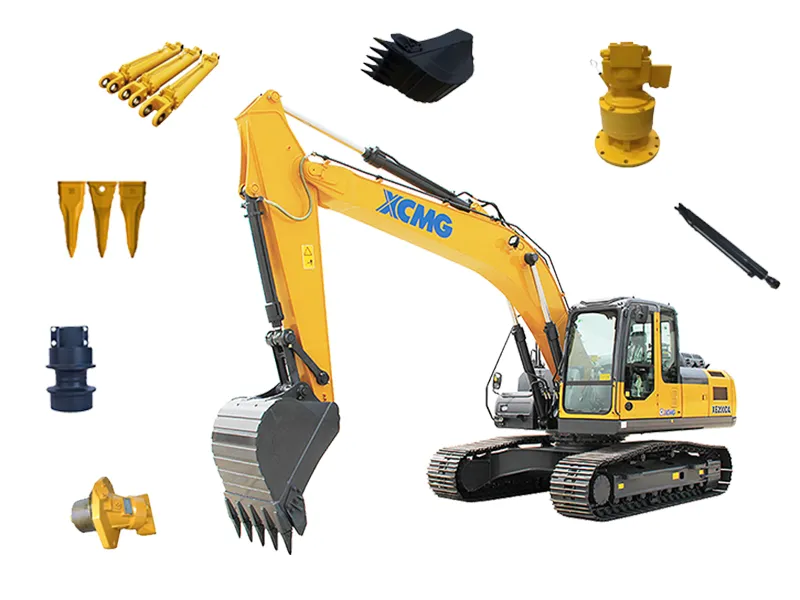
Always use genuine XCMG parts for the XCMG Pump Truck Hydraulic System to guarantee fit and durability. Part numbers listed above are common for XE series and pump trucks .