In the heart of Zambia’s copper belt, a large‑scale mining operation faced chronic downtime until a strategic overhaul of their supply chain. The solution? A tailored XCMG Parts Reserves programme that transformed fleet reliability. This case study reveals how predictive stock placement, genuine components, and joint planning pushed availability to an unprecedented 95% across a mixed fleet of 47 XCMG haul trucks, excavators, and loaders.
The mine, operating since 2012, had suffered from erratic parts supply. Distant suppliers meant waiting 10–20 days for basic filters or sensors. With equipment valued at over $45 million, every hour of downtime cost $12,000 in lost production. The existing inventory covered only 52% of urgent needs, forcing costly airfreight and cannibalisation. Mine management realised that without a robust Parts Reserves system, the 80% uptime target would remain a dream.
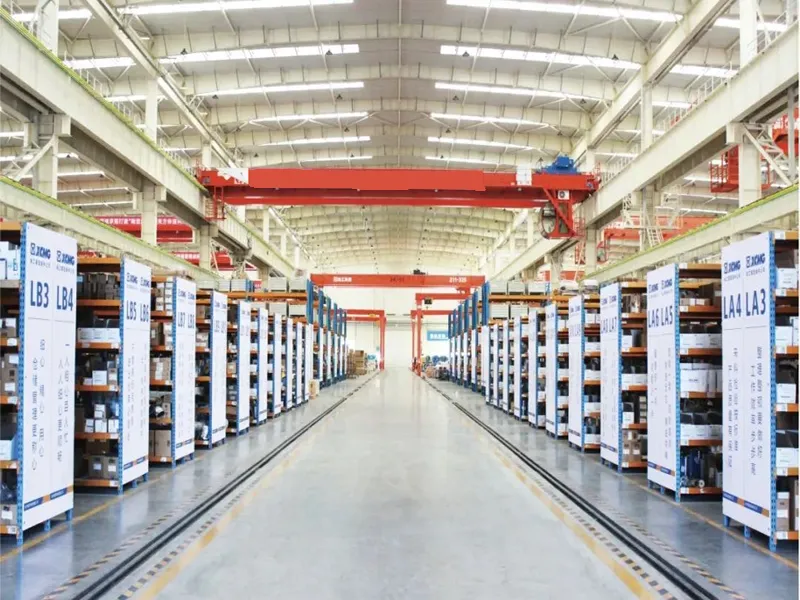
XCMG’s logistics engineers spent three weeks on site, analysing consumption patterns, fleet age, and failure modes. They designed a three‑tier XCMG Parts Reserves model: fast‑movers (filters, belts, sensors) stocked in a new 800m² warehouse; slow‑movers and major assemblies kept at a regional hub in Lusaka with weekly shuttles; and emergency air charter for catastrophic failures. Over 1,900 part numbers were classified, and initial Parts Reserves investment exceeded $1.2 million, jointly funded by XCMG and the mine.
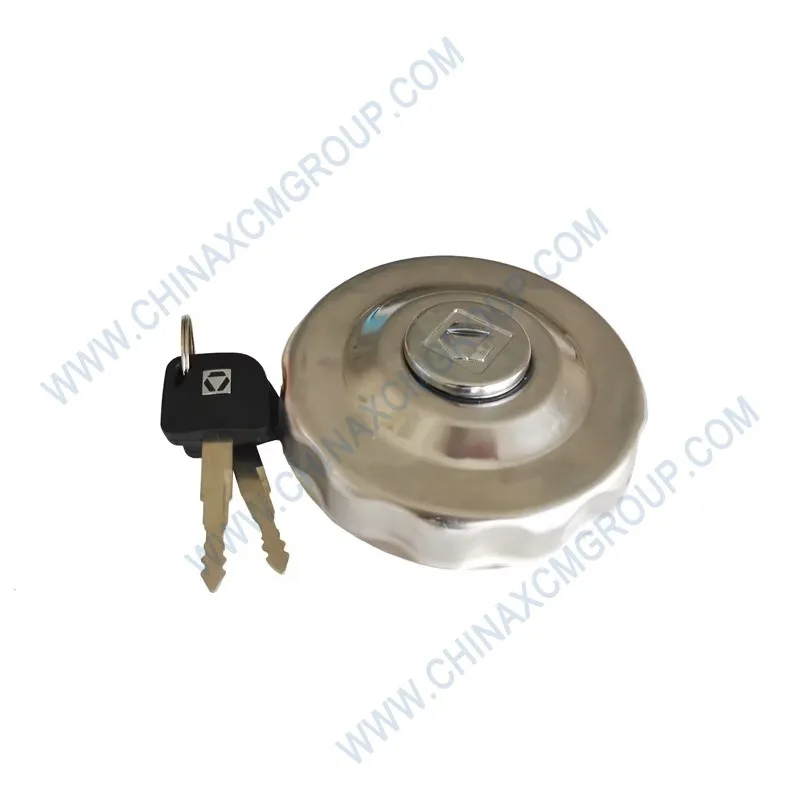
Oil filters, fuel filters, hydraulic seals – 78% of all service requirements covered by floor stock with automatic reorder points.
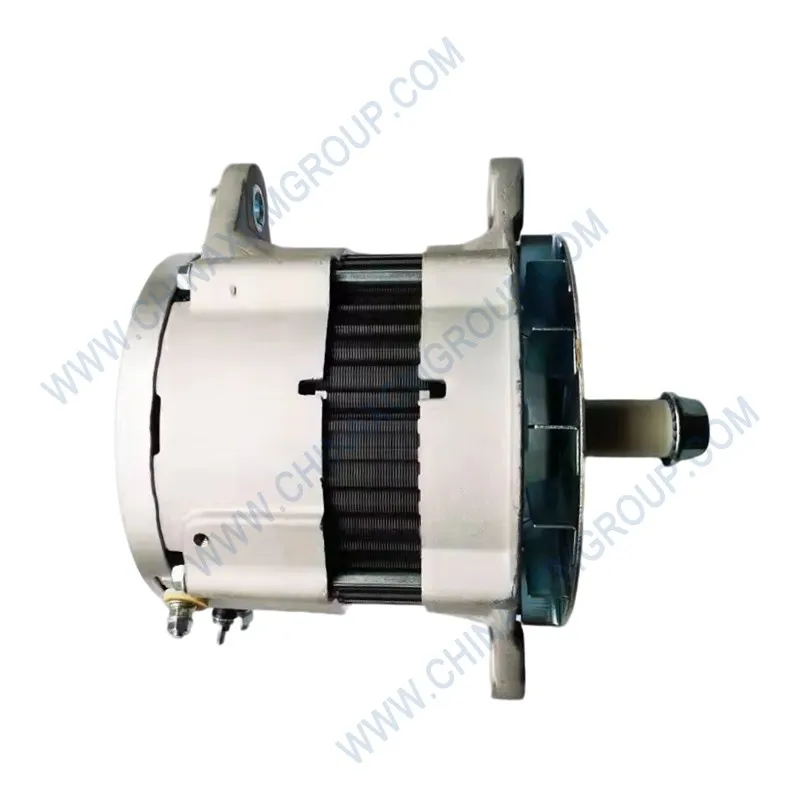
ECU modules, sensors, and wiring harnesses – historically the longest lead items, now local.
Critical to the design was the implementation of a digital inventory twin, allowing the mine’s maintenance team to view real‑time XCMG Parts Reserves levels and request top‑ups via a mobile dashboard. This reduced stock‑outs by 63% in the first quarter.
Within 60 days, the warehouse was racked and stocked. Three XCMG parts specialists joined the mine’s team, training local staff on inventory management. Weekly cycle counting ensured accuracy above 97%. The first test came during the rainy season when a haul truck’s final drive failed. Because the Parts Reserves included a reconditioned final drive assembly, the changeout took 11 hours instead of the usual 9 days. “That single event saved us over $200,000,” recalls the maintenance superintendent.
Quarterly reviews adjusted the XCMG Parts Reserves mix. For example, tyre consumption increased due to harder rock; more 27.00R49 tyres were added to the reserve. Similarly, brake pad usage doubled, so the reorder level was lifted. The dynamic nature of the Parts Reserves meant that capital was never tied up unnecessarily while still covering 98% of urgent demands.
After twelve full months, the fleet’s mechanical availability averaged 95.2% – up from 78% the previous year. Unplanned downtime dropped by 1,700 hours. The Parts Reserves performance was remarkable: 96% of parts requests were fulfilled from the local warehouse, and the remaining 4% arrived within 72 hours from the Lusaka hub. The mine’s production reached a record 3.4 million tonnes of copper ore.
Cost savings from avoided airfreight alone totalled $430,000. Moreover, the Parts Reserves model reduced average inventory holding costs by 18% because obsolete parts were identified and returned through a flexible agreement with XCMG.
“We no longer fear major component failures. The XCMG Parts Reserves program turned our maintenance from reactive to proactive. 95% uptime seemed impossible – now we are planning for 96% next year.”
— Michael Chanda, Fleet Manager, Zambian Copper Mine
Success was not only about bins. XCMG provided continuous training, remote diagnostics, and a dedicated account manager. The Parts Reserves are now integrated with the mine’s CMMS, triggering orders automatically. A monthly “parts summit” reviews consumption trends and upcoming maintenance schedules to adjust Parts Reserves levels. This collaborative approach ensures that the reserve always mirrors the actual fleet condition.
Furthermore, XCMG introduced a consignment stock for high‑value items: the mine only pays when a part is used. This innovative financing made the XCMG Parts Reserves more affordable and scalable. The mine now plans to expand the programme to its satellite pits.
Based on this Zambian case, XCMG has formulated a standard for African mines. The key pillars: site‑specific risk assessment, dynamic inventory algorithms, and joint governance. For any large fleet, XCMG Parts Reserves are not a static warehouse but a living system. The Zambian model now serves as a benchmark for similar operations in DRC, Ghana, and South Africa.
Critical lessons include: involve local fitters in identifying critical parts; never underestimate the impact of environmental factors (dust, humidity) on parts consumption; and always maintain a buffer for unforeseen major failures. The mine’s 95% uptime would have been impossible without the discipline of the Parts Reserves team, who conducted weekly reviews.
Today, the mine holds over $2.8 million worth of XCMG Parts Reserves, but turns its inventory 5.2 times per year – well above industry average. The combination of genuine XCMG parts and smart forecasting is the real differentiator.

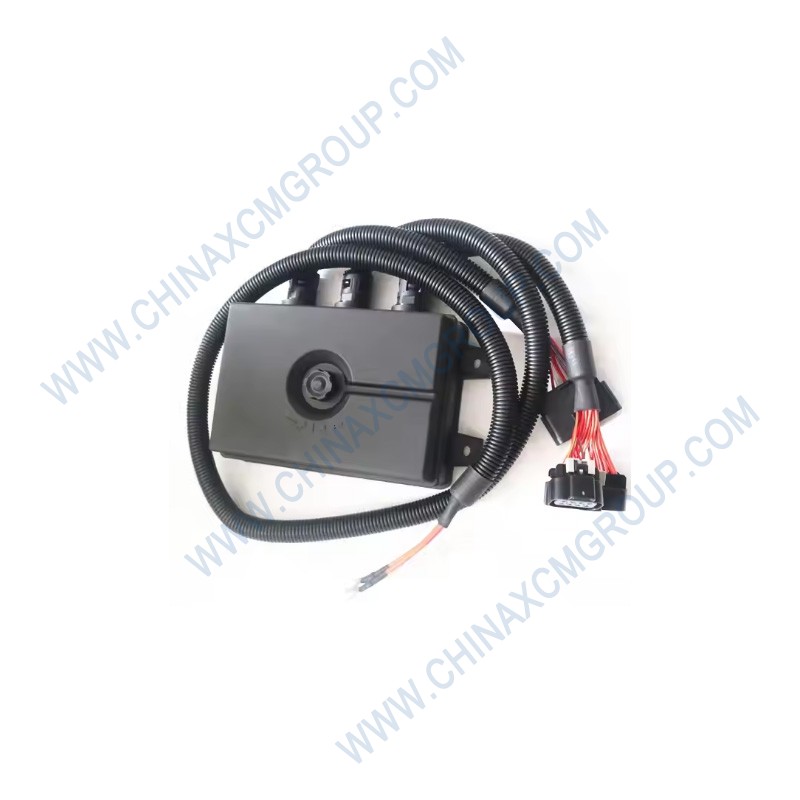

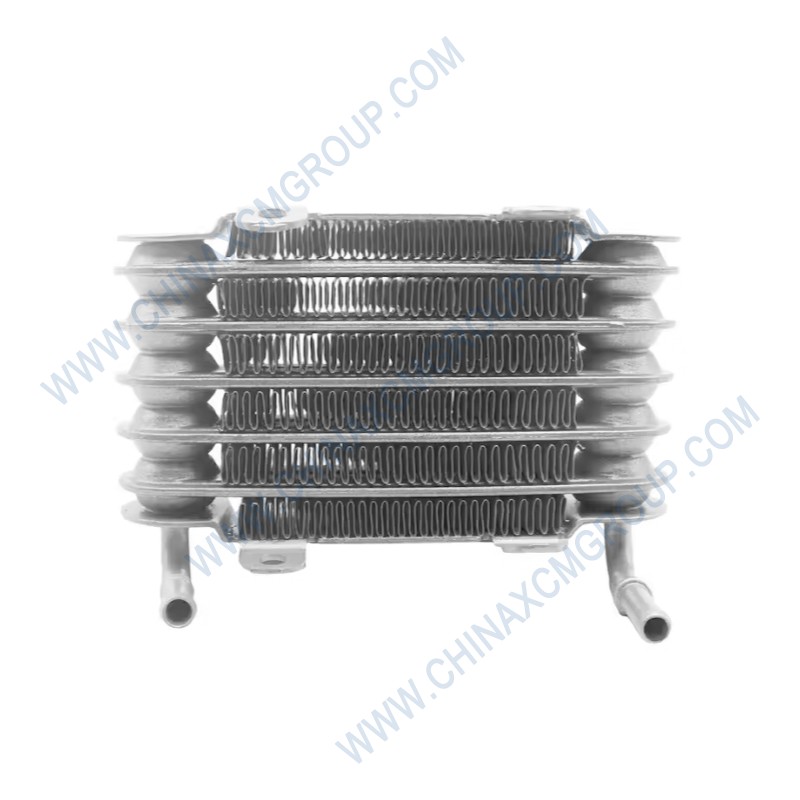
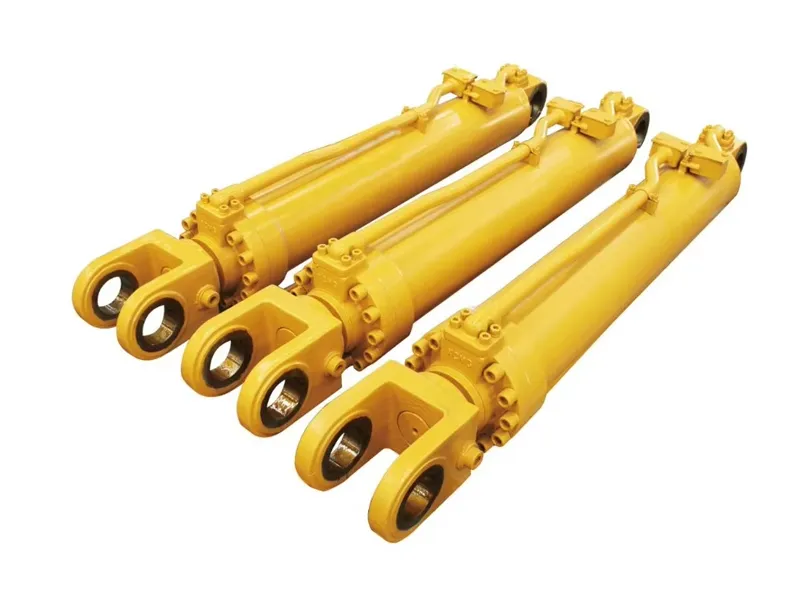

Each category is managed with min/max levels defined by the XCMG Parts Reserves algorithm. During the twelve months, only three stock‑outs occurred – all for low‑frequency items that were quickly expedited. The overall XCMG Parts Reserves performance exceeded all contractual KPIs, and the mine extended its service agreement for another five years.
The collaboration also led to a 30% reduction in mean time to repair (MTTR) for major overhauls. Technicians no longer wait for parts; the XCMG Parts Reserves are just steps away. This proximity improved morale and productivity. In addition, the mine reduced its own inventory by 40% because they rely on the XCMG‑managed reserve. The phrase “XCMG Parts Reserves” became synonymous with reliability among operators.
Looking ahead, the mine plans to introduce RFID tagging for all XCMG Parts Reserves items, enabling real‑time location and automated reordering. The goal is to push uptime to 97% and further reduce working capital. XCMG is already working on a similar scheme for another Zambian mine, proving the replicability of the XCMG Parts Reserves concept.
The XCMG Parts Reserves model now includes a regional training centre in Kitwe, where local mechanics learn to maintain not only equipment but also the reserve logic. This ensures the system remains robust even when expatriate staff rotate.
In summary, the Zambian mine’s 95% uptime is a direct outcome of the strategic XCMG Parts Reserves. From bolts to engines, every component is planned, stored, and managed with precision. XCMG continues to innovate, and this case proves that with the right XCMG Parts Reserves, even the harshest environments can achieve world‑class availability.
Discover how XCMG Parts Reserves can power your mine’s productivity