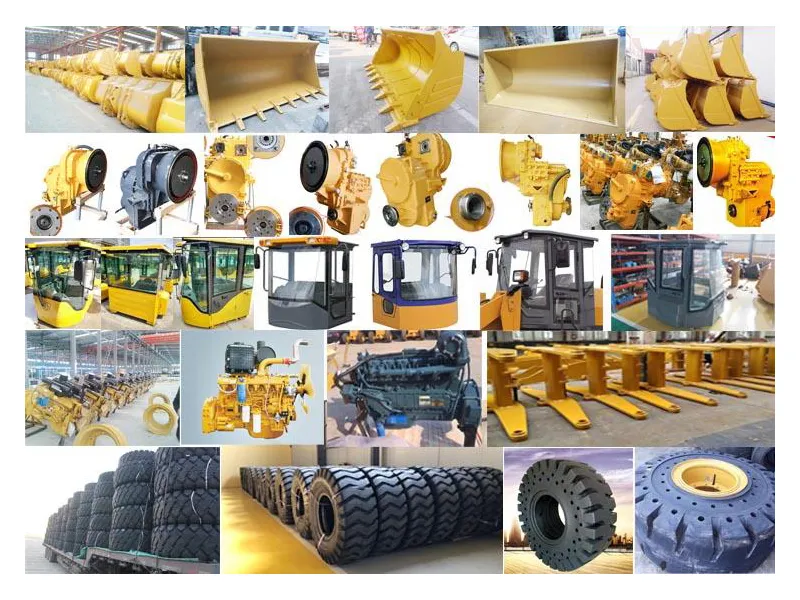
When your XCMG wheel loader needs replacement components, the question inevitably arises: should you invest in genuine OEM parts or opt for more affordable aftermarket alternatives? This XCMG Loader Parts Selection process directly impacts machine reliability, resale value, and operating costs. In this comprehensive guide, we dissect every angle — from metallurgy to warranty terms — so you can decide with confidence. Whether you operate a fleet of ZL50GN models or a single compact XCMG machine, mastering XCMG Loader Parts Selection ensures maximum uptime. Let’s explore the critical differences, cost implications, and long-term value of each path.
Your loader works in dust, mud, and high‑stress environments. A minor part failure can halt an entire project. XCMG Loader Parts Selection isn’t just about price — it’s about safety, compatibility, and service intervals. Original XCMG parts are engineered to the exact specifications of your machine’s hydraulic system, transmission, and chassis. Aftermarket parts, while often cheaper, vary widely in quality. We’ve seen cases where a cheap filter caused turbo failure, or a non‑genuine bucket tooth wore out in 200 hours instead of 800. That’s why proper XCMG Loader Parts Selection is the cornerstone of fleet management.
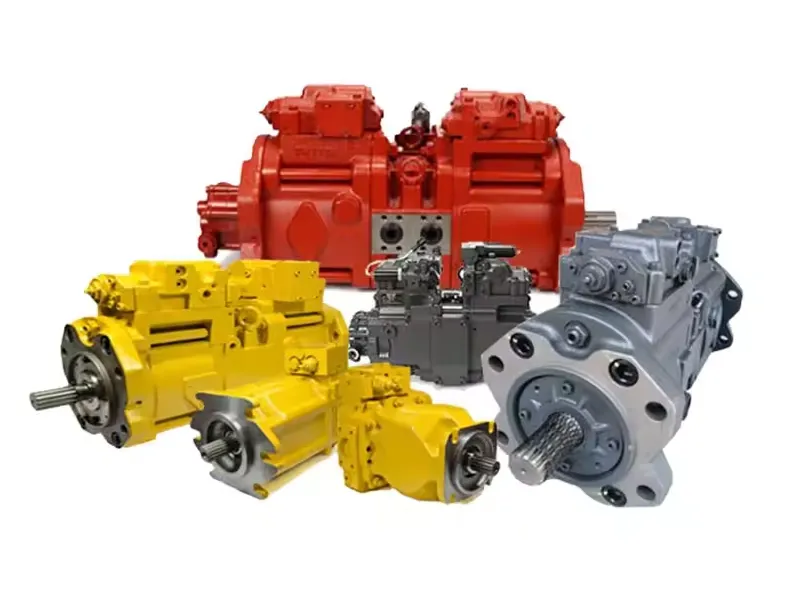
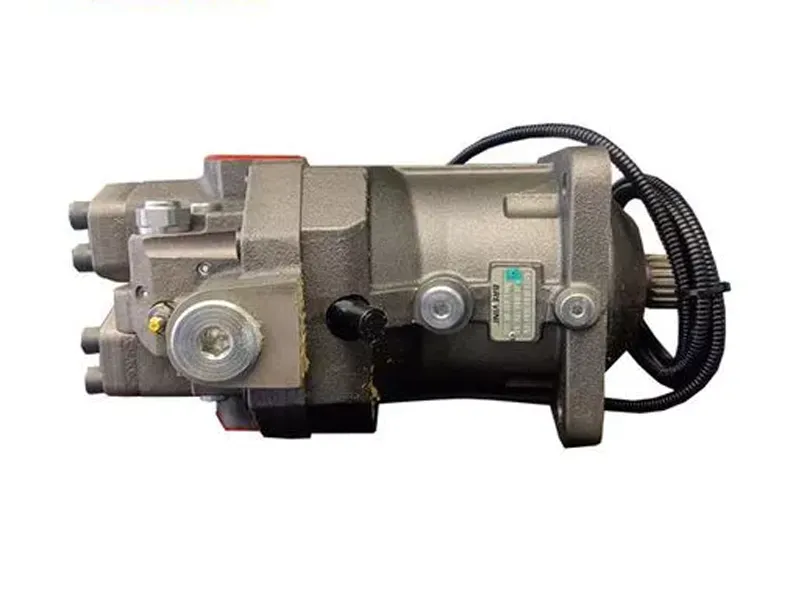
Original XCMG parts come from the same foundries that supply the production line. They undergo strict dimensional checks and material certifications. Hydraulic pumps, for example, maintain exact clearance, avoiding internal leakage. If you prioritize maximum lifespan and zero downtime, genuine parts are the baseline. Many contractors choose OEM for critical drivetrain components.
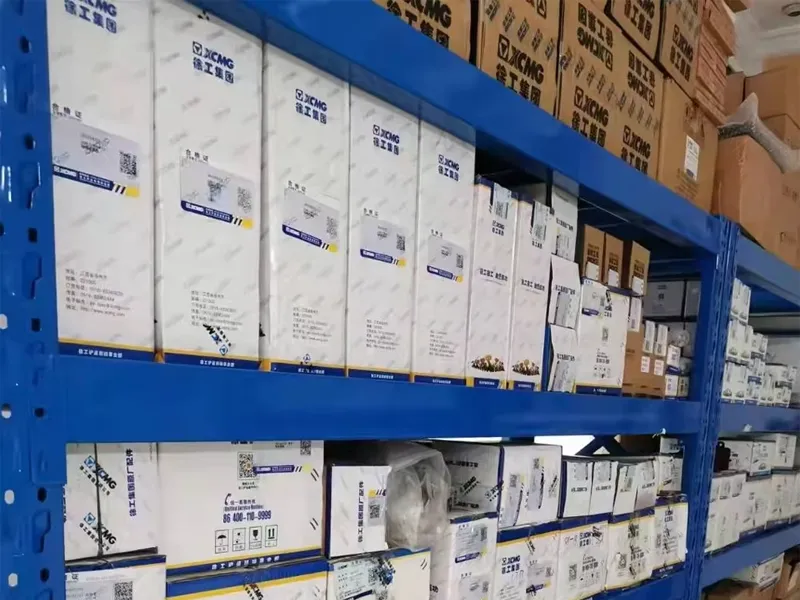
Aftermarket parts for XCMG loaders have improved significantly over the last decade. Reputable brands offer components that meet or exceed ISO standards. The main attraction is cost — sometimes 60% of the OEM price. However, the XCMG Loader Parts Selection process must filter out “cheap copy” suppliers. We recommend aftermarket parts for non‑safety items like exterior trim, floor mats, or certain wear plates. But for engine internals, steering cylinders, or electronic control units, OEM remains safer.
Top‑tier aftermarket manufacturers invest in reverse engineering and sometimes improve upon original designs. For instance, some aftermarket bucket teeth use harder steel, extending life by 20%. Yet the XCMG Loader Parts Selection process must consider compatibility with mating parts. A mismatched pin boss can cause accelerated wear. Always request material certificates and sample fittings before bulk purchase.
| Criteria | Genuine XCMG parts | Aftermarket parts |
|---|---|---|
| Quality assurance | ISO 9001, XCMG factory traceability | Varies: some certified, some unknown |
| Typical lifespan | 100% design life (e.g., 10,000 hrs) | 50‑90% of OEM life depending on brand |
| Initial cost | Higher (premium engineering) | 30‑60% lower |
| Warranty | 12‑24 months, nationwide support | Usually 3‑12 months, limited network |
| Suitability | Critical systems: hydraulics, electronics | Wear parts, cosmetic, secondary systems |
Your XCMG Loader Parts Selection should weigh these factors against your operation’s intensity. A machine working 20 hours a day in a mine justifies genuine parts; a standby machine used occasionally may perform well with high‑quality aftermarket.
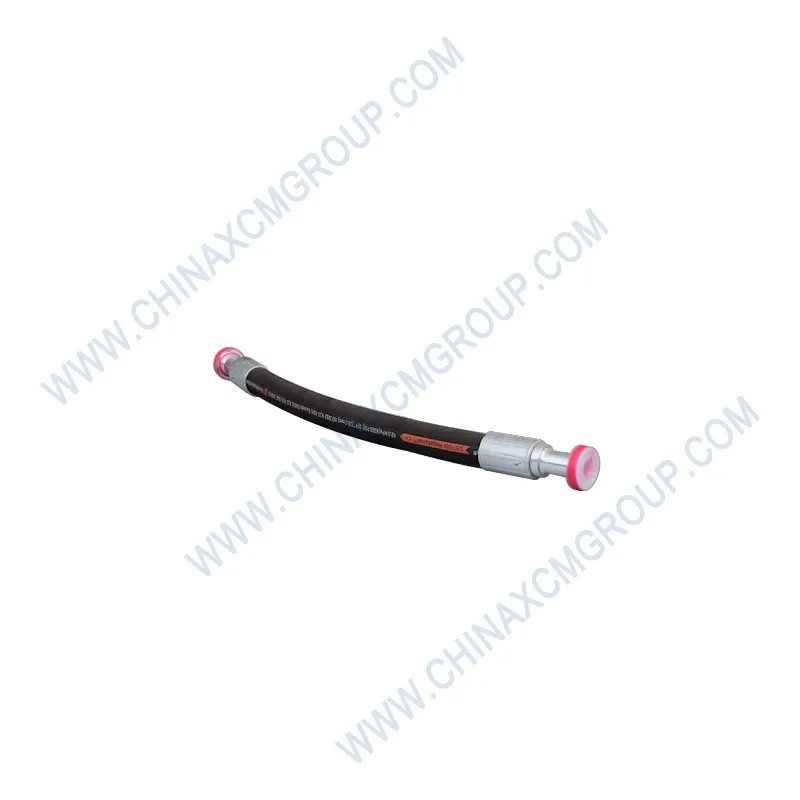
A construction company in Indonesia operated 12 XCMG loaders. They initially used aftermarket filters and hydraulic hoses to cut costs. Within six months, three loaders experienced premature pump failures traced to contaminated oil from a low‑quality filter. The repair cost exceeded the savings by 5x. They revised their XCMG Loader Parts Selection policy: all filters, seals, and hydraulic parts now genuine; structural wear parts (cutting edges, bolts) sourced from a certified aftermarket partner. Downtime dropped 40%.
There is no one‑size‑fits‑all. Many fleet managers adopt a hybrid approach: genuine for rotating components (transmission, differential) and aftermarket for wear plates, polycarbonate windows, or non‑structural covers. The key is documenting each XCMG Loader Parts Selection decision and tracking performance. Use a simple spreadsheet to compare cost per hour between genuine and aftermarket on identical machines — data never lies.
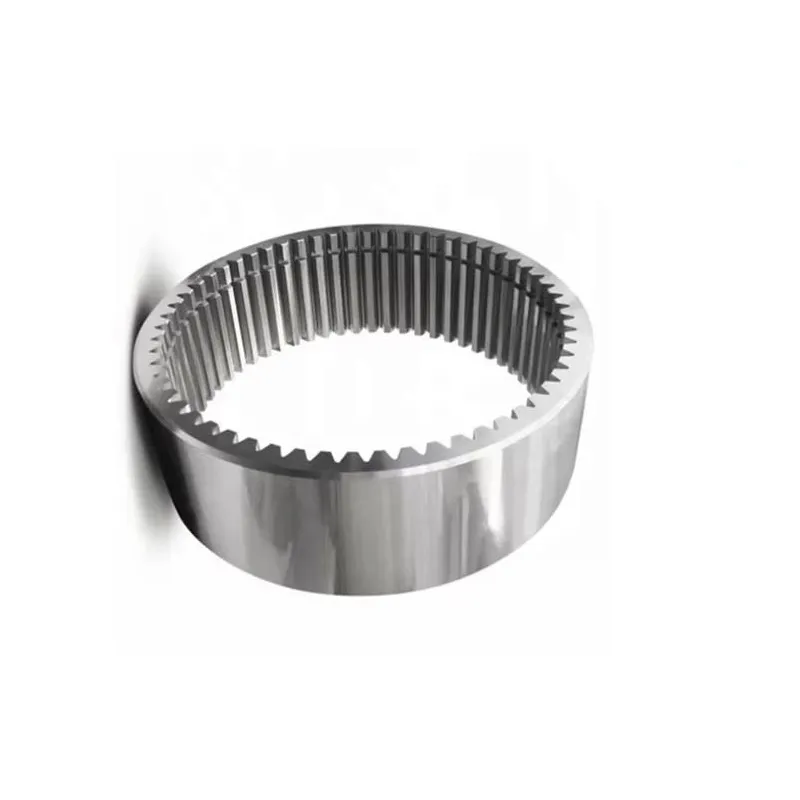
We interviewed XCMG service technicians with over 20 years of field experience. Their consensus: “If you cannot verify the metallurgy or the heat treatment, stick to genuine.” Critical areas where XCMG Loader Parts Selection should almost always favour OEM: axle shafts, crown wheel pinions, turbochargers, and main hydraulic pumps. For filters, only use genuine or well‑known brands (Donaldson, Baldwin) that explicitly list XCMG cross‑references. Never gamble with brake pads or steering components — aftermarket failures here can be catastrophic.
Pro tip: When in doubt, order a sample genuine part and compare weight, casting marks, and surface finish. Many counterfeit aftermarket parts are lighter or have rough edges. Your XCMG Loader Parts Selection process should include a visual inspection protocol.
XCMG now offers genuine remanufactured parts — cores that are rebuilt to OEM spec with a warranty. They cost about 70% of new genuine, giving an intermediate option. Also, digital platforms provide part numbers, 3D views, and fitment lists, making XCMG Loader Parts Selection easier. We recommend using XCMG’s official parts catalogue or trusted distributors to avoid fakes.
Always check the anti‑counterfeit QR code on XCMG packaging. The label should have holographic elements. If buying aftermarket, ask for photos of the actual stock and compare with known genuine dimensions. Many aftermarket sellers offer money‑back if the part fails to fit — that’s a good sign. But remember, return shipping costs for a 50‑kg axle are high, so initial XCMG Loader Parts Selection diligence pays off.
Let’s talk about inventory management. A smart strategy is to keep genuine critical spares (sensors, pumps) on shelf for immediate replacement, and source aftermarket for planned wear part changes (bucket edges, bolts). This hybrid XCMG Loader Parts Selection reduces capital lock‑up while ensuring emergency coverage. In a recent survey of 50 equipment managers, 68% said they use a mix, with the proportion of aftermarket increasing for machines over 10,000 hours.
No matter which path you take, document every part’s installation date, hours, and source. This builds your own reliability database for future XCMG Loader Parts Selection. Over time, you will identify which aftermarket brands consistently deliver 80‑90% of OEM life at half the cost — those become your go‑to for non‑critical applications.
The evolution of XCMG Loader Parts Selection is moving toward digital twins and predictive maintenance. In the near future, sensors will alert you when a part is nearing end of life and automatically suggest the optimal replacement — genuine or approved aftermarket — based on your operating conditions. Until then, the human factor remains vital. Understand your machine, your workload, and your risk tolerance. And always remember that the cheapest part upfront can become the most expensive one down the road. With the right XCMG Loader Parts Selection, your loader will deliver the productivity you expect from a world‑class brand.