XCMG NOx Sensor A57 OEM 800166249 – Precise SCR Monitoring for Articulated Dump Trucks
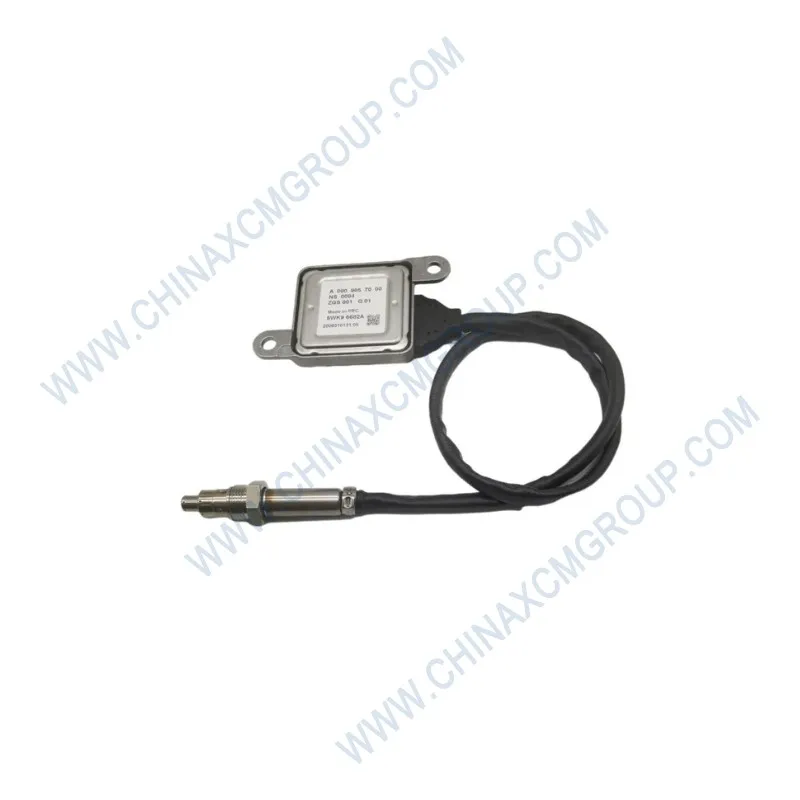
NOx Sensor A57
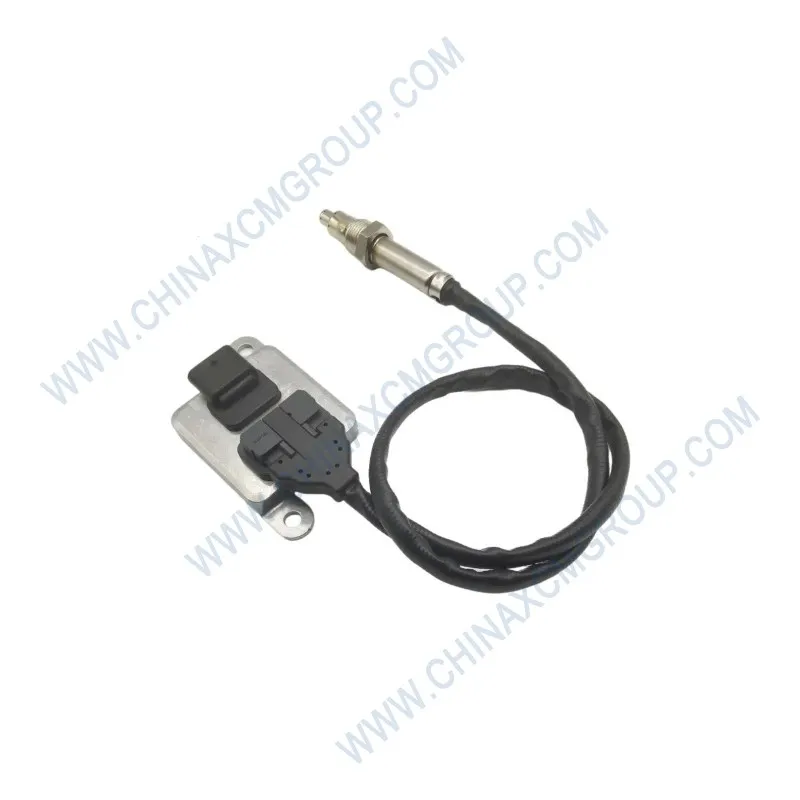
Датчик NOx A57
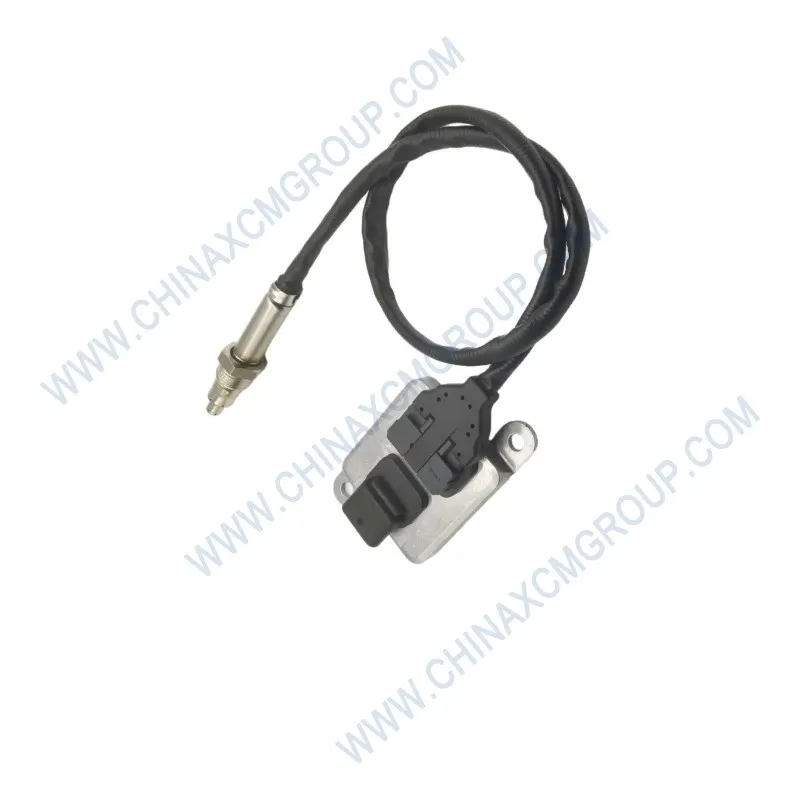
Sensor de NOx A57
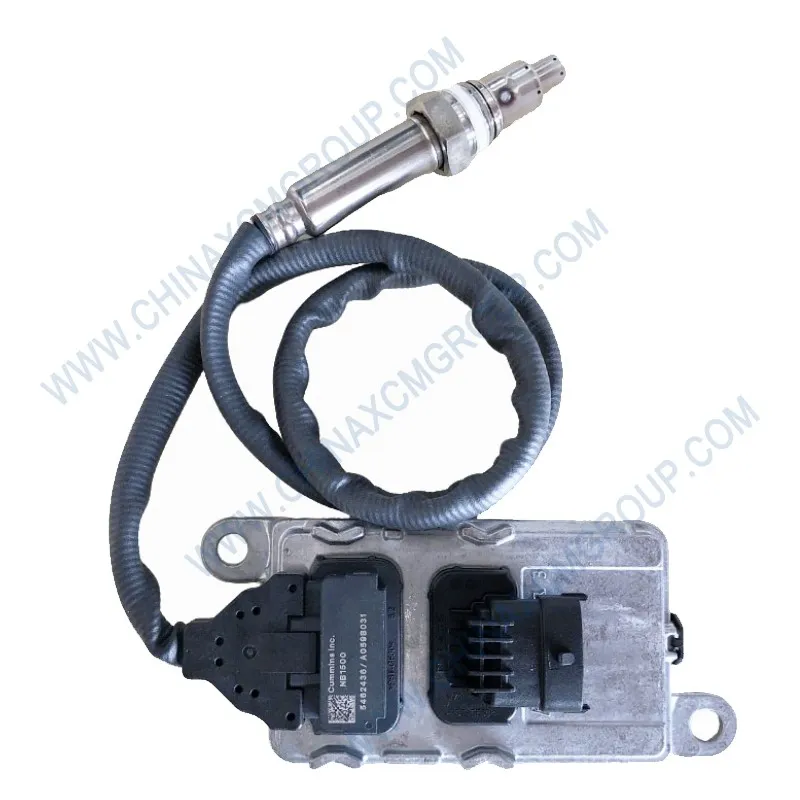
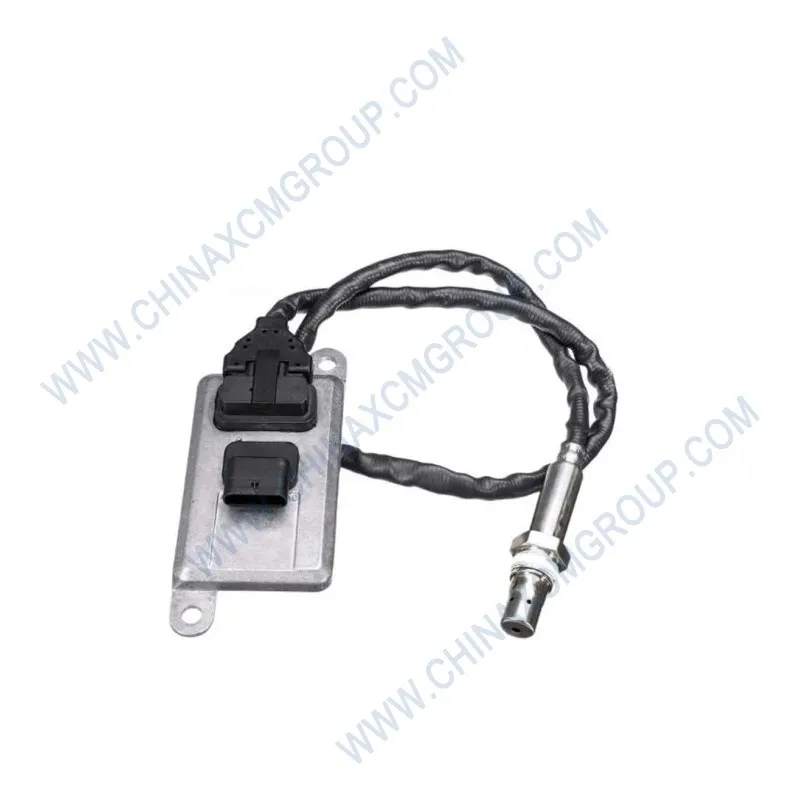
The genuine XCMG NOx Sensor A57 with OEM number 800166249 is a precision electrochemical component designed for Selective Catalytic Reduction (SCR) systems on XCMG articulated dump trucks such as XDA40, XDA45, XDA45U, and TA30.
This high-performance sensor 800166249 measures nitrogen oxide concentrations in real time, enabling the engine control unit to accurately regulate AdBlue injection and ensure compliance with Euro Stage V / EPA Tier 4 Final emission standards, which are among the strictest in the world.
Engineered for extreme conditions ranging from -40°C to +800°C at the probe tip and severe vibration in mining environments, the 800166249 NOx Sensor A57 delivers exceptional service life and maximizes fleet uptime.
Manufactured under strict XCMG quality standards, it features a robust ceramic sensing element (yttria‑stabilized zirconia electrolyte) and a sealed IP67/IP69K control unit, offering long‑term reliability and plug‑and‑play compatibility with XCMG engine control modules for Mercedes OM460LA, Yuchai YC6K, and Weichai WP13 engines.
Technical Specifications of OEM 800166249 (NOx Sensor A57)
The NOx Sensor A57 uses advanced amperometric double-chamber technology with a YSZ ceramic sensing element. Measuring range spans 0 to 3,000 ppm NOx with accuracy of ±8% of the measured value across the full range, providing the ECU with reliable data for precise AdBlue dosage calculation.
Response time is ≤1 second (10% to 90% step change), and light‑off time (from cold start to full measurement accuracy) is ≤60 seconds, thanks to an integrated heater that rapidly brings the sensing tip to approximately 750–800°C.
Operating voltage supports both 12V and 24V DC systems. Maximum heating power is 75W, while normal measurement consumption is approximately 7W. The probe withstands exhaust gas temperatures from -40°C to +800°C; the sensor control unit (SCU) operates from -40°C to +140°C with proper heat shielding.
Thread size is M20 × 1.5 mm with a recommended installation torque of 45–50 Nm. Communication is via CAN bus (SAE J1939 protocol at 250 kbps). The connector is a 5‑pin or 6‑pin type, rated IP67 (mated) and IP69K for high‑pressure washdown. Design life is 15,000 hours.
Role of NOx Sensor A57 in SCR Systems
In XCMG articulated dump trucks, the SCR system injects AdBlue (32.5% urea solution) into the exhaust stream upstream of the catalyst. The NOx Sensor A57 is typically installed downstream of the SCR catalyst to measure residual NOx after the catalytic reaction, enabling closed‑loop control of urea dosing.
On XDA45U models with Mercedes OM460LA engines and Bosch SCR systems, two NOx sensors are used: one upstream (pre-SCR) and one downstream (post-SCR). The 800166249 serves as the post‑SCR sensor, confirming that tailpipe emissions meet legal limits.
Under high load during uphill hauling, NOx production increases significantly. The sensor provides fast feedback to increase AdBlue injection, maintaining conversion efficiency above 90%. It also detects ammonia slip (excess urea) and triggers OBD fault codes if the catalyst degrades or the dosing system malfunctions.
The sensor’s on‑board diagnostics include detecting circuit faults, signal drift, and sensor aging. If NOx readings exceed regulatory thresholds, the ECU may initiate engine torque derate (25‑50% power reduction) to enforce emissions compliance, protecting the aftertreatment investment.
Extreme Condition Validation
Field validation tests on XCMG XDA45 articulated dump trucks operating in Australian iron ore mines showed that the 800166249 sensor maintains measurement accuracy within specified tolerances after 6,000 hours of continuous operation, with no significant signal drift or sensitivity degradation.
Thermal shock testing (500 cycles from ambient to 800°C, 30‑second dwell each) resulted in no cracking of the ceramic element and no change in response time. Vibration endurance per ISO 16750-3 (5G peak acceleration, off‑highway random profile) confirmed no mechanical failure or intermittent signal loss after 500 hours.
IP69K testing proved the sensor control unit withstands high‑pressure water jets (100 bar at 80°C) during daily washing, and IP67 ensures survival after complete immersion in muddy water for 30 minutes without moisture ingress.
Technical Data Sheet – NOx Sensor A57 (800166249)
| Parameter | Specification |
|---|
| OEM Number | 800166249 |
| Sensor Type | Amperometric ceramic NOx (YSZ electrolyte) |
| Measuring Range (NOx) | 0 – 3000 ppm |
| Accuracy | ±8% of measured value |
| Response Time | ≤ 1 sec |
| Light‑off Time | ≤ 60 sec |
| Supply Voltage | 12V / 24V DC |
| Heating Power | ≤ 75 W |
| Probe Temp Range | -40°C … +800°C |
| SCU Temp Range | -40°C … +140°C |
| Thread Size | M20 × 1.5 mm |
| Torque | 45 – 50 Nm |
| Protection (SCU) | IP67 / IP69K |
| CAN Protocol | SAE J1939, 250 kbps |
| Design Life | 15,000 hours |
| Compatible Models | XCMG XDA40, XDA45, XDA45U, TA30 |
| Standards | Euro Stage V, EPA Tier 4 Final, IATF 16949 |
Installation & Maintenance Guide
Before installation, allow the exhaust system to cool below 50°C to prevent burns. Disconnect the battery negative terminal or remove the SCR fuse. Remove the old sensor using a deep socket (22mm or 27mm). Clean the exhaust bung threads with an M20×1.5 tap to remove carbon buildup.
Apply a thin layer of high‑temperature anti‑seize to the new sensor threads (avoiding the sensing tip). Hand‑thread until finger‑tight, then torque to 45–50 Nm. Secure the SCU to the chassis using the original bracket, away from direct exhaust heat and moving parts.
Reconnect the wiring harness until an audible click confirms full seating. Route the harness away from sharp edges and secure every 150–200 mm. Reconnect battery, start the engine, and verify no fault codes. Inspect the sensor and harness every 1,000 operating hours.
Common Failure Symptoms & DTCs
The most common symptom of a failing NOx Sensor A57 is the illumination of the Malfunction Indicator Lamp (MIL) followed by an engine derate (25‑50% power reduction). Operators may also notice increased AdBlue consumption (15‑25%) as the ECU enters open‑loop control.
Typical diagnostic trouble codes include P2200 (NOx sensor circuit malfunction), P2201 (performance/range problem), and P229F (circuit range/performance – bank 1). Signal drift leads to under‑dosing, causing elevated tailpipe NOx and potential compliance issues.
Advanced Manufacturing & Quality Control
Each ceramic sensing element undergoes a 168‑hour burn‑in aging process at 850°C to stabilize the YSZ electrolyte properties, ensuring drift‑free operation over the 15,000‑hour design life. Probe assembly takes place in ISO Class 7 cleanrooms to prevent contamination.
Every sensor is 100% tested in a calibrated exhaust gas simulator across the entire 0‑3000 ppm range, with response time and accuracy verified against XCMG master curves. The SCU is function‑tested from -40°C to +140°C, with CAN communication verified at 9V to 32V extremes.
Why Genuine XCMG NOx Sensor A57?
Aftermarket NOx sensors often use inferior ceramic elements with wider tolerances (±15‑20%), missing protective coatings, and incompatible CAN firmware that causes intermittent errors. Genuine XCMG 800166249 offers 100% factory test, laser‑etched traceability, and a full factory warranty.
A fleet study of 28 XCMG articulated dump trucks over 24 months showed that using genuine 800166249 reduced SCR‑related fault codes by 82% compared to aftermarket sensors. The study also documented total avoided costs exceeding $62,000 from reduced downtime, lower AdBlue consumption, and prevention of SCR catalyst replacements.
Genuine XCMG OEM 800166249 NOx Sensor A57 — Precision YSZ ceramic technology, extreme‑duty validated, and calibrated for Euro Stage V / Tier 4 Final compliance. Keep your articulated dump trucks emission‑compliant and productive.