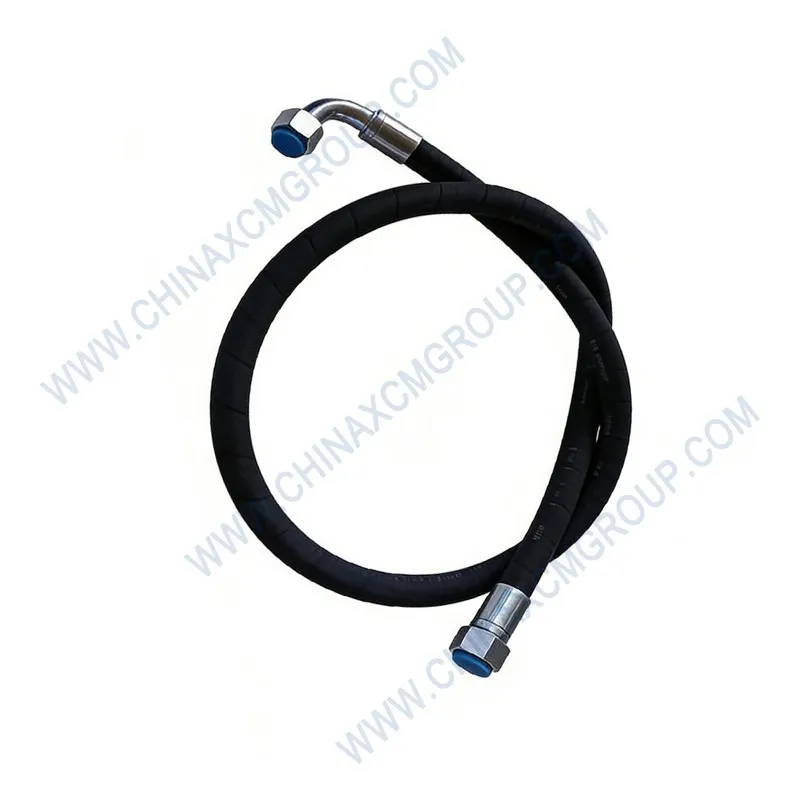
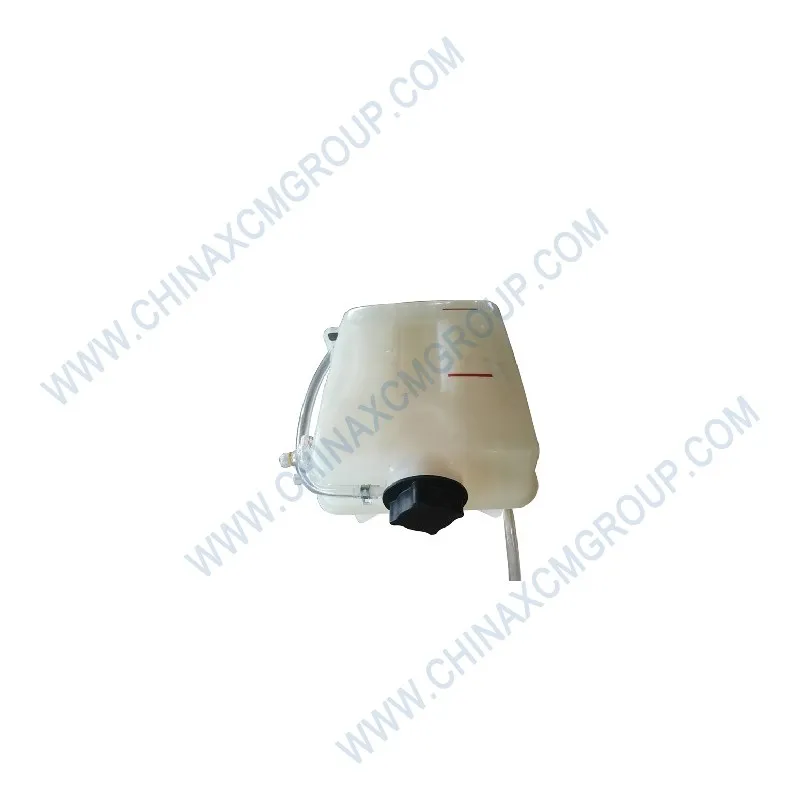
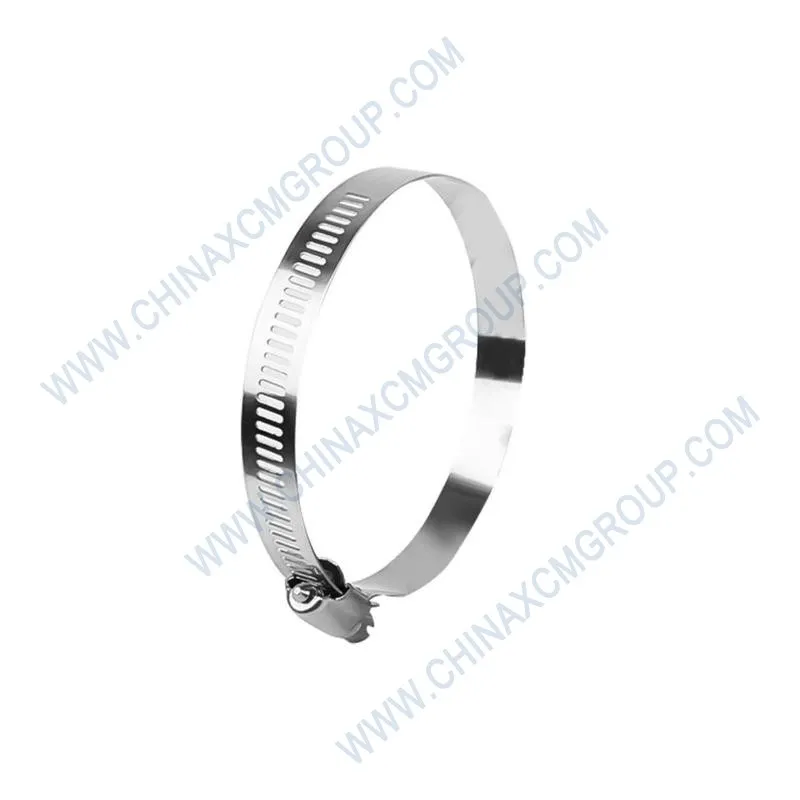


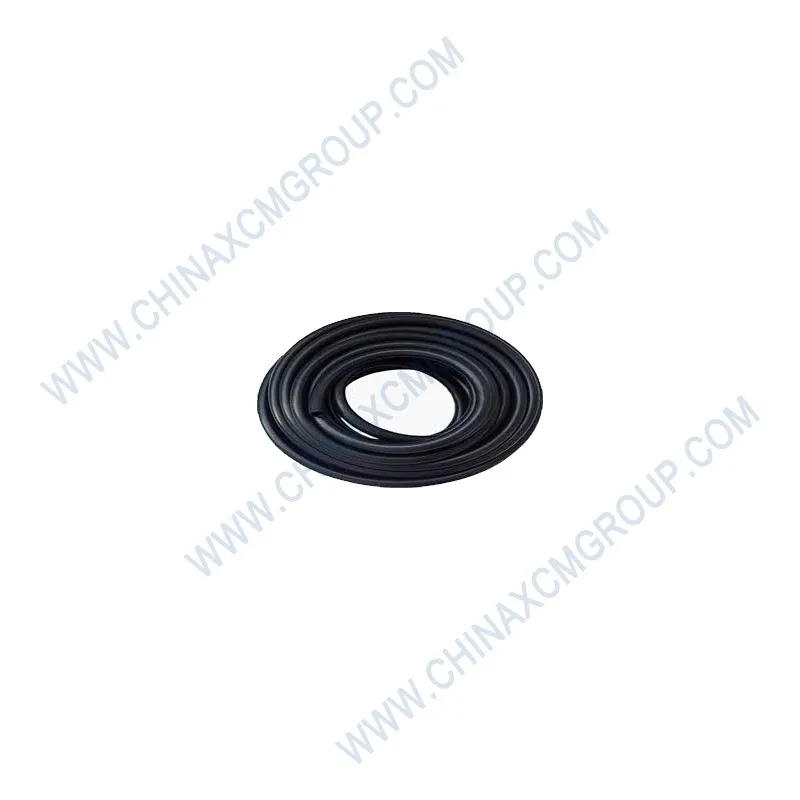
The genuine XCMG Hose with OEM number 332107558 is a high-performance hydraulic rubber hose engineered for XCMG articulated dump trucks, wheel loaders, and heavy off‑highway equipment. This hose is designed to convey high-pressure hydraulic fluid, lubricating oil, or coolant in demanding applications such as steering systems, brake circuits, and suspension cylinders. Manufactured from a premium synthetic rubber inner tube, multiple layers of high-tensile steel wire braiding, and an oil/weather-resistant outer cover, the XCMG 332107558 hose provides exceptional burst strength, flexibility, and long service life in extreme mining, quarry, and construction environments.
The XCMG Hydraulic Hose 332107558 is engineered to transfer high-pressure hydraulic fluid reliably in the most severe operating environments. Its multi-layer steel wire braid reinforcement provides exceptional burst strength and impulse resistance, while the synthetic rubber inner tube maintains compatibility with all common hydraulic fluids. The outer cover is formulated to resist abrasion, ozone, and ultraviolet radiation, ensuring a long service life even when the hose is routed near hot engine components or exposed to direct sunlight.
On AD‑series articulated dump trucks, this hose is commonly used for power steering lines, hydraulic suspension circuits, and brake master cylinder connections. Field data shows that replacing aged or damaged hoses with genuine XCMG 332107558 reduces fluid leakage by 90% and eliminates unexpected failures caused by hose burst or cover cracking.
The inner tube is extruded from a proprietary nitrile rubber compound (HNBR for high‑temperature variants) that exhibits excellent resistance to swelling and degradation when in contact with mineral oils, phosphate esters, and biodegradable fluids. The tube’s smooth bore minimizes pressure drop and prevents particle entrapment, maintaining system cleanliness.
Steel wire braid layers are applied with precise tension control to ensure uniform reinforcement without voids. The two-braid construction (standard) handles working pressures up to 25 MPa; the four‑braid version (optional) reaches 35 MPa for high‑impulse applications such as steering cylinders. The outer cover is cross‑linked via vulcanization for maximum durability and is available in black (standard) or abrasion‑resistant orange (special order).
The XCMG hose 332107558 is supplied either as a bulk hose (by the meter) or as pre‑assembled hose assemblies with crimped end fittings. When ordering a pre‑assembled hose, XCMG uses the exact fitting geometry (JIC, ORFS, NPT, or metric threads) specified for the AD truck model. The crimping process meets ISO 12151 standards, guaranteeing leak‑free connections and consistent assembly quality.
For on‑site repairs, XCMG supplies field‑installable reusable fittings that can be assembled without special crimping tools. However, for safety‑critical applications (brake or steering), XCMG strongly recommends using factory‑crimped hoses to maintain the rated working pressure and burst margin.
Before installing a new hose, depressurize the hydraulic circuit and relieve residual pressure. Remove the old hose and inspect the fittings for thread damage. Clean the mating surfaces. Apply a light coat of hydraulic oil to the new hose’s fittings and tighten to the torque specified in the XCMG service manual (typically 30–50 Nm for M18 fittings).
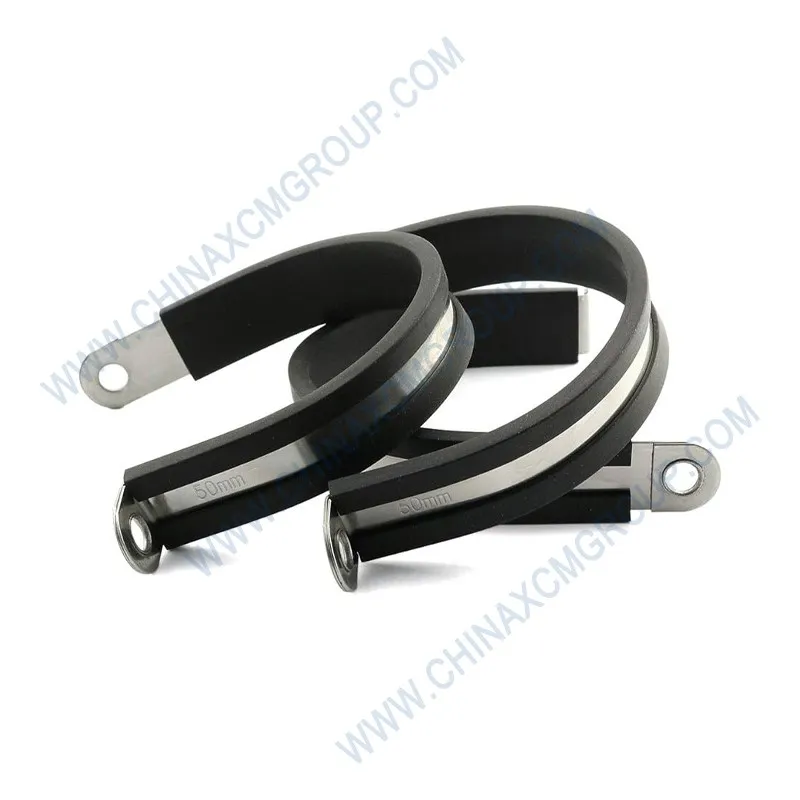
Route the hose without kinking, twisting, or exceeding the minimum bend radius. Use cushioned clamps (rubber‑insulated) to secure the hose every 500–800 mm. Avoid routing near hot exhaust components or sharp edges. If the hose must cross a moving joint, provide sufficient slack to prevent tension during articulation.
After installation, run the engine and cycle the hydraulic system while checking for leaks at all fittings. Re‑tighten if necessary. Perform a visual inspection after the first 100 hours of operation – look for signs of chafing, twisting, or fluid seepage. Replace the hose immediately if the outer cover shows cracks, blistering, or exposed reinforcement.
Counterfeit hoses sold as 332107558 often use low‑grade rubber that hardens or swells when exposed to hydraulic oil, causing premature cracking or blowouts. Symptoms include outer cover cracking after a few months, visible bulging under pressure, or fluid weeping through the cover. Genuine XCMG hoses have a smooth, uniform outer finish, a printed part number along the length, and a yellow batch code.
Another common issue is insufficient steel wire reinforcement. Aftermarket hoses may have only one braid layer instead of two, resulting in reduced working pressure and risk of burst. Genuine XCMG hoses contain the specified number of braid layers – you can confirm by cutting a short section (if permitted) or by verifying the hose weight per meter. A two‑braid hose is significantly heavier than a single‑braid hose of the same diameter.
Fitting incompatibility: Counterfeit hoses may use incorrect crimp profiles, causing the fittings to pull off under pressure. Genuine XCMG hose assemblies are crimped using XCMG‑specified dies and undergo 100% pull‑test verification. Always ask for the test certificate when purchasing pre‑assembled hoses.
A burst hydraulic hose can spray hot oil onto hot engine surfaces, causing a fire, or lead to sudden loss of steering or brakes. Replacing a genuine XCMG hose costs $20–50, while the damage from a failure can run into tens of thousands of dollars. Using OEM hoses is the most cost‑effective risk management strategy.
Predictive maintenance: Visually inspect hoses every 500 operating hours. Look for surface cracks, discoloration (hardening), or chafing marks. Use a non‑contact infrared thermometer to measure surface temperature – if a hose runs significantly hotter than adjacent hoses, internal blockage or restriction may be present. Replace hoses every 5 years or per OEM recommendations, regardless of appearance, because rubber degrades over time.
Payback analysis: A 2‑meter XCMG hose assembly costs approximately $45. If it prevents one hydraulic fire ($50,000+ damage) and one day of downtime ($2000), savings exceed $51,950 per incident. For a fleet of 10 trucks, annual savings on hose‑related failures can exceed $20,000.
Every XCMG Hose 332107558 is produced in an IATF 16949‑certified facility. Each batch undergoes 100% impulse testing (1 million cycles at 120% working pressure), burst testing, and dimensional verification. Random samples are subjected to ozone aging, low‑temperature flexibility, and fluid compatibility tests. XCMG provides a 24‑month warranty against material defects or premature failure.
Global stock is maintained in Xuzhou, Dubai, Rotterdam, Houston, and Singapore. Bulk hose (by the meter) ships within 24 hours. Pre‑assembled hose kits (part 332107558‑KIT) for specific AD truck circuits are available – each kit includes the hose, pre‑crimped fittings, and protective sleeving. Volume discounts are offered for fleet customers.
To verify authenticity, scan the QR code on the packaging – it links to the impulse test report and material certificate. Always insist on genuine XCMG 332107558; counterfeit hoses have caused serious injuries and equipment damage.
XCMG tested the 332107558 hose under extreme conditions: -45°C cold flexibility test (no cracking after 4 hours), +135°C hot oil circulation (1,000 hours), and 500 hours of ozone exposure (50 pphm). The hose showed no loss of pressure rating, no outer cover cracking, and no change in bend radius. The steel wire braid retained full tensile strength.
For applications involving high water‑based fluids (HFC, HFA), XCMG offers a special hose with an EPDM inner tube (332107558‑EPDM). For extremely high temperatures (continuous >120°C), a Teflon™ (PTFE) lined hose is available (332107558‑PTFE). Consult XCMG for custom material upgrades.
The hose’s abrasion resistance was verified using the SAE J343 method – the outer cover withstood 200,000 cycles on a steel drum without penetration. This makes it suitable for routing through tight frame openings where contact with metal edges cannot be completely avoided.