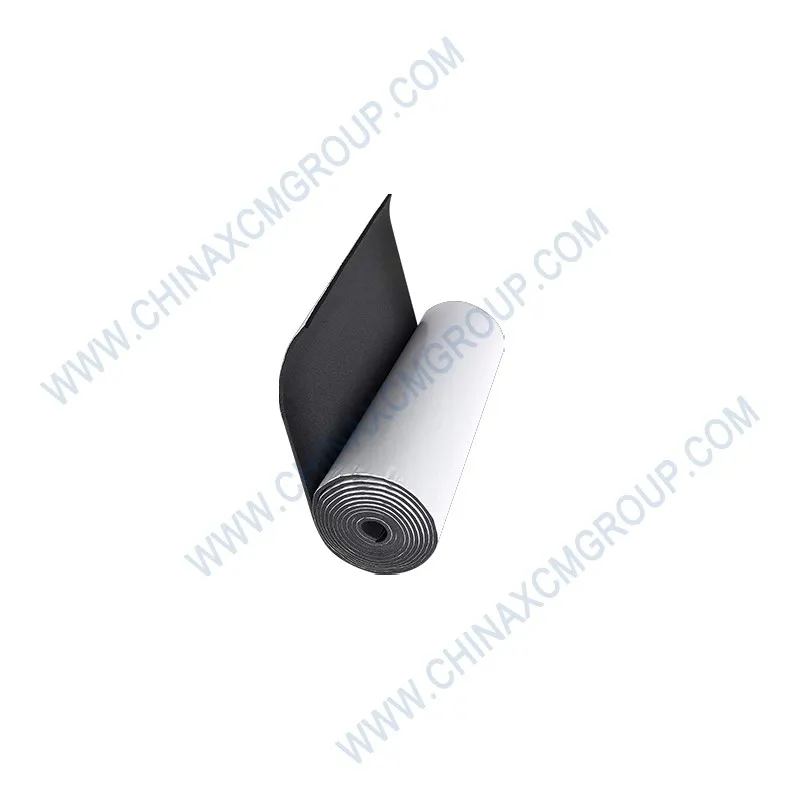
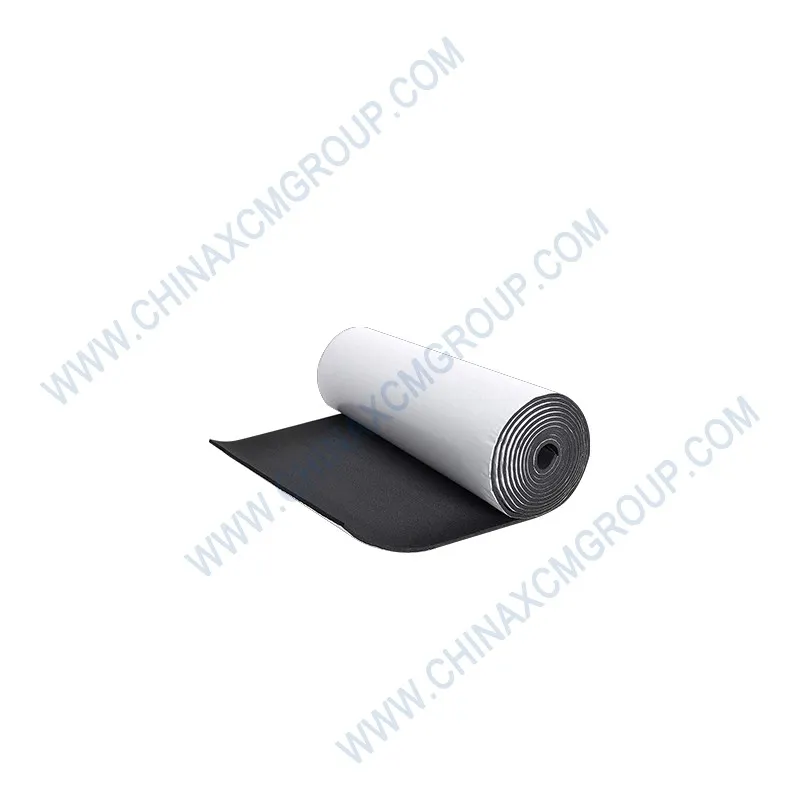
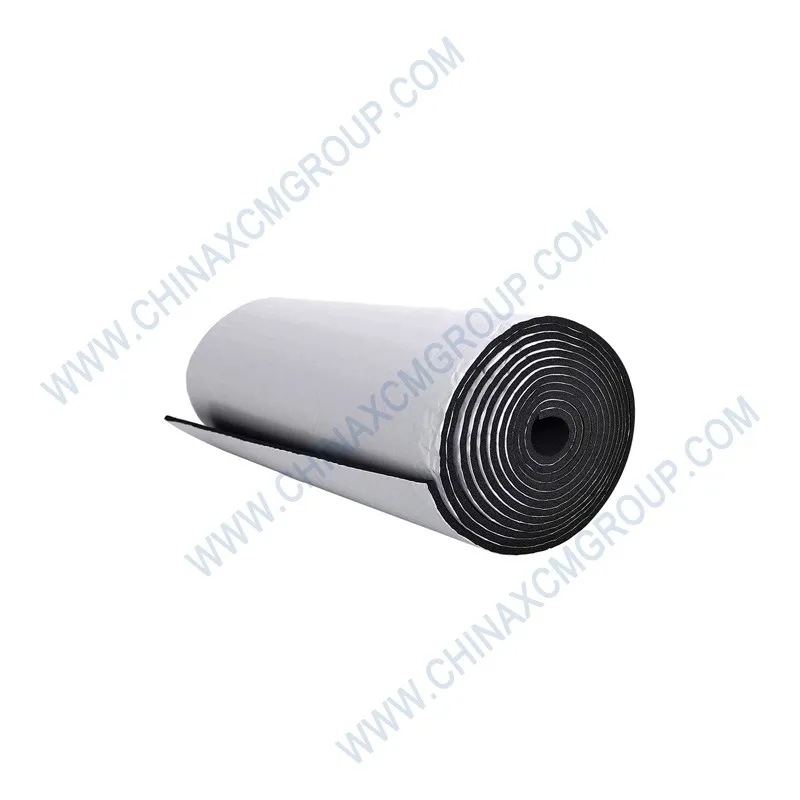
The genuine XCMG Insulation Wool with OEM number 332108059 is a high-temperature thermal barrier material engineered for XCMG articulated dump trucks, wheel loaders, and off-highway equipment.
This premium insulation wool protects engine compartments, exhaust systems, turbochargers, and firewalls from radiant and conducted heat, reducing under‑hood temperatures and improving operator comfort.
Manufactured from high‑density glass fiber or ceramic fiber with a durable aluminized or high‑temperature fabric facing, the XCMG 332108059 insulation wool withstands continuous temperatures up to 650°C and intermittent peaks up to 800°C.
Its flexible, non‑combustible construction allows easy shaping around complex components, providing thermal protection for wiring, hoses, and sensitive electronics.
Ideal for exhaust pipe wrapping, turbocharger blankets, and engine bay liners on AD‑series trucks, this insulation reduces heat soak, lowers component failure rates, and enhances cabin cooling efficiency.
The XCMG Insulation Wool 332108059 is designed to reduce radiant and conductive heat transfer in engine compartments, protecting nearby components from thermal damage.
Excessive under‑hood heat can degrade wiring insulation, crack plastic connectors, shorten battery life, and increase cabin temperatures.
On AD‑series articulated dump trucks, this insulation is used around turbochargers, exhaust manifolds, DPF (diesel particulate filter) housings, and engine firewall panels.
Field data from mines shows that applying genuine XCMG 332108059 insulation reduces turbocharger surface temperature by 150°C, lowering thermal stress on adjacent wiring and hoses.
The material also reduces noise from the engine and exhaust, contributing to a quieter, more comfortable cab environment.
The 332108059 insulation wool is made from E‑glass or ceramic fibers that are mechanically needled to form a flexible, resilient blanket.
These fibers have a continuous use temperature of 650°C, withstanding short‑term excursions up to 800°C without melting or losing structural integrity.
The material is non‑combustible and self‑extinguishing, meeting ASTM E136 and UL 94 V‑0 standards. It will not contribute to engine bay fires.
The outer facing is a high‑temperature fabric (aluminized or silica) that reflects radiant heat and protects the fiber core from oil and abrasion.
The facing is also resistant to diesel, engine oil, and coolant, preventing degradation of the insulation layer.
The XCMG insulation wool 332108059 comes in flexible sheets that can be cut to size with scissors or a utility knife, allowing custom fitting around irregular shapes.
It can be secured using stainless steel wire ties, high‑temperature tape, or mechanical fasteners (clips and washers).
For exhaust pipe wrapping, the material is also available in 50 mm wide rolls (suffix “-WRAP”) that wrap around the pipe in overlapping layers.
On AD60 and AD80 trucks, pre‑cut insulation kits are available for specific applications such as turbocharger blankets, DPF covers, and engine compartment liners.
Always wear gloves and a dust mask when handling fiber insulation to avoid skin irritation from loose fibers.
Before installation, allow the engine and exhaust system to cool completely. Clean the surface of any oil, grease, or dirt.
Cut the insulation sheet to the required shape using heavy‑duty scissors or a utility knife. Leave a 10–20 mm overlap for seams.
Position the insulation with the reflective facing (if present) toward the heat source for maximum effectiveness. For exhaust wraps, start at one end and spiral the strip tightly, overlapping each turn by 25–50%.
Secure the insulation using stainless steel ties or high‑temperature adhesive tape (rated > 200°C). Do not use plastic zip ties or ordinary tape.
Inspect the insulation every 500 hours for signs of shrinkage, fraying, or oil saturation. Replace if damaged or if the facing has deteriorated.
If the insulation becomes soaked with oil or fuel, replace it immediately – oil‑saturated insulation can become a fire hazard. Service life is typically 3–5 years or 6,000–8,000 hours.
Counterfeit insulation wool sold as 332108059 often uses low‑density fiberglass that shrinks at high temperatures, leaving gaps that allow heat transfer.
Symptoms include visible shrinkage after a few thermal cycles, a loose fit, or the insulation falling apart when handled.
Genuine XCMG insulation has a uniform density, a tightly woven facing, and a laser‑etched part number on the packaging. The material feels dense and resilient, not fluffy.
Another issue is the lack of a reflective facing. Aftermarket insulation may use plain fiberglass that offers poor radiant heat reflection. Genuine XCMG insulation includes a high‑emissivity coating or foil facing.
Incorrect thickness: Counterfeit products may be 13 mm instead of the specified 25 mm, providing inadequate thermal protection. Measure the thickness with a ruler – genuine XCMG is 25 mm ± 2 mm.
By reducing under‑hood temperatures, the 332108059 insulation extends the life of wiring, sensors, and plastic components, lowering repair costs.
A single episode of wiring harness meltdown can cost $1,500–3,000 to repair. Installing a $30 sheet of insulation prevents this damage.
Lower engine bay temperatures also improve air conditioning efficiency, reducing fuel consumption by 1–2% on hot days.
Predictive maintenance: During inspections, touch (carefully) the insulated surfaces – they should feel warm but not scorching. If the insulation feels excessively hot, it may be degraded.
Also, check for any oily residue or signs of the facing peeling away. Replace any insulation that shows these signs. Proactive replacement every 4,000 hours is recommended for high‑heat areas like turbocharger blankets.
Payback analysis: A sheet of genuine XCMG 332108059 insulation costs ~$30. If it prevents one wiring harness failure ($1,500) and reduces AC fuel penalty ($200/year), the ROI is achieved in less than 2 months.
Every XCMG Insulation Wool 332108059 is manufactured in an IATF 16949‑certified facility. Each batch undergoes thermal conductivity testing, density verification, and flammability testing (ASTM E136).
Random samples are subjected to 1,000 hours of thermal aging at 600°C and oil immersion tests. XCMG provides a 24‑month warranty against material shrinkage, facing delamination, or loss of insulating properties.
Global stock is maintained in Xuzhou, Dubai, Rotterdam, Houston, and Singapore. Emergency orders ship within 24 hours.
Bulk packs of 10 sheets (part number 332108059‑B10) are available for fleet customers at a 15% discount. Each sheet is individually sealed in a plastic bag with a desiccant.
To verify authenticity, scan the QR code on the packaging – it links to the test certificate showing density, thermal conductivity, and material batch.
Always insist on genuine XCMG 332108059; counterfeit insulation has been known to burn or melt, causing engine compartment fires.
XCMG engineers tested the 332108059 insulation wool under extreme conditions: 5,000 hours of continuous heat cycling from ambient to 650°C, 1,000 hours of salt spray, and 500 hours of vibration at 25g RMS.
The insulation showed no cracking, no shrinkage greater than 3%, and the facing remained bonded. The thermal conductivity increased by less than 15% after the test.
For applications with temperatures exceeding 800°C (e.g., DPF regeneration zones), XCMG offers a ceramic fiber version (suffix “-CF”) rated to 1200°C continuous.
The insulation also resists moisture absorption, preventing weight gain and loss of insulating properties in humid environments. Its low thermal conductivity ensures effective heat management even after years of service.