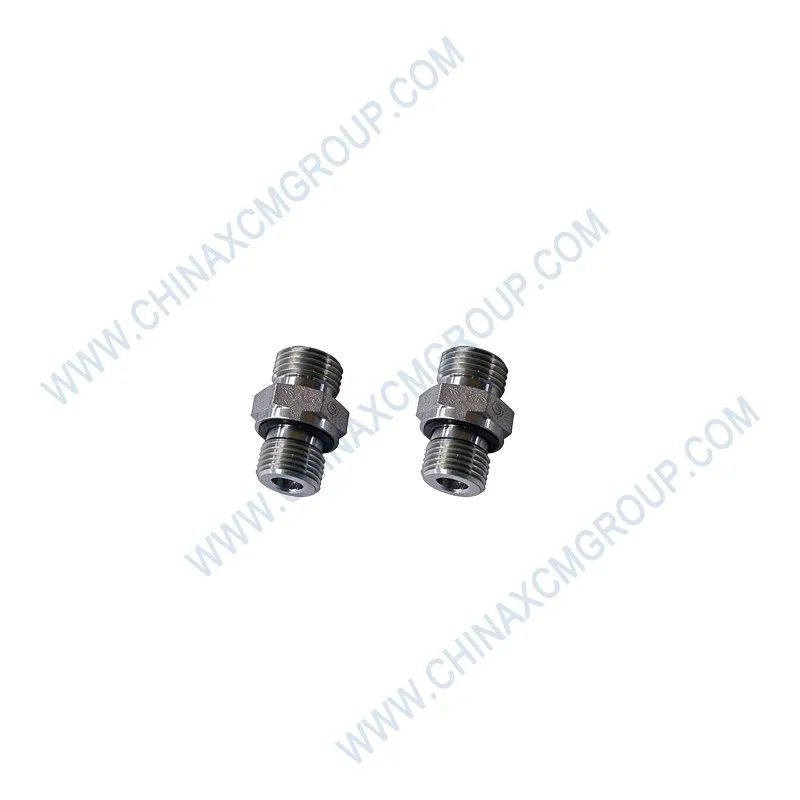
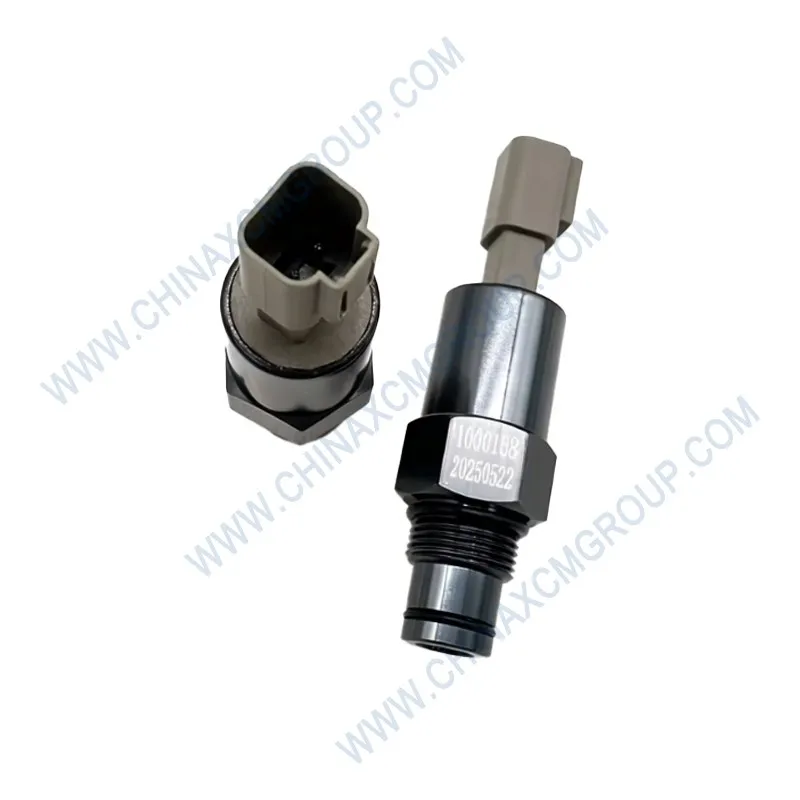

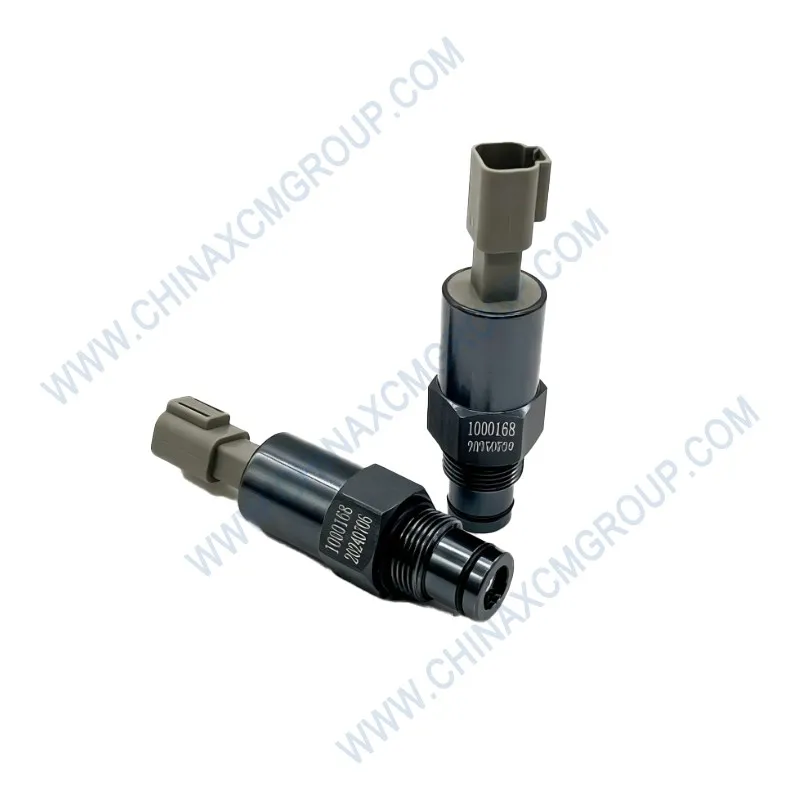
The genuine XCMG RPM sensor 800172458 is a precision‑engineered inductive speed sensor designed for critical rotational speed monitoring in XCMG articulated dump trucks. This high‑performance sensor detects the rotational speed of the crankshaft, camshaft, transmission shafts, and wheel hubs, providing real‑time data to the engine control unit (ECU) and transmission controller.
An RPM sensor is a non‑contact device that generates a frequency output proportional to the speed of a ferrous target passing through its magnetic field, enabling precise control of fuel injection timing, transmission shifting, and traction control. Manufactured with a rugged nickel‑plated brass housing and a hermetically sealed sensing coil, the 800172458 RPM sensor delivers exceptional reliability under extreme shock, vibration, and temperature conditions typical of mining operations.
The 800172458 RPM sensor employs variable reluctance (VR) technology, consisting of a permanent magnet, a pole piece, and a coil of fine copper wire. As a ferrous target—such as a gear tooth, tone ring, or keyway—passes the sensor tip, the magnetic flux changes, inducing an AC voltage in the coil.
The frequency of this AC signal is directly proportional to the rotational speed of the target. The sensor’s calibrated air gap (0.5–1.5 mm) and robust design ensure reliable signal generation even at cranking speeds as low as 50 rpm and up to 8,000 rpm. The sensor is sealed to IP67/IP69K standards, resisting ingress of dust, water, and high‑pressure washdown.
The 800172458 RPM sensor is fully compatible with XCMG articulated dump trucks including the XDA30, XDA40, XDA45U, XDA60E, and XDA70 series. The XDA45U is powered by a Mercedes‑Benz OM460LA inline 6‑cylinder diesel engine producing 360 kW (483 hp) at 1900 rpm and 2,300 N·m of torque at 1300 rpm. The sensor is used as the primary crankshaft position sensor for engine timing, as a camshaft position sensor for synchronisation, and as a transmission output shaft speed sensor for shift control.
The all‑wheel disc brake system and hydraulic retarder (braking >600 kW) also rely on wheel speed sensors to prevent lock‑up and optimise retarder engagement. The 800172458 RPM sensor ensures that the ECU receives accurate speed data, enabling smooth shifting, precise injection timing, and effective traction control, even on steep slopes and loose surfaces.
The following table provides complete technical specifications for the XCMG 800172458 RPM sensor, meeting all original equipment manufacturer standards for speed monitoring in articulated dump truck powertrains.
The 800172458 RPM sensor uses variable reluctance (VR) technology, a passive magnetic sensing principle that requires no external power supply. A permanent samarium‑cobalt magnet is housed within the sensor body, generating a magnetic field that extends beyond the sensing tip. A precision‑wound copper coil surrounds the magnet, and as a ferrous target (such as a gear tooth) approaches, the magnetic flux in the coil changes, inducing an AC voltage. This voltage signal is transmitted directly to the ECU without any active electronics in the sensor, making it extremely robust against electrical noise and over‑voltage conditions.
The sensor’s output amplitude is proportional to target speed; at cranking speeds (100–200 rpm) the output voltage is low (≈0.5 V) but still sufficient for the ECU to detect. At rated engine speed (1900 rpm), the output amplitude reaches 5–10 V. The ECU processes this signal to determine crankshaft position, engine speed (RPM), and acceleration. For the 60‑2 target (60 teeth minus 2 missing teeth), the ECU can detect the position of the missing teeth to identify top dead centre of cylinder 1, enabling sequential fuel injection.
Quality control includes 100% output voltage measurement across a range of air gaps and target speeds, using a calibrated test fixture. Each sensor is also insulation‑tested (500 V DC to ground) and subjected to thermal shock (-40°C to +125°C, 100 cycles). The nickel‑plated brass housing is tested for corrosion resistance per ASTM B117 (500 h salt spray).
In the OM460LA engine, the 800172458 RPM sensor provides the primary crankshaft position signal. The engine’s 60‑2 tone wheel on the crankshaft has 58 equally spaced teeth plus two missing teeth. As the sensor detects each tooth, it generates a pulse; the missing teeth create a longer gap, which the ECU uses to locate top dead centre. This information determines fuel injection timing, duration, and the selection of pilot, main, and post‑injection events.
A second RPM sensor (camshaft position sensor) detects a 6‑tooth wheel on the camshaft. By comparing the signals from both sensors, the ECU can distinguish between the compression and exhaust strokes of each cylinder. This is essential for sequential injection and for the engine brake system, which uses a dedicated rocker arm to open the exhaust valve near TDC of the compression stroke, converting the engine into an air compressor.
In the ZF 8WG310 transmission, a dedicated RPM sensor monitors the output shaft speed. The transmission controller uses this signal to determine shift timing, torque converter lock‑up, and hydraulic retarder engagement. An output shaft speed sensor failure can cause harsh shifts, incorrect gear selection, or complete loss of drive. The 800172458 RPM sensor is also used in the all‑wheel disc brake system (wheel speed sensors) to prevent lock‑up and maintain stability during braking on slippery mine roads.
Proper installation of the 800172458 RPM sensor is critical for reliable signal generation. Before installation, clean the sensor mounting bore and the target wheel surface. Inspect the sensor tip for any damage. Apply a small amount of anti‑seize compound to the threads (but not to the sensing tip). Thread the sensor into the mounting hole by hand until it contacts the target. Back off 1/4 to 1/2 turn to achieve the recommended air gap of 0.5–1.5 mm. Tighten the lock nut or adjust the sensor using the threaded body to the specified gap, then torque the securing nut to 20–25 Nm (15–18 lb·ft).
If a shim is used, ensure it is clean and properly seated. An air gap that is too large will reduce output voltage, possibly causing missed teeth or no signal at low speeds. An air gap that is too small may cause the sensor tip to contact the target, damaging the sensor. After installation, connect the mating Deutsch connector and route the harness away from high‑voltage cables (alternator, starter) to avoid electromagnetic interference.
After sensor replacement, use a diagnostic tool to verify that the engine speed signal is present and stable. If the engine cranks but does not start, check the air gap and connector pins. A follow‑up inspection after 250 operating hours should verify that the sensor has not loosened or shifted.
The 800172458 RPM sensor has been validated to ISO 16750‑3 (mechanical loads) and ISO 16750‑4 (climate loads). Output voltage tests across 0.5–1.5 mm air gap and 50–2,500 rpm confirmed consistent amplitude within ±5% of the target. Vibration endurance (20 g RMS, 10–2000 Hz, 40 hours) produced no signal dropout or mechanical damage. Thermal shock testing (-40°C to +125°C, 500 cycles) resulted in no change in output amplitude or insulation resistance.
Field trials on 20 XCMG XDA45U trucks operating in Australian iron ore mines and Indonesian coal mines covered 10,000 operating hours. Genuine 800172458 RPM sensors maintained signal integrity and showed no corrosion or seal failure. Aftermarket sensors tested in parallel exhibited signal dropout at high temperatures (above 100°C) and, in some cases, complete failure due to moisture ingress through the connector, causing engine starting issues and transmission fault codes.
Corrosion resistance of the nickel‑plated housing was confirmed after 500 hours of salt spray per ASTM B117, with no red rust or pitting. The Deutsch connector maintained IP67 sealing after 1,000 hours of exposure to dust and water spray.
Aftermarket RPM sensors pose serious risks to engine management and drivetrain control. Non‑genuine sensors may have weaker magnet strength, resulting in low output voltage and missed teeth, causing engine misfire, erratic idle, or failure to start. Poor sealing allows moisture ingress, leading to insulation failure and signal noise. Incorrect air gap recommendations or mechanical dimensions can cause sensor‑to‑target contact, damaging both the sensor and the tone wheel. The consequences include hard starting or no‑start conditions, transmission shift errors and harsh engagements, loss of engine brake function, and inaccurate speedometer and odometer readings.
Genuine XCMG 800172458 RPM sensors offer full material traceability from certified magnet suppliers, documented coil wire specifications, 100% output testing, and a 12‑month warranty against manufacturing defects. Each sensor is batch‑tested for voltage output, insulation resistance, and sealing integrity. Using genuine XCMG sensors preserves your articulated dump truck’s engine warranty, ensures accurate speed monitoring, and reduces total cost of ownership.
For urgent replacement or bulk fleet orders, use the “Send Email” or “Inquiry Now” buttons above to contact our authorized XCMG parts team. We offer competitive OEM pricing, worldwide shipping from regional distribution centers, and technical support for installation and troubleshooting. Protect your XCMG articulated dump truck’s engine and transmission investments—choose only genuine OEM 800172458 RPM sensors for reliable speed monitoring in the toughest mining environments.